Hear From Our Clients
A roof that’s been properly replaced or repaired doesn’t just stop leaking it stops being something you think about. No more scanning the ceiling after a storm. No more wondering if that dark spot near the chimney is getting worse. You get to move on.
For West Islip homeowners, that peace of mind means something specific. If your home sits south of Sunrise Highway near the canals, the bay, or anywhere close to True Harbor Estates your roof is dealing with salt air year-round. Salt doesn’t just look bad. It works its way into the granules on your shingles, corrodes the fasteners underneath, and quietly shortens the life of your roof before you ever notice anything from the ground. Getting that addressed with the right materials and the right installation makes a measurable difference.
And if your home is one of the Cape Cods or hi-ranches north of Sunrise that went up in the 1950s or 60s, the math is simple: those roofs are old. A proper assessment one that tells you honestly whether you need a repair or a full replacement saves you from paying twice. That’s the outcome that actually matters.
Home Team Construction is a family-owned exterior contractor based in Suffolk County, and we’ve been working on West Islip roofs for over a decade. Our owner, Alban, is involved in every job not just the estimate, but the follow-up, the questions, and the accountability when something needs attention.
West Islip is the kind of community where work quality matters. People talk at school pickup, at Bayview Park, at Good Samaritan. If we do a bad job, everyone knows. That’s just the reality of working in a tight-knit South Shore town, and it’s exactly the kind of accountability that keeps us doing things the right way.
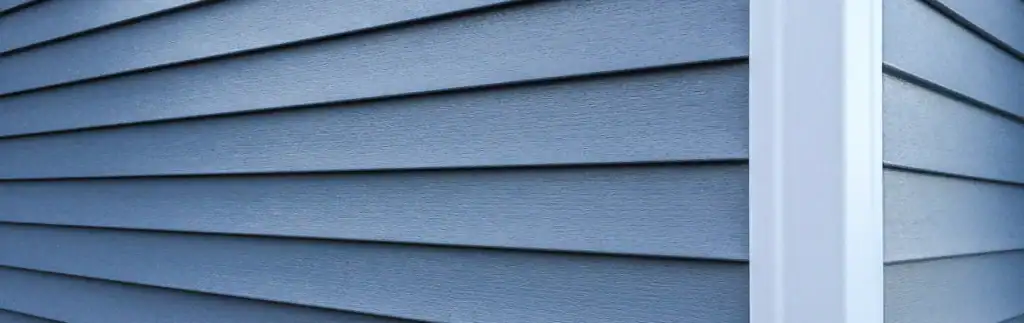
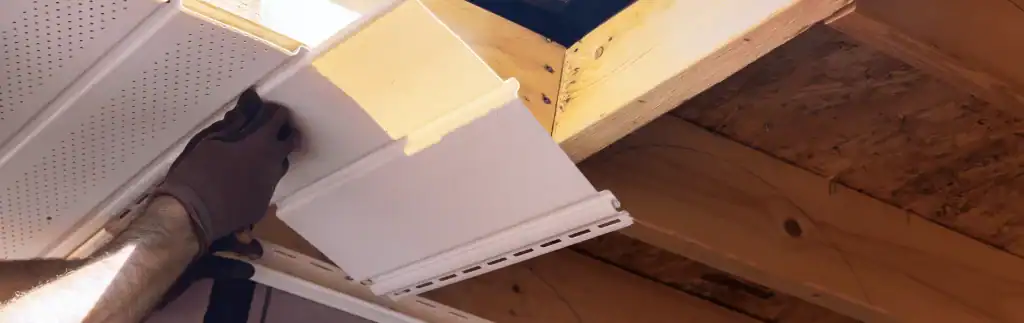
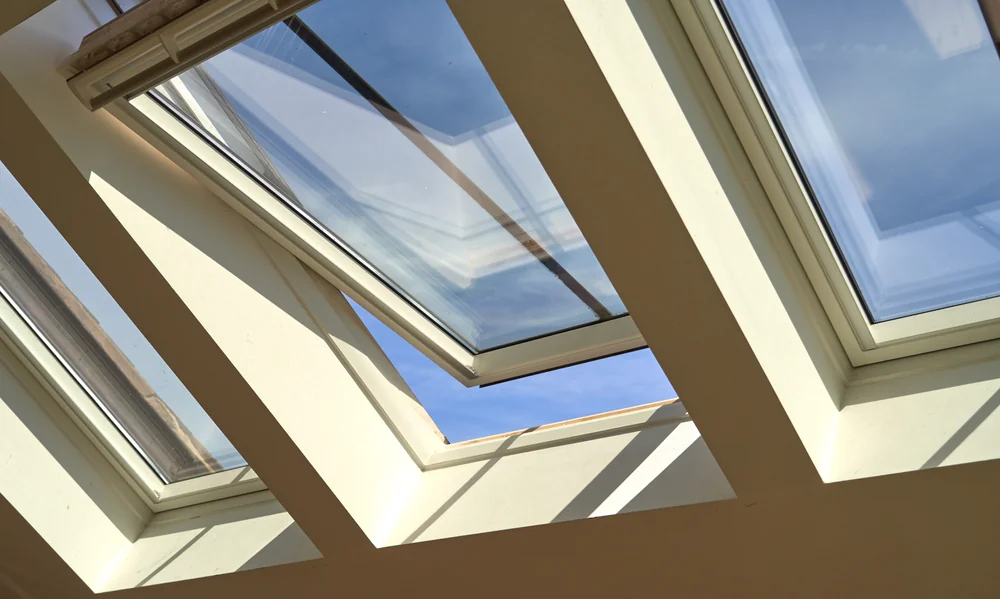
We handle roofing, gutters, siding, chimneys, skylights, and decks all under one contractor. So when a nor’easter comes through and hits three different parts of your exterior at once, you’re not managing three different companies.
It starts with an honest assessment. We come out, look at your roof, and tell you what we actually see not what gets us the biggest job. If a repair handles it, we’ll say so. If you’re past the point where patching makes sense, we’ll explain why and show you the documentation to back it up. Photos, specifics, no vague estimates.
From there, you get a written, itemized price before anything starts. That number doesn’t change unless the scope does and if it does, we stop and talk to you before we proceed. That’s how a contractor should operate when they’re working on a $600,000 home in West Islip.
Once work begins, we document every phase with photos and video. This matters more than most homeowners realize, especially after storm damage when you’re filing an insurance claim with your provider, having that visual record already in hand saves real time and real money. We pull the required Town of Islip building permits on qualifying jobs, handle the inspection process, and don’t consider the project closed until everything is done correctly.
Ready to get started?
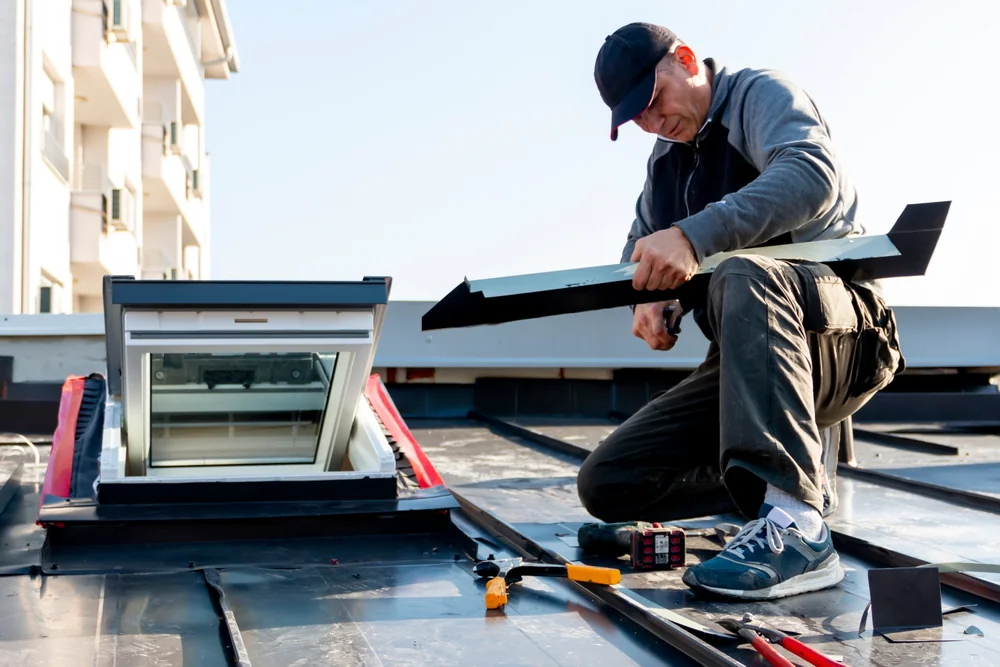
Whether you’re dealing with a few damaged shingles after a storm or a roof that’s been quietly failing for years, we look at the whole system, not just the obvious problem. That includes the flashing at your chimney and skylights, the ventilation in your attic, the condition of the underlayment, and how your gutters are connecting to the roofline. In a coastal community like West Islip, those details aren’t optional. A roof installed without proper flashing on a canal-front home near the bay isn’t going to last.
For shingle roofs, we work with asphalt systems rated for coastal exposure materials that hold up against the wind-driven rain and salt air that South Shore homes face every season. For homeowners considering metal roofing, it’s worth knowing that metal performs exceptionally well in this environment: it sheds water faster, resists corrosion better than standard shingles in salt air conditions, and carries a significantly longer lifespan. It’s a real option for waterfront properties where longevity and durability matter most.
Every project includes material documentation, photo and video records of the completed work, and a clear warranty conversation before we leave. You’ll know what was installed, what it covers, and who to call.
Yes a full roof replacement requires a building permit through the Town of Islip Building Division, which handles permit applications for West Islip and other communities in the Town of Islip. This is not optional, and it’s not something to skip to save time or money.
Unpermitted roofing work creates real problems down the line. If you sell your home, an unpermitted roof can surface during the buyer’s inspection and hold up or kill the sale. It can also complicate homeowners insurance claims if a future storm causes damage and the insurer discovers the work wasn’t properly permitted. We handle the permit process as part of every qualifying project applications, required documentation, and the final inspection before closeout. Permit fees in this jurisdiction typically run $150 to $300 for residential roofing work, and approval for straightforward projects usually comes through within one to three business days.
The honest answer is: it depends on the age of the roof, the extent of the damage, and where the damage is. A few lifted shingles after a nor’easter might be a straightforward repair. But if your West Islip home was built in the 1950s or 60s and the roof hasn’t been replaced in 20-plus years, a repair might just be delaying the inevitable and paying twice.
The things we look at beyond the obvious surface damage include the condition of the underlayment beneath the shingles, whether the flashing at your chimney or skylights has been compromised, and whether there’s evidence of moisture getting into the decking underneath. On South Shore homes with significant salt air exposure, fastener corrosion can be advanced before any shingle looks visibly damaged from the ground. A proper assessment catches that. We’ll give you a straight answer on what we find not the answer that gets us the bigger job.
For most West Islip homes, architectural asphalt shingles rated for high-wind and coastal exposure are the standard and they perform well when installed correctly with the right fastening pattern and flashing details. The key word is correctly. A shingle rated for 130 mph winds still fails early if it’s improperly fastened or if the flashing isn’t sealed for wind-driven rain.
For homes with direct bay or canal exposure particularly in the True Harbor Estates area or along the waterfront streets south of Sunrise Highway metal roofing is worth a serious conversation. Metal handles salt air significantly better than asphalt over the long term, sheds water faster, and doesn’t lose granules the way shingles do in coastal conditions. It costs more upfront, but the lifespan difference is substantial. We’ll walk you through both options with real numbers so you can make an informed decision based on your specific home and location.
As soon as possible and not just because damage gets worse when it’s left open to the elements. In West Islip, nor’easters can roll through back-to-back in the fall and winter months, and a compromised roof that survives one storm may not survive the next one right behind it. Waiting weeks for an inspection while more rain is in the forecast is a real risk.
There’s also a practical insurance consideration. Most homeowners insurance policies require you to report storm damage promptly and take reasonable steps to prevent further damage. If you delay and a second storm causes additional water intrusion through an already-damaged area, the insurer may argue that the second round of damage was preventable. Getting an inspection quickly and getting the damage documented with photos before any temporary repairs are made protects your claim. We document everything from the initial assessment forward, which gives you a clear record of what the storm actually caused.
Yes, and it’s more than just surface-level wear. Salt air accelerates granule loss on asphalt shingles, which are the small particles embedded in the surface that protect the underlying asphalt from UV exposure and weather. Once granule loss starts, the shingles degrade faster and the timeline compresses significantly compared to a similar roof in an inland community. You might get 20-25 years out of a shingle roof in a non-coastal area; in a bay-front or canal-adjacent home in West Islip, that number can be meaningfully shorter if the installation doesn’t account for coastal conditions.
Salt air also corrodes the metal components of a roofing system the fasteners holding shingles in place, the flashing at chimneys and roof edges, the step flashing around skylights. That corrosion is often invisible from the ground until it’s already causing a problem. Homes south of Sunrise Highway, especially those with direct Great South Bay exposure, benefit from regular visual inspections and materials that are specifically rated for coastal environments.
For a standard single-family home in West Islip a Cape Cod, hi-ranch, or Colonial a full roof replacement typically takes one to two days of active work once materials are on-site and the crew is scheduled. Larger homes, more complex rooflines, or jobs that involve additional work like chimney flashing replacement or skylight resealing can run a day or two longer.
The part that adds time on the front end is permitting. The Town of Islip requires a building permit for full replacements, and while approvals for straightforward residential projects usually come through in one to three business days, we factor that into the project timeline upfront so there are no surprises. Weather is the other variable West Islip’s fall and early winter schedule fills up fast after nor’easter season starts, and roofing work can’t safely happen in high winds or heavy rain. If your roof has active damage heading into October, getting on the schedule earlier rather than later is genuinely the right call. We’ll give you a realistic timeline when we assess the job.
Other Services we provide in West Islip