Hear From Our Clients
Salt air in Springs doesn’t come from one direction it comes from all sides. Accabonac Harbor to the east, Three Mile Harbor to the west, Gardiners Bay to the north. That omnidirectional exposure quietly corrodes the metal fasteners holding your shingles in place, degrades your flashing, and shortens the lifespan of any roofing material faster than most homeowners realize. By the time you see a stain on the ceiling, the damage has usually been building for a while.
Cedar shake is the dominant roofing material on older homes throughout Springs, and it requires a different level of attention than standard asphalt. It responds to moisture, swells and contracts with the coastal freeze-thaw cycle, and needs to be assessed by someone who knows the difference between a shake that needs a targeted repair and one that’s quietly failing from underneath. Getting that call wrong costs you significantly more in the long run.
What you get with a properly done roof isn’t just weather protection it’s the ability to stop thinking about it. No more watching the ceiling after a storm. No more wondering if last fall’s patch job held. Whether you’re a year-round resident on Fireplace Road or a seasonal homeowner closing up before winter, the goal is the same: a roof that does its job without becoming yours.
We’ve been working across Suffolk County for over a decade, with deep roots in Springs and throughout the East End. That means we know the full range of conditions that come with this area nor’easter seasons, salt air corrosion, cedar shake systems, the freeze-thaw cycles that accelerate wear on every exterior surface, and the East Hampton Town permitting process, which is more involved than most western Suffolk jurisdictions. We’re not a company that appeared after a storm and will be gone by spring. This is where we work, and our reputation here is what keeps us going.
We’re owner-operated, which means the person who quotes your job is accountable for how it turns out. No middlemen, no handoffs to a crew you’ve never met. From the first inspection to final cleanup, you know who to call if you have a question before, during, or after the job.
Springs homeowners whether they’re Bonacker families who’ve been here for generations or second-home owners coming out from the city tend to be skeptical of contractors who don’t know the area. That skepticism is fair, and we think the best answer to it is just showing up and doing the work right.
It starts with an honest assessment. We come out, get on the roof, and tell you what we actually see not what justifies the biggest job. For cedar shake roofs, that means evaluating the individual shakes, the underlayment condition, the flashing around chimneys and skylights, and the ventilation system. In a coastal environment like Springs, those details matter more than they would inland, because salt air and moisture find every weak point.
Once we know what’s needed, you get a written quote with a clear number before any work begins. If it’s a permitted project and in East Hampton Town, most significant roofing work requires a permit we handle that process for you. East Hampton’s Building Department requires licensed, notarized contractors with workers’ compensation documentation, and fees were updated in 2024. We know the process and manage it so it doesn’t become your problem.
During the job, we document everything with photos and video. That’s not a formality it’s something a lot of Springs homeowners genuinely rely on, especially those who aren’t on-site while the work is being done. When we’re finished, the site is cleaned up, the documentation is in your hands, and the roof has been inspected to confirm the work holds up to what this area actually throws at it.
Ready to get started?
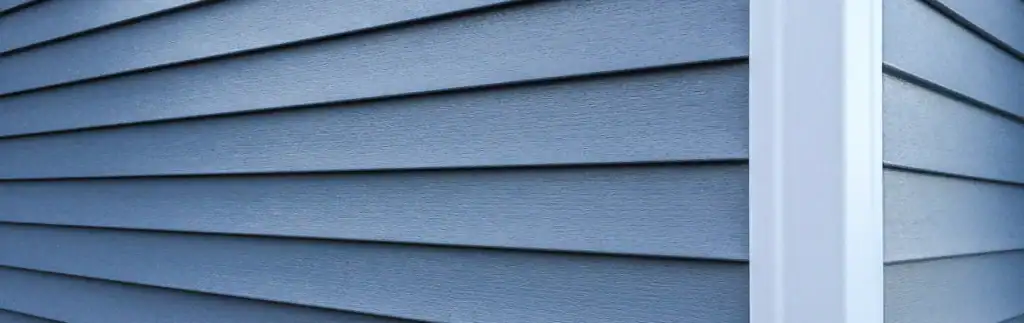
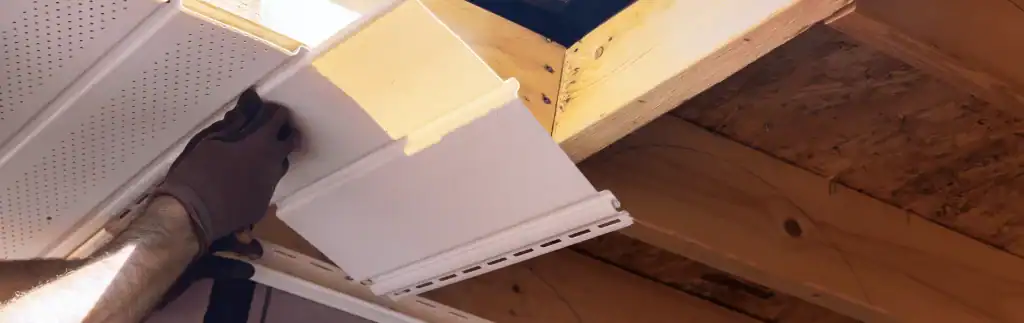
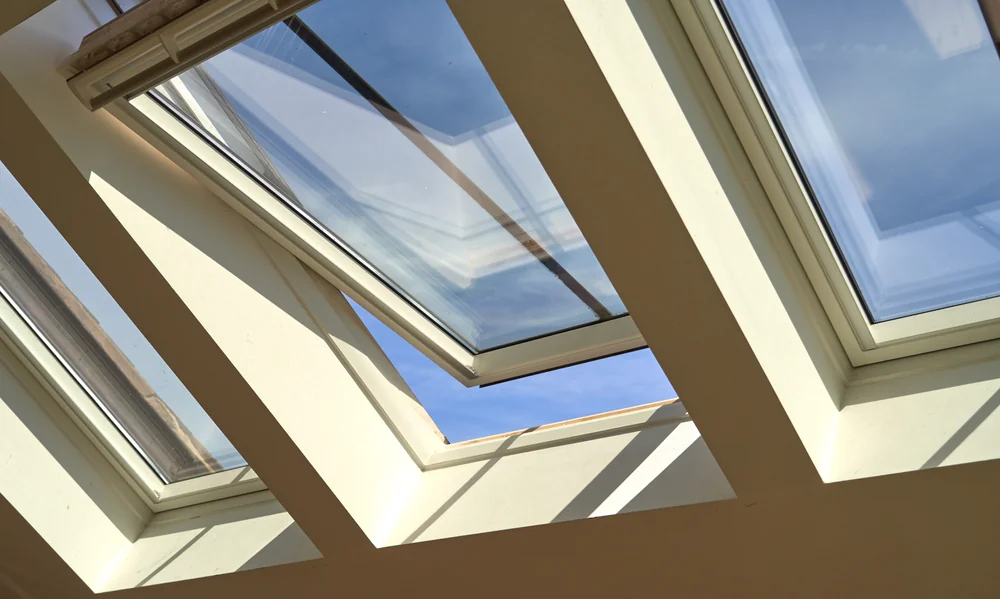
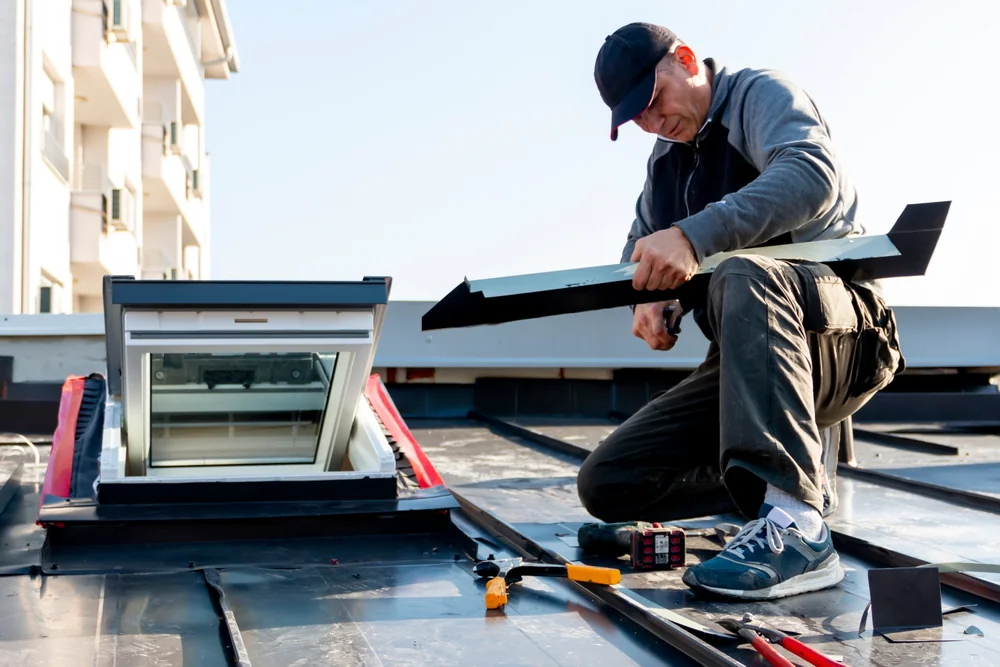
Salt air doesn’t stop at your shingles. It works its way into your gutters, degrades your siding, compromises your chimney flashing, and accelerates wear on every exposed surface. That’s why the scope of what we handle matters here more than it might in a town that doesn’t sit at the intersection of three bodies of water. We cover full roof replacements and repairs, gutter installation and replacement, chimney work, siding, skylights, and deck construction the complete exterior, not just one piece of it.
For roofing specifically, we work with asphalt shingles, cedar shake, and metal roofing systems. Metal roofing is worth a real conversation for Springs properties it handles salt air and nor’easter wind loads better than most materials over the long term, and for second homes or investment properties, the reduced maintenance demand over decades is a meaningful advantage. We’ll give you an honest comparison based on your specific home, not a default recommendation.
If you’re a seasonal homeowner who won’t be present during the work, the photo and video documentation we provide on every job isn’t just a nice extra it’s how you know exactly what was done, what materials went in, and what your roof looks like when we leave. For year-round residents, it’s the same standard. Every job, every time.
In most cases, yes. The Town of East Hampton Building Department requires permits for significant roofing work, and their process is more involved than what you’d encounter in Brookhaven or Islip. A proper application requires a licensed and notarized contractor, workers’ compensation insurance documentation, a property survey, and in some cases energy compliance documentation like a Res-Check. Building Department fees were also updated as of May 2024.
This matters because hiring a contractor who isn’t set up to pull permits in East Hampton Town creates real exposure for you as the homeowner both legally and from an insurance standpoint. If work was done without the required permit and something goes wrong, your homeowner’s insurance may not cover it. We handle the permit process as part of the job, so you’re not left navigating that on your own.
Under good conditions, a properly installed cedar shake roof can last anywhere from 30 to 50 years. In Springs, though, the coastal environment compresses that timeline. The combination of salt air from Accabonac Harbor and Three Mile Harbor, the humidity cycles that come with being surrounded by water, and the freeze-thaw pattern through winter months all accelerate wear in ways that aren’t always visible from the ground.
The practical answer is that lifespan depends heavily on how well the roof has been maintained and whether any underlying issues failed flashing, compromised underlayment, poor ventilation have been addressed along the way. A cedar shake roof that’s been neglected for a few seasons in this environment can deteriorate significantly faster than one that’s had regular attention. Before assuming you need a full replacement, it’s worth having someone who actually knows cedar shake systems take a look and give you an honest read on where things stand.
There’s no single answer that fits every home, but the material conversation in Springs usually comes down to three options: cedar shake, asphalt shingles, and metal roofing. Cedar shake is the traditional choice on older East End homes and holds up well when maintained correctly but it requires more ongoing attention in a coastal environment than it would inland. Asphalt shingles are the most common residential material across Long Island, and modern architectural shingles perform reasonably well, though salt air does accelerate granule loss over time.
Metal roofing is increasingly worth considering for Springs properties, particularly second homes or homes that have already gone through one or two roof replacements. Metal handles wind uplift from nor’easters better than most materials, resists salt air corrosion when properly coated, and requires significantly less maintenance over its lifespan. The upfront cost is higher, but for a home that sits on the water side of the East End, the long-term math often favors it. We can walk you through the comparison based on your specific home and how you use it.
That’s the right question to ask before anyone starts quoting you a job. The honest answer is that it depends on the age of the roof, the extent of the damage, and what’s going on underneath the surface not just what’s visible from the ground or from a quick walk-around.
After a nor’easter, the visible damage missing shingles, lifted flashing, debris impact is usually just the starting point. The more important question is whether the underlayment has been compromised, whether there’s moisture intrusion into the decking, and whether the fasteners holding the system together have been weakened by years of salt air exposure. A roof that looks like it just needs a few shingles replaced can sometimes have structural issues that make a full replacement the more cost-effective long-term answer. We inspect the full system and give you a straight assessment what we’d recommend if it were our own home before any pricing conversation happens.
This is one of the most common situations we work with in Springs. A significant number of homeowners here use their properties seasonally, and coordinating a roofing project from the city or from wherever you are during the week requires a contractor who communicates proactively and documents everything.
On every job, we photograph and video the work from start to finish. That means you get a full visual record of what your roof looked like before we started, what was found during the inspection, what materials were installed, and what the completed work looks like. You don’t have to take our word for it you can see it. We also communicate clearly on timeline and any unexpected findings before we proceed, so there are no surprise charges or decisions made without your input. If the project requires an East Hampton Town permit which most significant roofing work does we manage that process and keep you informed of where things stand. You shouldn’t have to be on-site to feel confident the job was done right.
Roofing costs in Springs vary more than in most parts of Long Island, and a few factors specific to this area drive that. Cedar shake work costs more than asphalt shingle work the material itself is more expensive, and the installation requires more skill and time. Metal roofing carries a higher upfront cost than either, though the long-term maintenance savings often offset that over time. The size and pitch of the roof, the condition of the decking underneath, and whether the project requires a new East Hampton Town permit all factor into the final number.
For a standard asphalt shingle replacement on a typical Springs home, you’re generally looking at a range that reflects both the East End labor market and the permit costs associated with East Hampton Town’s process. Cedar shake replacements run higher. What we can tell you is that every quote from us is written, itemized, and agreed upon before any work begins so the number you see upfront is the number you pay, barring any hidden structural damage we discover and flag to you in writing before proceeding. No vague estimates, no end-of-job additions.
Other Services we provide in Springs