Hear From Our Clients
Living on the North Shore means your roof isn’t just dealing with rain it’s dealing with nor’easters pushing off Long Island Sound, salt air that quietly corrodes fasteners and flashing year-round, and freeze-thaw cycles on hillside properties that turn small issues into leaks before spring even arrives. Most roofing problems in Port Jefferson don’t start with one big storm. They start with granule loss nobody noticed, flashing that’s been slowly failing around a chimney, or a fastener that salt air compromised two winters ago. By the time water shows up inside, the damage has been building for a while.
Getting that addressed properly means more than swapping shingles. It means a contractor who actually looks at what’s underneath the deck, the underlayment, the flashing details and tells you honestly what needs to happen. For homes along East Broadway, up on the hills above the harbor, or anywhere with direct Sound exposure, that kind of thorough assessment isn’t optional. It’s the difference between a fix that lasts and one that sends you back to square one after the next storm rolls through.
When the work is done right, you stop thinking about your roof. That’s the outcome. No more water stains after heavy rain, no more wondering if this is the nor’easter that finally does real damage, no more chasing down a contractor who’s already moved on to the next job.
We’re a family-owned roofing contractor based right here in Brookhaven the same town that Port Jefferson sits within. That’s not a technicality. It means we know how the Village of Port Jefferson’s Building and Planning Department works, we understand the permit process here, and we’ve been working on North Shore homes through enough nor’easter seasons to know what actually fails and why.
Alban, our owner, is on every job. Not checking in actually there. In a village this size, neighbors notice the work and a contractor’s reputation travels fast. When a customer on a recent Port Jefferson project said the job was done on time, at the price quoted, and that Alban was the best contractor they’d ever worked with, that wasn’t a fluke. It’s just how we do the work.
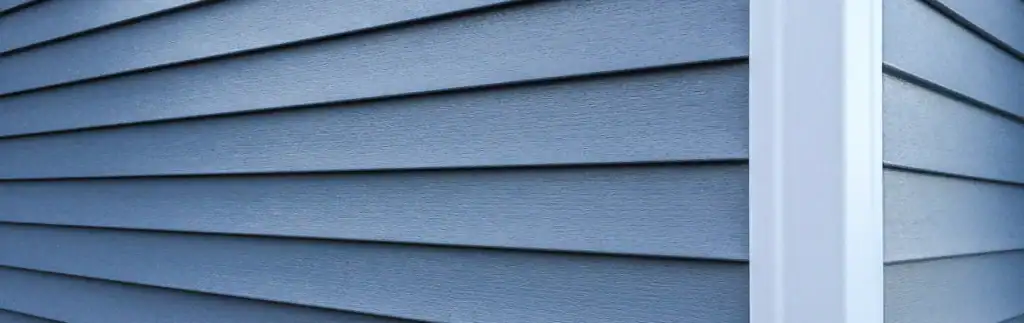
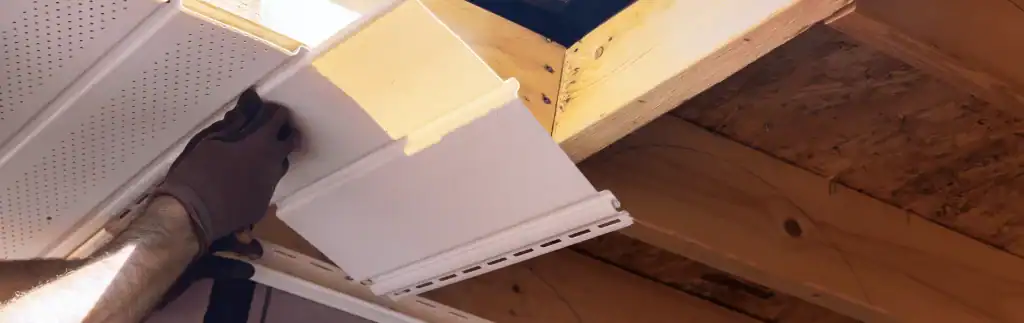
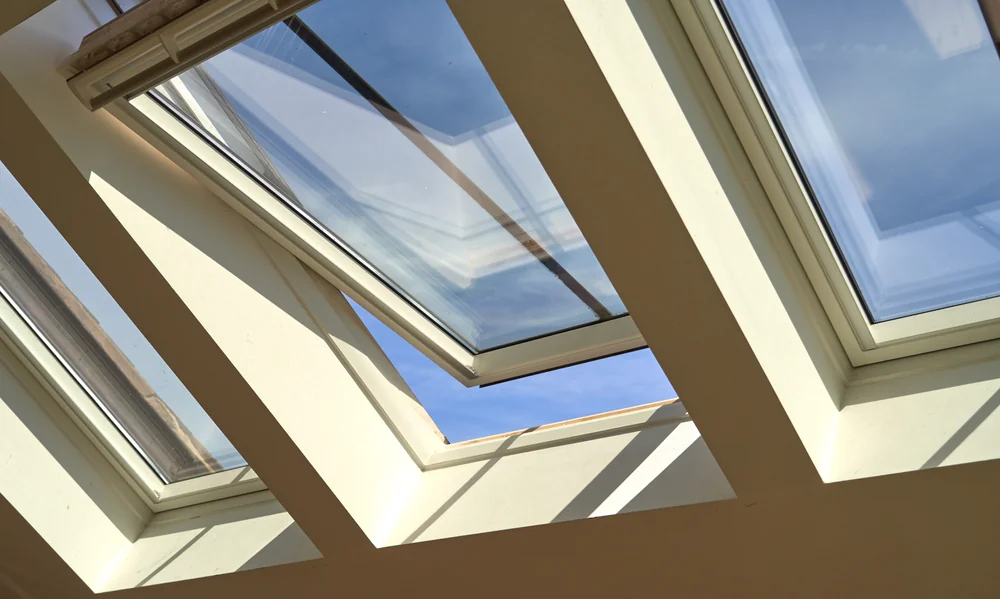
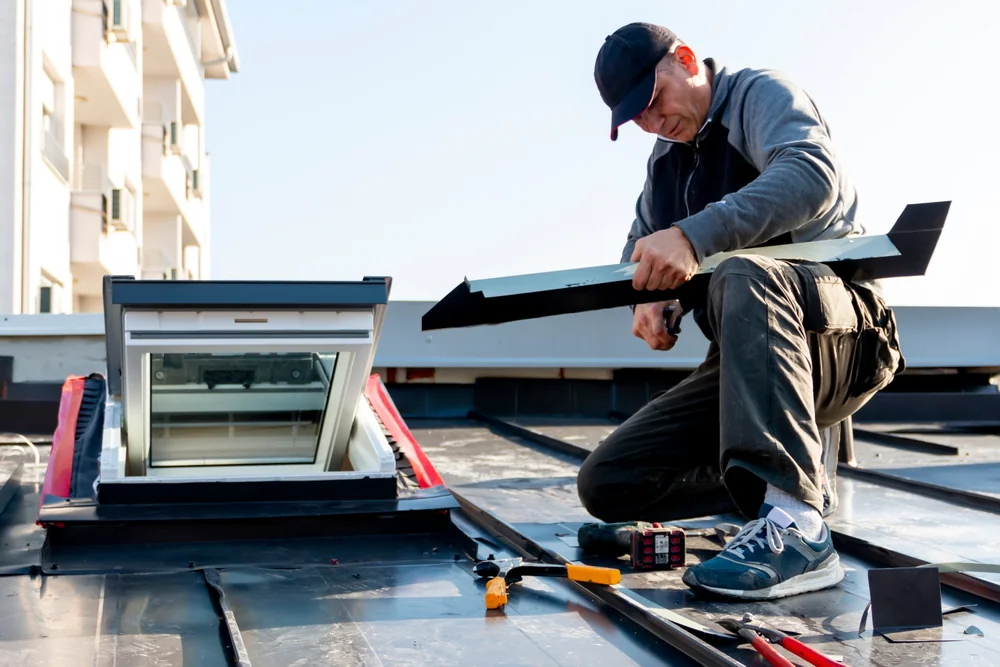
We handle roofing, gutters, siding, chimneys, skylights, and decks the full exterior. One contractor, one point of contact, one person accountable for all of it.
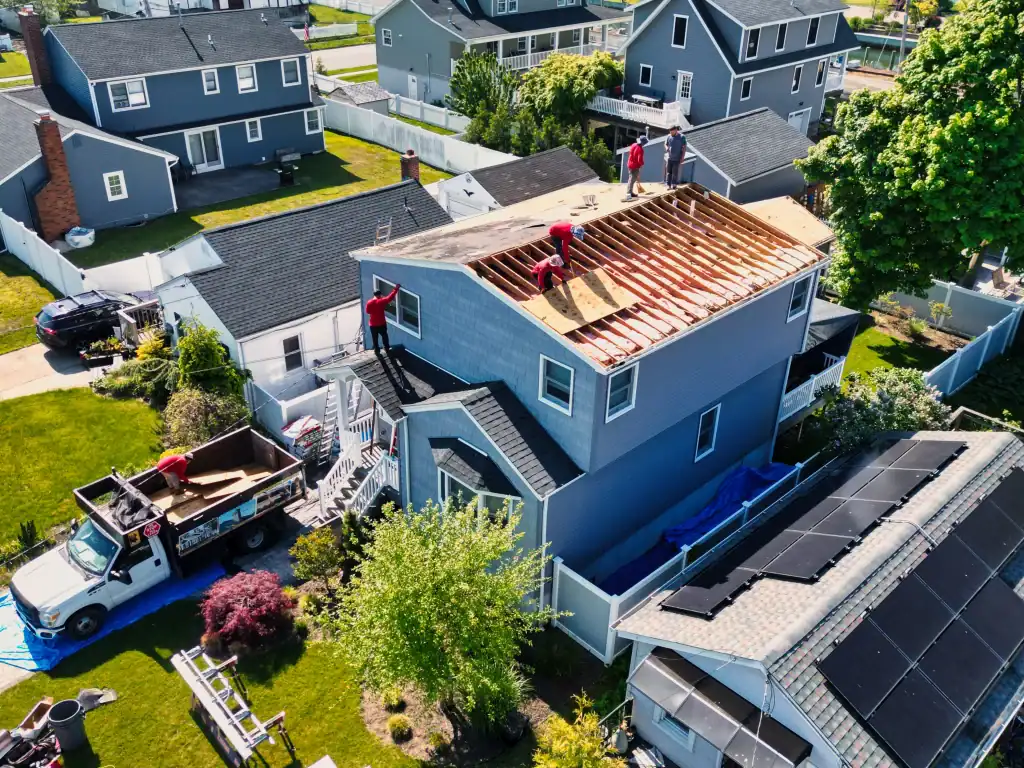
It starts with a real inspection not a quick look from the driveway. We get on the roof, check the deck, examine the flashing around your chimney and any skylights, and look at the underlayment and ventilation. On older homes, especially those in and around Port Jefferson’s historic district where structures can date back to the 1800s, what’s underneath the shingles matters just as much as what’s on top. We document everything with photos and video before we touch a thing, so you have a clear record of the starting condition.
From there, you get a written estimate with real numbers. The price we quote is the price you pay. If we find something unexpected during the job rotted decking, compromised rafters we stop, show you what we found, explain what it means, and get your approval before we continue. No surprises added to the invoice after the fact.
Because Port Jefferson is an incorporated village, roofing permits go through the Village’s own Building and Planning Department not just the Town of Brookhaven. We handle that process. We’re licensed through Suffolk County, fully insured, and we pull the proper permits so your project is clean from start to finish. When the job is done, you get the documentation to prove it.
Ready to get started?
Roofing in Port Jefferson isn’t one-size-fits-all, and we don’t treat it that way. Whether you need a full roof replacement, a targeted repair after storm damage, or a material upgrade that holds up better against the salt air and wind this area sees every season, the scope of work gets tailored to what your home actually needs not a package built around what’s easiest to install.
For most Port Jefferson homes, that conversation includes material selection. Asphalt shingles are the most common choice and perform well when they’re properly specified and installed but for properties with significant harbor or Sound exposure, we’ll walk you through why certain shingle grades, coatings, and underlayment options matter more here than they would for an inland home in Holbrook or Holtsville. Metal roofing is also worth discussing for coastal properties, given its resistance to salt air corrosion and wind uplift. We give you the honest comparison, not a pitch for whatever’s easiest to source.
Beyond the roof itself, we also handle the systems connected to it gutters, flashing, chimneys, skylights, and siding. If your gutters are pulling away from the fascia or your chimney flashing has been leaking for two seasons, fixing the roof without addressing those is just delaying the next problem. We look at the full exterior picture and tell you what we see.
Yes and the permit process in Port Jefferson is different from most of Suffolk County because Port Jefferson is an incorporated village with its own Building and Planning Department. Permits for roofing work here go through the Village of Port Jefferson’s office directly, not just the Town of Brookhaven. Before any work can begin, the contractor needs to provide proof of their Suffolk County contractor license and current insurance to the Village. A New York State Home Improvement Contractor license is also required for any roofing work in Suffolk County.
This is one of the details that separates contractors who actually work in Port Jefferson from those who just show up here. If someone tells you they’ll “handle the permit through the Town,” that’s a sign they don’t know how the village operates. We pull the proper permits through the correct office, submit the required documentation, and make sure your project is fully compliant before we start. That protects you both legally and in terms of your homeowner’s insurance coverage.
The honest answer is that you often can’t tell from the ground and that’s exactly the problem. After a nor’easter comes through Port Jefferson, the visible stuff like missing shingles or obvious gaps is easy to spot. But the damage that causes the most expensive problems later is usually the kind you can’t see: lifted shingle edges that reseal temporarily but have broken the adhesive bond, fasteners that shifted under wind load, or flashing around your chimney or skylights that got pushed just enough to let water in under the right conditions.
A proper post-storm inspection means getting on the roof and looking at the actual surface, the flashing details, the ridge, and the valleys not just confirming that the shingles are still there. We photograph everything we find, which also gives you documentation if you need to file a homeowner’s insurance claim. Given how directly Port Jefferson sits in the path of North Shore nor’easters, having that kind of inspection record after a significant storm is genuinely useful not just for the current claim, but as a baseline for future ones.
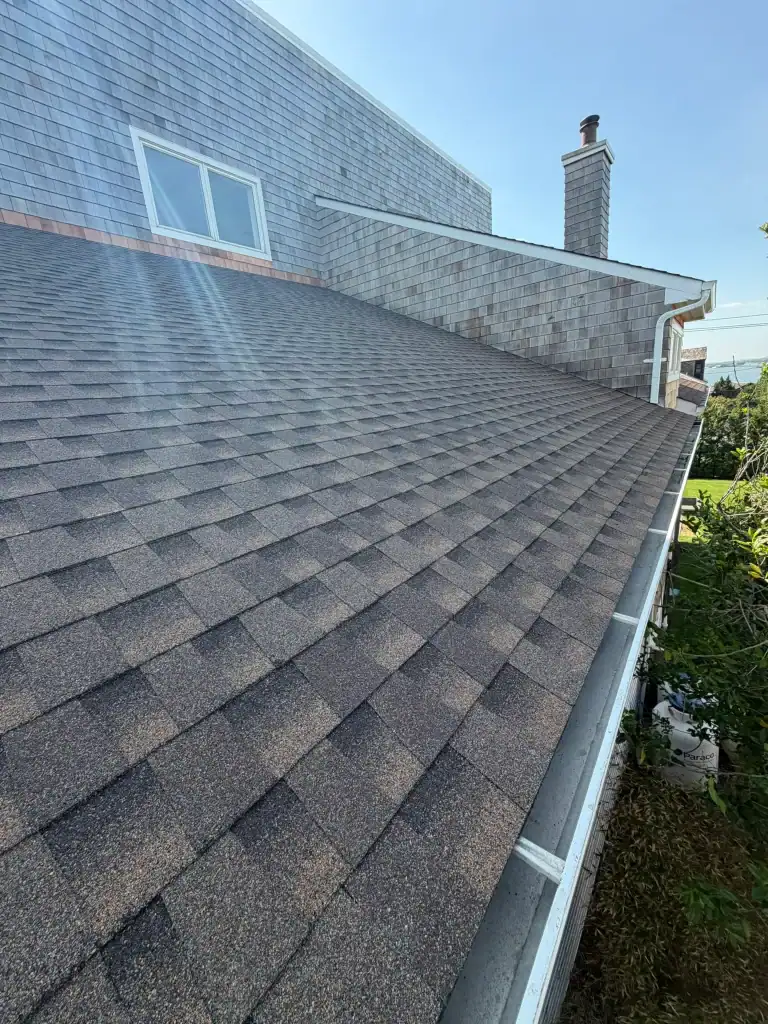
For most Port Jefferson homeowners, architectural asphalt shingles are still the most practical choice but the grade and installation details matter significantly more here than they would for an inland address. In a coastal harbor environment, granule quality, fastener type, and the quality of the underlayment and ice-and-water barrier all affect how long the roof performs. A shingle that’s rated for a 30-year lifespan in a protected inland location may degrade faster on a property with direct Sound or harbor exposure.
Metal roofing is worth serious consideration for homes with significant coastal exposure, particularly those on the elevated streets above the harbor or on waterfront lots. With the right coating, metal roofs resist salt air corrosion, handle wind uplift better than asphalt in high-wind conditions, and require less maintenance over time. The upfront cost is higher, but the performance gap in a coastal environment is real. We’ll give you an honest comparison based on your specific property, your exposure level, and your budget not a recommendation built around what’s fastest for us to install.
For a standard asphalt shingle replacement on a typical Port Jefferson single-family home, you’re generally looking at a range somewhere between $9,000 and $18,000 depending on the size of the roof, the pitch, the material grade, and what’s found underneath when the old shingles come off. Homes in Port Jefferson’s historic district or older neighborhoods near the harbor often have additional variables original roof deck boards instead of plywood sheathing, older flashing that needs full replacement, or chimney structures that require masonry work alongside the roofing job. Those factors affect the final number.
What we can tell you is that the estimate you get from us reflects the actual scope of the job. We don’t quote low to win the work and then find reasons to add to the invoice once we’re on your roof. The price we put in writing is the price you pay, and if we find something unexpected during the job, we explain it and get your approval before we continue. In a market where homes are valued close to $750,000 and the work is going on an asset you’ve invested in, that kind of transparency isn’t a bonus it’s the baseline.
Ice dams form when heat escaping from the living space warms the upper portion of the roof, melts the snow sitting on it, and then that water refreezes when it reaches the cold eaves that extend past the heated envelope of the house. The resulting ice dam traps water on the roof surface and forces it under the shingles, where it can get into the roof deck, the wall framing, and eventually the interior of the home.
Port Jefferson’s hillside topography makes this worse than it is in flatter areas. North-facing roof slopes on elevated properties above the harbor are particularly vulnerable because they stay cold longer and don’t get the sun exposure that would help even out the temperature differential. Older homes in the village especially those in and around the historic district often have attic insulation and ventilation that wasn’t designed to modern standards, which means more heat loss through the roof deck and a higher likelihood of ice dam formation. The real fix is improving attic insulation and ventilation so the roof surface stays uniformly cold in winter. Proper installation of an ice-and-water barrier at the eaves is also a code requirement in New York and a critical line of defense when ice dams do form.
Start with the basics: any roofing contractor working in Suffolk County is required to hold a New York State Home Improvement Contractor license and carry current liability insurance and workers’ compensation coverage. Before you sign anything, ask for both. A contractor who hesitates or gives you a reason why you don’t need to see those documents is not someone you want on your roof. The Village of Port Jefferson’s Building and Planning Department also requires contractors to submit proof of licensing and insurance before permits are issued so if a contractor is telling you they’ll skip the permit, that’s a separate red flag entirely.
Beyond the paperwork, the questions that actually tell you the most are simpler: How long have they been working in Port Jefferson specifically? Can they show you photos of recent jobs on North Shore homes? Do they give you a written estimate before work starts, and does it include a clear breakdown of materials and labor? In a village this size, asking a neighbor who they used and whether they’d call them again is still one of the most reliable filters available. What you’re looking for is a contractor who’s been around long enough to have a track record here, is transparent about pricing before the job starts, and is reachable after the work is done.
Other Services we provide in Port Jefferson