Hear From Our Clients
A roof that’s been properly assessed, repaired, or replaced doesn’t just stop leaking it stops costing you money in ways you don’t immediately see. No more water stains creeping down the ceiling after a nor’easter. No more wondering whether last month’s storm opened something up on the back slope. You just know it’s handled.
For Mastic Beach specifically, that peace of mind carries extra weight. The homes here most of them converted bungalows built between the 1930s and 1970s were never designed to take decades of salt air off Moriches Bay. Granules wear faster. Metal fasteners corrode before they should. Flashing separates at corners that catch wind from the water. A roof that might last 25 years in Medford might give you 15 here, and most homeowners don’t find out until there’s already damage behind the walls.
Getting ahead of that isn’t about spending more than you have to. It’s about knowing what you’re actually dealing with before it turns into a bigger problem. That starts with an honest assessment not a sales pitch and a clear number before any work begins.
We’re based in Brookhaven the same town that governs Mastic Beach and we’ve been doing exterior work across Suffolk County for over a decade. That’s not a coincidence. It means the same permit office, the same coastal conditions, and the same storms that affect your home are the ones we work around every week.
The business is owner-operated, which means when Alban shows up, you’re talking to the person responsible for the result. Not a salesperson handing it off to a crew. Not a regional chain running volume. Someone who has built a repeat customer base in Mastic Beach and surrounding communities specifically because the work holds up and the communication is straight.
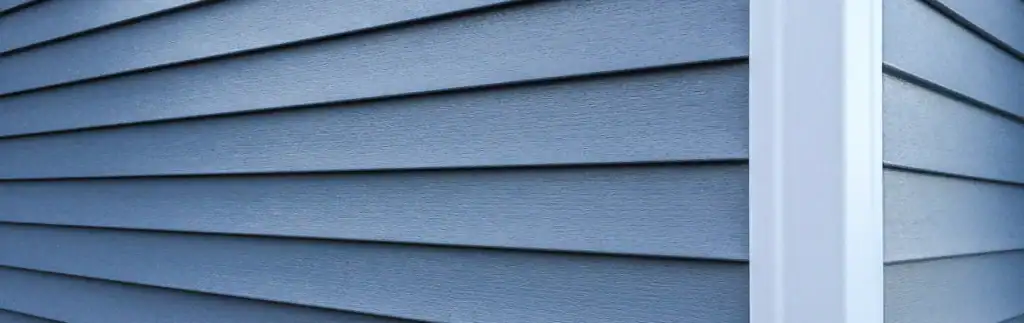
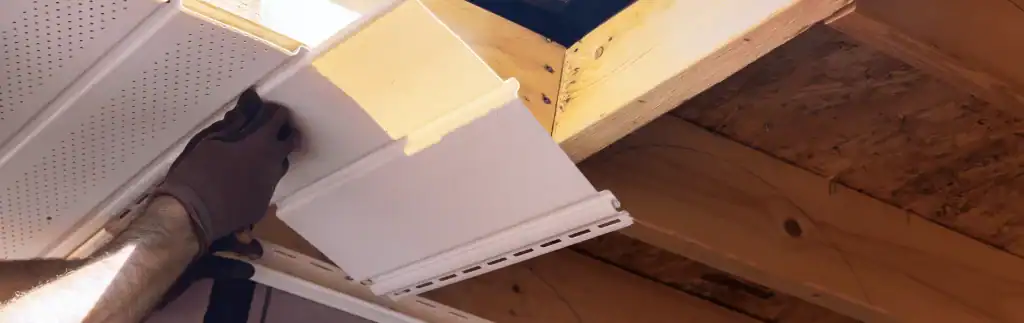
From roof repair and replacement to gutters, siding, chimneys, and decks one call covers your whole exterior. For homes in the William Floyd area that are dealing with multiple aging systems at once, that matters.
It starts with a roof assessment. We look at what’s actually happening up there shingle condition, flashing integrity, any signs of moisture intrusion or structural wear and we tell you what we found in plain language. If it needs repair, we say repair. If it needs replacement, we say that too. You’ll know the difference and why before any decision is made.
From there, you get a written price. Not a range, not an estimate that climbs once work starts a number. If we open something up and find hidden damage that changes the scope, we stop, show you what we found, and get your sign-off before continuing. That’s how it works on every job.
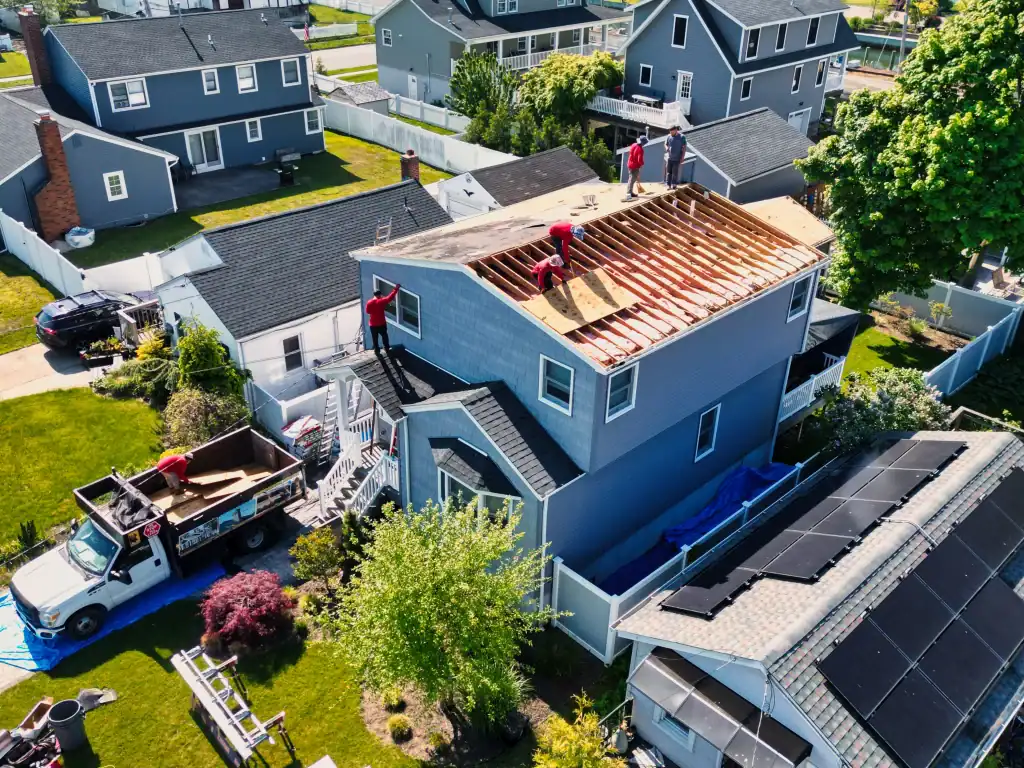
Once the work is underway, we document everything with photos and video. For most Mastic Beach homeowners, getting up on the roof to verify what we did isn’t realistic so we bring the proof to you. When the job is finished, you’ll have a complete record of every section of work. In a community that’s seen its share of contractors who disappeared after cashing the check, that documentation isn’t a bonus it’s the baseline.
For permitted work, we handle the Brookhaven Building Division process. You don’t need to figure out what filings are required or what inspections apply under the New York State Uniform Fire Prevention and Building Code. We know it, and we take care of it.
Ready to get started?
Roofing in Mastic Beach isn’t a one-size situation. The right material depends on your home’s age, your roof’s current condition, your exposure to bay-side wind and salt air, and how long you want the result to last.
For most homes in this area, architectural shingles rated for high wind uplift 130 MPH or better are the baseline recommendation. Algae-resistant coatings matter here too, because the combination of coastal humidity and warmth accelerates growth on standard shingles faster than you’d see even a few miles inland. If your home sits on one of the waterfront blocks along Moriches Bay, or if you’ve replaced shingles twice in the last 20 years and want a more permanent answer, metal roofing is worth a real conversation. It handles salt air corrosion and storm-force wind differently than asphalt, and the long-term math often works out in its favor.
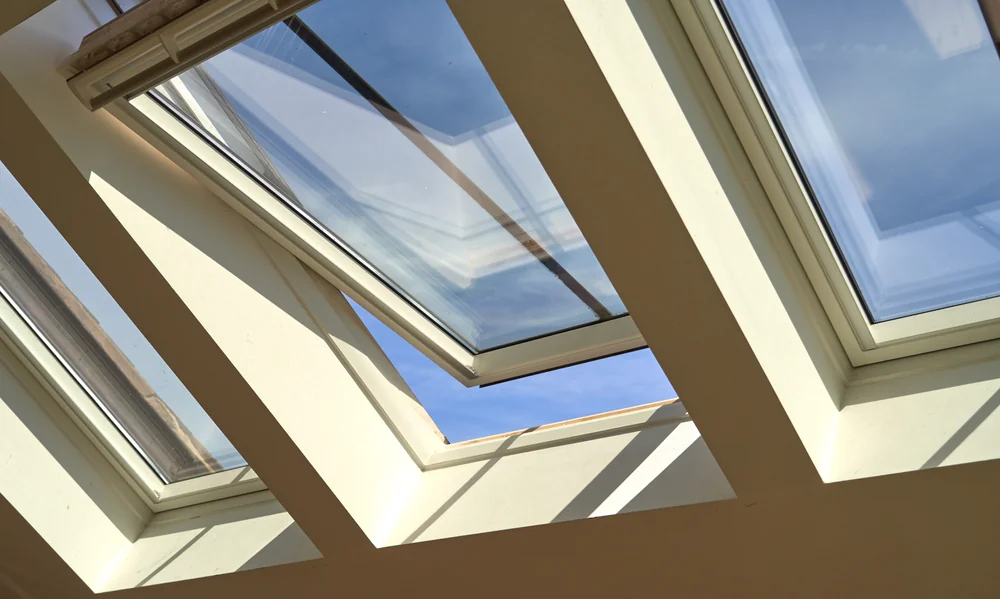
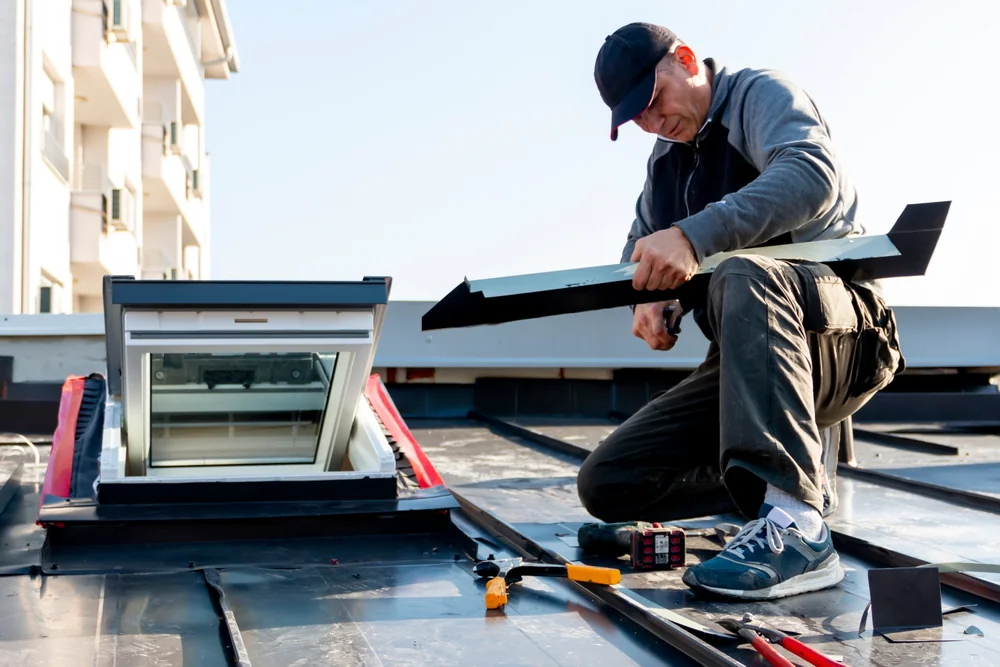
Beyond the roof surface itself, the details that get skipped are usually where the problems start. Flashing around chimneys, skylights, and pipe penetrations. Drip edge installation at the eaves and rakes. Ridge ventilation that actually works with your attic setup. These aren’t upsells they’re the difference between a roof that performs and one that fails at the first seam during the next October storm. We cover all of it, and we explain what we’re doing and why before we do it.
The honest answer is that it depends on how much of the roof is compromised, not just where the leak is showing up. A single area of failed flashing or a handful of cracked shingles after a storm is usually a repair. But if you’re seeing granule loss across most of the surface, multiple areas of shingle lifting, or moisture that’s reached the decking beneath that’s a replacement conversation.
In Mastic Beach, the timeline compresses faster than most homeowners expect. Salt air off Moriches Bay accelerates granule loss and corrodes the metal components that hold everything together. A roof that’s 12 to 15 years old in this community may already be performing like an 18 to 20 year old roof in an inland town. We’ll give you a straight read on what we find during the assessment repair when repair makes sense, replacement when patching is just delaying the inevitable.
For most homes in Mastic Beach, architectural asphalt shingles rated for 130 MPH wind uplift with an algae-resistant coating are the right starting point. They handle the wind load from the bay, resist the mold and algae growth that coastal humidity accelerates, and perform well on the ranch and Cape Cod-style homes that make up most of the housing stock here.
If you want a longer-term answer especially on a waterfront property or a home that’s replaced shingles more than once in the last two decades metal roofing is worth considering. It doesn’t corrode from salt air the way standard fasteners and flashing do, and it holds up to wind uplift and storm-driven rain in ways that asphalt simply can’t match over a 30 to 40 year horizon. The upfront cost is higher, but the replacement cycle is dramatically longer. We’ll walk you through both options and give you real numbers so you can make the call that fits your situation.
Yes roofing work in Mastic Beach falls under the Town of Brookhaven Building Division, which administers the New York State Uniform Fire Prevention and Building Code. A permit is required for roof-over work and full replacements. The permit is valid for one year from the date of issue, and a final inspection is required upon completion.
If your property sits in a FEMA AE or VE flood zone and significant portions of Mastic Beach do, given the community’s position on the peninsula and its history as an NFIP repetitive-loss area there may be additional compliance considerations depending on the scope of structural work involved. We handle the permit process as part of every applicable job. You don’t need to navigate the Brookhaven Building Division on your own or figure out which inspections apply. That’s part of what we do.
For a standard single-family home in Mastic Beach, a full asphalt shingle roof replacement generally runs between $8,000 and $16,000 depending on the size of the roof, the pitch, the condition of the decking underneath, and the materials selected. Homes with steeper pitches, multiple penetrations like chimneys or skylights, or decking that needs replacement due to moisture damage will land toward the higher end of that range.
Metal roofing costs more upfront typically $15,000 to $25,000 or more depending on the system but the lifespan in a coastal environment like Mastic Beach often makes the long-term cost comparable to replacing asphalt shingles twice over the same period. Emergency repairs for storm damage start around $300 to $500 for tarping and initial assessment. We give you a written price before any work begins, so there’s no ambiguity about what you’re agreeing to.
After a significant nor’easter the kind that comes through Mastic Beach from October through March the most common damage isn’t always visible from the ground. You’re looking for lifted or missing shingles along the ridge and eaves, which is where wind gets under the surface first. Flashing separation around the chimney, skylights, or any roof penetrations is another common failure point, especially on older homes where the flashing was already marginal before the storm hit.
Inside the house, water stains on ceilings or in the attic are the clearest sign something opened up. If you have attic access, look for daylight coming through or any signs of moisture on the decking or insulation. The tricky part is that damage from a storm in October may not show up as a visible leak until the next heavy rain weeks later, by which point moisture has already had time to work into the structure. If you had a significant storm come through and you’re not sure what happened up there, an inspection is worth it catching it early is always cheaper than waiting.
In most cases, yes homeowners insurance covers sudden storm damage to your roof, including wind damage from nor’easters and hurricane remnants that regularly affect Mastic Beach. What it typically does not cover is damage that resulted from gradual wear, deferred maintenance, or pre-existing conditions that weren’t addressed. That distinction matters a lot in a community where many homes have aging roofs that were already showing wear before a storm came through.
The key is documentation. If you file a claim, your insurer will send an adjuster, and the outcome often depends on how clearly the damage can be tied to the storm event rather than underlying deterioration. Having a contractor assess and document the damage before or alongside the adjuster visit gives you a much clearer picture of what happened and when. We provide photo and video documentation on every job, which can support the claims process if you need it. If you’re in a FEMA flood zone, note that standard homeowners insurance does not cover flood damage that requires a separate NFIP or private flood policy.
Other Services we provide in Mastic Beach