Hear From Our Clients
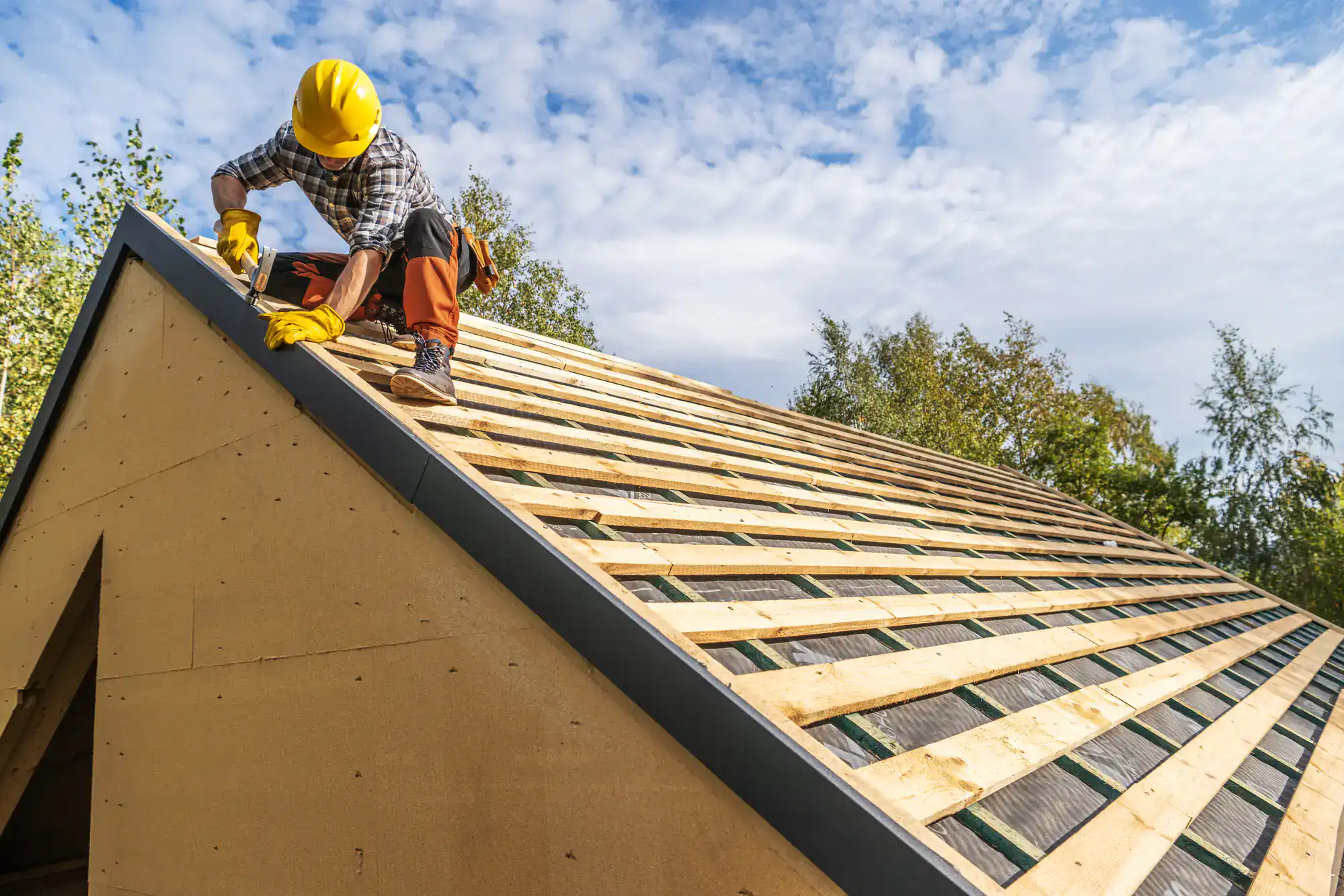
Most West Hills homes were built in the 1950s and 1960s. That’s a lot of years, a lot of winters, and a lot of freeze-thaw cycles working against the materials keeping water out of your home. When the roofing is done properly right materials, right installation, right flashing you stop managing the problem and start forgetting it exists.
The tree canopy in West Hills is one of the things that makes the neighborhood feel the way it does. It’s also one of the biggest contributors to roof deterioration that homeowners don’t see coming. Shaded north-facing slopes grow moss and algae faster than you’d expect, debris builds up in valleys and gutters, and branches that look fine in July can come down hard in an October storm. A properly installed and inspected roof accounts for all of that not just the shingles on the sunny side.
And when you’re sitting on a home worth $700,000 or more, the stakes of getting this wrong are real. A leak that gets ignored becomes rotted decking. Rotted decking becomes a structural conversation. Getting it right the first time with documented work, permitted installation, and materials rated for Long Island weather is the only version of this that makes financial sense.
We’ve been working across Suffolk County for over a decade. The jobs in West Hills tend to be older homes on large lots colonials, split-levels, high ranches with steep pitches and multiple penetrations. That’s not a complaint. It’s exactly the kind of work that separates contractors who know what they’re doing from ones who are learning on your roof.
Every project gets documented with photos and video before, during, and after. You’ll see the condition of your decking, your flashing, your ridge. You won’t have to take anyone’s word for anything. That matters especially in a community like West Hills, where the rooflines are complex and the homes have history.
Our owner is hands-on from the first call. That’s not a talking point it’s just how the business runs. When you’re dealing with a home near Jayne’s Hill or anywhere along the wooded roads off Route 110, you want someone who actually shows up, not a crew dispatched from a call center two counties away.
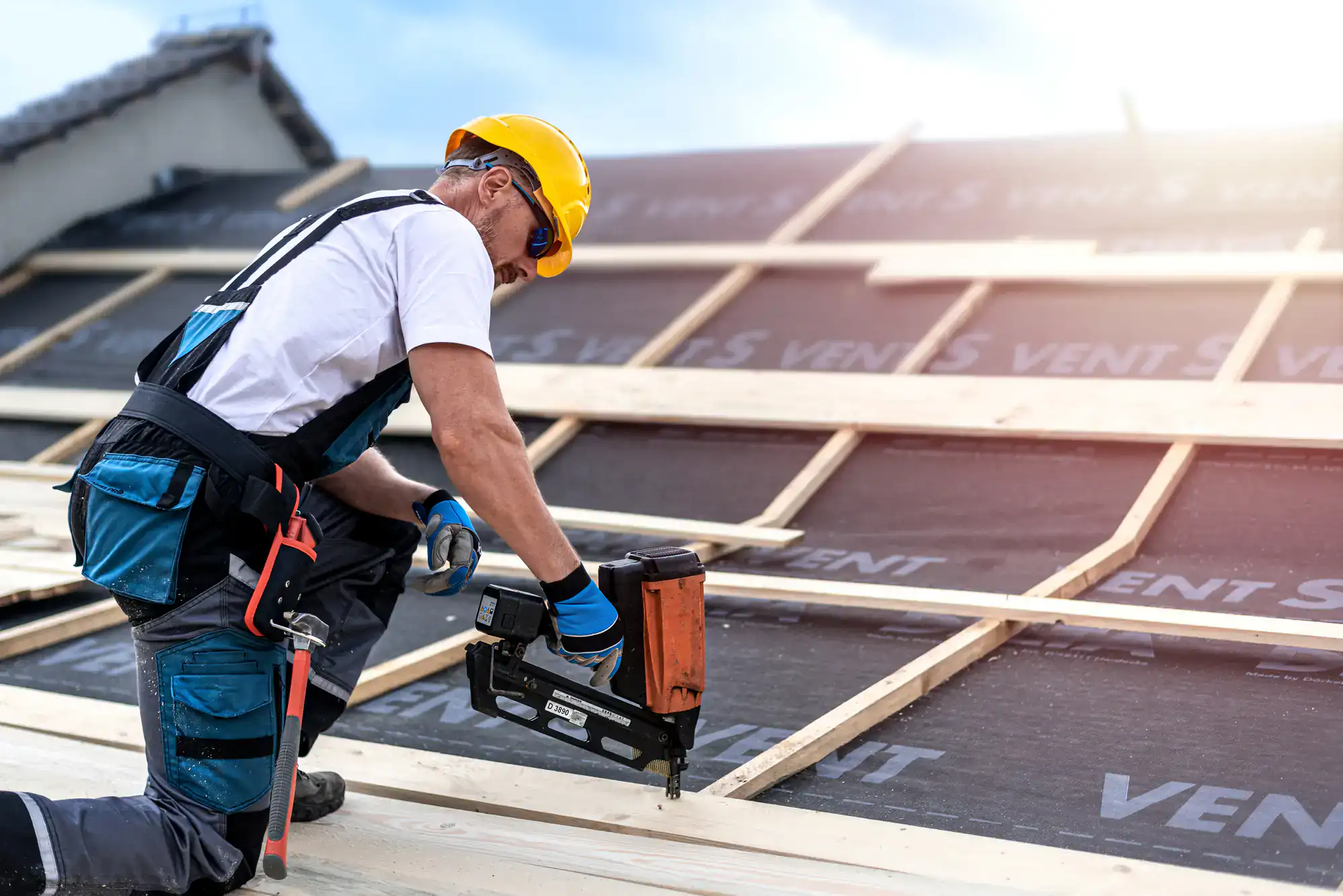
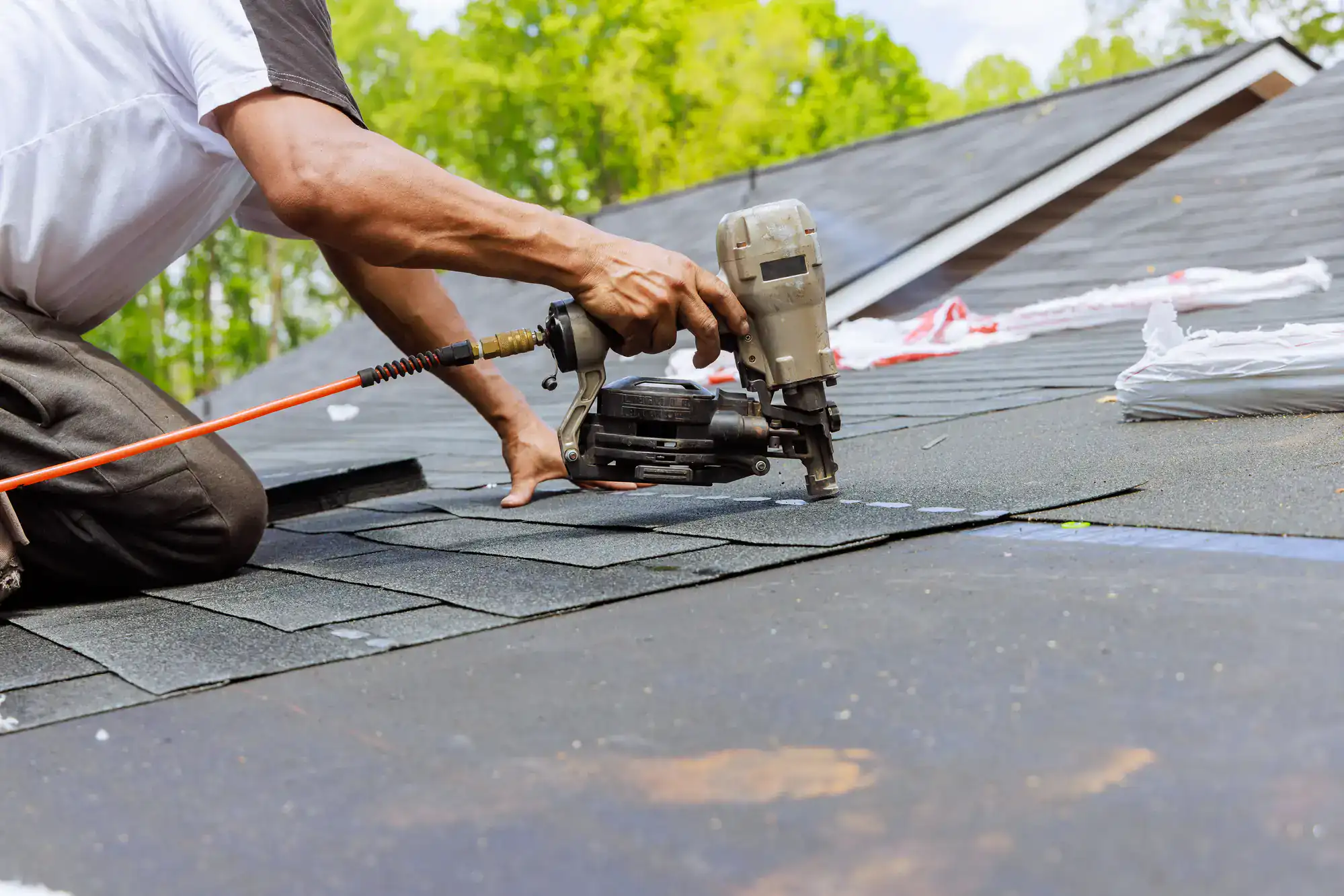
It starts with a real inspection not a quick walk around the perimeter. On a West Hills home, that means getting up on the roof and looking at the things that actually fail: flashing around chimneys and dormers, the condition of the decking beneath the shingles, how the valleys are holding up, and whether the ventilation is doing what it needs to do in winter. Older homes in this area often have issues hiding under the surface that cheaper contractors either miss or ignore.
After the inspection, you get a written price. Not a range, not an estimate that grows a number. If the inspection turns up something that changes the scope, we walk you through it before anything moves forward. That’s the only way this works fairly for both sides.
Once the work starts, we handle the permit with the Town of Huntington Building Department. That’s not optional, and it’s not a formality it protects your ability to sell the home, file an insurance claim, and keep your warranty intact. The job gets done, inspected, and documented. You get the photos. You get the paperwork. And you get a roof that’s built to take what Long Island winters actually bring.
Ready to get started?
Roofing is the core of what we do, but it’s rarely the only thing a West Hills home needs at the same time. Gutters fail alongside aging roofs. Chimney flashing deteriorates on the same timeline as the shingles around it. Skylights that were installed twenty years ago start letting water in right around the time the rest of the roof does. We handle all of it roofing, gutters, chimneys, siding, skylights, and decks so you’re not coordinating four different contractors for what is really one project.
For roofing materials, most West Hills homeowners are choosing between architectural asphalt shingles and metal roofing. Asphalt shingles installed with wind-rated fastening and proper ice barrier underlayment as required by New York State code are the most common choice and perform well on Long Island when installed correctly. Metal roofing is a longer-term investment, typically lasting 50 years or more, and it’s worth a real conversation for any high-value home where the owner plans to stay long-term or wants to eliminate the replacement cycle entirely.
Everything we install is permitted through the Town of Huntington, warrantied by the manufacturer, and backed by our workmanship. If something isn’t right, you call the same number you called the first time.
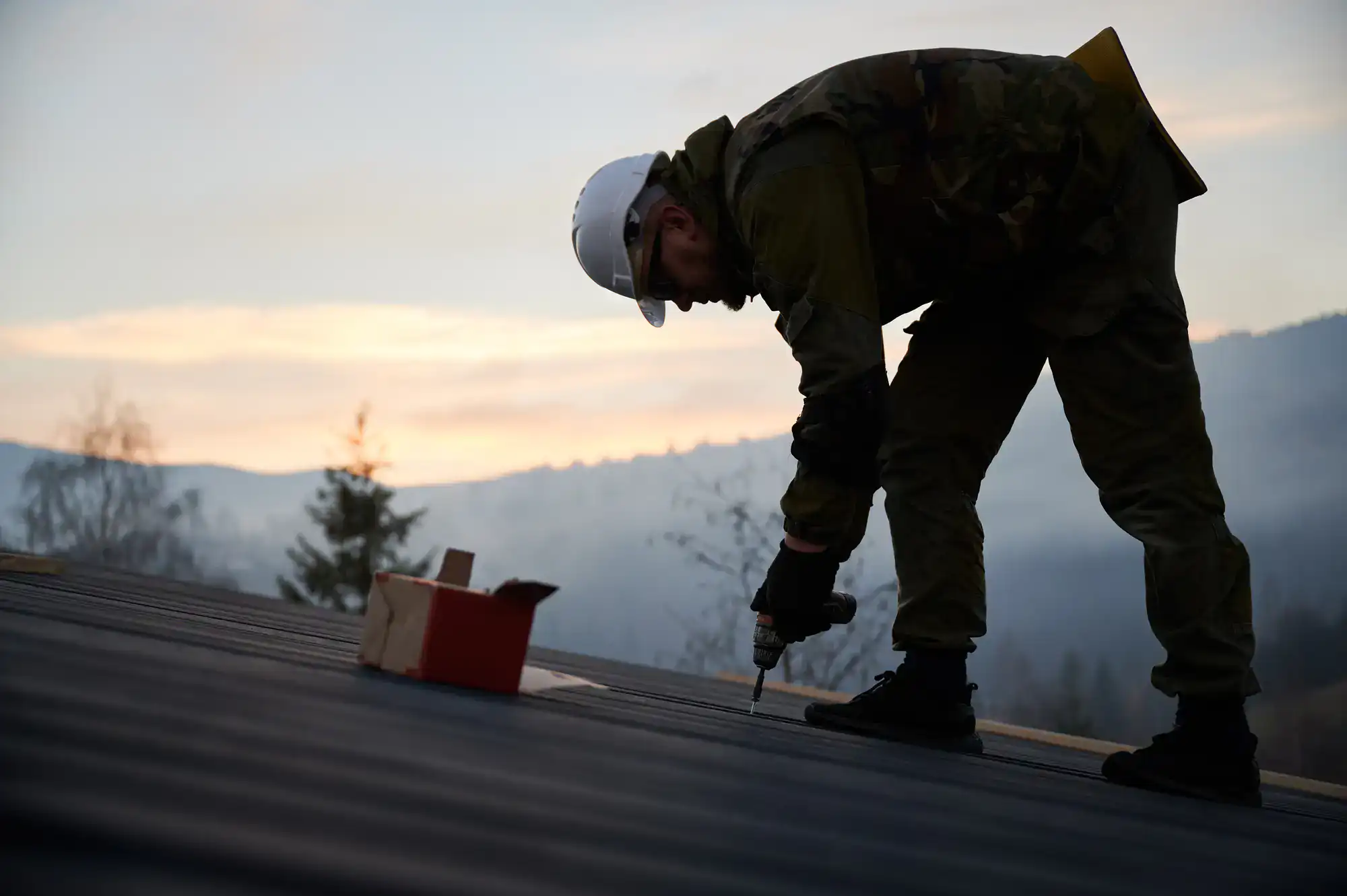
Yes a full roof replacement in West Hills requires a permit through the Town of Huntington Building Department. This isn’t just a bureaucratic step. The permit ensures the work is inspected, code-compliant, and on record with the town. If you ever sell your home, your buyer’s attorney will look for that documentation. If you file an insurance claim after a storm, your carrier may ask for it. Skipping the permit to save a few days is one of the most common ways homeowners end up with problems down the road that cost far more to fix than the permit ever would have.
New York State also requires ice barrier underlayment in areas with a documented history of ice dam formation which applies directly to West Hills given its inland elevation and older housing stock. A contractor who isn’t pulling permits in Huntington isn’t accounting for those code requirements either. We handle the entire permit process, from application to final inspection, so you don’t have to think about it.
Standard architectural asphalt shingles, properly installed, last between 25 and 30 years under normal conditions. In West Hills, “normal conditions” includes freeze-thaw cycles every winter, heavy debris from the mature tree canopy, and nor’easters that test the fastening and flashing on every roof in the area. Shaded sections especially north-facing slopes under the tree cover common in this neighborhood tend to age faster because moss and algae growth accelerates granule loss in ways that aren’t always visible from the ground.
If your home was built in the 1950s or 1960s and has had one prior replacement, there’s a real chance you’re approaching the end of that roof’s useful life whether it’s leaking yet or not. The time to address it is before the damage shows up inside the house, not after. An inspection will tell you where things actually stand and it costs nothing to find out.
Ice dams form when heat escapes through an inadequately insulated or ventilated attic, melts the snow sitting on the upper roof, and that water refreezes when it hits the cold eaves. The ice builds up and forces water back under the shingles, into the decking, and eventually into the home. You’ll often see it first as a water stain on an interior ceiling near an exterior wall, or as icicles forming along the roofline that are thicker than they should be.
West Hills is particularly susceptible because of its inland elevation the community sits on glacially formed hills, and elevated terrain loses heat faster than lower-lying areas. Older homes in the area were built before modern insulation and ventilation standards, which means the attic conditions that create ice dams are common. Fixing the damage without addressing the underlying ventilation problem just means you’ll be dealing with it again next winter. We look at both when we’re on a roof the symptom and the cause.
For a typical single-family home in West Hills, a full asphalt shingle roof replacement generally runs between $12,000 and $22,000 depending on the size of the roof, the pitch, the number of penetrations (chimneys, skylights, dormers), and the condition of the decking underneath. Homes in this area tend to be larger, on bigger lots, with more complex rooflines than average which puts many West Hills jobs toward the middle or upper end of that range.
Metal roofing costs more upfront typically $18,000 to $35,000 or more for a full replacement but it lasts two to three times as long and eliminates the replacement cycle for most homeowners. On a home worth $700,000 to $900,000, that math often makes sense. The only way to give you an accurate number is to actually look at your roof. We’ll give you a written price after the inspection one that doesn’t change unless we uncover something structural that we both agree needs to be addressed before we proceed.
The honest answer is that you often can’t tell from the ground especially on the steep-pitched colonials and split-levels common in West Hills. Missing shingles are obvious. But the damage that causes real problems is usually subtler: lifted tab edges that let water migrate underneath, cracked or displaced flashing around chimneys and dormers, granule loss from hail impact, or small punctures from falling branches in the wooded areas throughout the neighborhood.
After any significant storm a nor’easter, a summer thunderstorm with hail, or a wind event it’s worth having someone get up there and look. We document everything with photos, so you’re not relying on a verbal description of what was or wasn’t found. If there’s damage that qualifies for an insurance claim, having that documentation ready before you call your carrier is the difference between a smooth process and a disputed one. Don’t wait for a ceiling stain to find out what the storm did.
The practical reason is accountability. A local contractor who works regularly in the Town of Huntington knows the permit process, knows the building department, and has a reputation in the area that depends on doing the job right. A larger company or a storm-chasing crew that shows up after a nor’easter and disappears six months later doesn’t have that same stake in the outcome.
West Hills homes also have specific characteristics older construction, complex rooflines, mature tree canopy, elevated terrain that benefit from a contractor who has actually worked on similar homes in this area. The houses here aren’t cookie-cutter, and the work shouldn’t be either. We’ve been serving Suffolk County homeowners for over ten years, and the repeat business from customers who call back for gutters, siding, and skylights after a roofing job is the clearest signal of whether the first job was done right. That track record doesn’t happen by accident.
Other Services we provide in West Hills