Hear From Our Clients

You’re done chasing water stains on your ceiling every spring. Done calling contractors back because the flashing failed again. Done wondering if this winter will be the one where your chimney finally gives out completely.
A proper chimney replacement in West Hills, NY means you get marine-grade materials that actually hold up against coastal humidity and salt air. The kind of installation that doesn’t crack when temperatures swing forty degrees in a weekend. Your heating system works efficiently because air isn’t escaping through gaps that temporary fixes can’t seal.
Your home value stays protected. Your family stays safe from carbon monoxide risks. And you stop throwing money at a problem that should have been solved the first time.
We’ve spent over a decade solving chimney problems for West Hills, NY homeowners who are tired of contractors who don’t understand what coastal weather does to masonry. We’re licensed, we’re local, and we know exactly why your chimney keeps failing.
Most chimneys in West Hills were built between 1940 and 1969. That’s sixty to eighty years of salt air, freeze-thaw cycles, and storms that have broken down mortar joints and compromised structural integrity. We see the same patterns in every neighborhood around here.
We use stainless steel liners that won’t corrode, marine-grade flashing that maintains its seal, and mortars specifically designed for high-moisture environments. That’s how you build a chimney that lasts on Long Island.
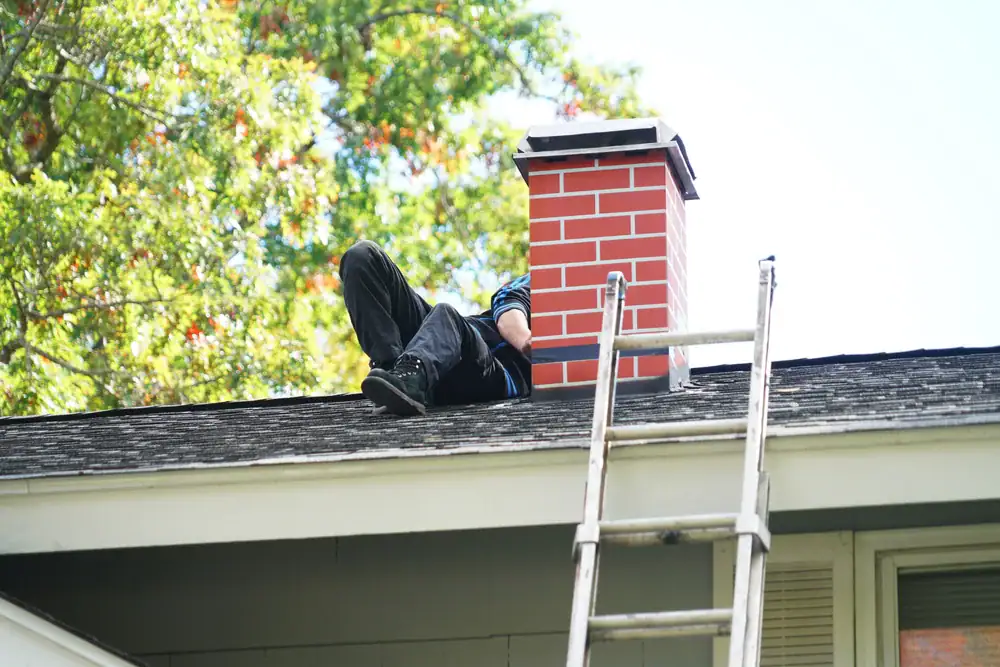
We start with a full inspection to document what’s failing and why. You get photos, measurements, and a clear explanation of what needs replacement versus what can stay. No upselling components that are still sound.
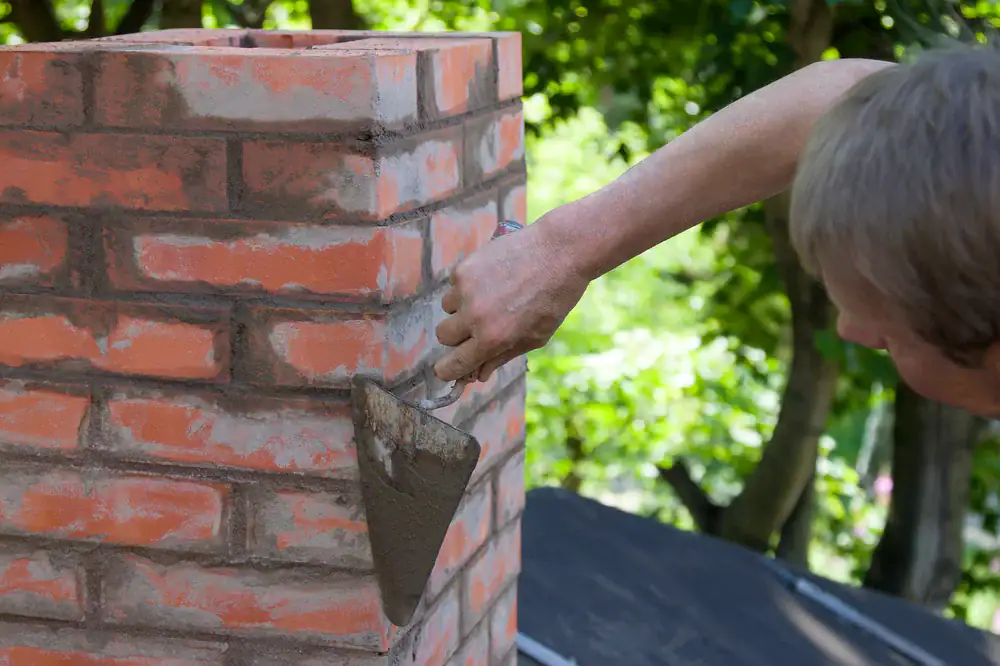
The old chimney comes down carefully to protect your roof structure and interior. We assess the foundation and make any necessary repairs before rebuilding. Then we install your new chimney stack using materials rated for coastal environments—high-grade masonry that resists salt damage, stainless steel liners that won’t corrode, and flashing systems designed to handle Long Island weather.
Every chimney liner replacement and chimney flashing replacement gets done to current building codes. We handle the inspections and final approvals. You get a complete, code-compliant system with warranties covering both labor and materials.
The whole process typically takes three to five days depending on the extent of the work. We protect your home throughout, clean up completely, and walk you through maintenance that keeps your new chimney performing for decades.
Ready to get started?
Your chimney replacement includes everything from foundation to cap. We’re talking full chimney stack replacement with masonry designed for marine environments, not standard materials that break down in salt air.
You get a stainless steel chimney liner that won’t corrode from coastal humidity. Marine-grade aluminum or stainless steel flashing that actually maintains its seal through temperature swings. A chimney cap replacement that keeps water, animals, and debris out while allowing proper ventilation.
West Hills sits in Suffolk County where forty-five hurricanes have hit since 1930. Your replacement needs to handle that reality. We use mortars with additives that resist salt crystallization—the process where salt particles penetrate joints, expand, and crack masonry from the inside out. We install flashing systems that flex with your roof’s movement instead of tearing loose during storms.
Every component gets selected based on proven performance in Long Island’s challenging climate. That’s the difference between a chimney flue replacement that lasts fifteen years and one that needs major repairs in five.

Complete chimney replacement in West Hills typically runs between $8,000 and $15,000 depending on height, accessibility, and the extent of work needed. That covers full demolition, disposal, rebuilding with marine-grade materials, new liner and flashing systems, and all required inspections.
Partial rebuilds cost less—usually $1,000 to $5,000—but only make sense if the damage is isolated to the upper sections and your foundation is solid. Most chimneys we see in West Hills need complete replacement because decades of coastal weather have compromised the entire structure.
Compare that to repeated repairs. Emergency fixes run $1,000 to $4,000 each time. If you’re calling someone out every few years for leaks, cracking, or flashing failures, you’ll spend more over ten years than you would on one proper replacement. Plus you’re living with an inefficient, potentially dangerous system the whole time.
Replace when you’re seeing multiple problems at once—leaking, visible cracks in the masonry, tilting or leaning, and deteriorating mortar joints. That combination means the damage goes deeper than surface repairs can fix.
If your chimney is leaning or showing structural instability, replacement is your only safe option. Same if you’ve had multiple repair attempts that failed within a few years. That pattern tells you the underlying structure is compromised.
Age matters too. Most homes in West Hills were built between 1940 and 1969. If your chimney is original to a home from that era and you’re dealing with recurring problems, the freeze-thaw cycles and salt air have done cumulative damage that repairs can’t reverse. You’re better off replacing once with materials designed for coastal conditions than paying for fixes that don’t last.
Salt air is the biggest culprit. Salt particles from ocean winds settle on your masonry, penetrate the brick and mortar, then expand through a process called chloride-salt crystallization. That expansion creates pressure from inside the material, causing cracks and deterioration you can’t see until it’s advanced.
Freeze-thaw cycles hit harder here because of coastal humidity. Water gets into those tiny cracks, freezes, and expands by nine percent. That creates tremendous internal pressure. When it thaws, more water seeps deeper into the enlarged cracks. Every winter this cycle repeats and the damage compounds.
Long Island gets hit by nor’easters and hurricanes regularly—forty-five hurricanes since 1930 in Suffolk County alone. That constant battering from wind-driven rain overwhelms flashing systems and finds every weak point in your chimney. Standard materials and installation methods that work fine inland don’t hold up under these conditions.
Material selection makes the difference. Stainless steel liners resist corrosion from humid, salt-laden air. Marine-grade flashing—aluminum or stainless steel—maintains seal integrity despite constant weather exposure. Mortars with specific additives resist salt penetration and the crystallization that destroys standard mortar.
Installation quality matters just as much. Flashing needs to integrate with your roof system properly, with enough flexibility to handle expansion and contraction without tearing. The chimney cap needs adequate overhang and a design that sheds water away from the stack. Joints need to be tooled correctly to prevent water infiltration.
Proper waterproofing is critical but often skipped. We apply breathable sealers that let moisture escape from inside the masonry while blocking water from penetrating the surface. That prevents the trapped moisture that leads to freeze-thaw damage. These details add cost upfront but they’re what separates a chimney that lasts decades from one that needs major work in five years.
Most chimney replacements take three to five days from start to finish. Day one is typically demolition and disposal of the old chimney. Days two and three involve rebuilding the stack, installing the liner, and integrating the flashing system. Days four and five cover finishing work, cleanup, and final inspections.
Weather can extend the timeline. We need dry conditions for mortar to cure properly, and we won’t work in high winds when we’re handling materials on your roof. Late spring through early fall gives us the most consistent working conditions.
Complex jobs take longer—if we discover foundation issues, if your roof needs repairs before we can proceed, or if you’re replacing an especially tall chimney. We’ll give you a realistic timeline upfront based on what we find during inspection. The work happens in stages with natural stopping points, so you’re never left with an open hole in your roof overnight.
Yes. Chimney replacement in West Hills, NY requires permits and inspections to meet Suffolk County building codes. We pull the permits, schedule the inspections, and handle all the paperwork. That’s included in your project cost.
Building codes exist for good reasons—they ensure your new chimney is structurally sound, properly vented, and safe to use. Inspectors check the foundation, verify the liner installation, examine the flashing integration, and confirm the cap is installed correctly. We build to code from the start, so inspections are straightforward.
You’ll receive documentation showing your chimney passed all required inspections. That matters for insurance purposes and for resale value down the road. It also gives you confidence that the work was done right, not just that it looks good from the ground.
Other Services we provide in West Hills