
Hear From Our Clients
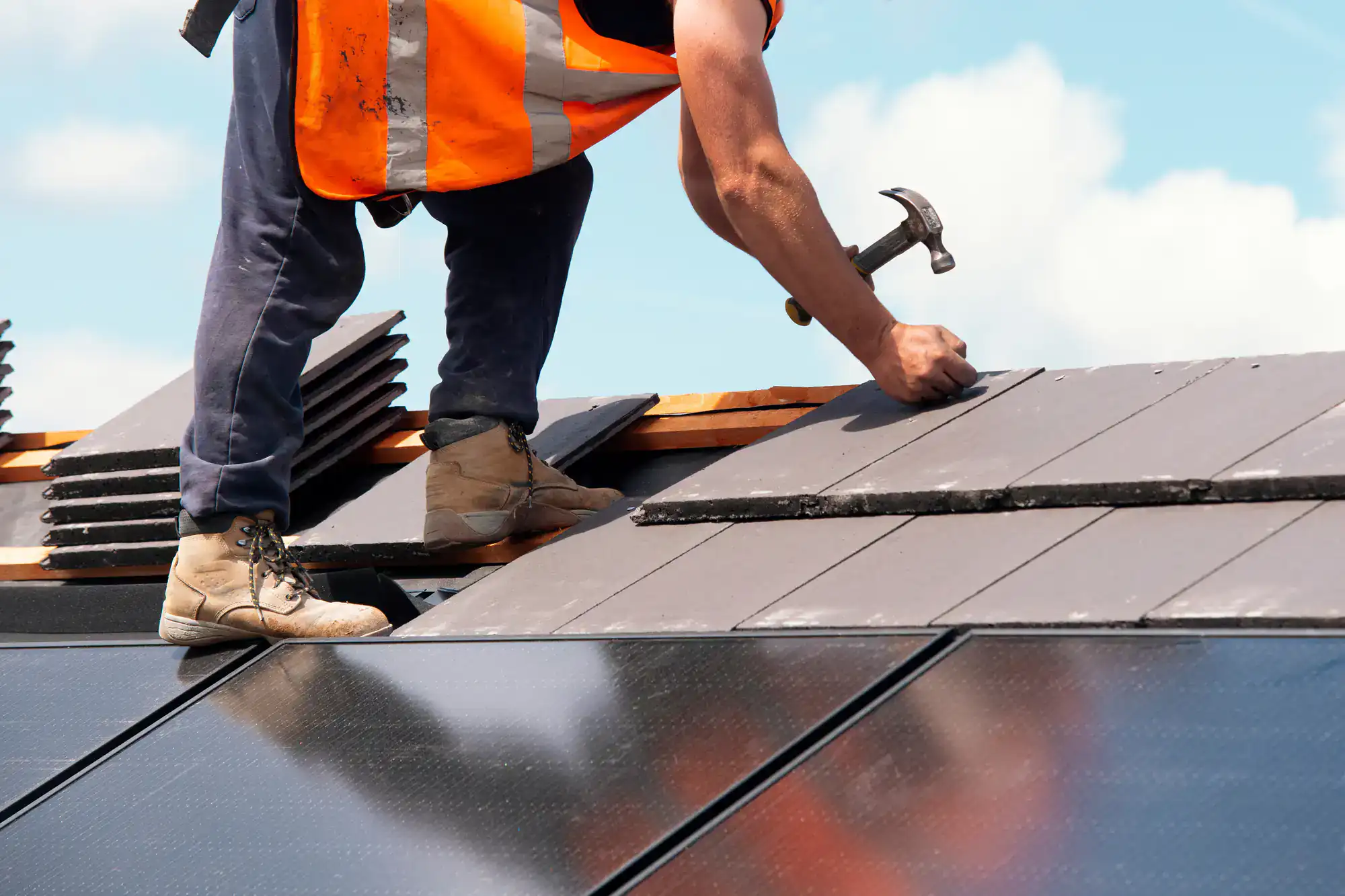
The median home in Middle Island was built around 1979. That means a lot of roofs out here have been through decades of nor’easters, freeze-thaw cycles, and summers that push past 90 degrees more often than they used to. A patch job might buy you a season. A proper repair or replacement buys you peace of mind for the next 20 to 30 years.
Middle Island’s wooded, inland environment adds its own layer of wear. Overhanging trees from the Cathedral Pines area drop debris, hold moisture against your shingles, and make moss and algae growth a real issue on older roofs. That kind of slow, steady damage doesn’t show up as a dramatic leak it shows up as soft decking, failing flashing, and granules clogging your gutters.
And because most homeowners here are commuting 30-plus minutes each way every day, you’re often not around when work is being done. Every project we complete gets fully documented with photos and video so when you pull back onto Middle Country Road after work, you can see exactly what happened on your roof while you were gone. No guessing. No wondering if the job was done right.
We’re a family-owned roofing contractor based in Brookhaven, NY the same town that governs Middle Island. That matters more than it sounds. We pull permits through the Town of Brookhaven’s building division, we know the inspection process, and we’ve been working on homes throughout central Suffolk County for over a decade. We’re not coming in from Nassau County or driving out from the East End. We’re local in the most literal sense.
The homes we work on in Middle Island whether it’s a colonial near Birchwood at Spring Lake, a ranch off Swezeytown Road, or a townhouse in Coventry Manor are the same style, same age, and same construction as the homes we’ve been servicing for years. We know what’s under those shingles. And when something unexpected comes up, we tell you in writing before we touch it.
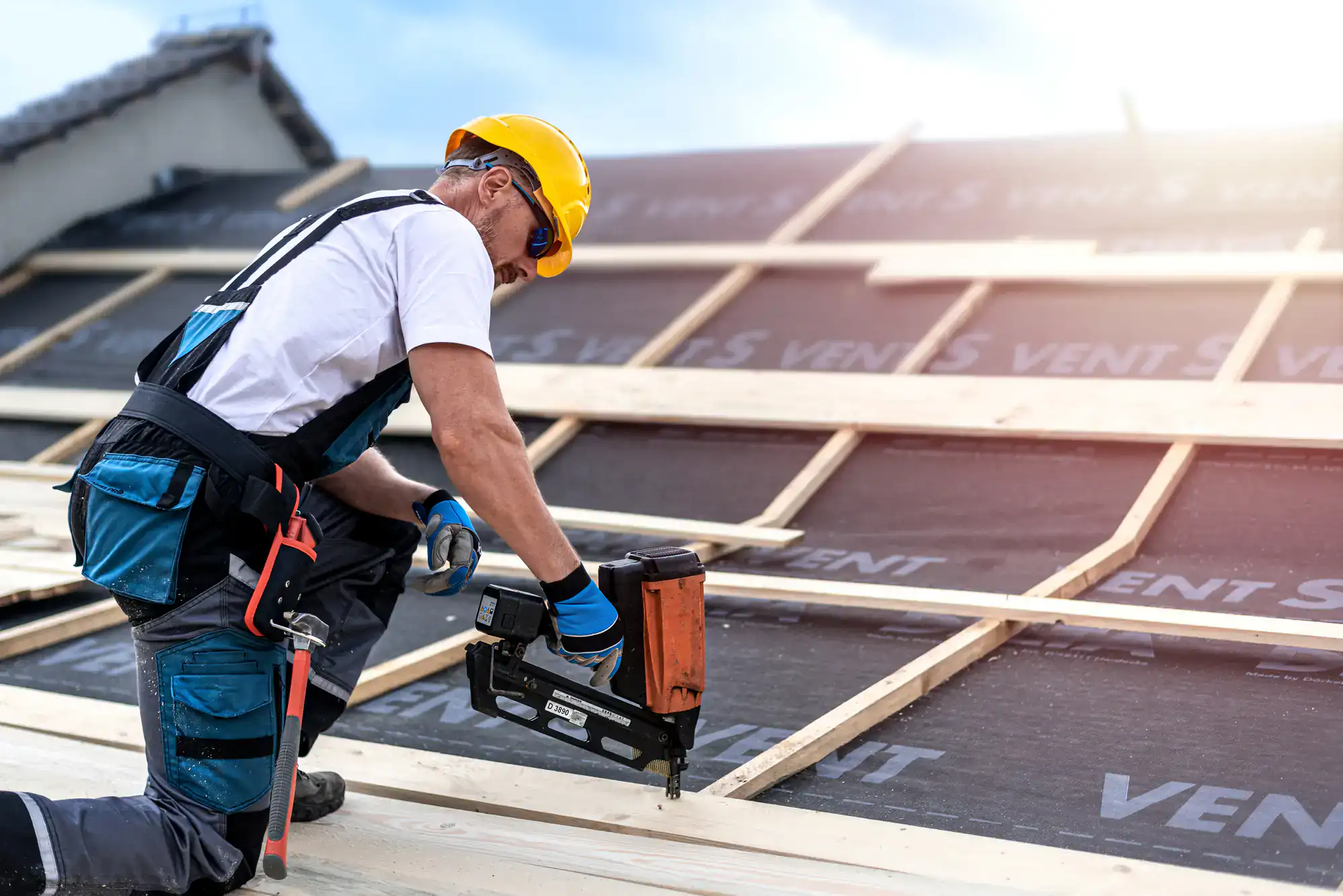
It starts with a straightforward assessment. We come out, get on the roof, and give you an honest read on what’s there not a sales pitch designed to push you toward the most expensive option. If a repair makes sense, we’ll tell you. If the roof is past the point where a repair is worth it, we’ll explain why and show you what we’re seeing.
Once you decide to move forward, we handle the permitting through the Town of Brookhaven’s building division before any work begins. Roofing work in Brookhaven including roof overs and alterations requires a permit, and skipping that step creates real problems when you go to sell your home. We file it, we track it, and we don’t start tearing off shingles until everything is in order.
The job itself is thorough. We remove the old material, inspect the decking for rot or damage which is common on homes from the 1970s and 1980s and address anything that needs attention before the new roof goes on. Fall and spring tend to be the busiest seasons in Middle Island, when homeowners are either prepping for nor’easter season or assessing what winter left behind. We’ll give you a realistic timeline based on where we are in the season and what your roof actually needs.
Ready to get started?
Roofing is the core of what we do, but most homes in Middle Island that need a new roof also have gutters pulling away from the fascia, chimney flashing that hasn’t been touched in 20 years, or siding that’s been patched more times than anyone can count. We handle roofing, gutters, siding, chimneys, skylights, and decks all under one roof, so to speak.
For roofing specifically, we work with asphalt shingles, metal roofing, and flat roof systems depending on what your home needs. Shingle replacement is the most common job we do in Middle Island, given the age of the housing stock and the wear that comes from this area’s inland freeze-thaw cycles and summer heat. Metal roofing has become a more popular option for homeowners who want a longer-lasting solution and fewer maintenance concerns over time.
Everything we do comes with upfront pricing before the job starts. The number we quote is the number you pay. If we find something unexpected under the old roof rotted decking, compromised rafters we stop, document it, and walk you through the additional cost before proceeding. No ambush invoices. That’s just how we run jobs, and it’s why the same homeowners in the Longwood area call us back when they’re ready for gutters or siding.
Yes and it’s not optional. Middle Island falls under the Town of Brookhaven’s jurisdiction, and roofing work including full replacements and roof overs requires a permit through Brookhaven’s building division. Applications go through the town’s online portal, and a certificate of occupancy is required for completed work.
The reason this matters beyond just following the rules: unpermitted roofing work can become a serious issue when you go to sell your home. Buyers’ attorneys and home inspectors in Suffolk County routinely check permit history, and a gap in the record for major work can delay or derail a closing. We pull the permit before we start and handle the inspection process on your behalf that’s part of the job, not an add-on.
The honest answer depends on the age of the roof, the extent of the damage, and what’s happening underneath the shingles not just on the surface. A roof that’s 15 years old with a few missing shingles after a storm is usually a repair. A roof that’s 30 or 40 years old with granule loss, soft spots, and water stains on the ceiling is almost always a replacement conversation.
In Middle Island, where a significant portion of the housing stock was built in the 1970s and 1980s, we see a lot of roofs that have been patched over the years without ever addressing the underlying issues. The decking is soft, the underlayment is shot, and the flashing around the chimney or skylights has been failing quietly for years. When we come out, we’ll tell you exactly what we’re seeing and if a repair genuinely makes sense, that’s what we’ll recommend.
For most homes in Middle Island, architectural asphalt shingles are the most practical choice they’re durable, widely available, and cost-effective for the size and style of homes common in this area. A quality architectural shingle rated for high wind resistance is worth the modest price difference over standard three-tab shingles, especially given how frequently nor’easters track through central Suffolk County.
Metal roofing is a strong option if you’re planning to stay in the home long-term and want a roof that can last 40 to 50 years with minimal maintenance. It handles freeze-thaw cycles well, sheds snow and debris more easily than shingles which matters given the tree canopy in many Middle Island neighborhoods and is more resistant to the heat stress that comes with Long Island summers. The upfront cost is higher, but the long-term math often works in its favor for homeowners who aren’t planning to move.
For a standard single-family home in Middle Island a ranch or colonial in the 1,500 to 2,500 square foot range a full tear-off and replacement typically takes one to two days once the crew is on site. That timeline can extend if we find rotted decking that needs to be replaced, which is not uncommon on homes from the 1970s and 1980s. We won’t know for certain until we pull the old material, but we’ll give you a realistic estimate upfront based on what we can assess before the job starts.
Permitting adds time to the overall project timeline, but it runs in the background we submit the application before scheduling the job, so by the time we’re ready to start, the permit is typically already in hand. The best windows for roofing in Middle Island are late spring through early fall, when dry weather and longer days allow for clean installations. If you’re dealing with an active leak heading into nor’easter season, we’ll prioritize getting you covered as quickly as the permit process allows.
Ice dams form when heat escaping through your roof deck melts snow near the ridge, and that water runs down and refreezes at the colder eaves. The ice backs up under your shingles and forces water into the home often showing up as ceiling stains or wet insulation in the attic. It’s a problem that gets worse with age, because older roofs tend to have less effective underlayment and ventilation than what’s installed today.
Middle Island’s inland position makes this more of a concern than it is for some coastal communities. Without the ocean’s moderating influence on overnight temperatures, the freeze-thaw cycle here is more pronounced warm afternoons followed by hard freezes are common from December through March. If your home is in the Longwood area or anywhere with significant tree cover, ice dams can also be fed by snow that slides off branches and accumulates at the eaves. Proper attic ventilation and quality ice-and-water shield underlayment at the eaves are the two most effective defenses, and both are standard in how we install roofs.
For a typical single-family home in Middle Island, a full asphalt shingle replacement generally runs between $8,000 and $18,000 depending on the size of the roof, the pitch, the material selected, and what we find once the old shingles come off. Homes with multiple layers of existing shingles, rotted decking, or complex rooflines dormers, skylights, chimneys will land toward the higher end of that range. Metal roofing runs higher, typically starting around $15,000 and going up from there based on the system and the scope.
The most important thing to know is that the quote we give you before the job starts is the number you pay. If we open up the roof and find something that changes the scope which does happen on older homes we document it and walk you through the cost before doing anything additional. Suffolk County property taxes in Middle Island average over $8,500 a year, and we know homeowners here aren’t looking for financial surprises on top of that. Upfront pricing is just how we operate.
Other Services we provide in Middle Island