Roofer in Stony Brook University, NY

North Shore Roofs Built to Outlast the Next Nor'easter

If your roof has taken hits from Long Island winters and you’re not sure what’s actually holding up there, you’re not alone. We serve the Stony Brook University area with straight answers, upfront pricing, and roofing work that’s built to last not just until the next storm rolls in off the Sound.
A person uses a nail gun to install asphalt shingles on a house roof in Suffolk County, NY, surrounded by trees. Roofing materials and tools are scattered nearby.

Hear From Our Clients

A construction worker wearing a white hard hat and camouflage gear uses a power drill on a rooftop during sunset in Suffolk County, NY.

Roofing Services Stony Brook University, NY

What Changes When Your Roof Is Actually Done Right

There’s a version of this where you call a roofer after a nor’easter, they patch something, and you’re back on the phone six weeks later when the same spot is leaking again. That’s not a roofing solution that’s a delay. What you actually want is someone who looks at the whole picture, tells you what’s wrong, and fixes it in a way that holds up through the next February.

For homes along the North Shore near Stony Brook University, that means understanding what the environment is actually doing to your roof. Salt air drifting in off Long Island Sound doesn’t just affect the shingles you can see it works on the metal flashings, fasteners, and drip edges underneath, often quietly, over years. By the time you notice a problem from inside the house, there’s usually more going on than a single shingle. A contractor who knows this area knows where to look.

The housing stock in the Three Village area older Colonials, post-war ranches, homes that haven’t had a full roof replacement since the ’80s or ’90s carries its own set of considerations. Chimney flashings, valleys, and complex roof geometries on older homes need more than a generic approach. When the work is done right, you stop thinking about your roof. That’s the actual outcome worth paying for.

Roofing Contractor Stony Brook University, NY

Ten Years on the North Shore, One Standard of Work

We’re a family-owned, owner-operated roofing and exterior contractor based in Brookhaven the same town that covers the Stony Brook University area. Alban, our owner, is the person who shows up to quote your job, oversees the crew, and answers the phone when you have a question. That’s not a policy it’s just how we run things.

For over a decade, we’ve been working on homes throughout Suffolk County’s North Shore, including the Three Village area, Old Field, and the residential neighborhoods near Stony Brook University along Route 25A. We know the Town of Brookhaven’s permit process, we understand what coastal conditions do to roofing systems over time, and we document every project with photos and video so you can see exactly what was done even if you weren’t home when the crew was on your roof.

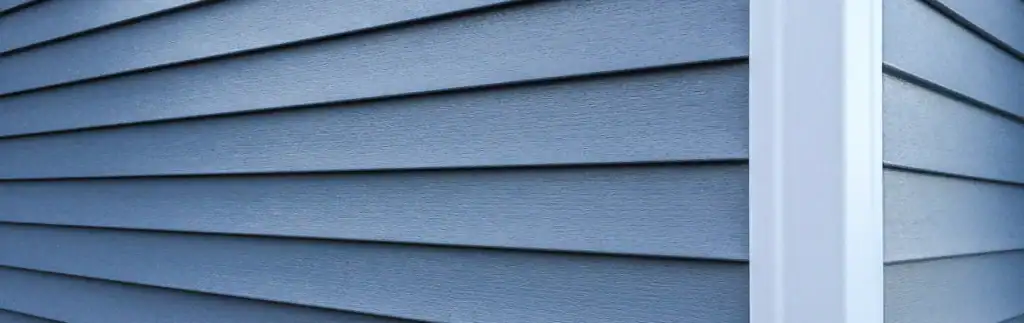
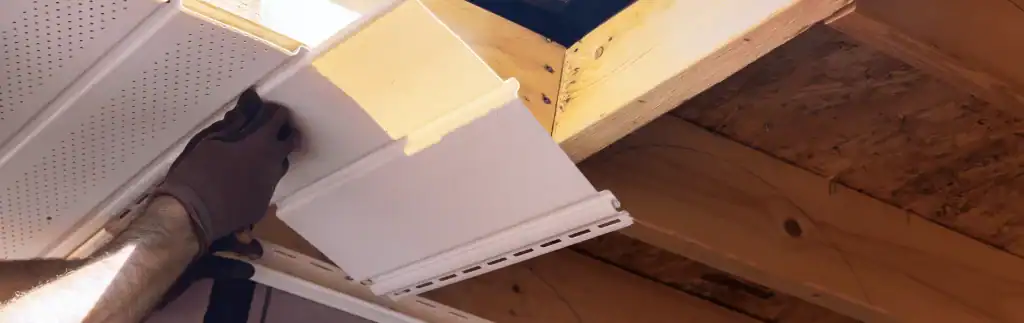
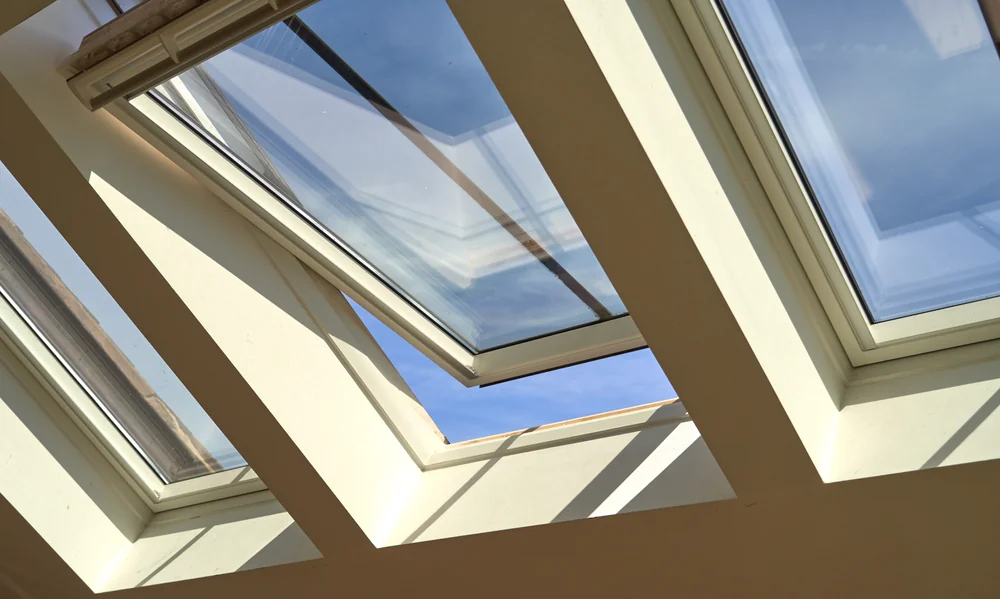
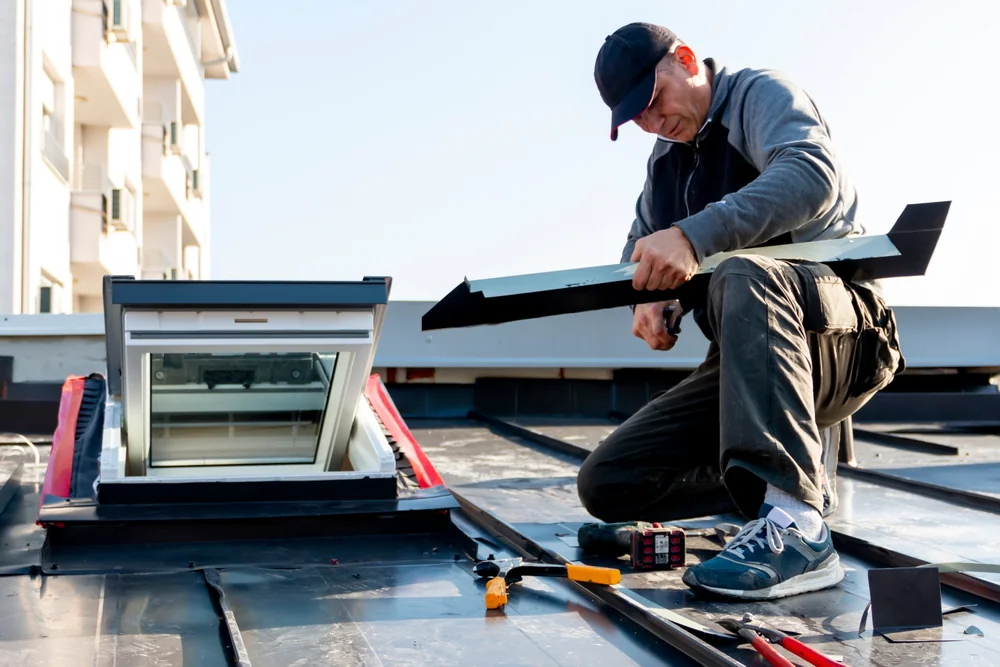
Our work covers roofing, gutters, chimneys, skylights, siding, and decks. One contractor, one standard, every time.

A construction worker in a yellow hard hat and gloves installs roofing materials on a wooden roof frame of a house under construction in Suffolk County, NY, with trees and a blue sky in the background.

Roof Replacement Process Stony Brook University, NY

No Guesswork Here's Exactly What to Expect

It starts with a real inspection not a quick walk around the perimeter, but an actual look at what’s happening on the roof surface, at the flashings, around the chimney, and along the eaves where ice dams tend to do the most damage on North Shore homes. If there’s something worth seeing, you’ll see it. Photos are taken from the start.

From there, you get a written estimate with itemized pricing before any work begins. The number on that estimate is the number you pay. If the inspection uncovers something unexpected rotted decking underneath the shingles, deteriorated underlayment, flashing that’s been failing quietly for years you’ll be told about it in plain language before anyone picks up a nail gun. No surprises added to the invoice after the fact.

Once the scope is agreed on, the job gets scheduled and completed with the same crew Alban oversees directly. For permitted work full replacements and larger structural repairs fall under the Town of Brookhaven’s building requirements we handle the permit process as part of the project. When the job is done, the site is cleaned up and you receive documentation of what was completed. That’s it. No chasing anyone down for paperwork or wondering what actually happened up there.

A construction worker in a yellow hard hat and gloves uses a nail gun to secure wooden beams on a roof structure under bright daylight during a Home Construction Suffolk County, NY project.

Explore More Services

About Home Team Construction

Shingle and Metal Roofing Stony Brook University, NY

Every Exterior Surface, One Contractor Who Knows This Area

We handle the full exterior roof repair, roof replacement, chimney work, gutters, skylights, siding, and decks. For homeowners in the Stony Brook University area, that matters because a lot of roofing problems don’t start at the shingles. They start where two systems meet: where the chimney flashing meets the roof deck, where gutters pull away from the fascia after years of ice loading, where a skylight seal breaks down from freeze-thaw cycling. When one contractor understands all of it, nothing falls through the cracks between trades.

On the roofing side specifically, our work includes asphalt shingle installation and replacement, metal roofing, flat roof systems, flashing repair, and emergency repairs after storm damage. Material choices are matched to where you live homes closer to Long Island Sound, particularly in Old Field and along the waterfront north of Route 25A, benefit from materials and fasteners rated for salt-air exposure. That’s a detail that matters here and gets overlooked by contractors who don’t know this stretch of the North Shore.

For gutters, chimneys, siding, and decks, the same upfront-pricing and documentation approach applies. You know what you’re getting before the work starts, and you have a record of what was done when it’s finished.

A construction worker in an orange safety vest installs roof tiles with a hammer next to solar panels on a rooftop under a blue sky, showcasing Home Construction Suffolk County, NY.

How do I know if my roof actually needs replacing or just a repair?

This is probably the most common question, and the honest answer is: it depends on what’s actually going on up there, and you can’t always tell from the ground. Age is one factor most asphalt shingle roofs have a functional lifespan of 20 to 30 years, and a lot of the housing stock in the Three Village area and the broader Stony Brook hamlet was built in the 1950s through 1970s. If your roof hasn’t been replaced since then, it’s worth a real inspection regardless of whether you’re seeing active leaks.

The other thing to look for is pattern damage versus isolated damage. A single missing shingle after a storm is usually a repair. But if you’re seeing granule loss in the gutters, curling or buckling shingles across multiple sections, or daylight coming through the attic, that’s typically a system-wide issue that a patch won’t solve. An inspection will tell you which situation you’re in and a contractor who gives you a straight answer about that, rather than defaulting to a full replacement recommendation, is one worth trusting.

Yes, for a full roof replacement in the Town of Brookhaven, a building permit is generally required. This applies to complete tear-offs and re-roofs that involve structural decking or significant material changes. Minor repairs replacing a handful of damaged shingles, resealing flashing, patching a small section typically don’t require a permit, but anything beyond that falls under the Town of Brookhaven’s building code requirements, which align with the New York State Uniform Fire Prevention and Building Code.

The permit process in Brookhaven is straightforward compared to some other Long Island municipalities, and it’s handled as part of the project when you work with us. We manage the permit application on your behalf so you’re not navigating the building department on your own. If you’re unsure whether your specific scope of work requires a permit, that’s a question worth asking before any work starts not after.

Nor’easters hit Long Island’s North Shore hard Stony Brook University’s own emergency management documentation describes blizzard conditions with one to two feet of snow and near-hurricane-force winds as a regular winter occurrence in this area. The damage those storms leave behind isn’t always obvious from inside the house, which is part of what makes it dangerous. You can have compromised flashing, lifted shingles, or a cracked ridge cap and not see a ceiling stain until the next heavy rain.

After any significant storm, it’s worth getting eyes on the roof from the ground first look for missing or displaced shingles, debris accumulation in valleys, and gutters that have pulled away from the fascia. Then check the attic if you can safely access it: look for daylight, moisture staining on the decking, or wet insulation. If anything looks off, or if you just aren’t sure, a post-storm inspection is the right call. Catching a compromised flashing now costs significantly less than addressing the water damage it causes if left through another storm cycle.

Ice dams form when heat escaping from a warm attic melts snow on the upper portion of the roof, and that meltwater refreezes when it reaches the cold eave overhang. The ice buildup creates a dam that forces water backward under the shingles and from there, it can work its way into the roof deck, insulation, and eventually the ceiling below. It’s one of the more destructive things that happens to roofs in this climate, and it tends to cause interior damage that homeowners don’t discover until it’s already significant.

Homes in the Three Village area and throughout the Stony Brook hamlet are absolutely at risk. The North Shore’s freeze-thaw cycle temperatures that swing above and below freezing repeatedly through January and February is exactly the pattern that creates ice dam conditions. Older homes with inadequate attic insulation or ventilation are especially vulnerable. The fix isn’t just removing the ice; it’s addressing the underlying heat loss that’s causing it. That’s a conversation worth having during any roofing inspection, particularly on post-war homes that haven’t had attic upgrades.

Roof replacement costs on Long Island run higher than national averages because of labor costs, permit fees, and the material demands of the local climate. For a typical single-family home in the Stony Brook area, a full asphalt shingle replacement generally falls in the range of $8,000 to $18,000 depending on roof size, pitch, complexity, and whether there’s any underlying deck damage that needs to be addressed. Homes with multiple dormers, chimneys, or skylights common in the older Colonial-style homes throughout the Three Village area tend to sit toward the higher end of that range because of the additional flashing and detail work involved.

Metal roofing runs higher upfront but carries a longer lifespan and performs better in coastal conditions, which is worth factoring in if you’re near the Sound. The most important thing is getting a written, itemized estimate before any work starts so you know exactly what’s included and what’s not. Any contractor who can’t give you that before they start shouldn’t be on your roof.

The Three Village area has a tight-knit community feel, and that works in your favor when vetting contractors local reputation carries real weight here. Start by looking for contractors who are based in Suffolk County and have been operating locally for several years, not companies that showed up after the last nor’easter looking for quick repair work. Check that they’re licensed in New York State and carry liability insurance and workers’ compensation you can verify licensing through the NYS Department of State.

Beyond credentials, pay attention to how they communicate before the job starts. Do they give you a written estimate with line-item pricing? Do they explain what they found during the inspection in plain language? Do they have documented examples of past work photos, reviews with specific details, references from customers in the area? Those aren’t extras. They’re the baseline for a contractor worth hiring. If someone is vague about pricing, can’t show you past work, or pressures you to sign quickly, that’s a signal to keep looking.

Other Services we provide in Stony Brook University