Hear From Our Clients
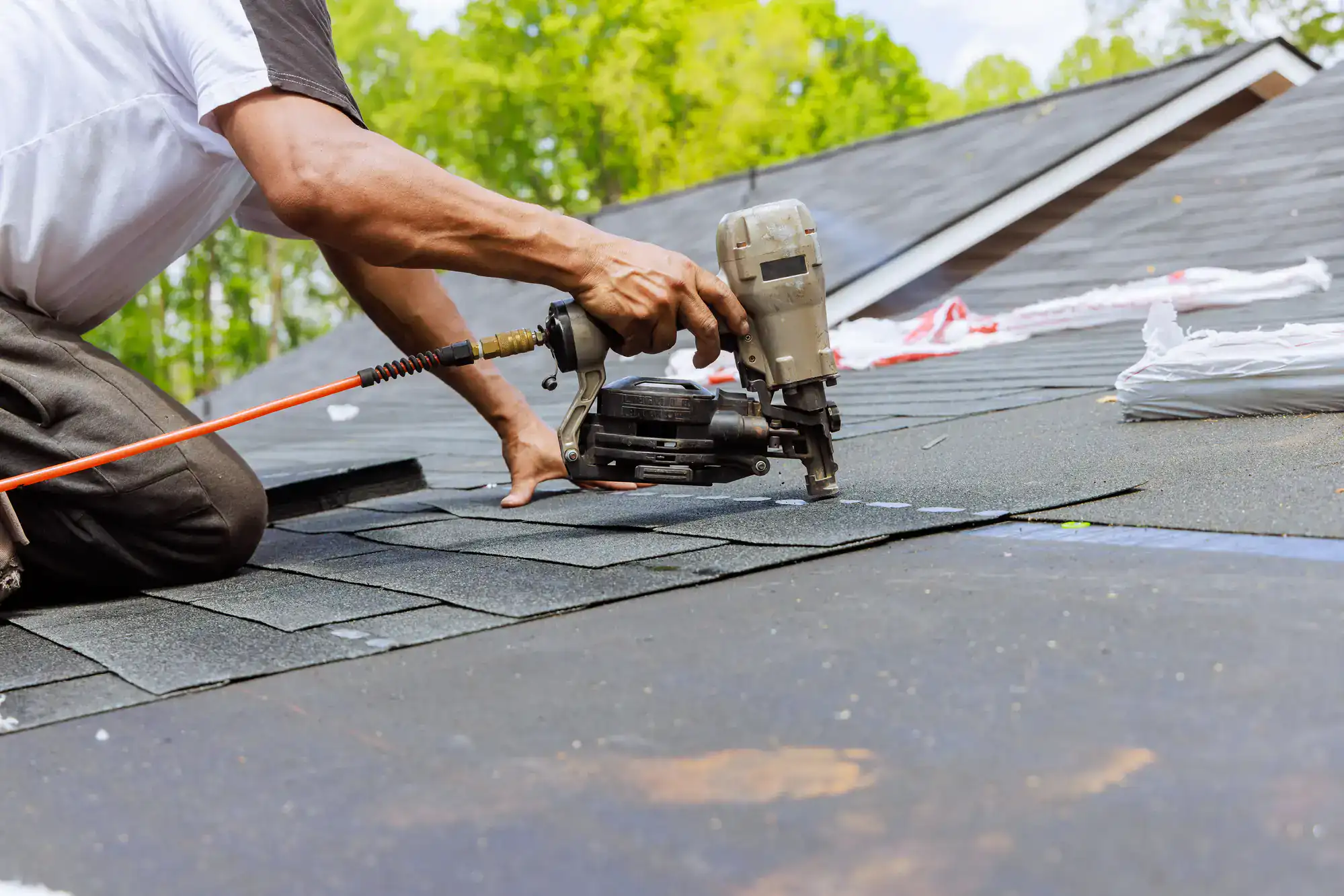
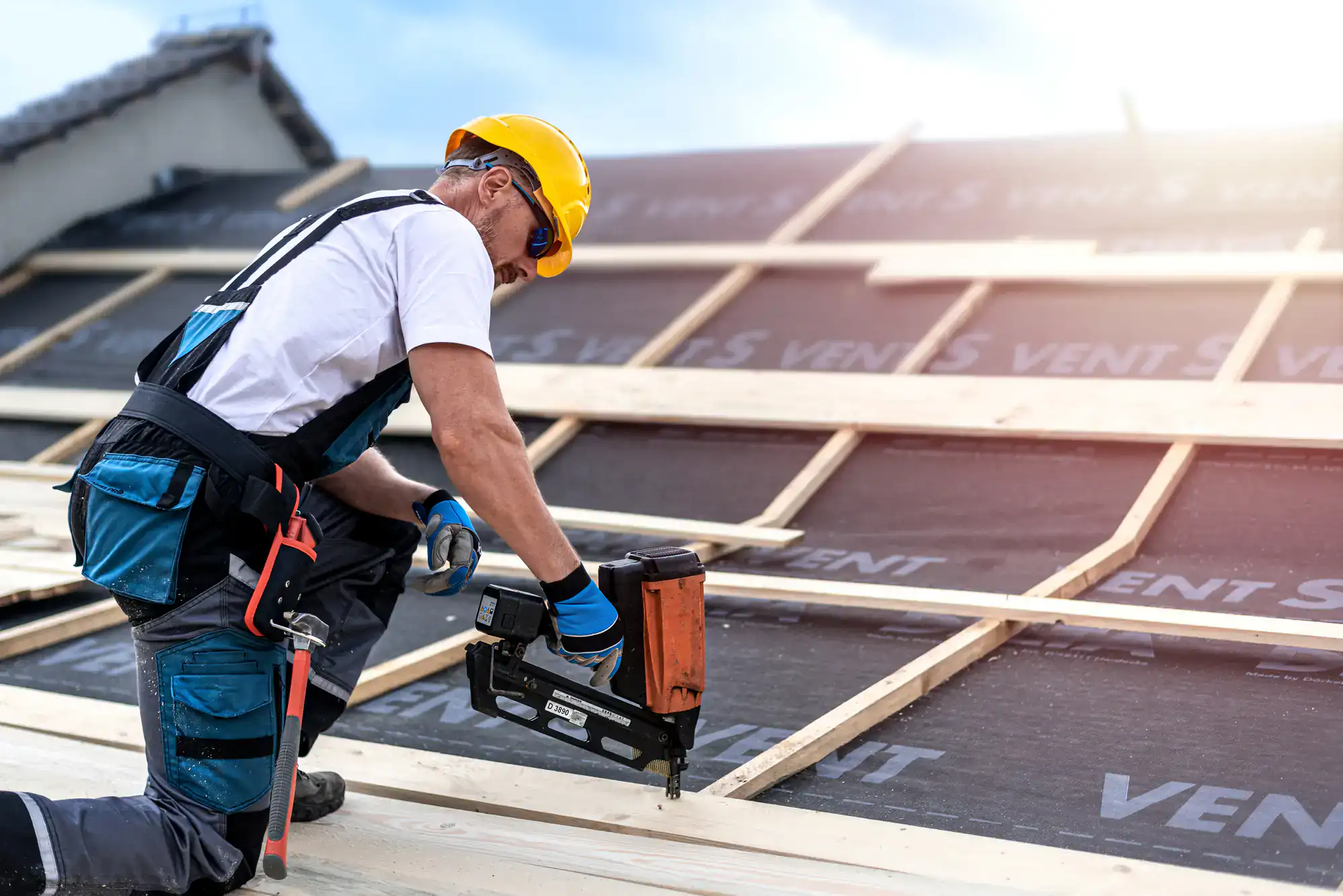
A roof that’s properly installed or repaired isn’t something you think about and that’s exactly the point. No ceiling stains after a hard rain. No flashing pulling away from the chimney after a nor’easter works its way up the coast. No wondering whether the crew actually did what they said they did.
For homes along the bay side of Montauk Highway in West Sayville the ranches and Cape Cods built in the ’40s and ’50s that define this part of the South Shore the stakes are higher than they are for inland communities. Salt air doesn’t just age shingles. It eats through the metal fasteners and flashing that hold your roof system together, often before anything looks wrong from the street. By the time you see a problem, the damage underneath is usually weeks or months old.
Getting ahead of that means working with someone who actually understands what coastal conditions do to a roof over time not someone who uses the same materials and methods they’d use in Hauppauge or Centereach. The right work done now protects a home that’s worth protecting.
We’re a family-owned and operated roofing and exterior contractor based in Brookhaven which puts us a few minutes from West Sayville along Montauk Highway, not an hour away with a local phone number. We’ve been working on Suffolk County homes for over a decade, and a significant portion of that work has been right here on the South Shore, where the conditions are different and the homes are older.
When the owner shows up to look at your roof, you’re talking to the person who’s accountable for the outcome not a salesperson who hands the job off to a crew he’s never met. That matters in a community like West Sayville, where people stay for decades and a contractor’s reputation either holds up or it doesn’t.
We handle roofing, siding, gutters, chimneys, skylights, decks, and drywall everything on the outside of your home, under one roof, with one person responsible for all of it.
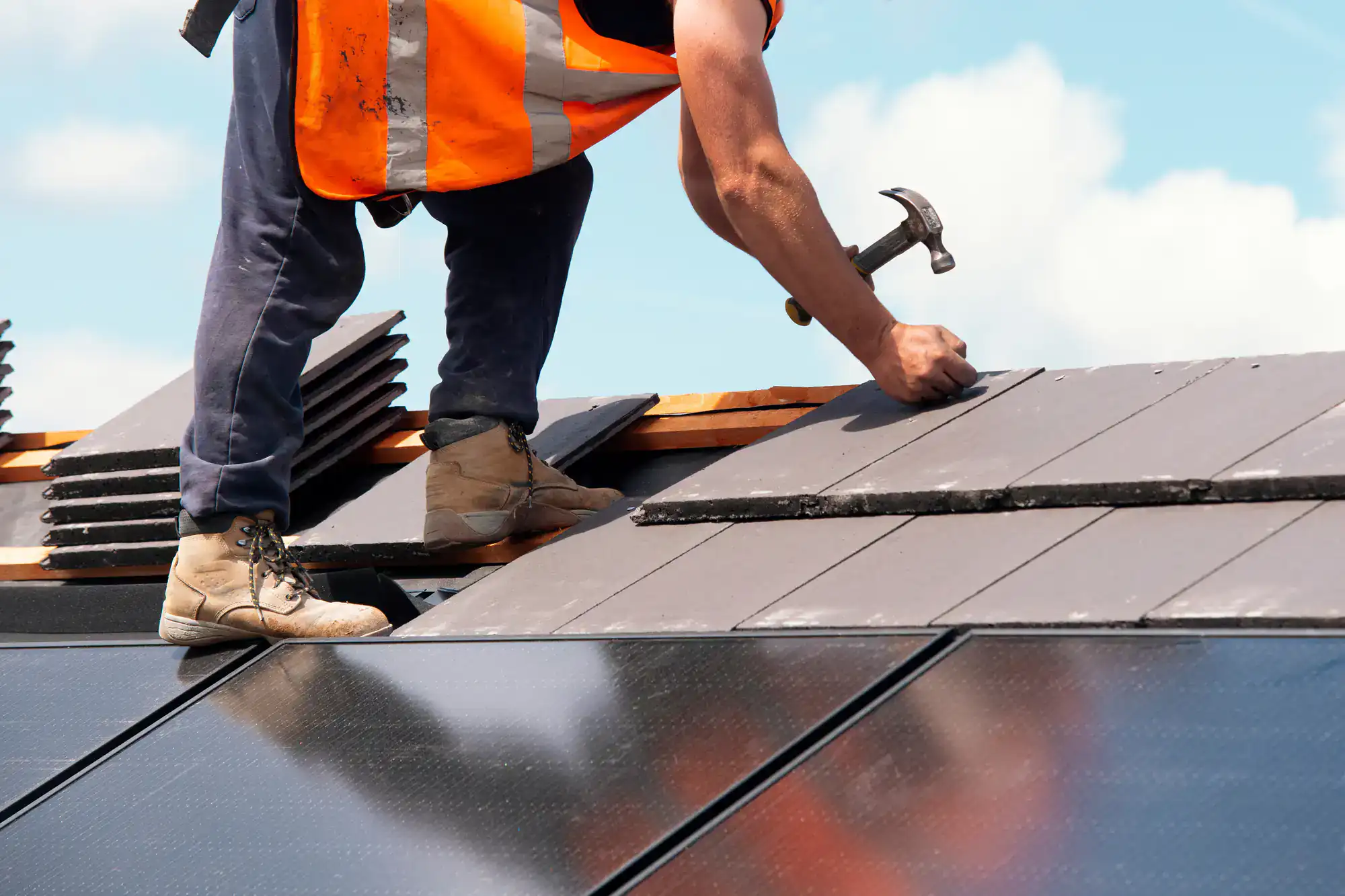
It starts with a straightforward assessment of your roof’s actual condition not a sales pitch, not a manufactured sense of urgency. We look at the shingles, the underlayment, the flashing around your chimney and any penetrations, and the condition of the deck beneath. For older homes in West Sayville, particularly those south of Montauk Highway closer to the bay, that deck inspection matters. Hidden rot and moisture damage are common in homes that have been absorbing coastal humidity for fifty or sixty years, and finding it early changes what the job costs and how long the fix actually lasts.
Once we know what you’re dealing with, you get a clear, written estimate before anything starts. The number we quote is the number you pay unless we open something up and find structural damage that neither of us could see from the outside, in which case we stop, show you what we found, and get your sign-off before continuing. No surprises added to the invoice after the fact.
For full replacements and any roofline changes, we pull the required permit through the Town of Islip Building Division that’s not optional, and any contractor telling you otherwise is putting your home’s resale and insurance coverage at risk. When the job is done, you get photo and video documentation of the completed work so you can see exactly what was done, even if you weren’t home when it happened.
Ready to get started?
Most of what we do in West Sayville falls into two categories: repairs that stop an existing problem from getting worse, and full replacements on homes whose roofs have simply aged out. Given that the majority of the housing stock here was built between the 1940s and 1960s, the replacement side of that equation comes up often a home that received its first re-roof in the mid-1980s is now forty years past that installation, and no asphalt shingle system is designed to hold up that long, especially not on a bay-facing South Shore home.
On the materials side, we spec for coastal conditions that means wind-rated shingles, proper ice and water barrier installation along the eaves where ice dams form during Suffolk County winters, and flashing details that account for the salt air corrosion that’s a constant factor this close to the Great South Bay. We also handle the full exterior picture: gutters, siding, chimney work, skylights, and decks. For a home that’s been standing since 1955, it’s rarely just the roof that needs attention, and being able to address all of it with one contractor saves you the coordination headache of managing five separate relationships.
Every job we complete is documented with photos and video. Every qualifying project is permitted through the Town of Islip. And every estimate is written, upfront, and firm.
Yes any full roof replacement, tear-off, or roofline change in West Sayville requires a building permit through the Town of Islip Building Division, located at One Manitton Court in Islip. Minor shingle repairs typically don’t require a permit, but the moment you’re doing a full tear-off or replacing the deck, you’re in permit territory.
This matters more than most homeowners realize. West Sayville homes carry median values over $600,000, and an unpermitted roof replacement can complicate your homeowners insurance coverage, create problems at resale, and put your certificate of occupancy at risk. The permit process through the Town of Islip is straightforward approvals typically come within one to three business days and we handle the paperwork as part of the job. You don’t need to navigate that office on your own.
Standard asphalt shingles are rated for 20 to 30 years under normal conditions, but “normal conditions” doesn’t describe West Sayville. Salt air off the Great South Bay accelerates granule loss on the shingle surface and corrodes the metal components fasteners, drip edges, flashing that hold the system together. The result is that roofs in this part of the South Shore often show meaningful degradation well before the 25-year mark, particularly on south- and west-facing slopes that take the most direct weather exposure.
If your home was built in the 1950s or ’60s and has had one previous roof, there’s a reasonable chance you’re already past the functional lifespan of that installation even if it hasn’t started leaking yet. A visual inspection from the ground won’t tell you the full story granule loss, compromised flashing, and early deck moisture damage are things you need to get up there to assess properly.
For most West Sayville homes, a high-quality architectural asphalt shingle wind-rated to at least 130 mph is the right balance of durability and cost. The key isn’t just the shingle itself; it’s everything underneath it. A proper ice and water barrier along the eaves is critical in Suffolk County, where freeze-thaw cycles create ice dam conditions that force water under standard shingles and into the roof deck. Synthetic underlayment, correctly lapped and sealed, adds another layer of protection against the wind-driven rain that comes with a nor’easter.
For flashing around chimneys, skylights, and any roof penetrations material selection matters a lot in a salt-air environment. Standard galvanized steel flashing degrades faster here than it would inland. Properly sealed and, where appropriate, upgraded flashing details make a real difference in how long the full system holds up against what the Great South Bay throws at it year after year.
Some storm damage is obvious missing shingles, visible debris on the roof, water staining on interior ceilings. But a lot of nor’easter damage on South Shore homes isn’t immediately visible from the ground or from inside the house. Wind-driven rain can work its way under shingles and into the underlayment without lifting a single shingle. Flashing around chimneys and skylights can be compromised by sustained wind pressure and not show any obvious sign until the next heavy rain.
After any storm that brought sustained winds above 50 mph which nor’easters in this area regularly do it’s worth having someone get up on the roof and look at the flashing details, the ridge cap, the condition of the shingles along the rakes and eaves, and any penetrations. Catching that kind of damage early is the difference between a repair that costs a few hundred dollars and one that costs several thousand once water has been sitting in the deck for a few weeks.
The honest answer is that it depends on what’s actually happening with the roof not just the shingles, but the deck and underlayment beneath them. For a home built in the 1950s in West Sayville, a repair makes sense when the damage is isolated: a section of flashing that failed, a handful of shingles that lifted in a storm, a small leak around a chimney. If the issue is localized and the surrounding roof system is still structurally sound, a repair is the right call.
Replacement becomes the right conversation when the shingles are broadly granule-depleted, when the underlayment has lost its integrity across a large portion of the roof, or when there’s widespread deck moisture damage from years of coastal exposure. Putting new shingles over a compromised deck is a short-term fix that will fail again and in an older home close to the bay, the deck is often the part that needs the most attention. A good assessment tells you which situation you’re actually in before any money changes hands.
For a standard single-family home in West Sayville a ranch or Cape Cod in the 1,500 to 2,000 square foot range a full roof replacement typically runs somewhere between $12,000 and $20,000, depending on the pitch of the roof, the number of penetrations, the condition of the deck, and the materials specified. Homes with steeper pitches, multiple dormers, or significant flashing work around chimneys and skylights will land toward the higher end of that range.
What can shift the number unexpectedly is deck damage that isn’t visible until the old material is removed. In a home that’s been sitting a few hundred feet from the Great South Bay for sixty or seventy years, some degree of moisture damage in the deck isn’t unusual it’s just a question of how much. That’s why the written estimate you receive before work starts will note what we can see and what we’ll assess once the tear-off begins, so you understand the range of possible costs before you commit. No one should be surprised by their invoice.
Other Services we provide in West Sayville