Hear From Our Clients

You stop worrying about chimney fires every time you light your fireplace. The carbon monoxide risk that’s been keeping you up at night disappears because your new chimney liner is sealed properly and vented correctly.
Your heating system works the way it should. No more drafts pulling cold air down into your living room. No more smoke backing up because the flue can’t handle what you’re asking it to do.
When the next winter storm rolls off Great South Bay, your chimney stack stays intact. The chimney flashing replacement we install is built for coastal conditions—not the cheap stuff that corrodes in two seasons. You’re not calling for emergency repairs at the worst possible time because we used materials that actually hold up to salt air.
Your home value stays protected. A failing chimney doesn’t just create safety issues—it tanks your property value and scares off buyers. A proper replacement fixes that problem before it costs you tens of thousands in lost equity.
We’ve been handling chimney replacement in West Sayville, NY and throughout Suffolk County for over two decades. We’re not a franchise or a crew that showed up last year—we’re the family-owned business your neighbors call when their chimney is actually falling apart.
We live here. We deal with the same coastal weather that’s destroying your chimney right now. That’s why we don’t use the same materials or methods you’d see inland—salt air eats through standard components three to five times faster than it does twenty miles north.
Our licensed team shows up when we say we will, gives you a straight answer about whether you need repair or full replacement, and finishes the job without surprise costs. No cutting corners. No disappearing after the deposit clears.
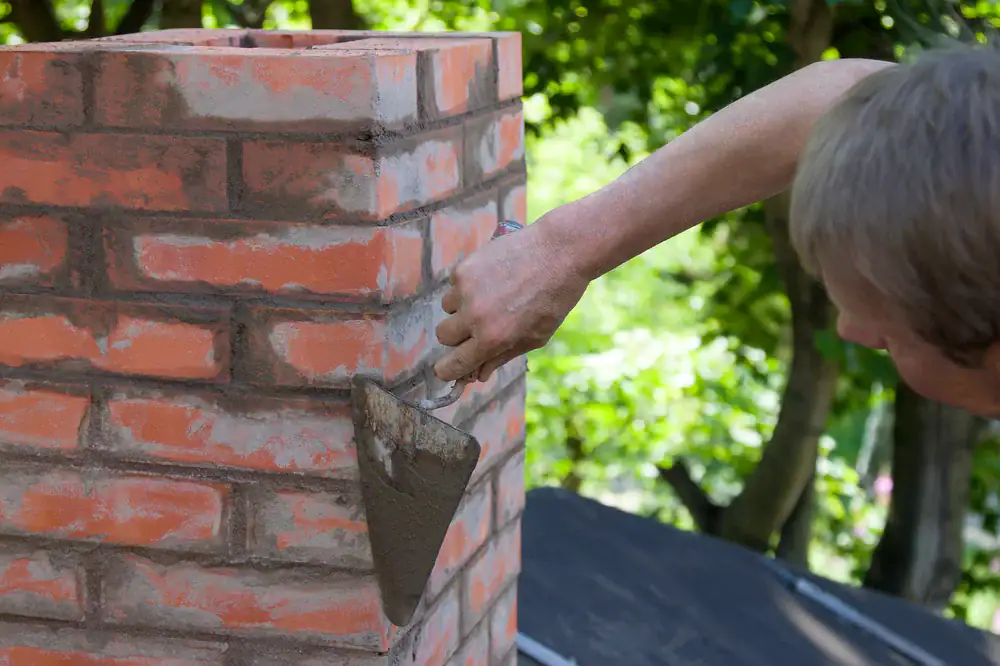
We start with an inspection of your entire chimney system—not just the part you can see from the ground. That means checking the chimney cap, the flue, the liner, the flashing, and the masonry from top to bottom. You get a clear assessment of what’s failing and why.
If you need a complete replacement, we walk you through exactly what that involves. We’re removing the damaged sections, rebuilding with materials rated for coastal conditions, and installing new chimney liner and flashing that won’t corrode the moment salt air hits them. You’ll know the timeline, the cost, and what to expect before we start.
During the job, we protect your property. Chimney replacement creates debris—we contain it, remove it, and leave your yard cleaner than most contractors would. The work gets done in stages if needed, so you’re never left with an open hole in your roof overnight.
When we’re finished, you get documentation of the work, warranty coverage, and a chimney system that meets current building codes. No guessing whether it was done right. No wondering if it’ll hold up when winter hits.

Ready to get started?
You’re getting a complete rebuild of the failing sections—whether that’s partial or full chimney stack replacement. We remove old, crumbling bricks and deteriorated mortar. Everything gets rebuilt with materials designed for Long Island’s coastal climate, not the standard stuff that fails in five years.
Chimney liner replacement is part of the process if your current liner is cracked or missing sections. A damaged liner is a direct path for carbon monoxide to enter your home, and it’s one of the most common problems we see in West Sayville. The new liner is properly sized for your heating system and sealed correctly.
Chimney flashing replacement happens with every job because old flashing is usually where water enters and starts the real damage. We install flashing that’s rated for coastal conditions and won’t separate from your roof during the next major storm.
You also get a new chimney cap if the old one is damaged or missing. Caps keep water, animals, and debris out of your flue—without one, you’re inviting problems. We install caps that are secured properly and built to handle wind coming off the bay.
The work includes proper waterproofing and sealing. West Sayville sits right on the water, and moisture is your chimney’s biggest enemy. We treat the masonry to prevent water infiltration and extend the life of your replacement by years.

If more than 25% of your chimney’s masonry is damaged, replacement usually makes more sense than repair. Trying to patch extensive damage ends up costing more in the long run because the problems keep spreading.
Look for large cracks running through multiple bricks, sections where the mortar has completely deteriorated, or any visible leaning or separation from your roofline. If you’re seeing chunks of brick or mortar in your yard after storms, that’s a sign the structure is failing.
Water damage is the other major factor. If water has been getting inside your chimney for years, it’s likely compromised the integrity of the entire stack. Freezing and thawing cycles in West Sayville accelerate this damage—water gets into cracks, freezes, expands, and breaks apart more masonry. At a certain point, repair isn’t fixing the underlying problem.
We’ll give you an honest assessment after inspecting the full system. If repair makes sense, we’ll tell you. If you’re throwing money at a chimney that’s going to fail anyway, we’ll tell you that too.
Complete chimney replacement typically runs between $4,000 and $15,000 depending on the height of your chimney, the extent of damage, and what components need replacing. A partial rebuild of the top section costs less than rebuilding from the roofline up.
The price includes removing all damaged materials, rebuilding with coastal-grade masonry, installing new chimney liner and flashing, and adding a proper chimney cap. If your chimney is taller than average or requires additional structural support, that affects the cost.
Long Island pricing runs higher than national averages because of labor costs and stricter building codes. You’re also paying for materials that can actually handle salt air and coastal weather—cheaper materials fail faster here, which is why we don’t use them.
Getting the cheapest bid usually means you’re getting standard materials and shortcuts that won’t last. You’ll end up paying for another replacement or major repairs within five to seven years. Spending more upfront for proper materials and installation saves you money over the life of your chimney.
Most chimney replacements take three to five days depending on the scope of work and weather conditions. A partial rebuild of the top section might be done in two to three days. A complete rebuild from the roofline up takes longer.
We can’t work in heavy rain or high winds—it’s not safe and it compromises the quality of the work. If weather delays the job, we’ll keep you updated and reschedule as soon as conditions allow. We don’t rush through a chimney replacement just to meet a deadline if it means doing subpar work.
The timeline also depends on what we find once we start removing damaged sections. Sometimes the damage goes deeper than what’s visible from the outside. If that happens, we’ll walk you through what needs to be done before moving forward.
You won’t be left with an open roof or exposed chimney overnight. We protect the work area at the end of each day so your home stays secure and dry even if the job takes multiple days.
Insurance typically covers chimney replacement if the damage was caused by a sudden event like a storm, lightning strike, or fire. Gradual deterioration from age and weather usually isn’t covered because insurance considers that normal wear and maintenance.
If a tree fell on your chimney during a storm or high winds knocked over your chimney stack, file a claim immediately and document everything with photos. Insurance companies often send adjusters to assess the damage, and having a detailed estimate from a licensed contractor helps your case.
Some policies cover partial replacement but not a full rebuild. Others will pay for the damaged section but not upgrades to bring the chimney up to current code. Read your policy carefully and ask your insurance agent specific questions about what’s covered before assuming you’ll get full reimbursement.
We can provide detailed documentation and estimates for insurance claims. We’ve worked with plenty of homeowners in West Sayville going through this process, and we know what insurance companies want to see. Just don’t wait too long to file—most policies have strict deadlines after damage occurs.
You’re risking a chimney fire every time you use your fireplace or heating system. Cracks in the chimney liner let creosote buildup ignite and spread to the wooden structure of your home. Chimney fires move fast—most people don’t realize what’s happening until it’s too late.
Carbon monoxide becomes a serious threat. If your flue is blocked or your liner is cracked, deadly gas flows back into your living space instead of venting outside. Carbon monoxide is invisible and odorless, so you won’t know there’s a problem until someone gets sick or worse.
The structural damage spreads. Water enters through cracks and damaged flashing, then freezes and expands during winter. That breaks apart more masonry and weakens the entire chimney stack. Eventually, sections start falling off—sometimes onto your roof, sometimes into your yard, sometimes onto whatever’s below.
Your home value drops significantly. Buyers see a failing chimney and either walk away or demand major price reductions to cover the replacement cost. You end up paying for it one way or another—either by fixing it now or losing equity when you try to sell.
Salt air from Great South Bay corrodes metal components like chimney caps, flashing, and dampers at three to five times the rate you’d see inland. The constant exposure to moisture-heavy coastal air accelerates rust and deterioration even on materials that would last decades in other parts of New York.
Freeze-thaw cycles hit harder near the water. West Sayville gets moisture-saturated air that seeps into any crack or gap in your masonry. When temperatures drop, that moisture freezes and expands, breaking apart mortar joints and creating larger cracks. This happens repeatedly throughout winter, causing damage that compounds year after year.
Storm exposure is more severe right on the coast. High winds, driving rain, and occasional hurricane-force weather batter chimneys in West Sayville harder than properties even ten miles inland. Your chimney takes a beating that most building materials aren’t designed to handle without proper coastal-grade installation.
That’s why we use marine-grade stainless steel for all metal components and treat masonry with waterproofing rated for coastal conditions. Standard materials and methods don’t cut it here—you need installation designed specifically for what your home faces living this close to the water.
Other Services we provide in West Sayville