Hear From Our Clients
You stop worrying every time the forecast calls for rain. No more buckets in the hallway, no more wondering if that small leak is turning into something worse while you’re at work.
Your insurance company gets the documentation they need without you playing middleman. The adjuster shows up, sees professional work with proper materials, and processes your claim without the back-and-forth that drags things out for months.
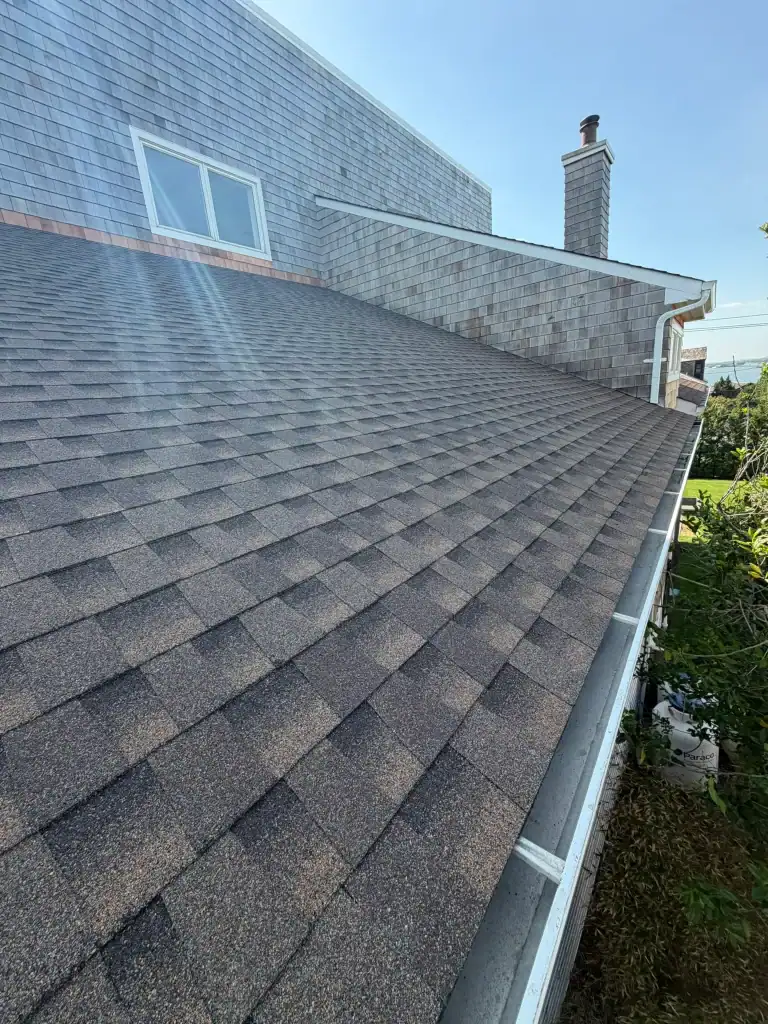
Your home looks better from the street. New shingles that match, flashing that’s actually sealed, gutters that don’t overflow every time it drizzles. The kind of roof that makes buyers notice if you ever decide to sell, and the kind that keeps your family dry if you don’t.
You’re not calling us back in six months because the repair didn’t hold. The work’s done right, the materials are built for Long Island weather, and you’ve got a local roofing company that’ll be here if anything ever does come up.
Home Team Construction has been handling roofing in Central Islip and throughout Suffolk County since before Hurricane Sandy taught everyone what coastal weather really does to a roof. We’re fully licensed and insured, and we live in the same neighborhoods we work in.
That matters when you’re choosing roofing contractors. We’re not a crew that shows up from two states over, does half the job, and disappears when the deposit clears. Our reputation is local, our work is visible, and we’re still here answering the phone years after your roof goes on.
Central Islip homes deal with nor’easters, summer storms, and salt air that eats through cheap materials faster than most homeowners realize. We’ve seen what fails and what lasts. That’s the difference between a roofer who knows this area and one who’s just passing through.
You call or fill out the form. We schedule an inspection that actually happens when we say it will—no “we’ll get there sometime next week” runaround.
We come out and check everything. Not just the obvious damage you can see from the ground, but the flashing around chimneys, the condition of your underlayment, the spots where water’s been sneaking in without leaving visible stains yet. You get photos, a written estimate, and an honest assessment of what needs fixing now versus what can wait.
If insurance is involved, we handle the documentation. We know what adjusters need to see, we take the right photos, and we communicate directly so you’re not stuck translating between your insurance company and your roofing contractor.
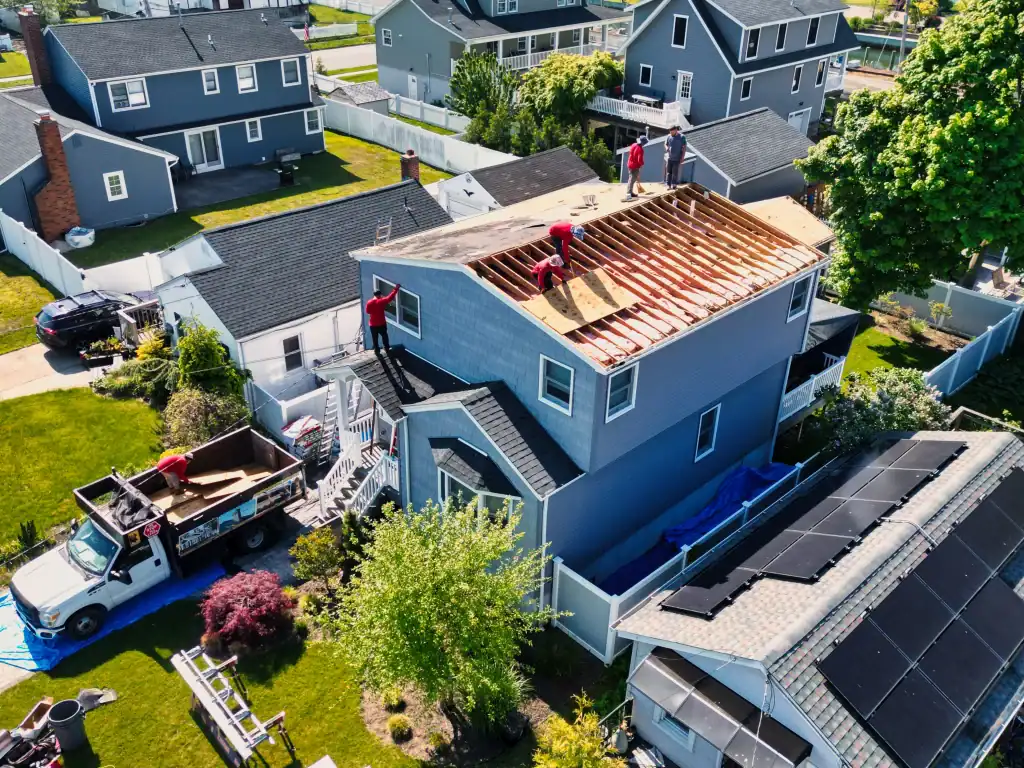
Once you approve the work, we show up on schedule. We protect your property, work efficiently, and clean up daily so you’re not living in a construction zone longer than necessary. Every roof repair or replacement includes a final walkthrough where we show you what we did and answer any questions before we consider the job complete.
You get a warranty in writing. If something’s not right, you call the same number and talk to the same people. No answering service, no runaround.
Ready to get started?
Every job starts with a complete inspection. You’re not paying for a patch on a leak without knowing what else is going on up there. We check for wind damage, missing shingles, compromised flashing, and the early signs of problems that haven’t shown up inside your house yet.
You get materials designed for Central Islip weather. Coastal conditions destroy standard roofing faster than the manufacturer’s warranty suggests. We use corrosion-resistant flashing, impact-rated shingles that insurance companies recognize, and proper ventilation that prevents the moisture buildup that rots decking from the inside.
Storm damage gets priority response. When half the neighborhood is calling for emergency roof repair after a nor’easter, you’re not waiting three weeks for someone to throw a tarp on your house. We respond fast during weather events because we know what happens when water gets inside your walls.
Insurance claims get proper support. We provide detailed estimates, work directly with adjusters, and document everything so your claim doesn’t get denied over missing paperwork or underestimated damage. Most affordable roofers skip this step. We don’t, because we’ve seen too many homeowners get stuck paying out of pocket for covered repairs.
You get transparent pricing before work starts. No surprise charges, no “we found more damage” upsells that weren’t in the original inspection. If something unexpected comes up, we stop and talk to you before proceeding.
We prioritize emergency calls during and immediately after storms. If your roof is actively leaking or you’ve got visible damage that’s letting water in, we typically respond within 24 hours—often same-day if you call early and we’re not already handling another emergency.
That response time matters in Central Islip. Water damage accelerates fast once it gets past your shingles, especially in the humidity we deal with here. What starts as a small leak can turn into rotted decking, ruined insulation, and mold growth in your attic within days if it’s not addressed.
During major weather events when everyone’s calling, we triage based on severity. Active leaks and structural damage get priority over cosmetic issues that can wait a few days. But you’ll hear back from us either way, and we’ll give you a realistic timeline instead of promising next Tuesday and not showing up.
Yes, and it’s one of the most valuable parts of hiring experienced roofing contractors. We provide the detailed documentation your insurance company needs—photos of damage, material lists, labor estimates formatted the way adjusters expect to see them.
We’ll meet the adjuster on-site if needed. Sometimes damage that’s obvious to a roofer doesn’t photograph well or gets missed during a quick walk-around. Having us there to point out compromised flashing, wind damage patterns, and hidden issues increases the chances your claim gets approved for the full scope of necessary repairs.
We’ve worked with most of the major insurance carriers that cover Central Islip homes. We know what they typically cover, what documentation they require, and how to present estimates that don’t get kicked back for being too vague or too inflated. That experience saves you weeks of back-and-forth and reduces the chances you’ll end up paying out of pocket for covered damage.
Impact-resistant shingles rated Class 4 perform best here. They handle the wind-driven rain, hail, and flying debris that come with nor’easters and summer storms. Many insurance companies offer premium discounts for Class 4 roofs because they see fewer claims after major weather events.
Architectural shingles outlast three-tab shingles in coastal conditions. They’re heavier, more wind-resistant, and the multi-layer construction holds up better when salt air starts degrading materials. You’ll pay more upfront, but you’re looking at 25-30 years instead of 15-20 before needing replacement.
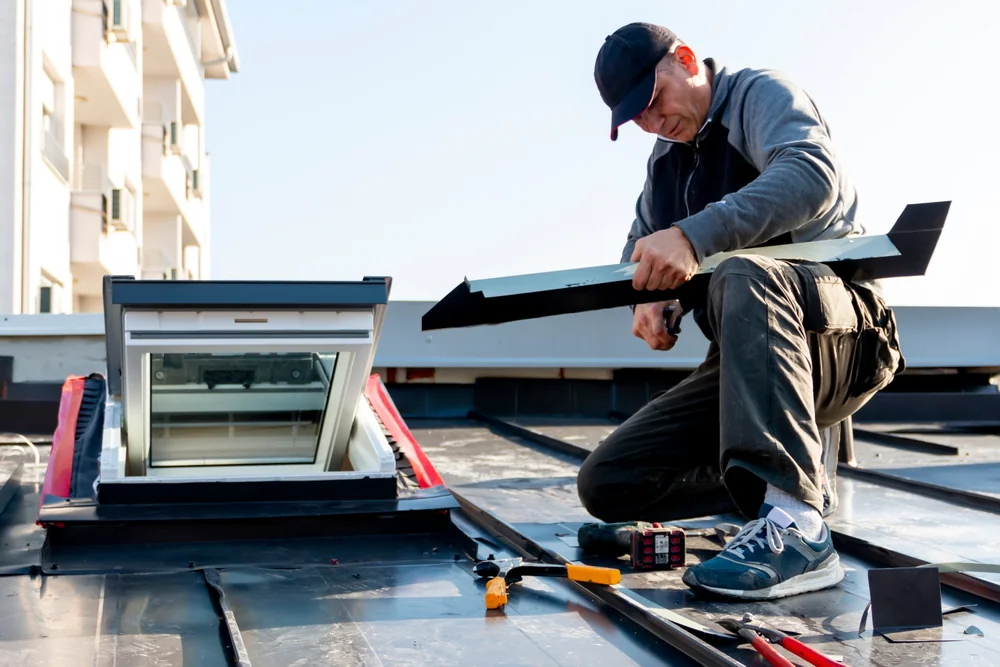
Flashing material matters as much as shingles. We use corrosion-resistant metals around chimneys, skylights, and valleys because standard flashing fails faster near the coast. Copper or coated steel costs more than aluminum, but aluminum corrodes quickly in salt air and that’s where most leaks start years after installation. Spending an extra few hundred on proper flashing saves thousands in water damage repairs down the line.
Most full replacements on typical Central Islip homes run between $8,000 and $18,000 depending on size, pitch, and materials. A standard ranch with architectural shingles usually falls in the $10,000-$12,000 range. Two-story homes with steep pitches or multiple valleys cost more because they require more labor and safety equipment.
That price includes tearing off old shingles, replacing damaged decking if we find any, installing new underlayment, and proper flashing around all penetrations. It also includes permits, dumpster rental, and cleanup. If someone quotes you significantly less, ask what they’re leaving out—because corners get cut somewhere.
Material choice affects cost. Basic three-tab shingles are cheaper upfront but need replacement sooner in coastal weather. Impact-resistant architectural shingles cost 20-30% more but last longer and may qualify you for insurance discounts that offset the difference over time. We’ll walk you through options and actual costs during the estimate so you can make an informed decision based on your budget and how long you plan to stay in the house.
Depends on the age and condition of your existing roof. If your shingles are less than 15 years old and damage is localized to one section—say from a fallen branch or isolated storm damage—a repair often makes sense. We replace the damaged area, match materials as closely as possible, and you’re good for another decade.
If your roof is over 20 years old or we find damage in multiple areas during inspection, replacement usually makes more financial sense. Here’s why: patching old roofs means you’re putting new materials next to shingles that are already deteriorating. You might fix today’s leak, but you’ll likely be calling us back in two years for a different section that fails. At that point you’ve paid for two repairs and still need a replacement.
We’ll give you an honest assessment either way. If a repair will genuinely solve your problem and buy you meaningful time, we’ll tell you that. If we think you’re six months away from needing a full roof anyway, we’ll tell you that too. You decide what makes sense for your situation and budget—we just make sure you have accurate information to base that decision on.
License and insurance come first. You want a roofing company that’s properly licensed in New York and carries both liability insurance and workers’ comp. If someone gets hurt on your property and the contractor isn’t insured, you could be liable. Always ask to see current certificates before signing anything.
Local references matter more than online reviews. Anyone can buy five-star ratings, but a roofer who’s been working in Central Islip for years should be able to point you to houses in your neighborhood where you can see their actual work. Drive by a few completed jobs. Talk to homeowners if you can. You’ll learn more in five minutes than reading a hundred Google reviews.
Communication style tells you a lot. Do they show up for estimates when promised? Do they explain what they found and why they’re recommending specific repairs? Do they answer your calls or make you chase them down? How a roofing contractor communicates during the sales process is usually how they’ll communicate when you’ve got a problem mid-job. If they’re hard to reach before you’ve paid them, they’ll be impossible to reach after.
Other Services we provide in Central Islip