
Hear From Our Clients
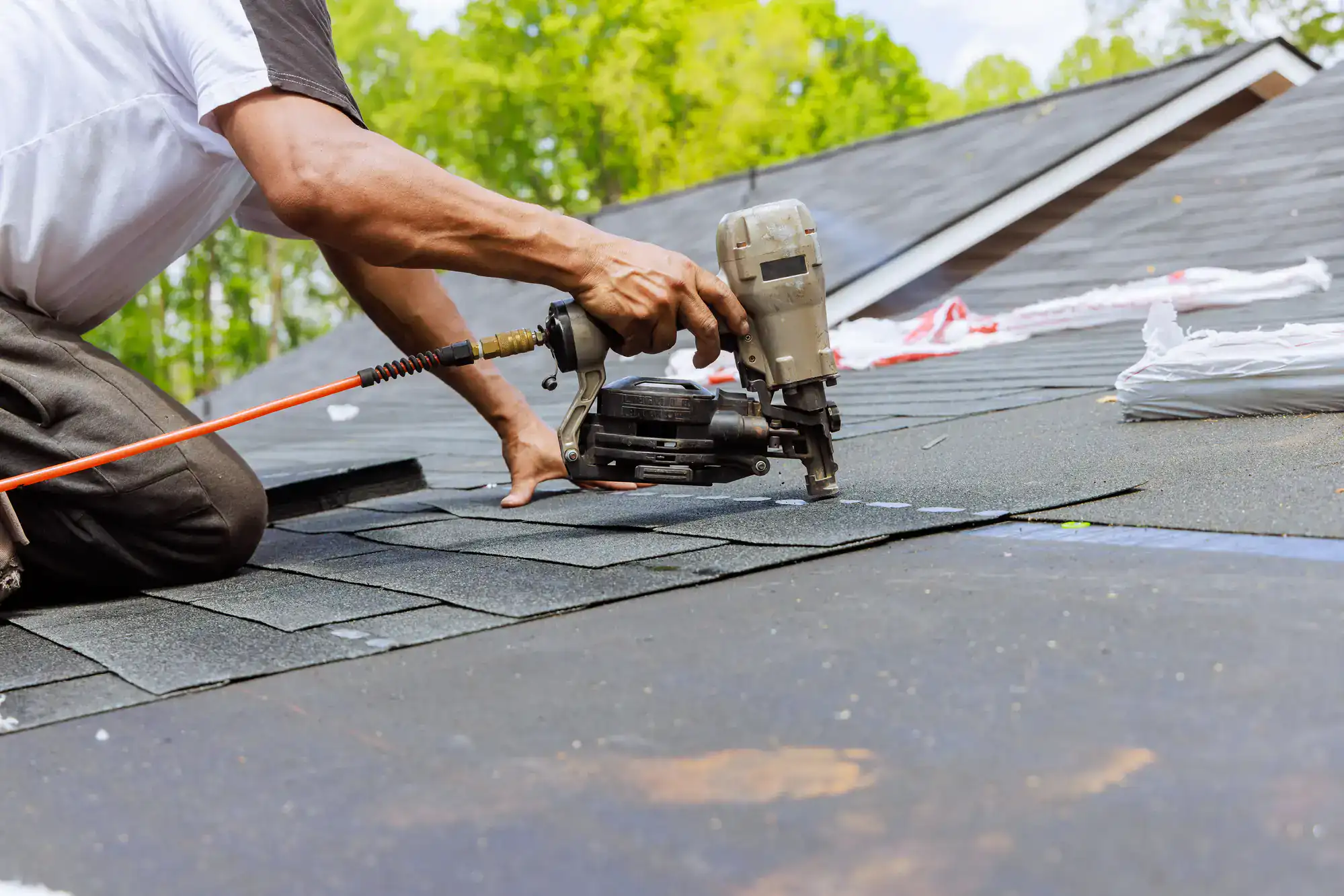
Living on the south shore means your roof is working harder than most. The salt air coming off the Great South Bay doesn’t just affect how your roof looks it quietly corrodes the metal fasteners holding your shingles in place, eats through flashing around chimneys and vents, and degrades the granule adhesion on your shingles long before anything looks wrong from the ground. By the time you notice a problem, the damage is usually already deeper than a quick patch can fix.
That’s the reality for a lot of Islip homeowners, especially in a community where a significant portion of the housing stock was built in the 1950s and 60s roofs that have been through decades of coastal weather cycles, freeze-thaw winters, and at least one Sandy. A roof that “looks fine” from the driveway can have compromised fasteners, soft deck sections, and failing flashing that won’t survive the next major nor’easter.
What you get when the job is done right is simple: you stop thinking about your roof. No ceiling stains after a rainstorm. No shingles in the yard after a wind event. No emergency calls at 2 a.m. during a storm. Just a roof that does its job quietly, reliably, and for the long haul.
We’re a family-owned roofing and exterior contractor based in Brookhaven, right next door to Islip. We’ve been working on south shore homes long enough to know the difference between the bayfront streets south of Montauk Highway and the post-WWII neighborhoods further north, and we approach each one accordingly. This isn’t a company that added Islip to a service area map it’s a community we’ve been working in for years.
The owner, Alban, is the person you’ll talk to, the person who shows up, and the person accountable for the result. That’s not a tagline it’s how we’ve built a track record of repeat customers across Suffolk County. When we finish your roof, we document everything with photos and videos so you can see exactly what was done. You shouldn’t have to take anyone’s word for it.
Beyond roofing, we handle gutters, siding, chimneys, skylights, and decks so when something else needs attention on your exterior, you’re not starting over with a new contractor.
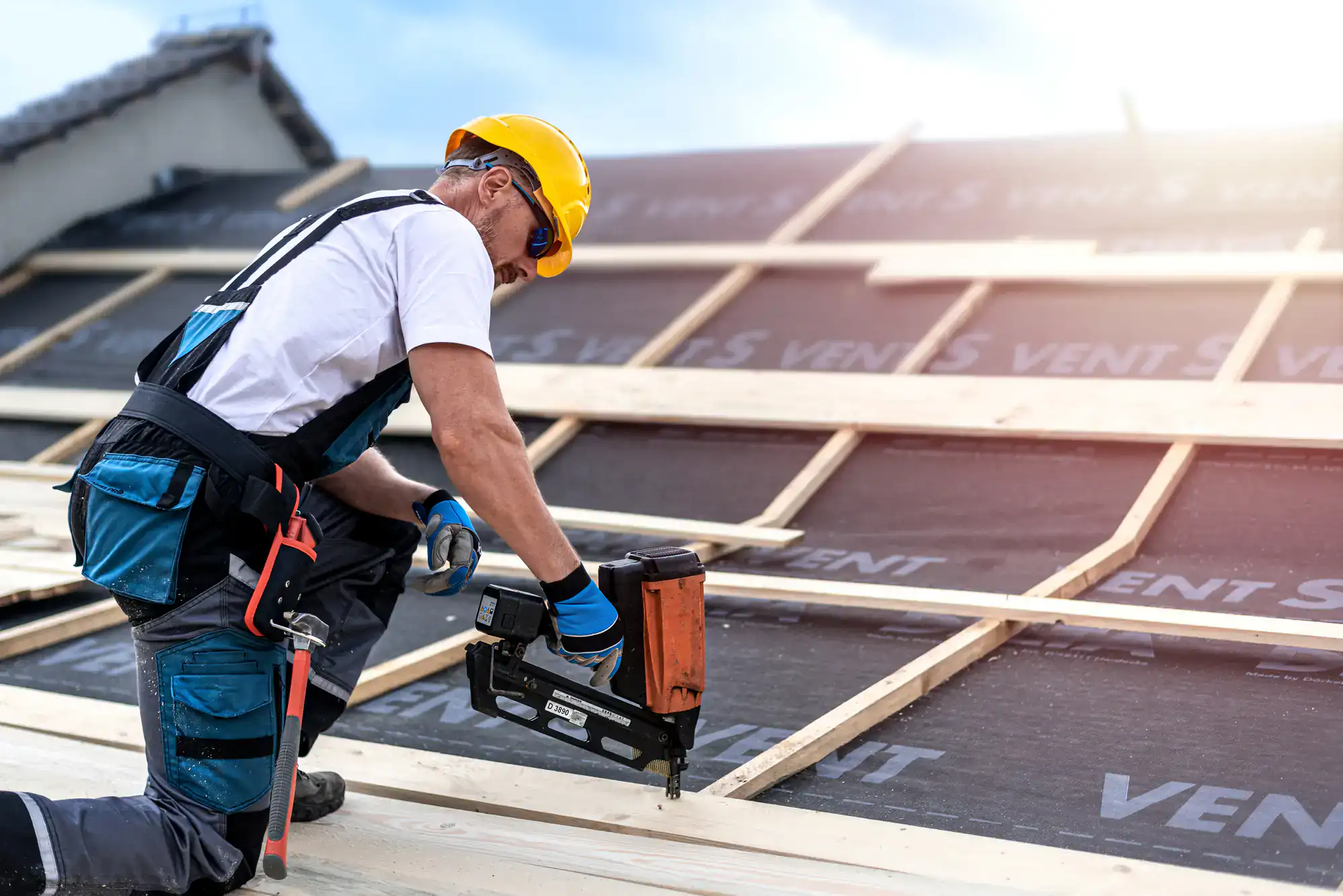
It starts with a real inspection not a quick glance from the driveway. We get up on the roof and look at the actual condition of your shingles, flashing, underlayment, and deck. For homes in Islip, that inspection pays close attention to the things coastal exposure creates over time: corroded fasteners, salt-degraded flashing around chimneys and vents, and any soft spots in the deck that indicate moisture has already gotten in. You’ll know what we found and what it means before any conversation about cost.
From there, you get a clear, upfront estimate. No vague line items, no numbers that shift when the job starts. If we open up the roof and find something that genuinely changes the scope rotted decking, for example, which is more common in older Islip homes than most people expect we stop, show you what we found, explain what it means, and get your approval before we do anything about it.
For full replacements in the Town of Islip, we handle the building permit through the Town of Islip Building Division and coordinate the final inspection after installation. That’s not optional unpermitted roof work creates real problems at resale and can affect insurance claims. We take care of it so you don’t have to navigate that process yourself. When the job is done, you get documentation: photos and video of the completed work, so you have a record of exactly what was installed and how.
Ready to get started?
Islip’s housing stock isn’t uniform, and roofing solutions shouldn’t be either. The community has Victorian and Queen Anne Revival homes with steep pitches and complex chimney configurations, mid-century Cape Cods and ranches with simpler rooflines, and everything in between. The approach for a pre-war bayfront home on the south side of Montauk Highway is different from a 1965 split-level a few blocks north different materials, different flashing details, different attention to ventilation and ice barrier coverage.
For most residential roofs in Islip, architectural asphalt shingles are the practical choice: durable, wind-rated, and available in profiles that suit both older and newer homes. For homeowners dealing with repeated flashing failures or looking for a longer-term solution on a coastal property, metal roofing is worth a real conversation it holds up significantly better against salt air corrosion and wind-driven rain than asphalt, and the lifespan difference is substantial. We’ll give you an honest read on which direction makes sense for your specific home and situation, not just the option with the higher margin.
Every project repair or full replacement includes a thorough inspection before we start, clear documentation when we finish, and a scope of work you’ve reviewed and approved. We handle roof repairs, full tear-offs, chimney flashing, gutters, skylights, siding, and decks all in-house. One contractor, one point of contact, and one person accountable from start to finish.
Yes a full roof replacement in the Town of Islip requires a building permit from the Town of Islip Building Division, along with a final inspection after the work is complete. This applies to full tear-offs, plywood or deck replacement, and any structural roof work. Minor repairs replacing a few damaged shingles or resealing a small section of flashing typically don’t require a permit, but if the repair covers a significant portion of the roof, the building department will generally require one.
This matters more than a lot of homeowners realize. If you sell your home and the buyer’s attorney or inspector discovers unpermitted roof work, it can delay or kill the sale. It can also create problems with insurance claims if the work was done without the required inspection. We pull the permits and coordinate the final inspection as part of every full replacement it’s included in the process, not an add-on.
A standard asphalt shingle roof has a general lifespan of 20 to 30 years, but that range assumes average conditions and Islip’s south shore location is not average. Salt air off the Great South Bay accelerates the deterioration of metal fasteners and flashing components, and repeated exposure to wind-driven coastal storms puts more stress on shingles and seals than an inland home experiences. In practice, many Islip roofs start showing real vulnerability well before the 25-year mark, particularly if they were installed with builder-grade materials or have had deferred maintenance.
The other factor worth knowing is that the Town of Islip’s median construction year is 1966, which means a large portion of the local housing stock is already at or past the point where a roof inspection is overdue not because anything is visibly wrong, but because age and coastal exposure together create conditions that aren’t always obvious until a storm finds the weak spot. If your home was built before 1990 and the roof hasn’t been replaced, a professional inspection is worth doing before storm season, not after.
The most obvious signs are missing or lifted shingles, visible granule loss in your gutters or on the ground, and water stains on interior ceilings or walls. But coastal storms nor’easters in particular create damage patterns that aren’t always visible from the ground. Wind-driven rain can force water under shingles at the ridge, eaves, or around chimney and vent flashing without displacing a single shingle. That kind of damage shows up weeks later as a slow leak or ceiling stain that seems unrelated to the storm.
After any significant wind or rain event, it’s worth having someone actually get on the roof and look not just check from the driveway. Specific things to look for on Islip homes include lifted or cracked flashing around chimneys and skylights, granule loss concentrated in one area (which indicates impact or accelerated wear), and any soft or spongy spots on the deck surface, which suggest moisture has already penetrated the underlayment. Catching these early is the difference between a repair and a full replacement.
For most homes in Islip, high-quality architectural asphalt shingles with a strong wind rating are the right baseline they’re cost-effective, widely available, and when installed correctly with adequate ice and water barrier and proper flashing, they perform well in south shore conditions. The key word is “correctly.” A lot of the roof failures we see on coastal Long Island homes come down to installation shortcuts: inadequate fastening, minimal ice and water barrier coverage, and cheap flashing that corrodes quickly in salt air.
If you’re on or near the waterfront, or if you’ve had repeated flashing failures on an older home, metal roofing is worth a serious look. Metal holds up significantly better against salt air corrosion, handles wind-driven rain more effectively, and has a lifespan that can exceed 40 to 50 years with proper maintenance. It costs more upfront, but on a home valued at $650,000 or more, the math often makes sense when you factor in the replacement cycle difference. We’ll give you an honest comparison based on your specific home, not a one-size pitch.
Ice dams form when heat escaping from your living space warms the roof deck above the snow line, melting snow that then refreezes at the cold eave edge. That standing ice forces water back under the shingles and into the roof deck often without any visible exterior sign until you see a water stain on the ceiling inside. It’s a common problem on Long Island during winters with repeated freeze-thaw cycles, and it’s especially prevalent on older homes with inadequate attic insulation or ventilation.
The long-term fix is addressing the attic improving insulation so less heat escapes through the roof deck, and ensuring ventilation is moving enough cold air to keep the deck temperature consistent. On the roofing side, a properly installed ice and water barrier along the eaves extending at least 24 inches past the interior wall line is the code-required protection layer that keeps water from penetrating even if an ice dam forms. Many older Islip homes were built before this was standard practice, which is worth checking if you’re replacing a roof or dealing with recurring winter leaks.
For a typical single-family home in Islip, a full asphalt shingle roof replacement generally runs between $8,000 and $18,000, depending on the size and pitch of the roof, the materials selected, and what’s found when the old roof comes off. Homes with more complex rooflines multiple dormers, steep pitches, chimney configurations sit toward the higher end of that range. If the decking has moisture damage that needs to be replaced, that adds to the cost, and it’s more common in the older housing stock throughout the town than most homeowners expect going in.
What matters most is that you know the number before the job starts, not after. We provide upfront pricing before any work begins, and if something unexpected turns up during the tear-off, we show you what we found and get your approval before we address it. The estimate you receive is the number you pay or we explain in writing why it needs to change before we change it. For Islip homeowners with homes well above the median value, that kind of pricing transparency isn’t just a courtesy it’s a basic standard that every roofing contractor should meet but not all of them do.
Other Services we provide in Islip