
Hear From Our Clients
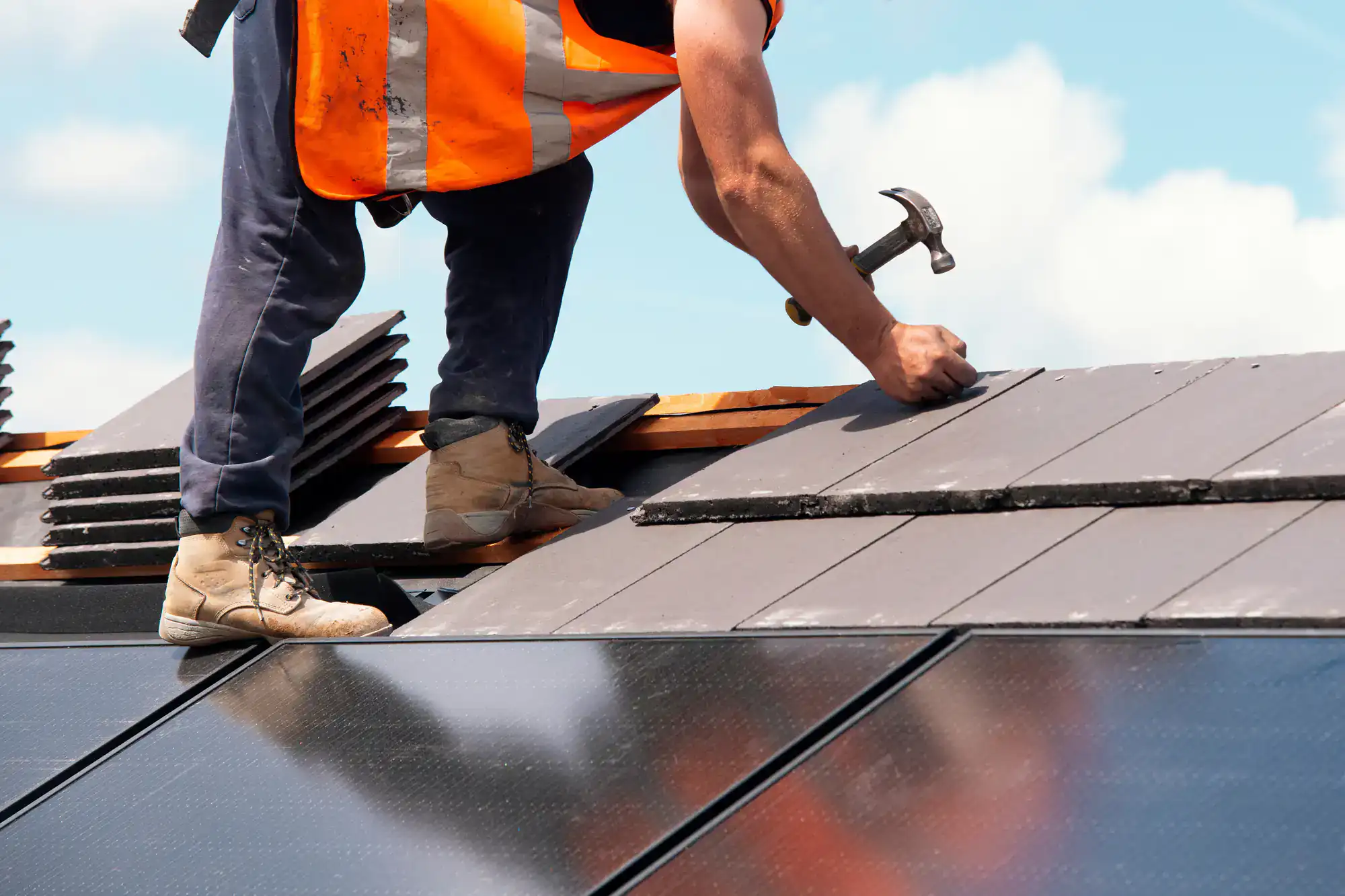
When your roof is solid, you stop thinking about it and that’s exactly the point. No more water stains spreading across your ceiling after a nor’easter rolls through. No more wondering if that soft spot near the chimney is getting worse. You just live in your house.
For Patchogue homeowners, that peace of mind carries extra weight. The Great South Bay is right there. Salt air off the water doesn’t just affect boats and outdoor furniture it works its way into flashing, fasteners, and shingle granules over time. A roof installed without accounting for coastal exposure won’t hold up the same way as one that was.
Many homes in Patchogue were built in the 1950s and 60s. Some go back even further well before World War II. That means hidden deck damage is common, and a quick patch job often just delays the real problem by a season or two. When we do the work properly the first time, you’re not calling back six months later because the leak came back in a different spot.
We’re a family-owned exterior contractor based in Brookhaven, NY the same Town of Brookhaven that governs Patchogue. That’s not a technicality. It means we know the local building department, we understand the permit process for work done within village limits, and we’re not a crew that showed up after the last big storm and will be gone before the next one.
We’ve been working on South Shore homes for over ten years. From the older Colonials near the Patchogue Theatre to the waterfront properties closer to the river, we’ve seen what this coastal environment does to roofing systems across every age and style of home. That experience shapes how we approach every job what materials we recommend, how we handle flashing in salt-air conditions, and what we look for when we’re up on a deck that’s been through a few decades of Long Island winters.
Every project gets documented with photos and videos. You’ll see what we found, what we replaced, and how it was installed whether you were home or not.
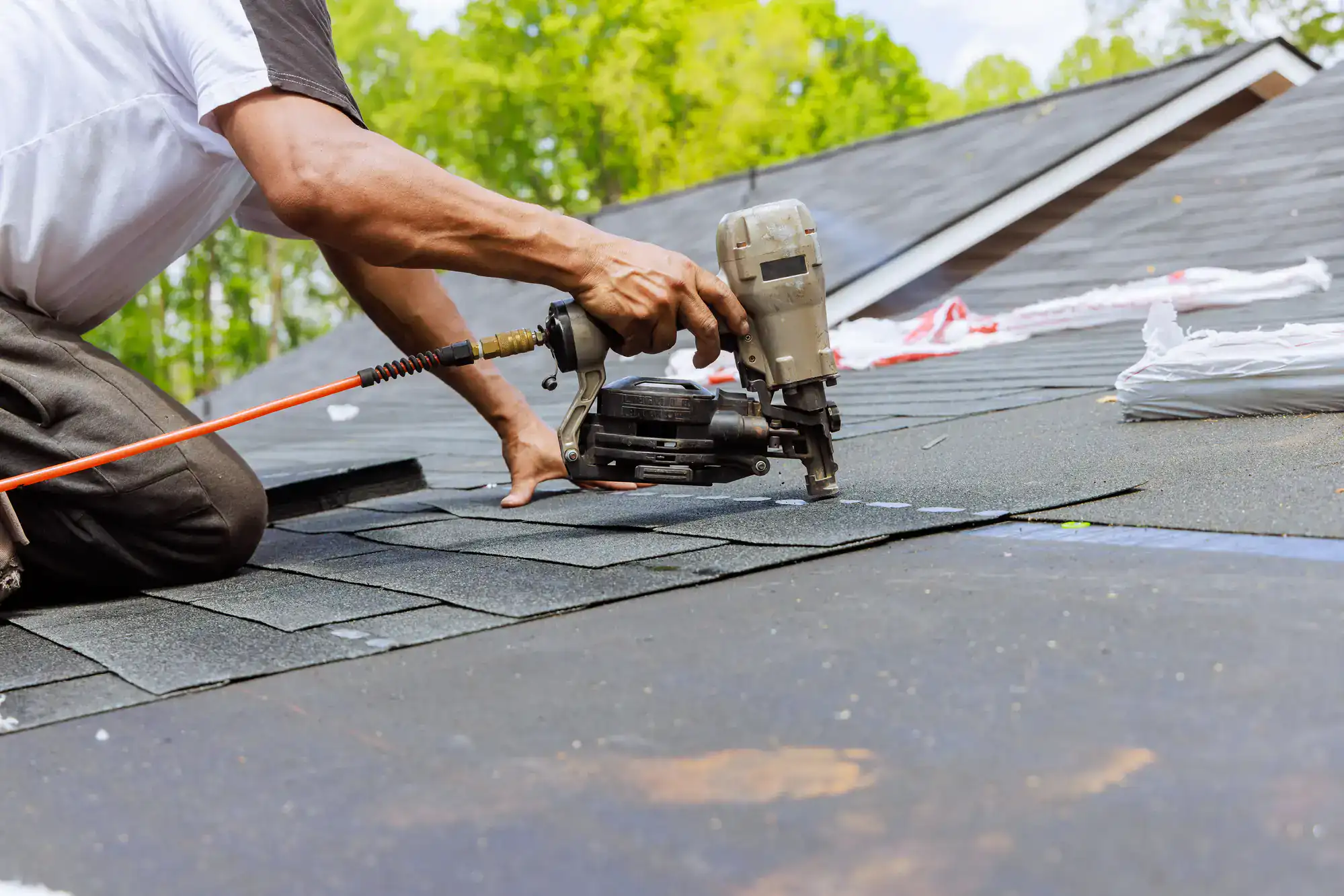
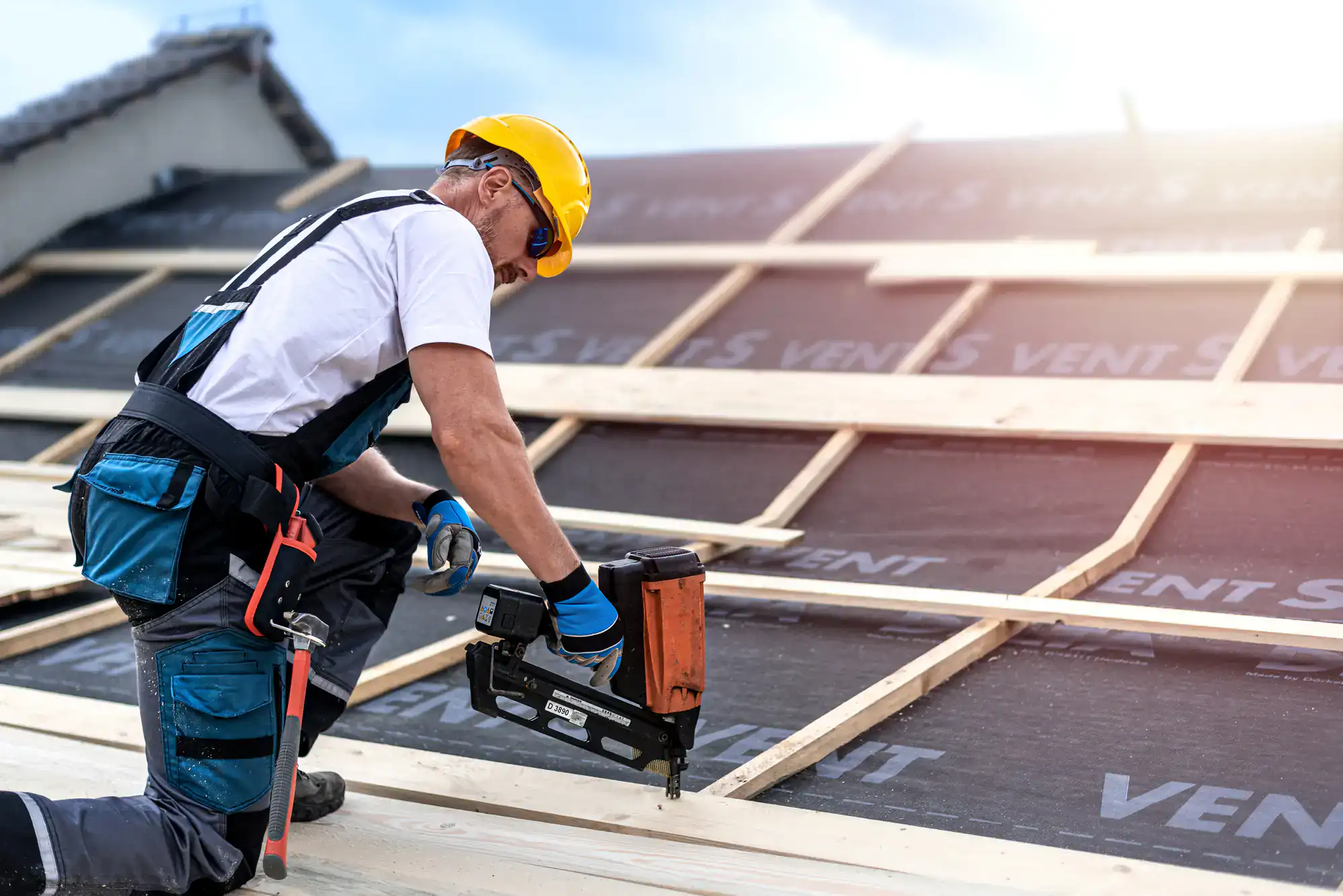
It starts with an inspection. We get on the roof, look at the deck, check the flashing around your chimney and any skylights, and assess the gutterline where ice dams tend to form during Patchogue’s freeze-thaw winters. We’re not up there looking for reasons to sell you a full replacement we’re looking at what’s actually there and what it actually needs.
From there, you get a written estimate with a real number. Not a range, not a ballpark a price. That’s the number you’ll pay when the job is done, with one exception: if we open things up and find rotted decking or hidden structural damage that wasn’t visible from the surface, we stop, document it with photos, explain it to you clearly, and get your approval before we touch anything additional. No surprises buried in the final invoice.
Because Patchogue is an incorporated village within the Town of Brookhaven, full roof replacements require a building permit. We handle that process. Once permits are in order, our crew shows up, does the work, and cleans up completely before leaving. After the job, you get the full photo and video documentation so you have a record of everything that was done useful for insurance, for future reference, and for your own peace of mind.
Ready to get started?
Most Patchogue homes are best served by a quality architectural asphalt shingle it’s the right balance of cost, durability, and performance for the majority of South Shore properties. But the shingle itself is only part of the equation. The underlayment, the flashing details, the fastening pattern those are the things that determine whether the roof holds up when the wind is coming off the bay at 50 miles per hour. Coastal wind uplift is a real and recurring problem in Patchogue, and it almost always comes down to installation, not the shingle brand.
For homes closer to the water properties along the Patchogue River, near the waterfront, or in the lower blocks south of Main Street metal roofing is worth a serious conversation. Metal handles salt air significantly better than asphalt over the long term, it’s rated for high-wind performance, and a properly installed metal roof can last 40 to 70 years. It’s a higher upfront investment, but for the right property it’s the last roof you’ll need to think about.
Beyond roofing, we handle gutters, siding, chimneys, skylights, and decks. If your roof inspection turns up gutter damage or compromised flashing around a chimney, you don’t need to find a separate contractor. One call covers the entire exterior which matters a lot when you’re dealing with an older Patchogue home where multiple systems may need attention at the same time.
Yes a full roof replacement in Patchogue requires a building permit. Patchogue is an incorporated village within the Town of Brookhaven, which means there’s a local building department with its own permitting and inspection requirements on top of the Town of Brookhaven’s process. Any project that involves a full tear-off, deck work, or structural changes needs to go through that process to comply with the New York State Uniform Fire Prevention and Building Code.
The practical side is straightforward: we handle the permit process on your behalf. You shouldn’t have to navigate that yourself. What you do need to know is that unpermitted roof work creates real problems down the road during a home sale, during an insurance claim, or when refinancing. If a contractor tells you permits aren’t necessary or suggests skipping them to save time, that’s a red flag worth taking seriously.
Roof replacement costs on Long Island run higher than national averages that’s the reality of the labor market and material costs in Suffolk County. For a typical single-family home in Patchogue, a full asphalt shingle replacement generally falls somewhere in the range of $12,000 to $20,000 depending on the size of the roof, the pitch, the condition of the deck underneath, and the materials specified. Homes with more complex rooflines, multiple penetrations, or significant hidden damage will land toward the higher end.
The most important thing to understand about roofing estimates is what they do and don’t include. A low number that doesn’t account for potential deck replacement, proper coastal flashing details, or permit fees isn’t really a lower price it’s an incomplete one. Get a written estimate that spells out exactly what’s included, and make sure the contractor is pulling permits. In Patchogue specifically, where homes are older and hidden damage is common, the difference between a complete estimate and a lowball one often shows up mid-project.
Salt air is the main factor that separates Patchogue from inland Suffolk County communities, and it affects different roofing components in different ways. For the shingles themselves, a high-quality architectural asphalt shingle with good granule adhesion holds up well for most properties. The more vulnerable components are actually the metal parts flashing around chimneys and skylights, drip edges, gutter brackets, and fasteners. Salt air accelerates corrosion on standard galvanized metal, so using stainless steel or aluminum components in coastal applications makes a meaningful difference in how long those details last.
For homes with significant bay exposure particularly those close to the Patchogue River or in the lower blocks near the waterfront metal roofing is worth evaluating. Standing seam metal roofs are rated for high-wind performance, resist salt air corrosion far better than asphalt over time, and can realistically last 40 to 70 years. The upfront cost is higher, but for the right property it eliminates the cycle of re-roofing every 20 to 25 years. The best material depends on your specific home, your budget, and how much direct coastal exposure you’re dealing with.
The short answer is that it depends on the age of the roof, the extent of the damage, and what’s happening underneath the shingles. A repair makes sense when the damage is genuinely isolated a few missing shingles after a storm, a flashing failure around a chimney, a small area of granule loss that hasn’t compromised the underlying mat. If the rest of the roof is in good shape and has meaningful life left in it, a targeted repair is the right call.
The situation changes when the roof is 20 or more years old, when you’re seeing widespread granule loss, when there are multiple leak points, or when a repair reveals deck damage that’s spread beyond the obvious area. In Patchogue, where a significant portion of homes were built before 1970 and many have been through one or two previous roof installations, it’s not uncommon to open up a repair and find that the deck underneath has been compromised in ways that weren’t visible from the surface. Patching over the problem costs you money twice once for the repair and once for the replacement that follows it a season or two later. A good inspection will tell you which situation you’re actually in.
Ice dams form when heat escaping from the living space warms the upper portion of the roof deck, melting snow that then runs down toward the cold eaves and refreezes. The resulting dam blocks drainage and forces water back up under the shingles past the point where the roofing system is designed to handle it. The water then enters the roof deck and eventually shows up as ceiling stains, wet insulation, or mold growth inside the home.
On Long Island’s South Shore, the freeze-thaw cycle through winter creates the exact conditions for this repeatedly temperatures drop below freezing overnight and rise above it during the day, over and over through January, February, and into March. Prevention comes from two directions: improving attic insulation and ventilation so less heat escapes through the deck in the first place, and installing a proper ice-and-water shield membrane along the eaves during roof installation. If your current roof was installed without adequate ice-and-water protection which is common on older Patchogue homes that’s something worth addressing before the next winter season.
Yes we serve the full Patchogue area, including North Patchogue, East Patchogue, and nearby communities like Blue Point and Bayport. While Patchogue village is its own incorporated municipality, the surrounding hamlets share the same South Shore roofing environment, the same aging housing stock, and the same coastal exposure patterns. The work we do in a home near Route 112 in North Patchogue isn’t fundamentally different from what we do a mile south inside the village the conditions are the same, and the approach is the same.
Being based in Brookhaven means we’re already in this part of Suffolk County. We’re not driving in from Nassau County or the North Shore. That proximity matters for practical reasons response time, familiarity with the local building departments, and the fact that we’re genuinely part of this area rather than treating it as a service territory on a map. If you’re in any of the communities that make up the broader Patchogue area and you need a roofing inspection, repair, or replacement, reach out and we’ll take a look.
Other Services we provide in Patchogue