
Hear From Our Clients

Your chimney stops leaking during storms. Water stains disappear. You’re not calling for emergency repairs at 2 AM anymore.
The carbon monoxide risk is gone because the liner is intact and properly installed. Your heating system vents correctly. Your family is safe.
You stop throwing money at temporary fixes that fail every few years. A proper chimney replacement in Patchogue, NY means marine-grade materials that handle what coastal weather throws at them. Salt air doesn’t penetrate. Moisture doesn’t seep through. Freeze-thaw cycles don’t crack the masonry.
Your home value stays protected. Future buyers see a recently replaced chimney with proper flashing, a new liner, and a weather-tight cap. That’s worth something when you sell.
Most importantly, you stop worrying. No more checking the ceiling after heavy rain. No more wondering if that smell is carbon monoxide. It’s handled.
Home Team Construction has been handling chimney replacement in Suffolk County for over two decades. We’re not a national franchise. We’re your neighbors.
We know what Long Island weather does to chimneys because we see it every day. The salt air from Great South Bay doesn’t just affect boats—it eats through standard masonry materials. The Nor’easters that slam Patchogue every winter find every weak point in aging chimneys.
We’re licensed, insured, and we handle all the permits with the Town of Brookhaven. You don’t chase inspectors or worry about code compliance. We coordinate everything, pass inspections, and give you documentation for your records.
Our reputation depends on getting chimney replacement right the first time. That’s why we use materials designed for coastal conditions and installation techniques that account for Long Island’s specific challenges.
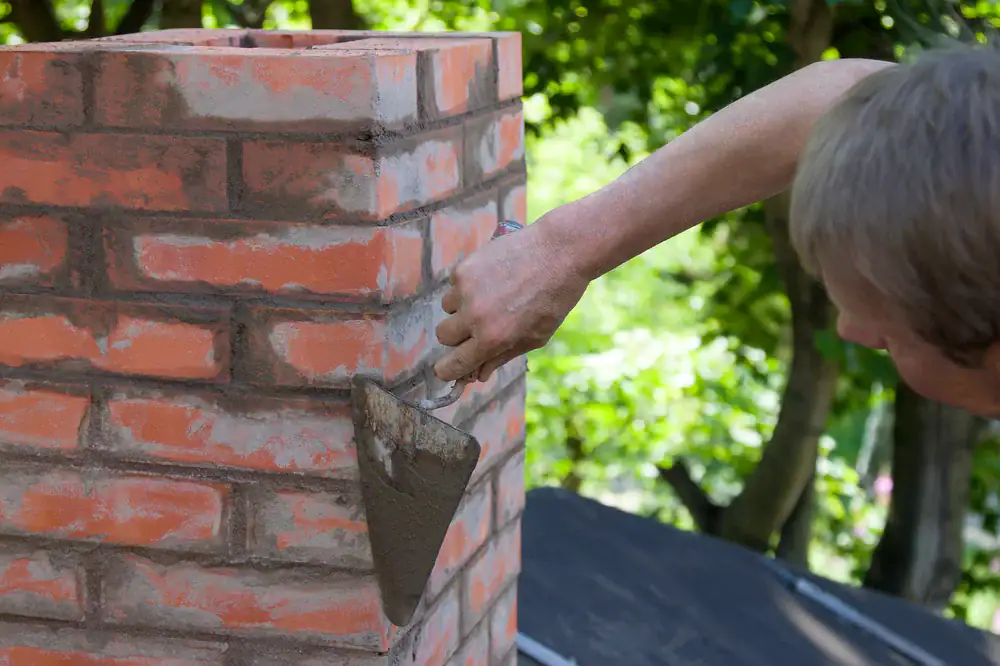
First, we inspect your current chimney and explain what’s failing and why. You get photos, a written assessment, and a fixed-price estimate that includes materials, labor, permits, and cleanup. No surprises.
Once you approve, we pull the required permits from Brookhaven and schedule the work during favorable weather. Most complete chimney replacements take 3-5 days depending on size and complexity.
We protect your roof and property with tarps and barriers. Then we carefully remove the old chimney from the roofline up—sometimes from the foundation if the entire structure needs replacement. All debris gets hauled away daily.
The new chimney goes up using marine-grade materials chosen specifically for Suffolk County’s coastal climate. We install new flashing that integrates with your roof system, a stainless steel liner sized correctly for your heating system, and a weather-tight chimney cap that keeps water and animals out.
We coordinate inspections with local building officials. Once everything passes, we walk you through the completed work and provide all documentation and warranty information. You’re done worrying about your chimney.

Ready to get started?
Chimney replacement in Patchogue means rebuilding the entire structure with materials that handle coastal conditions. That includes the chimney stack, crown, flashing, liner, and cap—everything from where it meets your roof to the top.
We use marine-grade mortar that resists salt air penetration. The bricks or stone are chosen for Long Island’s freeze-thaw cycles. Standard inland materials can’t handle the combined stress of coastal moisture and temperature swings.
The chimney liner replacement is critical for safety. We install properly sized stainless steel liners that vent your heating system correctly and prevent carbon monoxide from entering your home. The liner also protects the masonry from corrosive flue gases.
New chimney flashing integrates with your roof system to create a watertight seal. This is where most leaks start, so we don’t cut corners. The flashing is installed in layers with proper overlap and sealed correctly.
The chimney cap replacement at the top keeps rain, snow, and animals out while allowing proper ventilation. We use stainless steel caps with spark arrestor mesh—not the cheap aluminum ones that corrode in salt air within a few years.
Every chimney replacement includes permit acquisition, building inspector coordination, complete debris removal, and site cleanup. You get documentation for your records and a comprehensive warranty covering materials and workmanship.

Complete chimney replacement in Patchogue typically ranges from $8,000 to $15,000 depending on height, size, and complexity. That includes all materials, labor, permits, and cleanup.
Partial chimney rebuilds from the roofline up cost less than full replacements from the foundation. If only the top portion is damaged and the base structure is sound, you might spend closer to the lower end of that range.
The cost depends on several factors specific to your home. Taller chimneys require more materials and labor. Multiple flues cost more than single-flue chimneys. Difficult roof access or steep pitches add complexity.
Here’s what matters: when you’re facing frequent repairs that cost $1,500 to $3,000 each time, replacement often pays for itself within a few years. You’re also eliminating safety risks and water damage that can exceed $10,000 in structural repairs.
We provide fixed-price estimates before starting any work. You know exactly what you’re paying upfront—no surprise charges when the job is halfway done.
Replace your chimney when more than 25% of the masonry needs rebuilding. At that point, replacement typically costs less than extensive repairs and gives you a longer-lasting result.
If multiple components are failing simultaneously—cracked crown, deteriorated flashing, damaged liner, and crumbling mortar—replacement makes more financial sense than patching each problem separately.
Visible signs that indicate replacement over repair include large sections of missing or loose bricks, severe leaning or tilting, extensive water damage throughout the structure, and major cracks that run the full height of the chimney.
When your chimney is more than 50 years old and showing significant deterioration, repairs become a temporary bandage. Older chimneys in Patchogue often lack proper liners and weren’t built with materials designed for coastal conditions.
If you’re calling for chimney repairs every few years, you’re spending more in the long run than replacement would cost. That repair cycle usually means the underlying structure is failing, not just surface components.
The biggest factor: if your chimney poses safety risks from carbon monoxide leaks or structural instability, replacement is the only responsible option. You can’t patch your way out of fundamental structural failure.
A properly built chimney using marine-grade materials lasts 50-75 years in Patchogue’s coastal environment. That assumes correct installation, appropriate materials for salt air exposure, and basic maintenance like annual inspections.
Standard chimneys built with inland materials typically fail much sooner on Long Island—often within 20-30 years. The salt air, moisture from coastal storms, and freeze-thaw cycles accelerate deterioration when the wrong materials are used.
The chimney liner usually needs replacement before the masonry structure does. Stainless steel liners last 15-20 years depending on what fuel you burn and how often you use the fireplace. Clay tile liners crack sooner in freeze-thaw conditions.
Your chimney cap and flashing are the first components to show wear, typically needing attention every 10-15 years. These are much less expensive to replace than the entire chimney structure.
What extends chimney life in Suffolk County is using materials specifically chosen for coastal conditions from the start. Marine-grade mortar, properly fired bricks rated for freeze-thaw cycles, and stainless steel components that resist salt air corrosion make the difference.
Regular inspections catch small problems before they become structural issues. Most chimney failures happen because minor deterioration went unnoticed until it compromised the entire structure.
Yes, you need a building permit from the Town of Brookhaven for chimney replacement in Patchogue. Any structural work on chimneys requires permits and inspections to ensure safety and code compliance.
The permit process involves submitting plans that show the chimney design, materials, liner specifications, and how it integrates with your roof structure. The building department reviews these plans before issuing a permit.
You’ll need inspections at specific stages during construction. The inspector checks the foundation or base, verifies proper flashing installation, examines the liner, and does a final inspection when the chimney is complete.
We handle all permit acquisition and inspector coordination. You shouldn’t be chasing down permits or scheduling inspections yourself—that’s part of what you’re paying for.
Working without permits creates serious problems. Your homeowner’s insurance might deny claims related to unpermitted work. You’ll face fines from the town. When you sell your home, unpermitted work shows up in title searches and can kill deals or force you to tear down and rebuild at your expense.
Permits protect you by ensuring the work meets current building codes for structural integrity, fire safety, and proper ventilation. The inspection process catches problems before they become safety hazards.
Coastal chimney replacement in Patchogue requires marine-grade materials that resist salt air corrosion, moisture penetration, and freeze-thaw damage. Standard inland materials fail quickly in Long Island’s environment.
The mortar mix is different. Marine-grade mortar includes additives that prevent salt penetration and handle moisture without breaking down. Standard mortar absorbs salt air and deteriorates within years near the coast.
Brick selection matters more than most contractors realize. You need bricks rated for severe weathering and freeze-thaw cycles. Many standard bricks chip, flake, and crumble when exposed to coastal conditions and temperature swings.
All metal components—chimney caps, flashing, liners—must be stainless steel, not aluminum or galvanized steel. Salt air corrodes cheaper metals rapidly. We’ve seen aluminum caps completely deteriorate in under five years near the water.
The flashing installation technique is more complex for coastal applications. Water intrusion from driving rain during Nor’easters requires multiple layers of protection and careful integration with the roof system.
Chimney liner replacement in coastal areas means accounting for condensation from temperature differentials. The liner system needs proper insulation and installation to prevent moisture problems that don’t occur in drier inland climates.
Most contractors don’t understand these differences because they’re not dealing with coastal conditions daily. Using standard materials and techniques near the water guarantees premature failure.
You need complete chimney replacement when you see large cracks running vertically through multiple courses of brick, significant sections of missing or loose masonry, or visible leaning and tilting of the chimney structure.
Water stains on interior walls near the chimney, especially after every rainstorm, indicate serious flashing failure or structural problems that let moisture penetrate. If repairs haven’t stopped the leaking, the underlying structure is compromised.
White chalky deposits on the exterior bricks—called efflorescence—mean water is penetrating the masonry and pulling salts to the surface. This is common in Patchogue’s coastal climate and indicates the mortar is failing.
If you can see daylight through gaps in the mortar joints or the chimney crown is severely cracked and crumbling, the structure has deteriorated beyond simple repairs. These conditions let water enter, which accelerates damage through freeze-thaw cycles.
Spalling bricks—where the face of the brick pops off leaving a rough surface—throughout large sections of the chimney means water has penetrated and frozen repeatedly. This damage spreads and can’t be stopped with surface repairs.
The most dangerous sign is a chimney that’s pulling away from the house or leaning noticeably. This indicates foundation problems or structural failure that requires immediate attention and complete replacement.
When you’re unsure, get an honest assessment from us. We’ll tell you if repairs are sufficient or if replacement is the only safe, cost-effective option.
Other Services we provide in Patchogue