
Hear From Our Clients
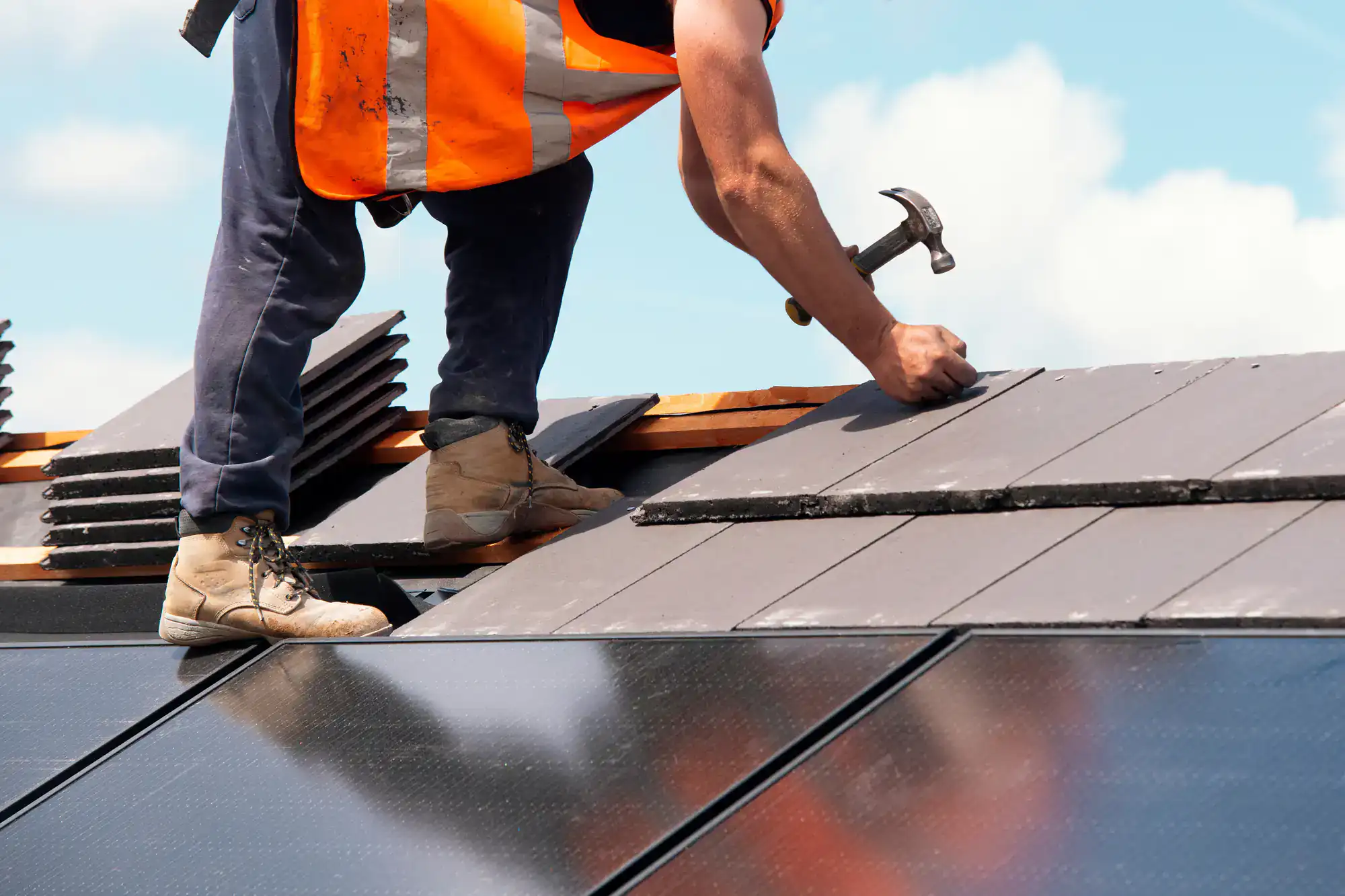
A roof that holds up in Southampton has to do more than keep rain out. It has to survive nor’easters that push 50–70 mph wind gusts across the South Fork, salt air that quietly corrodes flashing and fasteners season after season, and freeze-thaw cycles that open up small vulnerabilities into real problems before you even know they’re there. When the work is done right, you stop thinking about your roof and that’s exactly the point.
For second-home owners managing a Southampton property from the city, the bigger issue isn’t just the weather. It’s not knowing what’s happening when you’re not there. That’s where documentation changes everything. Every project gets photo and video records of the completed work, so you can see exactly what was done no guessing, no taking anyone’s word for it.
And because Southampton’s housing stock is predominantly cedar shake and traditional shingle-style architecture, material choices actually matter here. The wrong shingle profile on a historic estate off Jobs Lane or a Dune Road oceanfront home isn’t just a cosmetic issue it can trigger Architectural Review Board concerns and affect your property’s value. Getting it right the first time isn’t a bonus. It’s the baseline.
We’re a family-owned exterior contractor based in Suffolk County, and we’ve been working on Southampton’s coastal homes for over a decade. Roofing, siding, gutters, chimneys, skylights, and decks all under one roof, one relationship, one point of accountability. That matters more than it sounds when you’re managing a property in Southampton and you’re not always around to supervise.
Alban, our owner, is personally named in customer reviews not because it’s a marketing angle, but because that’s how we actually run the business. You’re not dealing with a call center or a rotating crew of subcontractors. The same people who quote your job are accountable for the result.
We serve homeowners from Hampton Bays to Sagaponack and throughout the South Fork, and the work here is built around one idea: fix it right so you don’t have to call again before the next storm season.
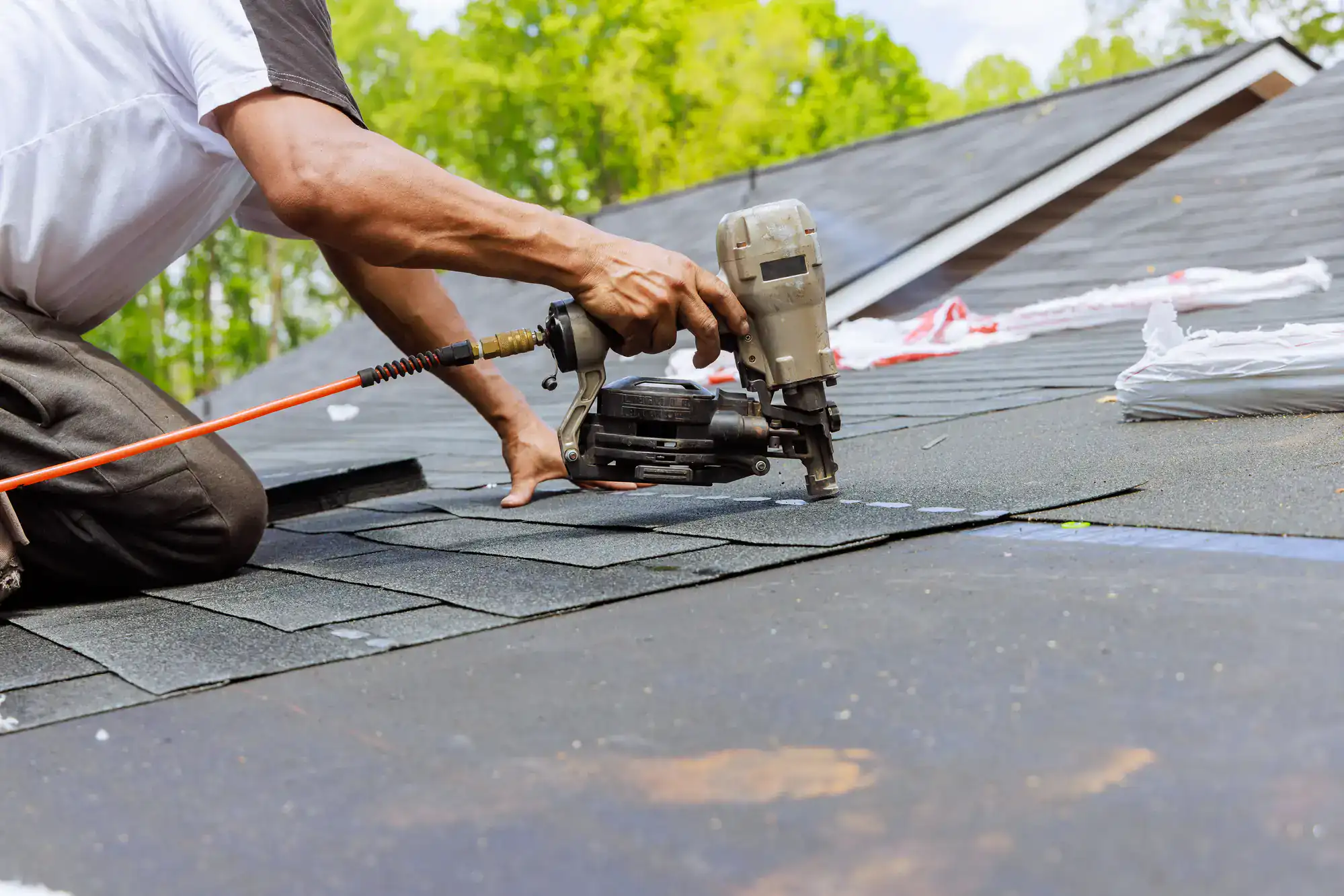
It starts with a real inspection not a sales pitch with a clipboard. We assess your roof for storm damage, material wear, flashing condition, and anything specific to your home’s exposure. Properties along Dune Road or the Peconic Bay shoreline get evaluated with the understanding that salt air and direct ocean exposure create failure points that inland homes simply don’t face. That context shapes the recommendation you get.
From there, you receive upfront pricing before any work begins. The number quoted is the number you pay. No scope creep, no surprise line items when the crew gets on the roof. If the project requires a building permit which it often does in Southampton, where both the Town and the Village have separate Building and Zoning requirements we handle that process properly so your work is compliant and documented.
Once the job is complete, you get photo and video documentation of the finished work. For homeowners who weren’t on-site, this isn’t a courtesy it’s the proof that what was agreed to is what actually happened. Cleanup is included. The job isn’t done until the property looks the way it did before we arrived, minus whatever problem brought you to us in the first place.
Ready to get started?
We cover the full range of roofing services that Southampton homeowners actually need full roof replacements, storm damage repairs, leak diagnosis, flashing repairs, and material-specific work on cedar shake, asphalt shingle, and metal roofing systems. If you’ve got an older estate home in Southampton Village or a property in the Bridgehampton or Water Mill area, we account for the architectural character of the home, not just the square footage of the roof.
Metal roofing is increasingly common on South Fork properties, and for good reason. It handles salt air better than most materials, sheds water faster, and holds up under the kind of wind loads that Southampton’s coastal position regularly delivers. If you’re replacing a roof on an oceanfront or bay-front property and you’re thinking long-term, it’s worth the conversation.
Gutter systems, chimney work, siding, skylights, and decks are also part of what we handle which means if your roof inspection turns up related issues on the exterior, you don’t have to go find another contractor. One company, one crew, one job done completely. For homeowners managing a high-value Southampton property from a distance, that simplicity isn’t just convenient. It’s genuinely protective.
In most cases, yes. Southampton operates a dual permit structure, meaning the Town of Southampton and the incorporated Village of Southampton each have their own Building and Zoning divisions with separate requirements. If your property falls within the Village limits, you’ll need a permit from the Village Building Inspector. If it’s in an unincorporated part of the town, the Town’s Building and Zoning Division handles it.
Beyond the standard permit, properties in coastal erosion hazard areas which includes a significant portion of Southampton’s oceanfront and bay-front housing stock may face additional requirements tied to flood damage prevention and coastal construction standards. Homes elevated on pilings or raised foundations in FEMA flood zones along Dune Road, for example, have specific permit conditions that affect how the work is documented and inspected. Working with a contractor who understands this landscape upfront saves you from compliance issues that can surface during a future sale or refinance.
It depends heavily on the material and the home’s exposure. A standard asphalt shingle roof in an inland Suffolk County town might last 20–25 years under normal conditions. On a Southampton property especially anything close to the Atlantic Ocean, Shinnecock Bay, or the Peconic Bay shoreline that lifespan can be meaningfully shorter if the roof isn’t maintained and inspected regularly. Salt air accelerates corrosion on metal components like flashing, drip edge, and fasteners, even when the shingles themselves still look intact.
Cedar shake roofs, which are common on Southampton’s older estate homes, have their own timeline. They can last 30+ years with proper maintenance, but they’re more vulnerable to moss and algae growth in the humid coastal environment and need periodic cleaning and treatment to hit that mark. Metal roofing systems tend to perform best in high-exposure coastal conditions and can last 40–50 years when properly installed. If your roof is approaching the 15-year mark and you haven’t had it inspected recently, that’s worth doing before the next storm season starts.
For homes with direct ocean or bay exposure think Dune Road, North Sea, or anything sitting close to the Shinnecock Inlet the material conversation is different than it is for an inland home. Asphalt shingles are the most common and cost-effective option, and a quality architectural shingle from a manufacturer like GAF, Owens Corning, or CertainTeed will hold up reasonably well. But on a high-exposure property, metal roofing is worth serious consideration. Standing seam metal in particular handles salt air, high wind loads, and heavy rain far better than most shingle systems, and it eliminates the vulnerability of individual shingle tabs lifting or tearing in a storm.
For historic or traditional shingle-style homes in Southampton Village, material selection also has an aesthetic dimension. Certain zones are subject to Architectural Review Board oversight, which means the color, profile, and material of your new roof may need to align with the character of the home and the surrounding streetscape. Getting that right upfront avoids a situation where approved work still creates ARB complications down the line.
This is one of the most common situations in Southampton, and it’s exactly why documentation matters. A significant portion of Southampton homeowners are managing their properties from New York City or elsewhere and can’t be on-site for every project. The way to handle it well is to work with a contractor who communicates proactively and documents everything not just the damage or the materials used, but the completed work itself, with photos and video you can actually review.
Before any work begins, you should receive a written scope of work and upfront pricing so there are no surprises on the invoice. During the job, a good contractor keeps you updated if anything unexpected comes up a layer of rotted decking under the shingles, flashing that needs to be replaced rather than reused, that kind of thing. And when the job is done, you should have a visual record that shows what was done, not just a receipt. For a property worth what Southampton homes are worth, that level of accountability isn’t optional it’s the minimum standard.
Some signs are visible from the ground missing shingles, displaced ridge caps, gutters that have pulled away from the fascia, or debris damage on low-slope sections. But a lot of storm damage on Southampton roofs isn’t obvious until someone gets up there and looks closely. Wind events that push 50–70 mph across the South Fork can lift shingle tabs without fully removing them, breaking the seal and creating a water entry point that won’t show up inside the home until weeks or months later.
After any significant nor’easter or coastal storm, it’s worth having your roof inspected even if everything looks fine from the driveway. Pay particular attention to flashing around chimneys, skylights, and pipe penetrations these are the first places water finds a way in after the seals are compromised by wind and thermal movement. If your property was unoccupied during the storm, an inspection with photo documentation gives you a clear record of the roof’s condition, which is useful both for your own peace of mind and for any insurance claim that might follow.
Generally, yes if the damage is sudden and caused by a covered peril like wind, hail, or a falling tree, most standard homeowners insurance policies will cover roof repair or replacement. The challenge in Southampton is that storm damage here can be subtle. A nor’easter that makes the news for flooding along Dune Road may have also caused wind damage to roofs throughout the village and surrounding hamlets that doesn’t get discovered until the next heavy rain.
The key is documentation. Insurance adjusters work from evidence, and a roof inspection that produces clear photos of the damage when it happened, what it looks like, and what it will take to fix gives your claim a much stronger foundation than a verbal description. Some policies also have specific provisions for coastal properties or homes in flood zones, so it’s worth reviewing your coverage before storm season rather than after. If you’re filing a claim, having a contractor who can walk through the damage assessment with you and provide a detailed written estimate makes the process significantly easier.
Other Services we provide in Southampton