

Hear From Our Clients

You’re not paying for gutter repair. You’re paying to avoid foundation cracks, basement floods, and rotted fascia boards that cost five times more to fix later.
When your gutters channel water away from your home properly, your foundation stays dry through every nor’easter. Your landscaping doesn’t wash away. Your siding doesn’t streak or rot. Ice dams don’t form on your roof in winter, and you’re not dealing with mold in your basement come spring.
Southampton’s coastal climate is brutal on gutters. Salt air corrodes metal faster than inland areas. You get 40-50 inches of rain annually, plus 35-40 inches of snow. That’s constant water flow, constant expansion and contraction, constant stress on every joint and hanger. When one section fails, the whole system starts breaking down.
Most homeowners don’t notice gutter problems until water’s already pooling around their foundation or dripping behind the fascia. By then, you’re looking at structural repairs, not just gutter work. That’s the difference between a few hundred dollars now and several thousand later.
We’ve served Suffolk County homeowners for more than a decade. We’re not a national franchise or a crew passing through—we live here, our reputation is here, and we understand what Long Island weather does to your home.
We’ve repaired gutters on everything from historic Southampton estates to newer coastal properties. We know which materials hold up to salt air and which ones fail in two years. We know how to pitch gutters for heavy rain and reinforce them for snow loads.
When you call us, you’re getting someone who’s seen what happens when gutters fail during a nor’easter. We’ve helped homeowners deal with insurance claims after storm damage. We’ve fixed the same properties multiple times because previous contractors used the wrong materials or didn’t understand coastal conditions. That’s not how we work.
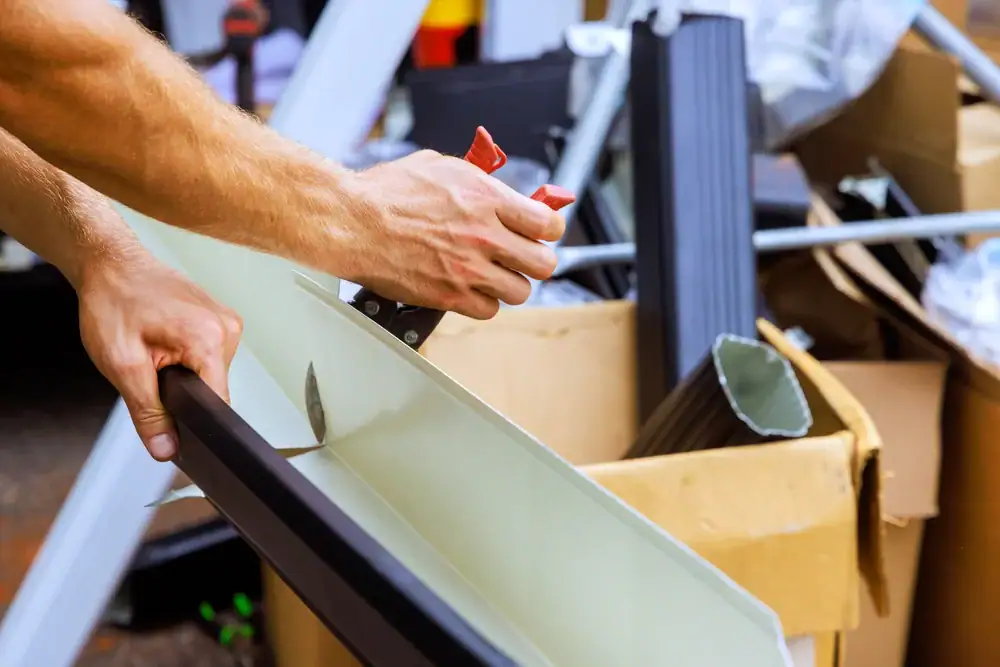
First, we inspect your entire gutter system—not just the spot you called about. We check every section, every hanger, every downspout, and the fascia boards behind them. Most gutter problems don’t exist in isolation. If one section is sagging, others are probably stressed too.
We’ll show you exactly what’s wrong and what it’ll take to fix it. If you’ve got a simple leak, we’ll seal it properly with marine-grade sealant that holds up to coastal conditions. If sections are sagging or pulling away, we reinforce or replace hangers and adjust the pitch so water flows correctly. If your fascia is rotted, we’ll tell you that too—because fixing gutters attached to bad wood doesn’t solve anything.
For storm damage, we document everything for insurance claims. We take photos, write detailed assessments, and work with your insurance company directly if needed. We’ve done this enough times to know what adjusters look for.
Once repairs are done, your gutters should last another 10-15 years minimum if you maintain them. We use corrosion-resistant hardware, proper fasteners for coastal exposure, and sealants that don’t break down in salt air. The repair should survive multiple storm seasons without failing.

Ready to get started?
Every gutter repair starts with a full system inspection. We’re looking at the big picture—how water flows from your roof, through your gutters, down your downspouts, and away from your foundation. If one part isn’t working, the whole system suffers.
We seal leaks at joints and seams using marine-grade sealants designed for coastal weather. Regular caulk fails fast here—you need materials that handle temperature swings, salt exposure, and constant moisture. We replace damaged sections rather than patching them with temporary fixes that’ll fail in six months.
Hangers and brackets get reinforced or replaced if they’re loose, rusted, or spaced too far apart. Southampton gets heavy snow loads and high winds—your gutters need to handle that stress. We adjust pitch and slope so water actually flows toward downspouts instead of pooling in sections. Standing water means mosquitoes, rust, and eventual failure.
If your fascia boards show rot or water damage, we’ll address that too. You can’t mount gutters to compromised wood and expect them to hold. We also check that downspouts drain at least 6-10 feet from your foundation—anything less and you’re just moving the problem closer to your basement.
This isn’t about making your gutters look pretty. It’s about making sure they do their job through every storm season without dumping water where it’ll cause expensive damage.

If you’ve got isolated problems—a few leaking joints, some sagging sections, loose hangers—repair usually makes sense. You’re looking at a fraction of replacement cost, and properly done repairs can last another 10-15 years.
Replacement makes more sense when you’ve got widespread corrosion, multiple sections pulling away from the house, or fascia damage behind the gutters. If your gutters are 20+ years old and showing problems in several areas, you’re often better off replacing the system than chasing repairs every year.
We’ll tell you honestly which route makes sense for your situation. Sometimes homeowners want to repair everything to save money upfront, but if the whole system is compromised, you’re just delaying the inevitable and possibly letting water damage get worse in the meantime.
Coastal salt air is the biggest culprit. It accelerates corrosion on metal gutters and hardware faster than you’d see even 20 miles inland. Combine that with 30-40 freeze-thaw cycles every winter, and you’ve got constant expansion and contraction loosening joints and hangers.
Southampton also gets hit with nor’easters that dump heavy rain and create high winds. If your gutters aren’t properly secured or pitched, that stress adds up fast. Debris is another factor—oak pollen in spring, leaves in fall, and everything that blows off the ocean creates clogs that make water overflow and pool in sections.
A lot of gutter failures come down to installation quality and materials. If the original installer used standard hardware instead of corrosion-resistant fasteners, or spaced hangers too far apart, or didn’t pitch the gutters correctly, you’re going to have problems within a few years regardless of weather.
Yes, we offer emergency gutter repair year-round, including after major storms. Some repairs are weather-dependent—sealants need certain temperatures to cure properly—but we can handle urgent issues like sections that have pulled completely away or downspouts that have detached.
After storm damage, timing matters. Water that’s pouring off your roof and pooling around your foundation doesn’t wait for perfect weather. We’ll stabilize the immediate problem and schedule permanent repairs as soon as conditions allow.
For insurance claims, we document storm damage thoroughly with photos and detailed assessments. We’ve worked with every major insurance company serving Long Island, so we know what information they need and how to present it. The sooner you call after damage occurs, the easier the claim process typically goes.
Properly done repairs using the right materials should last 10-15 years minimum, even in Southampton’s harsh coastal environment. That means marine-grade sealants, corrosion-resistant fasteners, and proper techniques for coastal exposure—not the same approach you’d use inland.
The lifespan depends partly on maintenance. If you let debris build up and water sit in your gutters, even quality repairs will fail faster. Annual cleaning and inspection catch small issues before they become big problems. Most gutter failures don’t happen overnight—they’re the result of small problems that got ignored.
If repairs fail within a year or two, it usually means the wrong materials were used or the underlying problem wasn’t actually fixed. A leak might get sealed, but if the gutter’s still sagging and pooling water in that spot, the seal will eventually break. That’s why we look at the whole system, not just the obvious problem.
Water finds a way. When gutters overflow or leak, that water runs down your siding, pools around your foundation, and seeps into places it shouldn’t go. In fall, water that collects around your foundation freezes in winter and expands, creating pressure that turns minor foundation issues into major structural problems.
You’ll see staining and rot on your siding where water constantly runs. Your fascia boards—the wood behind your gutters—start rotting, which means eventually your gutters will pull completely away from the house. If water gets into your walls, you’re dealing with mold and interior damage that costs thousands to remediate.
Ice dams are another consequence. When gutters don’t drain properly, water backs up under your roof shingles in winter. That leads to roof leaks, damaged insulation, and ceiling stains. The average cost to fix foundation problems, roof damage, and mold issues from failed gutters runs $5,000-$10,000 or more. Gutter repair costs a fraction of that.
Yes, we provide complete insurance claim assistance including documentation, photos, and detailed damage assessments. We’ve worked with every major insurance company serving Long Island, so we understand what they need to process claims efficiently.
After a storm, we’ll inspect your gutters and document all damage thoroughly. We take photos from multiple angles, note specific problems, and write clear descriptions of what failed and why. If your adjuster needs to see the damage in person, we’ll coordinate that timing and walk them through what happened.
We can provide repair estimates in the format your insurance company requires, and we’ll work directly with them on your behalf if you prefer. The key is calling soon after damage occurs—insurance companies want timely reporting, and waiting weeks or months can complicate claims. We’ve helped dozens of Southampton homeowners navigate this process, and we know how to present information so claims get approved without unnecessary back-and-forth.
Other Services we provide in Southampton