Hear From Our Clients
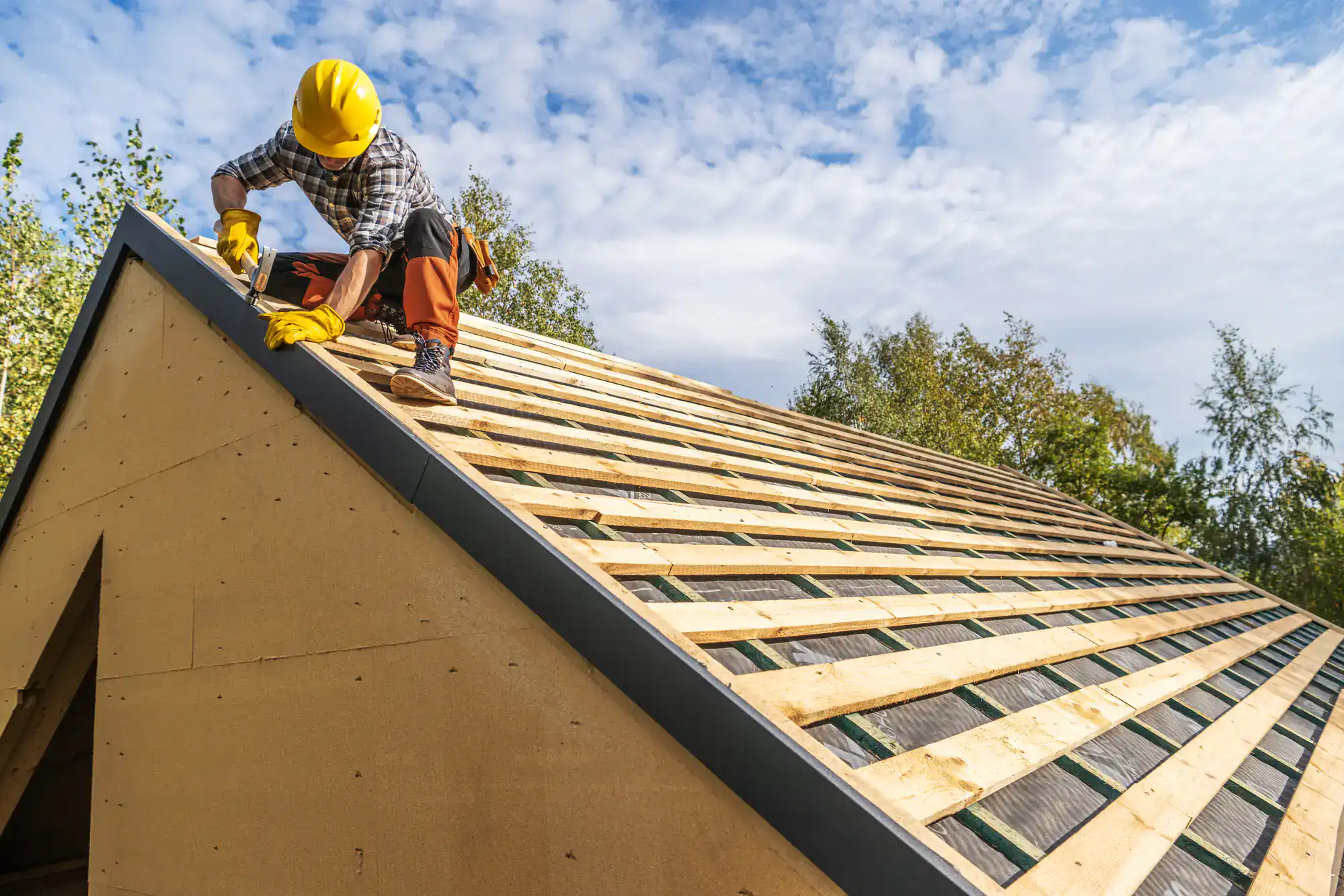
Living near the Peconic River and Flanders Bay means your roof is dealing with something most of Long Island isn’t a combination of salt air off the bay, freshwater moisture from the river, and year-round debris from the pine barrens canopy surrounding Flanders. That’s not a single problem. It’s three problems working on your roof at the same time, and most contractors quote jobs out here without ever thinking about any of them.
When we finish a job in Flanders, you’re not just getting new shingles. You’re getting a roof that was assessed and installed with those conditions in mind flashing checked for salt corrosion, valleys cleared of pine needle buildup, and materials selected for what your specific property actually faces. That matters when the next nor’easter rolls through and the East End takes a direct hit.
A lot of the homes in Flanders were built in the 1950s and 60s. That housing stock has character, but it also has age. When we work on a ranch or cottage from that era, we’re looking at the whole picture deck condition, ventilation, underlayment not just what’s visible from the driveway. You get a clear report of what we found, what we did, and what your roof looks like now, backed by photos and video from every job.
We’ve been working across Suffolk County for over a decade. Flanders isn’t a stretch of our service area it’s part of the same eastern Long Island territory we’ve been working in since the beginning. We know the Southampton Town permitting process, we know what the East End weather does to roofs, and we’re not a name that disappears after one storm season.
The owner, Alban, is personally involved in every job. That’s not a tagline it’s just how we operate. When you call, you’re not getting a call center or a commissioned salesperson. You’re talking to someone who will actually show up, assess the situation honestly, and tell you what you need without padding the scope.
Customers in Flanders and the surrounding area hire us once and come back for the next project. That pattern gutters after the roof, siding after the gutters is the most honest thing we can say about the quality of our work.
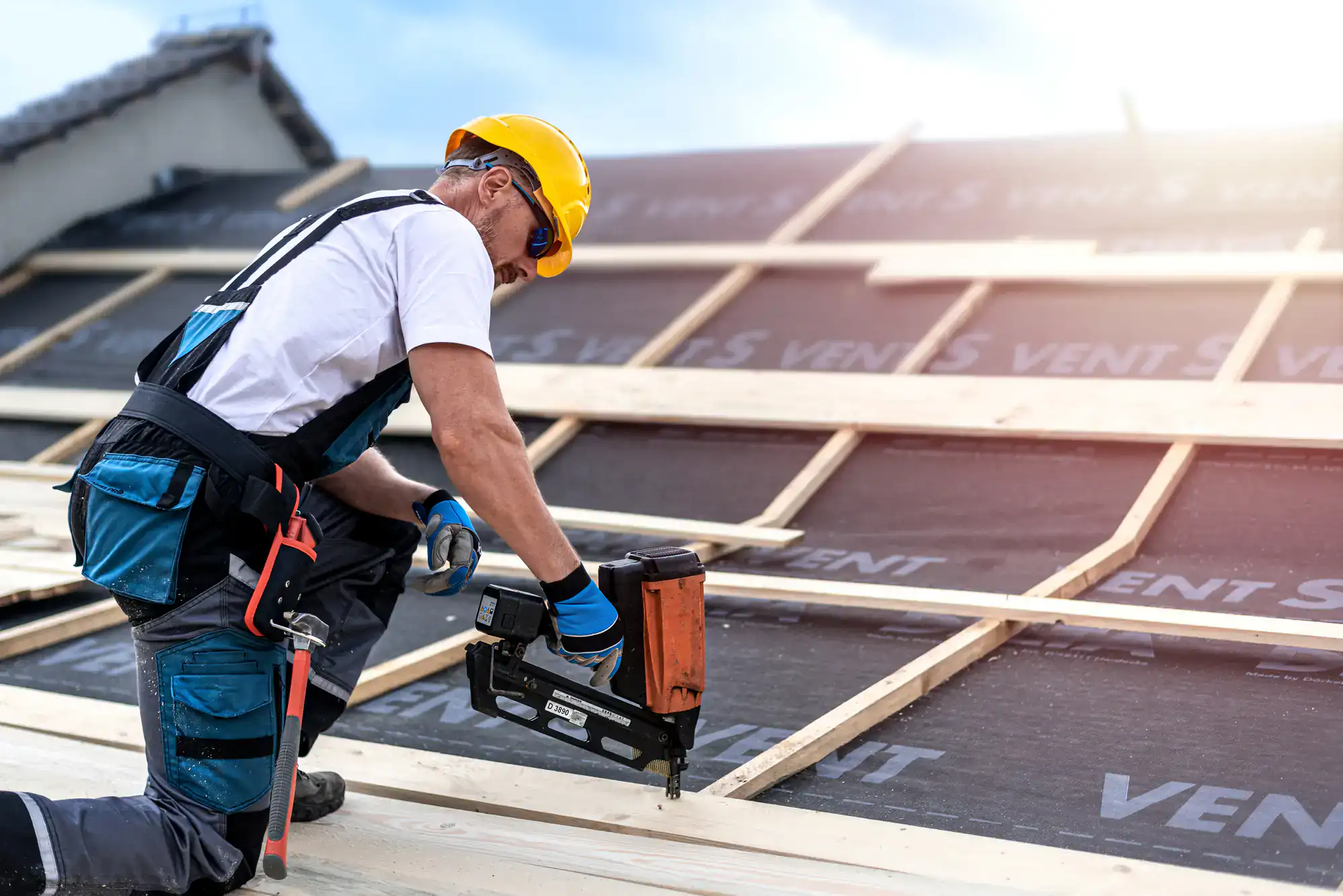
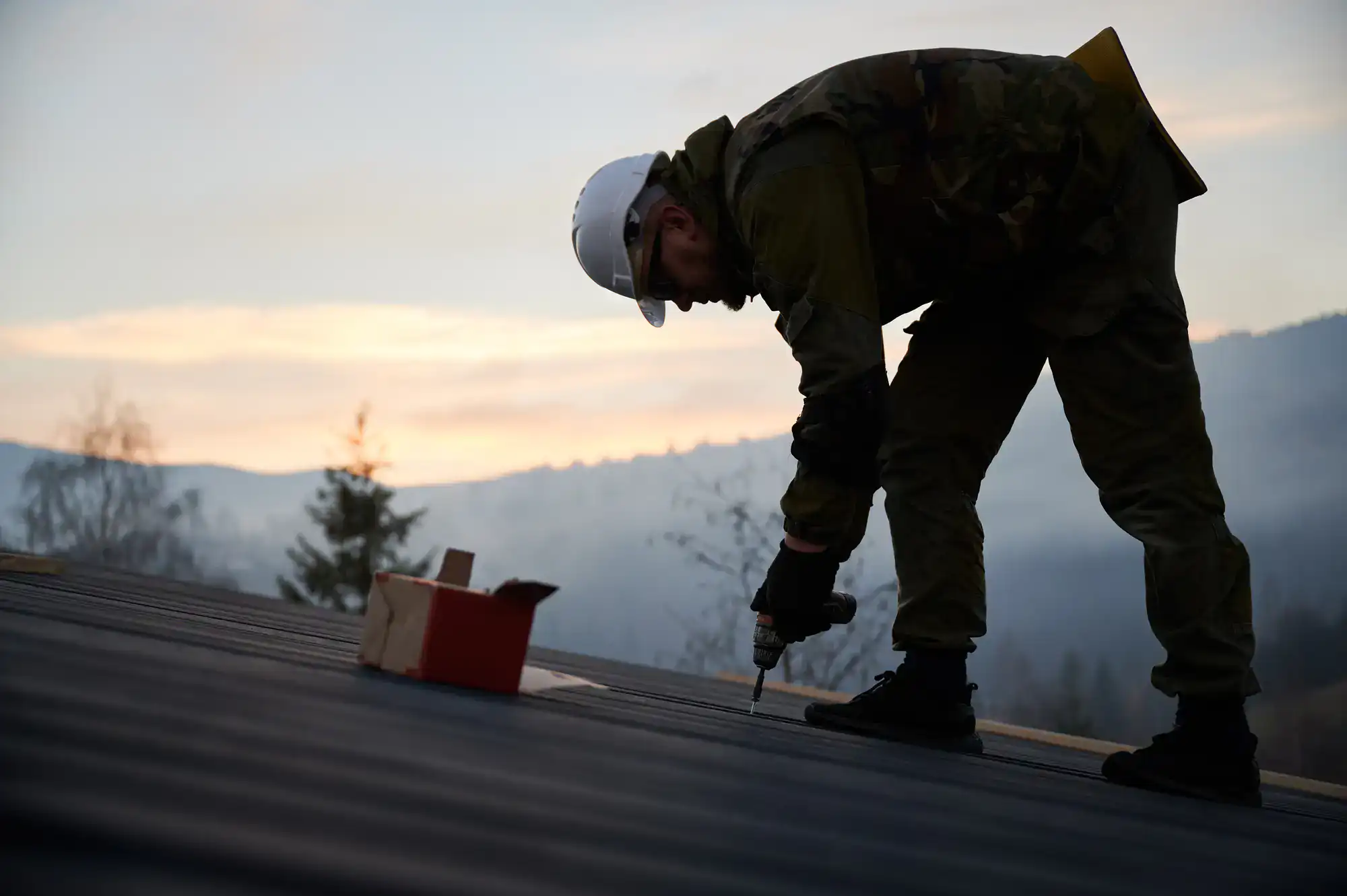
It starts with a real assessment, not a sales visit. We get on the roof, look at what’s actually there, and document it photos, video, the condition of the deck, the flashing around your chimney or skylight, the state of the valleys where pine needles and debris collect. You see what we see. That’s not standard practice in this industry, but it’s how we work.
Ready to get started?
We handle everything your roof needs. Emergency repairs when storms hit and you need someone now. Full replacements when your roof has reached the end of its lifespan. Leak detection and repair before small problems become expensive ones. Chimney flashing, skylight sealing, gutter work, and anything else that keeps water where it belongs.
In Flanders, your roof faces conditions most inland areas never deal with. Salt air from the Atlantic accelerates corrosion on every metal component. Coastal storms bring wind-driven rain that finds every weak point. Temperature swings from winter freezes to summer heat stress materials year-round.
That’s why we use storm-resistant materials engineered for coastal environments. Impact-rated shingles. Corrosion-resistant flashing. Proper underlayment that creates a secondary barrier when wind gets under shingles. These aren’t upgrades, they’re necessities if you want your roof to last more than a few seasons out here.
You also get transparent pricing, clear timelines, and communication throughout the process. We’re not the cheapest option, and that’s intentional. Cheap roofing fails fast in this climate. You’re paying for materials that work and installation that meets the standards your roof needs to survive Long Island weather.
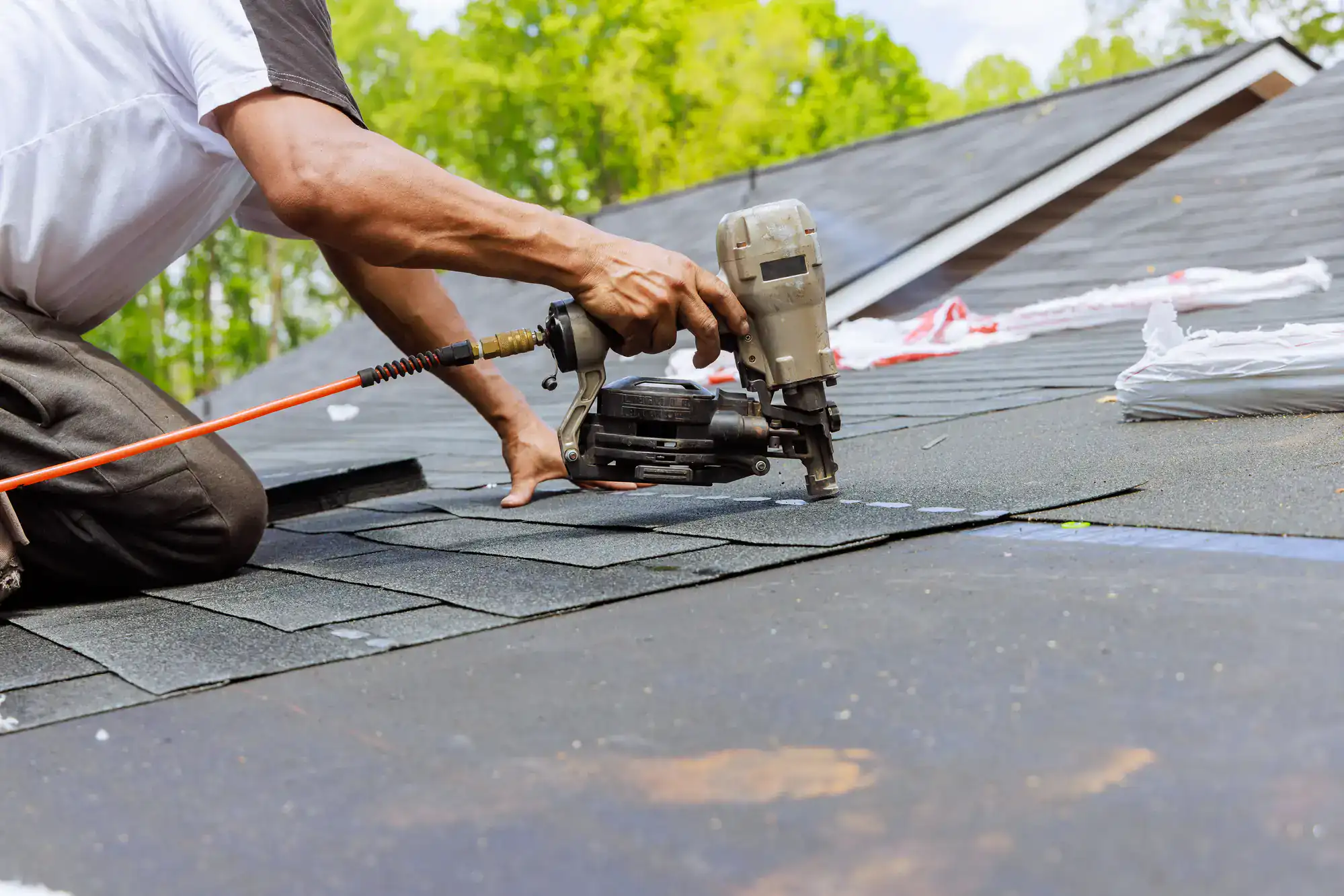
If your roof is under 15 years old and the damage is localized to one area, repairs usually make sense. Missing shingles from a recent storm, a small leak around the chimney, damaged flashing – these are fixable without replacing everything.
But if your roof is over 20 years old, or if you’re seeing multiple problem areas, or if the shingles are curling and losing granules across large sections, replacement is the smarter move. Patching an old roof is like putting new tires on a car with a failing engine. You’re spending money on something that’s going to need more work soon anyway.
We’ll tell you honestly which situation you’re in. If repairs will buy you another five to seven years, we’ll say that. If your roof is done and repairs are just delaying the inevitable, we’ll say that too. You’ll get photos of what we’re seeing and a clear explanation of why we’re recommending what we’re recommending.
Salt air is corrosive. It eats through standard metal flashing, fasteners, and drip edges faster than you’d expect. If your roofer is using the same materials they’d use in central New York, your roof components will fail years earlier than they should.
Coastal roofing requires corrosion-resistant materials, proper ventilation to handle humidity, and installation techniques that account for higher wind loads. Shingles need to be rated for wind resistance. Underlayment needs to handle moisture that works its way under shingles during storms. Every penetration point – chimneys, skylights, vents – needs to be sealed correctly because wind-driven rain will find any gap.
Most roofing contractors don’t think about these factors because most places don’t need them. In Flanders, they’re the difference between a roof that lasts 15 years and one that starts failing at year eight. We’ve been working in Suffolk County long enough to know what holds up and what doesn’t.
If a storm just came through and your roof is leaking, we prioritize getting someone out the same day or next morning. Emergency situations don’t wait for business hours, and neither do we.
First priority is stopping the damage. We’ll tarp or temporarily seal the affected area so you’re not dealing with water pouring into your house while we schedule the full repair. Then we document everything for your insurance claim and get you a repair estimate.
Storm season keeps us busy, but we triage based on urgency. Active leaks and major damage get handled first. If your situation is less critical, we’ll give you an honest timeline instead of promising something we can’t deliver. You’ll know where you stand and when we can get to you.
Yes, and we’ve done it enough times to know how the process works. We document the damage with detailed photos and notes that insurance adjusters actually need. We provide written estimates that break down materials and labor clearly. We can meet with your adjuster on-site if that helps move things along.
We work with every major insurance carrier serving Long Island. Some are easier to deal with than others, but we know what documentation they require and how to present the claim so you’re not going back and forth for weeks.
You’re still the one dealing with your insurance company, but we handle the technical side. We’re not public adjusters, so we can’t negotiate your claim for you. But we can make sure the scope of work is accurate and that nothing gets missed in the assessment.
Most residential roof replacements take two to four days depending on size, complexity, and weather. A straightforward ranch with good access can be done in two days. A larger two-story home with multiple valleys, chimneys, and skylights takes longer.
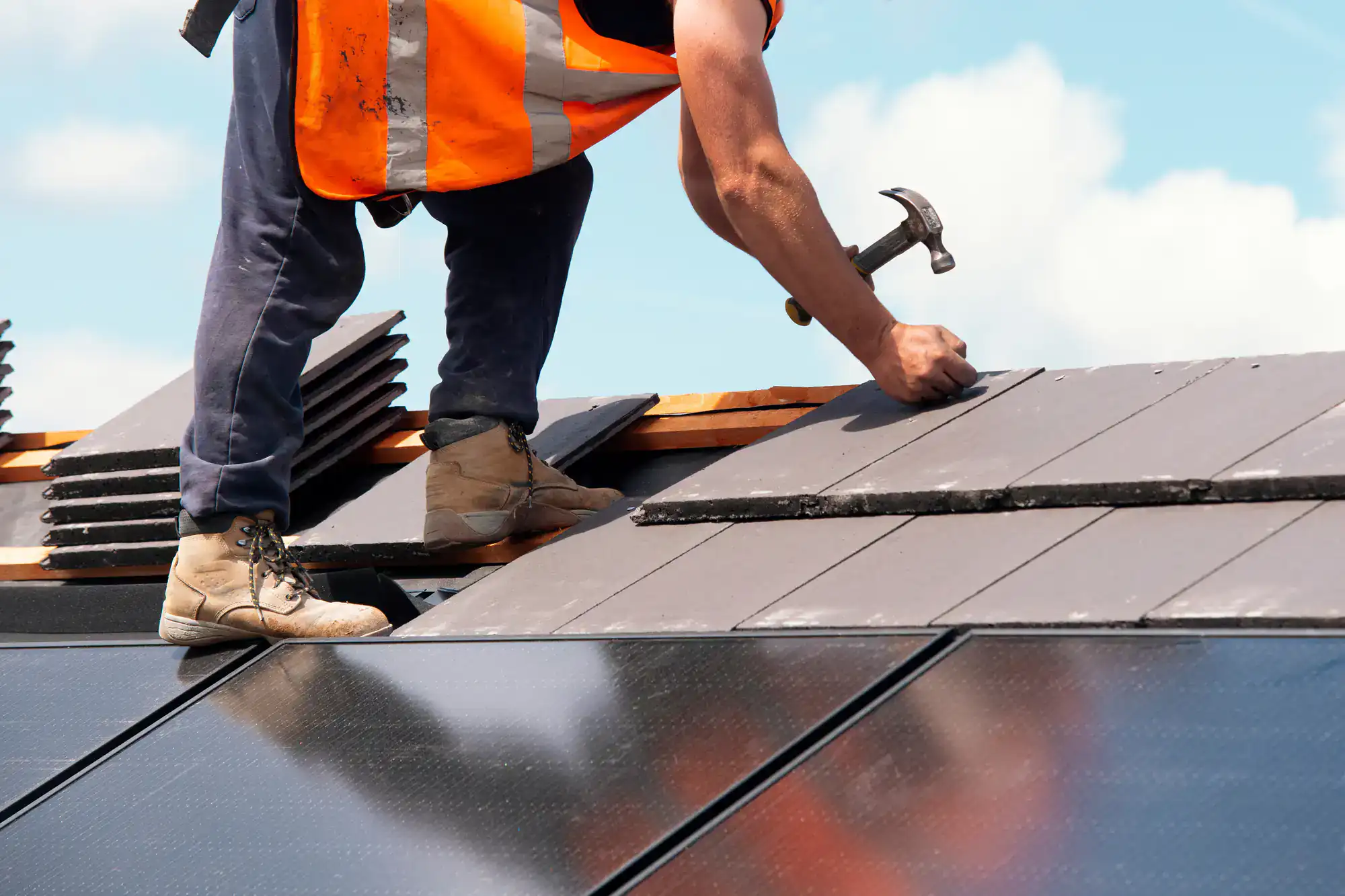
We don’t rush the job to hit an arbitrary deadline. Proper installation matters more than speed. Underlayment needs to be installed correctly. Flashing needs to be sealed right. Shingles need to be aligned and fastened according to manufacturer specs. Cutting corners to finish a day early creates problems you’ll be dealing with for years.
Weather delays happen, especially in coastal areas where conditions change fast. If wind picks up or rain moves in, we secure everything and resume when it’s safe to work. You’ll get updates throughout the process so you know what’s happening and when we expect to finish.
License and insurance come first. If a contractor can’t show you proof of both, walk away. You need to know they’re legally operating and that you’re protected if something goes wrong on your property.
Ask how long they’ve been working in the area and whether they use their own crews or subcontractors. Local experience matters because roofing in Suffolk County isn’t the same as roofing anywhere else. And subcontractors mean the company has less control over quality and training.
Get everything in writing before work starts. Detailed estimates, timelines, materials being used, warranty information. If a contractor is vague about any of this or pressures you to sign quickly, that’s a red flag. Good roofing companies explain the work clearly and give you time to make an informed decision.
Other Services we provide in Flanders