
Hear From Our Clients
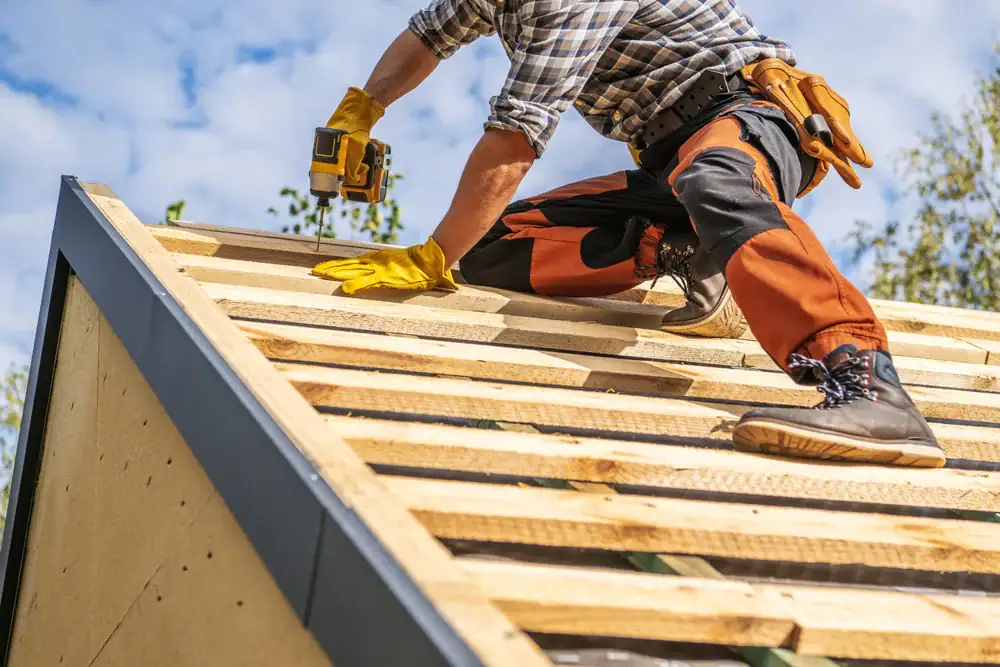
You’re not just getting new shingles. You’re getting a roof system engineered for the weather patterns that hit Flanders hardest—high winds off Peconic Bay, temperature swings from 23°F in January to 81°F in July, and the kind of humidity that makes inferior installations fail early.
That means leak barriers in the valleys where water pools. Ice and water shield along the eaves where freeze-thaw damage starts. Proper ventilation so your attic doesn’t turn into a moisture trap that rots your decking from the inside. And shingles rated for wind speeds up to 130 mph, because we’ve all seen what nor’easters do to roofs that weren’t installed with Long Island in mind.
When the job’s finished, you’re not wondering if it’ll hold. You know it will. Because every layer was installed by someone who’s seen what happens when shortcuts get taken in coastal climates—and refuses to let that happen to your home.
Home Team Construction has spent over a decade working on homes across Suffolk County. We’re not a crew that shows up after a storm, undercuts everyone, and disappears when the work gets complicated. We’re licensed, we’re local, and we’re the ones homeowners call when they need a roof that actually lasts.
Flanders sits right where the Peconic River meets the bay, which means salt air, high humidity, and weather that changes fast. We’ve replaced roofs damaged by hurricanes, repaired shingle blow-offs from coastal winds, and fixed leaks that started because someone didn’t understand how water moves on a Long Island roof. That experience shows up in how we install—and in how long your roof performs after we leave.
First, we inspect your roof—not just the shingles, but the decking, flashing, ventilation, and any areas where water’s been getting in. You get a clear breakdown of what needs replacing, what can stay, and why. No upselling. No vague estimates.
Once you approve the scope, we pull permits and order materials. We use GAF shingles with 50-year warranties and install a seven-layer protection system: roof deck protection, leak barriers, starter strips, ridge venting, and wind-rated shingles designed for coastal exposure. If your decking’s rotted or your flashing’s compromised, we replace it—because a new roof on bad bones doesn’t last.
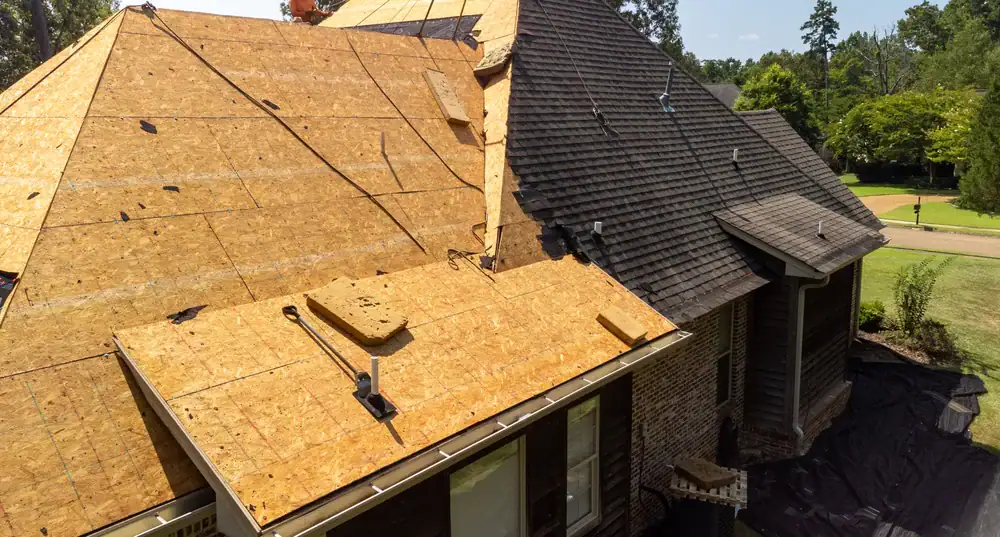
The install typically takes two to four days depending on size and complexity. We protect your property, tear off the old roof, inspect and repair the deck, then install each layer in sequence. When we’re done, we walk the property with you, show you what we did, and clean up like we were never there. You get documentation, warranty info, and a roof that’s ready for whatever weather comes next.
Ready to get started?
Every roof installation we do includes full tear-off and disposal of old materials, deck inspection and repair where needed, and a complete underlayment system with leak barriers in critical areas. We install new flashing around chimneys, skylights, and roof penetrations—places where most leaks start when the original install was rushed.
You’re getting proper attic ventilation, which matters more in Flanders than most people realize. The temperature swings here cause serious expansion and contraction. Without adequate airflow, moisture gets trapped, insulation loses effectiveness, and your energy bills climb. We install ridge vents and intake vents to keep air moving and prevent the kind of heat buildup that shortens shingle life.
We also handle gutter installation and repair if your system’s not moving water away from your foundation properly. A great roof with bad gutters still leads to water damage. And if you’re dealing with storm damage, we work directly with your insurance company to document everything and maximize your claim. We’ve done this enough times to know what adjusters look for—and how to make sure you’re not paying out of pocket for covered damage.
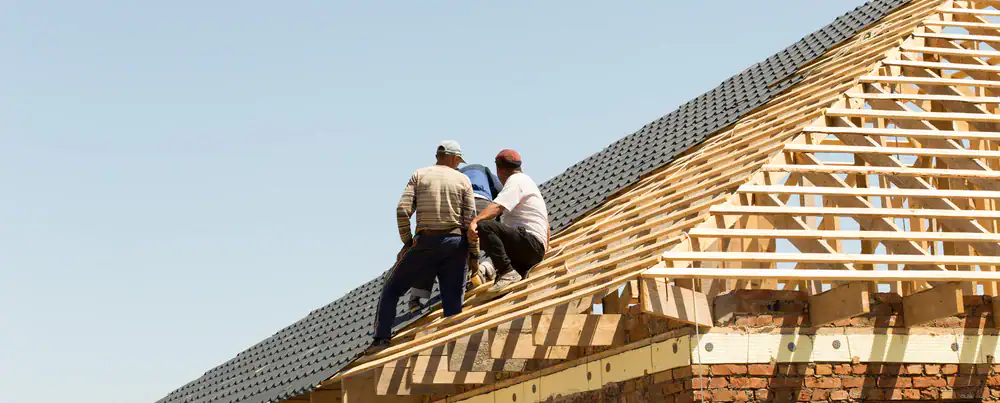
Most residential roof installations take two to four days from tear-off to final cleanup. The timeline depends on your roof’s size, pitch, and complexity—things like multiple valleys, skylights, or chimney flashing add time because they require careful detail work.
Weather plays a role too. We don’t install in rain or high winds, and we won’t leave your roof open overnight if there’s precipitation in the forecast. If we’re mid-job and conditions change, we’ll tarp and secure everything until it’s safe to continue. You’re never left exposed.
For larger homes or jobs that uncover unexpected deck damage, it might stretch to five days. We’ll know more after the initial inspection, and we’ll give you a realistic timeline upfront—not an optimistic guess that leaves you waiting.
Roof replacement in Suffolk County typically runs between $8,000 and $18,000 for most single-family homes, depending on size, material choice, and the condition of your existing deck and structure. Asphalt shingle roofs are the most common and cost-effective. Metal roofing costs more upfront but lasts longer in coastal environments.
The price includes tear-off, disposal, new underlayment, leak barriers, ventilation upgrades, shingle installation, and flashing replacement. If your decking’s rotted—common in older Flanders homes with ventilation issues—that’s an additional cost, usually $3 to $5 per square foot of replacement.
We give you a detailed written estimate before starting so there’s no confusion. If we find something unexpected once the old roof’s off, we stop, show you the issue, explain the cost, and get your approval before moving forward. No surprise bills.
Yes. Any roof replacement in the Town of Southampton, which includes Flanders, requires a building permit. We pull the permit as part of the job—it’s included in our process, and you don’t have to deal with the town yourself.
The permit ensures the work meets New York State building code, which matters for your insurance coverage and your home’s resale value. Inspectors check things like flashing installation, ventilation, and wind rating compliance. If a roofer tells you a permit isn’t necessary, that’s a red flag. It means they’re either cutting corners or not licensed to pull permits in the first place.
The permit process adds a few days to the timeline while we wait for approval, but it protects you. And when the job’s done, you get a signed-off permit that proves the work was inspected and approved—documentation that’s valuable if you ever sell or file an insurance claim.
If your roof’s under 15 years old and the damage is localized—a few missing shingles after a storm, a small leak around flashing—repair usually makes sense. But if you’re seeing widespread curling, granule loss, multiple leaks, or daylight through the deck in your attic, replacement is the smarter move.
Age matters too. Asphalt shingle roofs in Flanders typically last 20 to 25 years, but coastal exposure and storm damage can shorten that. If your roof’s past 20 years and you’re starting to see issues, you’re likely throwing money at repairs when a replacement would give you another two decades of protection.
We’ll inspect and give you an honest assessment. If repair makes sense, we’ll tell you. If you’re a year or two away from needing a full replacement and you’re already fixing leaks, we’ll explain why it’s worth doing it now instead of paying for patches that won’t last. The goal is to help you make the right financial decision—not to upsell a roof you don’t need yet.
It depends on what caused the damage. If your roof was damaged by a storm—wind, hail, falling tree—your homeowners insurance typically covers replacement minus your deductible. If it’s just old and worn out, insurance won’t cover it. That’s considered normal wear and maintenance.
The key is documentation. After a storm, you need photos of the damage, a professional inspection report, and a detailed estimate that connects the damage to the weather event. Insurance adjusters look for impact marks on shingles, broken flashing, and structural issues that clearly resulted from the storm—not pre-existing wear.
We work with insurance companies regularly and know how to document claims so they get approved. We’ll meet with your adjuster, walk the roof, and provide the backup they need to process your claim. If they lowball the estimate or deny something that should be covered, we’ll push back with the right documentation. We’ve been through this process enough times to know what works—and what doesn’t.
Asphalt shingles are the most common choice in Flanders because they handle temperature swings well, they’re cost-effective, and they come with strong wind ratings for coastal areas. Look for architectural shingles rated for at least 110 mph winds—preferably 130 mph if you’re near the water. GAF and Owens Corning both make shingles designed specifically for high-wind zones.
Metal roofing is another solid option, especially if you want something that lasts 40+ years with minimal maintenance. Metal handles salt air better than asphalt, sheds snow and ice effectively, and won’t blow off in storms. The upfront cost is higher, but the longevity and durability make it worth considering if you’re planning to stay in your home long-term.
Slate and tile look great but they’re heavy, expensive, and overkill for most Flanders homes unless you’re restoring something historic. For the majority of homeowners here, a quality architectural shingle roof with proper underlayment and ventilation gives you the best balance of performance, cost, and lifespan in our climate.
Other Services we provide in Flanders