Hear From Our Clients
Living on the North Shore in Mount Sinai means your roof is fighting battles that most Long Island homeowners don’t deal with. The salt air coming off Mount Sinai Harbor doesn’t just look pretty it works its way into your shingles, corrodes the fasteners holding them down, and degrades flashing at your chimney base and valleys faster than anything inland. By the time you notice a problem, the damage has usually been building for a season or two.
That’s why the outcome that actually matters isn’t just “no more leaks right now.” It’s a roof that’s been assessed honestly, repaired or replaced with the right materials for your specific environment, and documented so you know exactly what was done. Homes in Mount Sinai ranches and colonials that have been sitting close to the Sound for decades carry roofs that age differently than homes in Holbrook or Holtsville. The work has to account for that.
When the job is done right, you stop bracing for the next storm. You stop wondering if that patch from two years ago is going to hold. You have a record of what was done, what materials were used, and what your roof looks like now because every project gets documented with photos and video from start to finish.
We’re a family-owned exterior contractor based in Brookhaven, NY which puts us inside the same Town of Brookhaven jurisdiction that governs every permit, inspection, and code requirement for homes in Mount Sinai. That’s not a small thing. It means we pull permits through the same Building Division you deal with, we know what local inspectors look for, and we’re not guessing at your local requirements from a Nassau County office.
We’ve been working on North Shore homes for over 10 years roofing, gutters, siding, chimneys, skylights, and decks. The kind of homes along Route 25A and down toward Crystal Brook that have real history and real exposure to the elements. We’re not a storm-chasing crew that shows up after a nor’easter and disappears before spring. We’re here, we’re accountable, and the same person who walks your roof in Mount Sinai and explains the work is the person responsible for the outcome.
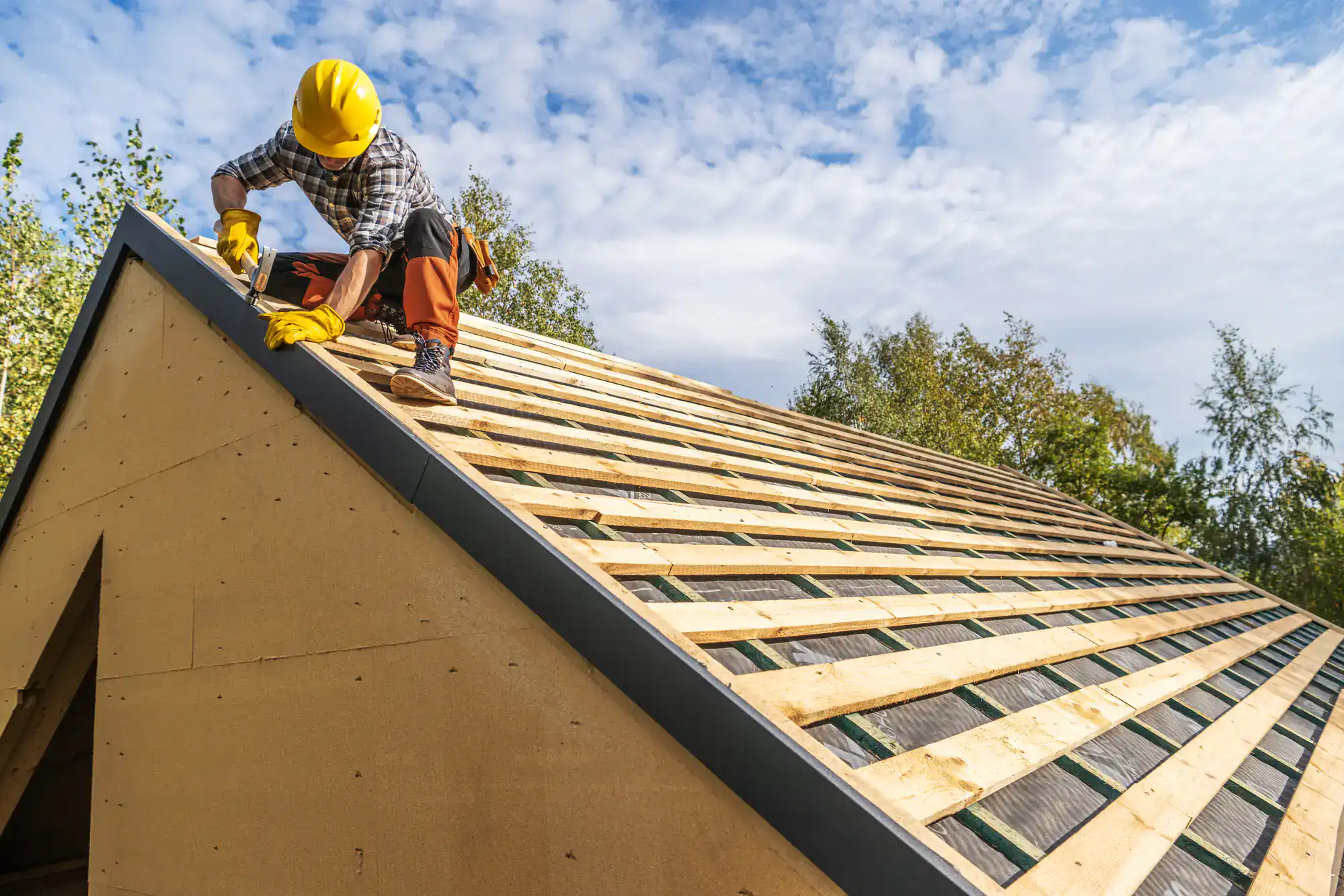
It starts with a real inspection not a sales visit dressed up as one. We get on your roof, look at your decking, your flashing, your ridge and valleys, and your ventilation. For older ranches and colonials in Mount Sinai, attic ventilation is often the hidden issue behind recurring ice dams and premature shingle failure. We check for that specifically, not just the surface.
From there, you get an upfront price in writing before anything is touched. If we open up the roof and find unexpected structural damage underneath rotted decking, compromised sheathing we stop, show you what we found, and explain your options before proceeding. The number we quote is the number you pay, unless we’ve disclosed something new and you’ve agreed to move forward.
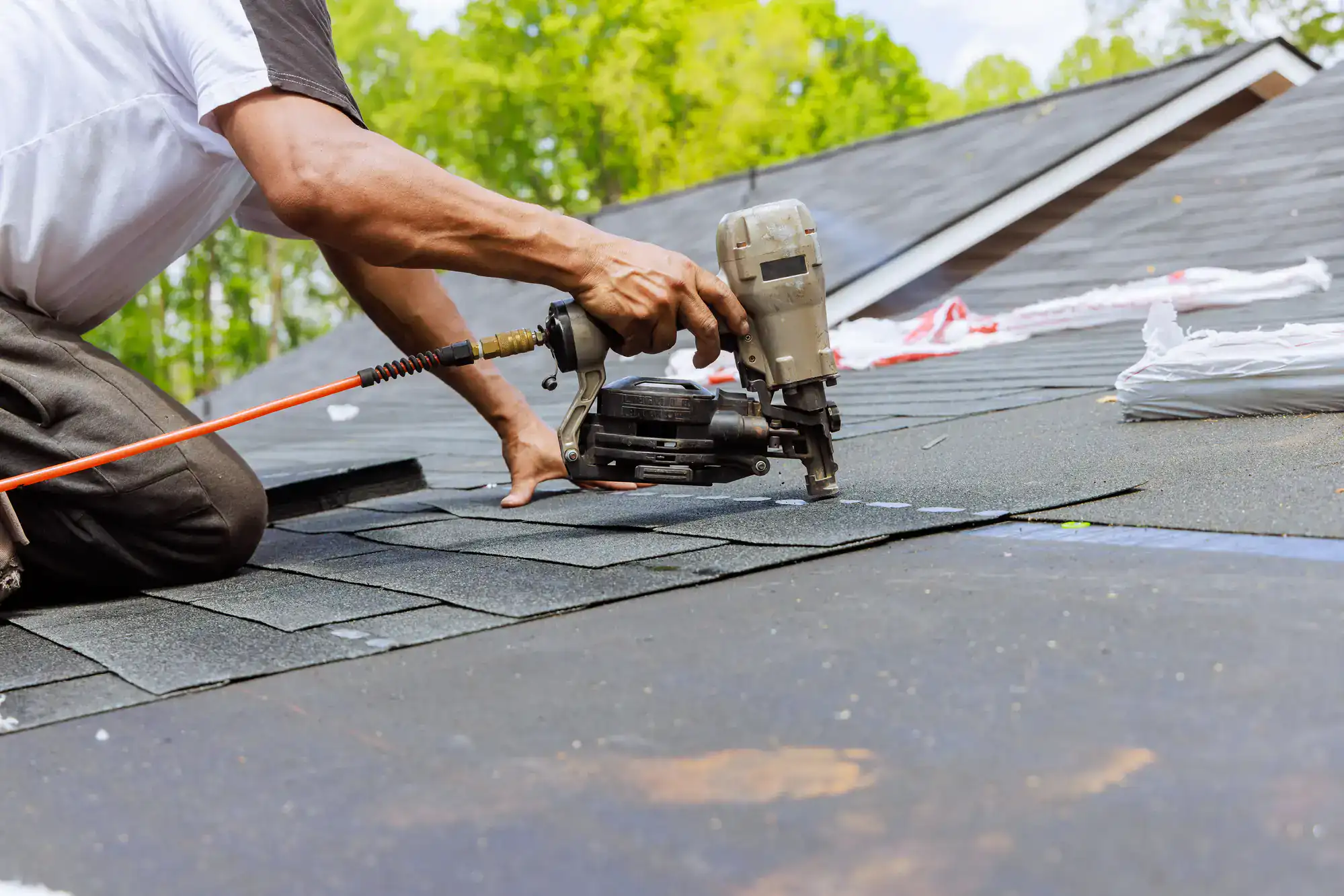
On installation day, we handle the tear-off, inspect the deck, install ice-and-water barrier at the eaves and valleys, lay the underlayment, and work through the full system in the right order. Because this is Brookhaven, a permit is required even for an overlay installation we handle that process as part of the job. When we’re done, you get photo and video documentation of the completed work, so you have a permanent record of what’s on your home.
Ready to get started?
Whether you need a full roof replacement, a targeted repair after storm damage, or an honest assessment of what’s actually going on up there, the scope of work gets built around what your specific home needs not a pre-packaged upsell. Asphalt shingle replacement is the most common service for Mount Sinai’s ranches and colonials, and we work with products rated for coastal wind loads. Not every shingle on the market is built for the exposure that comes with living near Long Island Sound, and that distinction matters.
For homeowners who want a longer-term solution, metal roofing is worth a real conversation. Standing seam metal holds up to salt air significantly better than asphalt, carries wind ratings well above what a typical nor’easter produces, and lasts 40 to 70 years compared to 15 to 25 years for asphalt in a coastal environment. On a home worth $700,000 or more in Mount Sinai, the math on a roof you won’t have to replace again in your lifetime often makes sense.
Beyond roofing, we handle gutters, chimney repair, siding, skylights, and decks all under one roof, so to speak. If your gutters are pulling away from the fascia or your chimney flashing is letting water in, you don’t need to track down three separate contractors. One call handles it.
Salt air is one of the most underestimated factors in roof deterioration on the North Shore. The moisture and sodium particles carried by wind off Mount Sinai Harbor and Long Island Sound accelerate granule loss on asphalt shingles those granules are what protect the underlying mat from UV exposure and moisture. Once they’re gone, shingles become brittle and start cracking faster than they would in an inland environment.
Beyond the shingles themselves, salt air corrodes the metal components that hold your roof together the fasteners, the flashing at your chimney and skylights, the drip edge along your eaves. Flashing failures are one of the most common causes of interior water damage in coastal homes, and they often go undetected until the damage is already inside the walls. If your home is in Mount Sinai East or anywhere close to the harbor, a regular roof inspection at least every two to three years is worth doing before a problem becomes an emergency.
Yes and this catches a lot of Mount Sinai homeowners off guard. The Town of Brookhaven requires a permit not just for full tear-off replacements, but even for a “roof over,” which is when new shingles are installed directly over existing ones. That means any roofing work beyond minor spot repairs typically requires going through the Brookhaven Building Division before work begins.
This matters more than it might seem. Unpermitted roofing work in Brookhaven can create complications when you go to sell your home title searches flag unpermitted work, and buyers’ attorneys ask questions. It can also affect insurance claims if a future storm causes damage and the insurer finds the prior work wasn’t permitted. A contractor who’s been operating in this jurisdiction for years handles this process routinely. We pull the permit, schedule the inspection, and make sure the job is closed out correctly it’s part of the project, not an afterthought.
The honest answer is that it depends on what’s actually there and the only way to know is a real inspection, not a drive-by estimate. Generally speaking, if your roof is under 10 years old and the damage is isolated to one area, a targeted repair is usually the right call. If your roof is 20 years or older, has widespread granule loss, multiple areas of failing shingles, or signs of decking damage underneath, replacement is typically the more cost-effective long-term decision.
For Mount Sinai homes, the coastal aging factor matters here. A 15-year-old asphalt roof on a home near the harbor may be in worse shape than a 20-year-old roof on an inland home in Selden or Holbrook, simply because of the accelerated weathering from salt air and Sound-driven storms. Age alone doesn’t tell the full story. What we look for during an inspection is the condition of the granule layer, the integrity of the flashing, whether the decking shows any soft spots or water staining, and whether the ventilation is adequate because poor ventilation shortens roof life regardless of what’s on the surface.
For asphalt shingles, you want products rated for high wind loads at least 130 mph wind resistance and ideally algae-resistant, since the moisture levels near the Sound create conditions where algae and moss growth can accelerate shingle degradation. Not every shingle on the market meets both of those criteria, and a contractor who doesn’t know the difference will install whatever is cheapest or most available.
If you want to go a step further, metal roofing particularly standing seam is the most durable option for coastal exposure. It doesn’t lose granules, it doesn’t corrode the way asphalt-embedded fasteners do, and it’s designed to shed water and wind efficiently. The upfront cost is higher than asphalt, typically in the range of $15,000 to $30,000 or more depending on the size and complexity of your roof, but the lifespan and performance in a salt-air environment make it a legitimate long-term investment for a high-value North Shore home. We’ll walk you through both options honestly so you can decide based on your situation, not a sales pitch.
Ice dams are a real issue for Long Island’s North Shore, and Mount Sinai’s older housing stock is particularly vulnerable. An ice dam forms when heat escaping through your attic melts snow on the upper part of your roof, which then runs down to the cold eaves and refreezes. That ice buildup forces water back up under your shingles and into your home. The damage shows up as water stains on ceilings, peeling paint near exterior walls, and in worse cases, rotted rafters and damaged insulation.
The root cause is almost always inadequate attic insulation or ventilation and many of the ranches and colonials in Mount Sinai were built in an era when energy codes didn’t require what they do today. A new roof alone won’t fix an ice dam problem if the underlying ventilation issue isn’t addressed. When we inspect a home with a history of ice dam damage, we look at the attic as part of the assessment, not just the surface. Installing proper ice-and-water barrier at the eaves is part of every roof replacement we do, but solving the problem long-term often means improving ventilation at the same time.
For a typical ranch or colonial in Mount Sinai, a full asphalt shingle roof replacement generally runs between $8,000 and $18,000, depending on the size of the roof, the pitch, the complexity of the geometry hip roofs and dormers add labor time and whether the decking needs any replacement. Long Island’s labor market runs higher than national averages, so estimates you see cited online for the rest of the country don’t apply here.
If your chimney flashing needs to be replaced at the same time, or if we find decking damage during the tear-off, that adds to the cost and we’ll always disclose that before proceeding, not after. Metal roofing installations typically start around $15,000 and can run $25,000 to $35,000 or more for larger or more complex rooflines. What’s worth keeping in mind for a Mount Sinai home where median property values are well above $700,000 is that a quality roof is one of the few home improvements that directly protects everything else underneath it. A failed roof doesn’t just cost you a repair. It costs you ceilings, insulation, framing, and in some cases, the interior finishes you’ve spent years building. Getting it done right the first time is the less expensive option over the long run.
Other Services we provide in Mount Sinai