

Hear From Our Clients
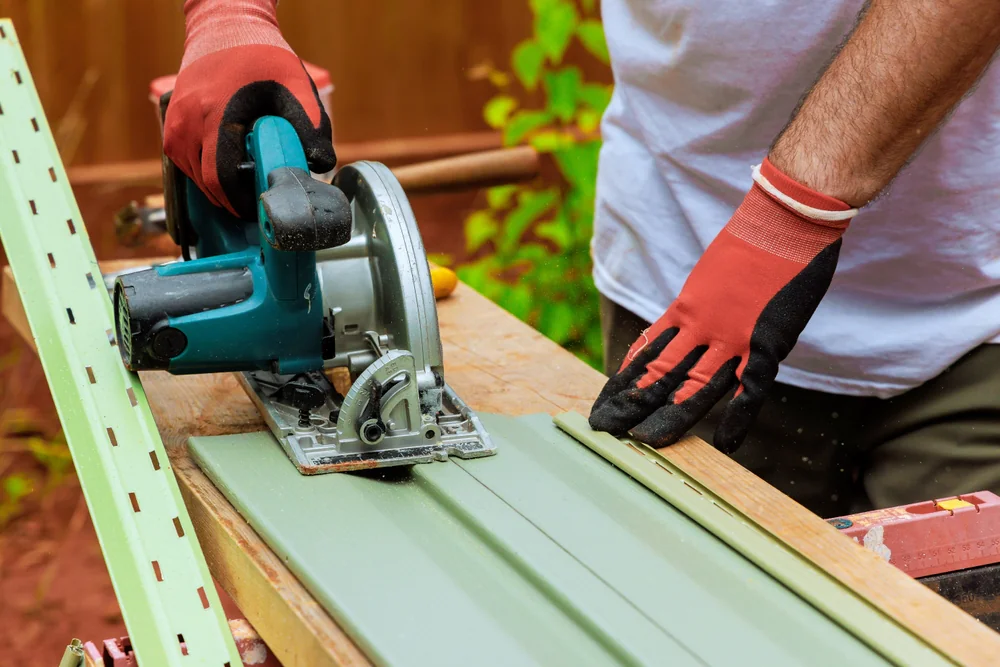
Your walls stay dry when the next storm rolls through. No more water stains spreading across your interior walls or mold growing where you can’t see it. The repair blends in, your energy bills stop climbing from air leaks, and you’re not calling someone back in six months because the same panel cracked again.
This is what happens when siding repair contractors who know Long Island’s weather patterns handle the job. You’re not patching over rot or nailing into wood that’s already compromised. You’re getting a real fix that accounts for salt air, nor’easters, and the kind of wind that comes off the Sound in January.
The difference shows up when your neighbors are dealing with emergency calls after the next big storm and your house is fine. That’s not luck. That’s what proper repair work looks like when it’s done by people who’ve been fixing coastal homes for over a decade.
We’ve been handling exterior repairs in Mount Sinai and throughout Suffolk County for over ten years. We’re not a franchise or a crew that drives in from somewhere else. We live here, our families are here, and when we fix your siding, we’re staking our local reputation on that work.
We’ve seen what hurricane-force winds do to vinyl siding. We’ve replaced wood siding that rotted out because the original contractor didn’t understand how moisture behaves this close to the water. We’ve fixed aluminum siding that corroded faster than it should have because someone used the wrong fasteners in salt air.
That experience matters when you’re trying to figure out if you need a patch job or if there’s hidden damage that’ll cost you more later. We’ll tell you what we’d do if it was our house, and we’ll show you why with photos and explanations that actually make sense.
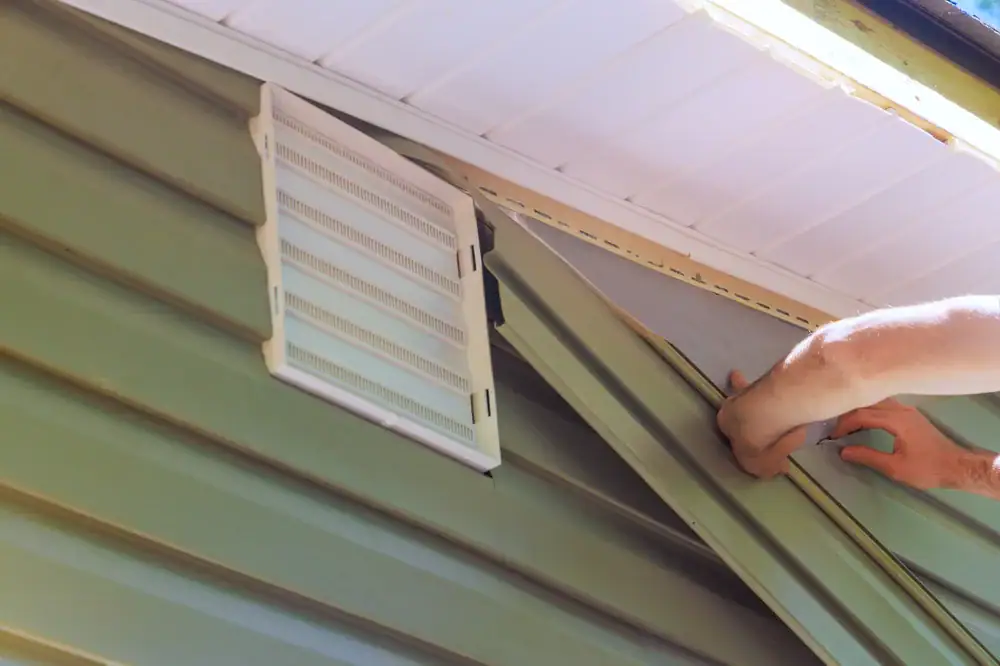
First, we come out and actually look at your siding. Not a quick glance from the driveway—we’re checking behind panels, looking at your flashing, and figuring out if water’s been getting into places it shouldn’t. We take photos of everything so you can see what we’re seeing.
Then we tell you what needs to happen. If it’s a simple panel replacement, we’ll say that. If we find rot or structural issues behind your siding, we’ll explain why that matters and what it’ll cost to fix it right. You get a written estimate that breaks down materials and labor, and we’ll walk you through your options if there are multiple ways to approach the repair.
Once you approve the work, we order materials that match your existing siding or upgrade you to something that’ll perform better in coastal conditions. The actual repair happens on a schedule we agree on—not whenever we feel like showing up. We protect your landscaping, we clean up our mess, and we don’t leave until you’ve walked the job with us and seen that it’s done correctly.
If insurance is involved, we document everything they need to process your claim. We’ve done this enough times that we know exactly what adjusters want to see.

Ready to get started?
Every siding repair starts with finding out what’s actually wrong. That means pulling back damaged sections to check the house wrap, the sheathing, and anything else that might be compromised. In Mount Sinai, we’re looking for salt corrosion on fasteners, wind damage that isn’t obvious from ground level, and water intrusion that started small but spread.
Material matching matters more than most contractors admit. Vinyl siding fades over time, so we’re not just matching the color—we’re finding product lines that’ll blend with your existing panels. Wood siding repair means matching species, grain, and finish. Aluminum siding repair often involves custom-forming pieces because that material isn’t as common anymore and stock sizes don’t always fit older installations.
The actual installation accounts for Long Island weather. We’re using fasteners rated for coastal environments. We’re leaving expansion gaps that matter when temperatures swing forty degrees between summer and winter. We’re sealing penetrations and overlapping panels the way they need to be done so wind-driven rain doesn’t find its way behind your walls.
You also get documentation. Photos of the damage, photos of the repair process, and photos of the finished work. If you’re filing an insurance claim, that paperwork is ready to go. If you’re selling your house in a few years, you’ve got records showing the work was done professionally.

Most homeowners pay between $870 and $2,000 for siding repair, but that range shifts based on material type, damage extent, and what we find behind the siding. A simple vinyl panel replacement might run $200 to $500. Wood siding repair that involves replacing rotted sections and repainting costs more—usually $800 to $2,500 depending on how much wood needs replacement.
Aluminum siding repair falls somewhere in the middle unless we’re dealing with custom fabrication for older homes where standard panels don’t fit. Then you’re looking at $1,000 to $3,000 because of the specialized work involved.
Hidden damage changes everything. If water’s been getting behind your siding long enough to rot the sheathing or grow mold, add $500 to $2,000 for remediation. That’s not us inflating the price—that’s the reality of fixing problems that started before you called.
Storm damage repairs often get partially covered by insurance if you file quickly and document properly. We help with that process and provide the detailed estimates adjusters need.
It depends on your siding type and how old it is. Vinyl siding fades over time from UV exposure, so a new panel will look slightly brighter than 10-year-old siding. We get as close as possible by sourcing from the same product line and manufacturer, but perfect matches are tough with vinyl that’s been on your house for years.
Wood siding repair gives us more control. We can match species, mill custom profiles if needed, and apply stain or paint that blends with your existing finish. The repair will be visible up close initially, but after a season of weathering, it becomes much less noticeable.
Aluminum siding is the trickiest because many original manufacturers aren’t around anymore. We often custom-form replacement pieces or source from specialty suppliers who stock discontinued profiles. The color match depends on how much your existing aluminum has faded and whether we can find factory-finished material in the right shade.
If matching is critical—say you’re repairing a front-facing wall where aesthetics matter most—we’ll discuss options like repairing multiple panels to create a more uniform appearance or even residing that entire wall section.
Simple repairs take half a day to a full day. We’re talking about replacing a few damaged panels, resealing some joints, or fixing a small section where wind tore something loose. You’ll have functional siding by the end of that day.
More involved repairs stretch to two or three days, especially when we’re dealing with water damage that requires sheathing replacement or mold remediation before we can install new siding. Wood siding repair takes longer because of prep work, priming, and finish coats that need drying time between applications.
Weather affects the timeline. We’re not installing siding in heavy rain or when temperatures drop below manufacturer specifications. That’s not us being picky—that’s following installation requirements so your repair actually lasts.
Material availability sometimes adds time. If we’re matching discontinued aluminum siding or ordering custom-milled wood, expect a week or two between your approval and the actual repair. We’ll give you a realistic timeline upfront, and if something changes, you’ll know immediately.
Emergency repairs after storms happen faster. We prioritize getting your house weather-tight, even if that means temporary measures while we wait for final materials.
Yes, and we do it regularly. We document damage with detailed photos showing the extent of the problem, what caused it, and what needs repair. Insurance adjusters need specific information to process claims, and we’ve learned what they’re looking for after handling dozens of storm damage repairs across Suffolk County.
We provide written estimates that break down materials and labor in the format insurance companies expect. If an adjuster wants to inspect the damage before we start work, we coordinate that timing. If they need additional documentation after their visit, we supply it.
Here’s what we can’t do: guarantee your insurance will cover the repair. Policies vary, and coverage depends on your specific situation. Storm damage from hurricanes, nor’easters, and wind events is usually covered. Damage from deferred maintenance or general wear isn’t.
We’ll tell you honestly whether your damage looks like something insurance will cover based on what we’ve seen approved before. If you’re not sure about filing a claim, we can give you the repair cost so you can compare it against your deductible and make an informed decision.
The key is acting quickly. Most policies require prompt reporting of damage, and waiting months to file a claim raises questions about when the damage actually occurred.
Wind comes first. Mount Sinai sits close enough to the Long Island Sound that nor’easters and coastal storms hit hard. Wind doesn’t just blow—it gets under siding panels and pulls them loose, especially if the original installation didn’t account for uplift forces. We’ve replaced countless sections of vinyl and aluminum siding that wind peeled off during storms.
Salt air corrodes everything. Fasteners rust, aluminum oxidizes faster, and even vinyl becomes brittle over time from constant salt exposure. What lasts 30 years inland fails in 20 years here. That’s not a defect—that’s coastal reality.
Water intrusion happens when flashing fails or when siding wasn’t installed with proper drainage planes. Rain doesn’t just fall straight down in storms—it drives sideways into every gap and seam. If your siding system isn’t designed for wind-driven rain, water eventually finds its way behind panels and starts rotting your sheathing.
Freeze-thaw cycles crack and warp siding materials. Water gets into small gaps, freezes, expands, and makes those gaps bigger. After enough winters, you’ve got cracked panels and separated seams that need repair.
Impact damage from debris during storms is common too. Tree branches, patio furniture, and anything else that wasn’t secured becomes a projectile in 60 mph winds. We see a lot of that after major weather events.
Repair makes sense when damage is localized to one area and the rest of your siding is in decent shape. If a storm damaged ten panels on one wall but the other three walls are fine, repairing those panels costs a fraction of full replacement and gets you back to weather-tight quickly.
Replacement makes more sense when you’re looking at multiple repairs across different walls, when your siding is near the end of its lifespan anyway, or when we find widespread hidden damage behind the existing material. At that point, you’re throwing money at a failing system instead of investing in a real solution.
Age matters. If your siding is 20+ years old and showing wear beyond the immediate damage, replacement often makes more financial sense than repair. You’re not just fixing today’s problem—you’re avoiding the next repair call in two years when something else fails.
We’ll walk you through the math. If repairs cost 40% of what replacement would cost and your siding is already old, replacement gives you better long-term value. If repairs cost 15% of replacement and your siding has another decade of life, repair is the smart move.
The decision is yours, but we’ll give you enough information to make it based on actual conditions and real numbers—not sales pressure or scare tactics.
Other Services we provide in Mount Sinai