

Hear From Our Clients
You stop worrying every time rain hits. No more buckets in the hallway, no more stained ceilings, no more wondering if this storm will be the one that finally soaks through your drywall.
A properly installed skylight handles everything Suffolk County throws at it. Ice dams in January. Coastal storms in October. The freeze-thaw cycles that crack inferior flashing. Your skylight should flood your home with natural light without flooding your home with water.
That’s what professional residential skylight replacement does. It removes the anxiety. You get energy-efficient windows that cut your daytime lighting costs, improve ventilation, and actually increase your property value instead of scaring off buyers during inspections. The right skylight window replacement means you’re done patching, done guessing, and done paying for the same problem twice.
Home Team Construction has been handling skylight replacements across Baywood and Suffolk County for over ten years. Our crew members live in these neighborhoods. We know what Long Island winters do to roof structures because we see it on our own streets.
We’re licensed, insured, and we’ve built our reputation one leak-free installation at a time. When you call us back five times like some of our clients have, that tells you something about how we operate. We don’t disappear after the check clears.
Baywood homeowners deal with unique challenges. Homes built between 1940 and 1999 weren’t always designed with modern skylight technology in mind. Retrofitting requires understanding older roof structures, proper load distribution, and how to integrate new flashing systems with aging materials. That’s the kind of work you can’t fake.
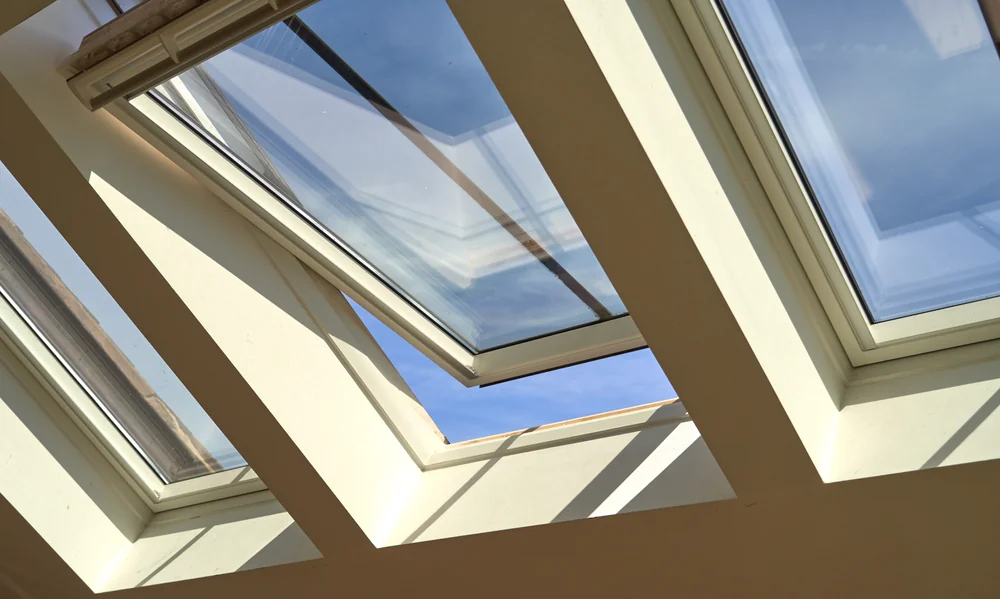
First, we inspect your existing skylight and the roof structure around it. We’re looking for water damage, compromised framing, inadequate support, and failed flashing. Most leaks don’t start with the skylight itself—they start with improper installation of the waterproofing layers underneath.
Once we’ve assessed the situation, we give you a transparent estimate. No surprises, no upselling. If your roof deck needs reinforcement before we install the new unit, we tell you upfront. If your old skylight was installed off-square and we need to reframe the opening, you’ll know before we start.
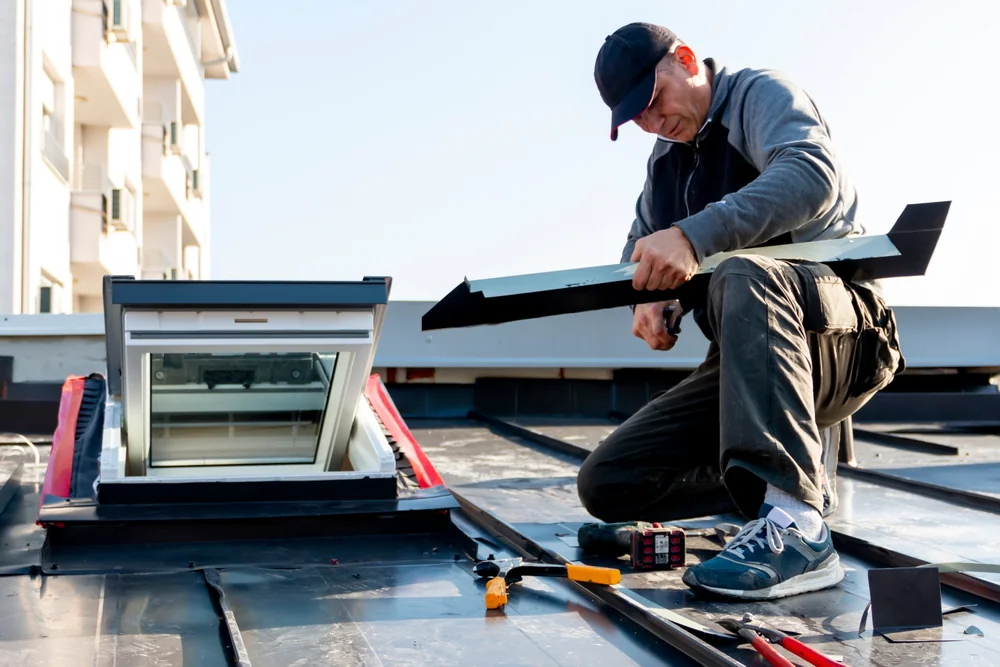
During installation, we remove the old unit carefully to avoid damaging surrounding shingles. We inspect and repair the roof deck if needed. Then we install the new skylight with properly layered flashing—step flashing, head flashing, and integrated underlayment that works with your existing roof system. For Long Island homes, we pay extra attention to ice and water shield placement because winter ice dams are inevitable here.
The final step is interior finishing. We make sure your drywall, trim, and paint match what was there before. You shouldn’t be able to tell we were there except for the fact that your skylight actually works now.

Ready to get started?
You get a complete structural assessment before we touch anything. That means checking your roof framing, measuring for square, and identifying any existing water damage that needs addressing. Skipping this step is how you end up with a new skylight that leaks just like the old one.
We install VELUX and other top-tier skylight systems designed for energy efficiency and Long Island’s climate. These aren’t builder-grade units. They’re ENERGY STAR rated, built to handle temperature swings, and designed with multi-layer sealing systems that actually prevent water intrusion. Many come with solar-powered ventilation options that reduce your cooling costs in summer.
The flashing system is where most installations fail, so that’s where we focus. We use premium waterproof materials and follow manufacturer specifications exactly. Your warranty depends on proper installation, and insurance companies won’t cover water damage from amateur work. We make sure everything is done to code and documented properly.
Baywood’s housing stock—mostly single-family homes with 40+ years of age—means we often encounter outdated roof structures. We’re equipped to handle that. If your skylight opening needs to be reframed or if we discover rot in the surrounding deck, we fix it right. You’re not just getting a new skylight; you’re getting a roof penetration that’s built to last another 20+ years.

If your skylight is over 15 years old and leaking, replacement almost always makes more sense financially. Older units lack modern energy-efficient glazing, their seals have degraded, and the flashing systems don’t meet current standards.
Repairs work for minor issues—a cracked pane, a broken operator, or a single piece of damaged flashing. But if you’re dealing with persistent leaks, condensation between panes, or visible daylight around the frame, those are symptoms of larger failure. Repairing one component doesn’t fix the underlying problem.
Here’s the real test: if your skylight has leaked more than once, or if a home inspector flagged it, replace it. You’re not saving money by patching a failing system. You’re delaying the inevitable while risking water damage to your ceiling, insulation, and framing. Water damage repair costs more than a new skylight.
Ice dams are the primary culprit. When snow on your roof melts and refreezes at the eaves, it creates a dam that forces water back up under your shingles. Skylights are vulnerable points where that water finds its way in, especially if the flashing wasn’t installed with proper ice and water shield.
Freeze-thaw cycles also destroy skylight seals over time. Long Island winters aren’t consistently cold—we get temperature swings that cause expansion and contraction. That movement breaks down caulking, separates flashing layers, and cracks glazing seals. Coastal salt air accelerates the deterioration.
The third issue is condensation. Poor insulation around the skylight shaft combined with cold glass creates moisture buildup that looks like a leak but is actually interior condensation. Modern skylights with low-E coatings and proper insulation solve this, but older units don’t have those features. If you see water during cold snaps but not during rain, condensation is likely your problem.
Most residential skylight replacements take one to two days. A straightforward swap on a structurally sound roof with good weather can be done in a single day. If we need to repair roof decking, reframe the opening, or work around bad weather, it might stretch to two days.
The timeline depends on what we find when we open things up. Rotted framing adds time. Improperly sized openings that need adjustment add time. But we don’t leave your roof open overnight if we can avoid it. If weather forces us to pause, we tarp and seal everything properly.
Interior finishing—patching drywall, repainting, replacing trim—sometimes happens on a separate visit after everything has dried and settled. We’d rather do it right than rush it and leave you with visible seams or mismatched paint. Most clients are fine with that approach because they’d rather have quality work than fast work.
Yes, if you’re replacing an old single-pane or poorly sealed unit. Modern skylights with low-E coatings and argon gas fills reduce heat transfer significantly. You’ll lose less heat in winter and gain less heat in summer, which means your HVAC system works less.
The bigger savings come from natural light. Skylights provide up to five times more light than vertical windows of the same size. That means you’re running fewer lights during the day, which adds up over time. If you install a vented skylight, you also get passive cooling—hot air escapes through the top while cooler air enters through lower windows.
ENERGY STAR certified skylights are designed specifically for northern climates like ours. They’re rated for U-factor (insulation) and Solar Heat Gain Coefficient (how much heat passes through). For Baywood’s climate, you want low U-factor for winter insulation and moderate SHGC to balance winter heat gain with summer heat rejection. We help you choose the right specs for your home’s orientation and your priorities.
Flashing. That’s where corners get cut and where leaks start. Quality installation means multiple layers of waterproofing—underlayment, step flashing integrated with each shingle course, head flashing that directs water around the unit, and ice and water shield in vulnerable areas. Cheap installations skip steps or use inferior materials.
The second difference is structural prep. Quality installers check the roof framing, ensure the opening is square, and reinforce as needed. Cheap installers force the skylight into whatever opening exists, which creates stress points and future leaks. If the skylight isn’t sitting on a properly built curb or if it’s torqued to fit a crooked opening, it will fail.
The third difference is who’s accountable when something goes wrong. Licensed, insured contractors stand behind their work because their reputation and livelihood depend on it. Cheap installers disappear. And here’s something most homeowners don’t know: if your skylight wasn’t installed by a certified professional following manufacturer specs, your product warranty is void. Insurance won’t cover water damage from improper installation either. You save money upfront and pay for it later.
Yes, but it’s not ideal. We can do it if temperatures are above freezing and conditions are dry. The challenge is that roofing adhesives and sealants need specific temperature ranges to cure properly. If it’s too cold, they don’t bond correctly, which compromises the waterproofing.
Winter replacements require extra precautions. We work faster to minimize how long your roof is open to cold air. We use cold-weather sealants rated for lower temperatures. We sometimes need to warm materials before application. It’s doable, but it adds complexity.
The best time for skylight replacement on Long Island is late spring through early fall. You get consistent temperatures, lower chance of surprise storms, and optimal conditions for all the sealing materials to cure properly. If you’re dealing with an active leak in winter, we can do emergency repairs to get you through to spring, then schedule the full replacement when conditions are right. That’s often smarter than rushing a winter installation that might not perform as well long-term.
Other Services we provide in Baywood