
Hear From Our Clients
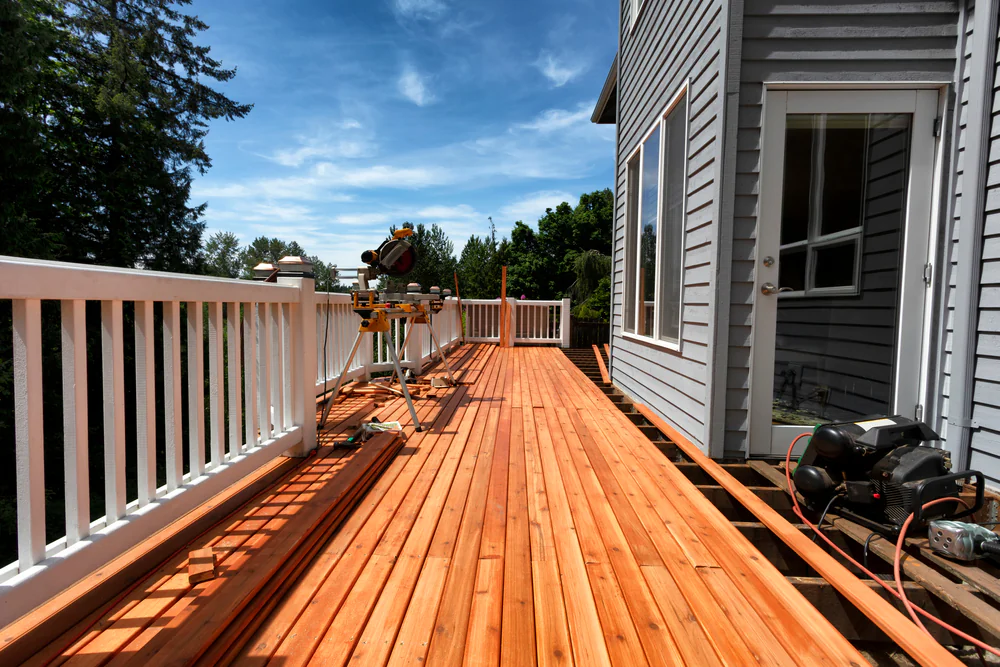
You notice a board flexing underfoot. Maybe the railing feels loose when you lean on it. These aren’t small cosmetic issues—they’re warning signs that your deck’s structural integrity is compromised.
Salt air from Long Island Sound corrodes metal fasteners faster than you’d expect. Standard screws and nails deteriorate in months, creating loose connections long before you see visible damage. By the time boards start moving, the problem’s already deeper than the surface.
Professional deck repair catches these issues early and fixes the root cause—not just the symptom. We replace corroded fasteners with stainless steel hardware, repair rotted support posts, upgrade flashing systems, and use pressure-treated lumber rated for coastal conditions. The result: a deck that’s safe for your family and built to handle Baywood’s weather for another 10-15 years.
We’ve worked in Baywood and throughout Brookhaven for over a decade. We’ve seen what coastal weather does to decks around here—the salt air, the nor’easters, the humidity that won’t quit.
We’re licensed and insured, which matters more than you might think. When work requires permits, we handle the applications and make sure everything meets Brookhaven’s building codes. You don’t deal with the paperwork, and you don’t worry about future issues with insurance or resale.
Most of our work comes from repeat customers or their neighbors. People call us back because we do what we say we’ll do, when we say we’ll do it. No surprises, no shortcuts, and we clean up when we’re done.
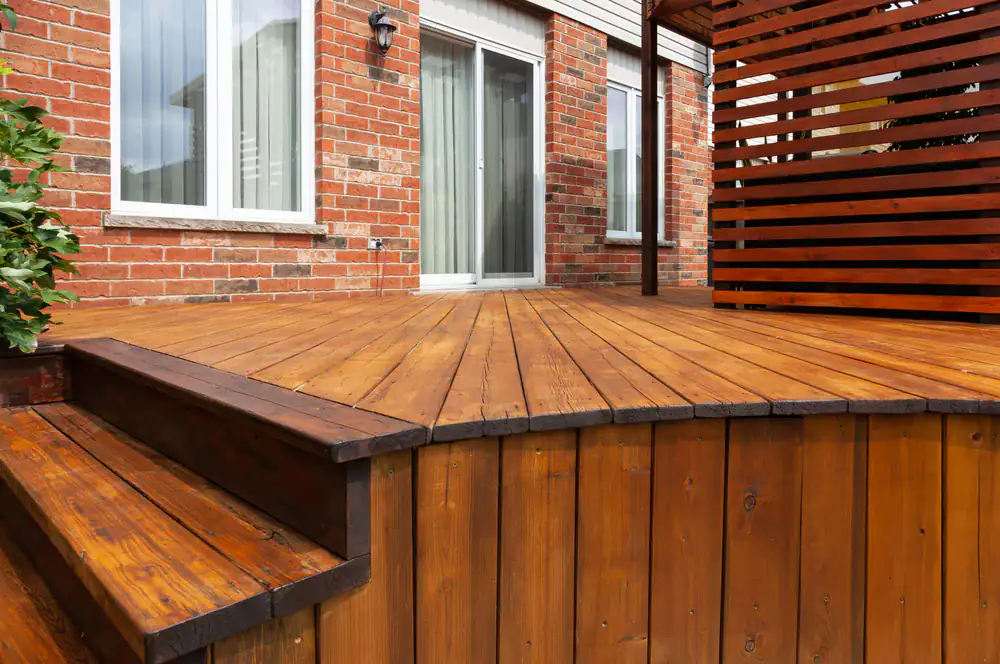
First, we inspect your deck thoroughly—not just the obvious problem areas. We check structural integrity, look for signs of rot or water damage, test railings and stairs, and examine support posts and fasteners. If we find rotted support posts, we figure out why moisture got there in the first place and fix that too.
Then we give you an honest assessment. You’ll know exactly what needs repair, what can wait, and what the timeline looks like. Most deck repairs take one to two weeks depending on scope. Simple board replacement might be done in a day or two. Structural repairs involving posts or joists take longer.
We handle permits if your repair requires them—most structural work does in Brookhaven. We use materials designed for coastal climates: pressure-treated lumber rated for ground contact, stainless steel fasteners that resist corrosion, and flashing systems that actually keep water out. Weather delays happen sometimes, especially during storm season, but we monitor forecasts carefully and won’t start if rain’s expected. You’ll know what’s happening throughout the process.
Ready to get started?
Every deck repair starts with a complete structural inspection. We’re looking at more than the boards you can see—we’re checking what’s underneath, what’s holding everything up, and what’s letting water in.
Repairs typically include replacing damaged or rotted boards, reinforcing or replacing support posts and joists, upgrading all fasteners to stainless steel hardware, fixing or replacing railings and stairs, and improving drainage and flashing systems. In Baywood, these drainage fixes matter. Homes here sit on larger lots, often with mature trees. That means leaves, debris, and standing water—all of which accelerate deck deterioration.
We also address the specific challenges of living this close to the water. Composite decking performs better in Suffolk County’s coastal climate than traditional wood because it resists moisture and salt air without warping or splitting. If you’re replacing sections, we’ll walk through material options that make sense for your budget and how you use the deck. The goal is repairs that last—not temporary fixes that fail in two years.

Deck repair costs in Brookhaven typically range from $20-35 per square foot for wood repairs and $30-45 per square foot for composite repairs. Minor repairs—replacing a few boards or tightening loose railings—often start around $1,000. Structural repairs involving rotted posts, joist replacement, or significant fastener upgrades can run $5,000 or more.
The wide range comes down to what’s actually wrong. Surface-level board replacement is straightforward. Structural issues require more labor, more materials, and usually permits. We give you a detailed estimate after inspecting your deck so you know exactly what you’re paying for.
Keep in mind that professional repairs cost significantly less than a full deck rebuild, which can easily hit $15,000-30,000 depending on size. If your deck’s structure is still sound, repairing it now adds years of life and eliminates safety hazards without the cost of starting over.
Most standard deck repairs take one to two weeks from start to finish, depending on the scope of work and weather conditions. Simple repairs like replacing loose boards or fixing a section of railing can be completed in a day or two.
Structural repairs take longer because they often require permits from Brookhaven, which adds a few days to the timeline. Once permits are approved and materials are on site, the actual repair work for structural issues—replacing support posts, reinforcing joists, upgrading fasteners throughout—usually takes three to five days.
Weather plays a role too. We won’t start deck work if heavy rain is forecasted because moisture affects how materials set and cure. Long Island’s storm season can cause delays, but we’d rather wait a few days than compromise the quality of your repair. You’ll have a realistic timeline before we start, and we’ll keep you updated if anything changes.
Salt air is the main culprit. It accelerates metal corrosion, which means the screws, nails, and brackets holding your deck together fail faster than they would even 20 miles inland. Most deck failures start with fastener corrosion you can’t see—loose connections that compromise structural integrity months before boards start moving.
Humidity and temperature swings don’t help either. Suffolk County’s humid summers and harsh winters cause wood to expand and contract repeatedly, which loosens fasteners, opens gaps, and creates places for water to collect. Once water gets into the wood, rot follows.
Coastal storms bring high winds and heavy rain that expose existing problems. Loose boards lift in strong winds. Poor drainage becomes obvious when water pools on your deck after a nor’easter. These conditions don’t just damage decks—they reveal underlying issues that have been developing for months or years. The sooner you address those warning signs, the less expensive repairs will be.
If your deck’s structural frame—the posts, beams, and joists—is still solid, repair almost always makes more sense financially. You can replace damaged boards, upgrade all the fasteners, fix railings, and improve drainage for a fraction of what a full rebuild costs.
Replace the deck if the main support structure is compromised. If posts are rotting at the base, if joists are sagging or cracked in multiple places, or if the ledger board (where the deck attaches to your house) is failing, you’re looking at a rebuild. At that point, you’re essentially replacing the entire structure anyway.
We’ll tell you honestly which situation you’re in after inspecting your deck. There’s no point recommending repairs if the structure won’t support them, and there’s no reason to replace a deck that can be repaired properly. Most decks we see in Baywood fall into the repair category—surface and fastener issues that haven’t yet compromised the frame. Catching those problems early is what makes repair viable.
Structural repairs usually require permits in Brookhaven. If you’re replacing support posts, reinforcing joists, or doing significant work on stairs or railings, the town wants to inspect it. Surface repairs like replacing a few deck boards typically don’t require permits.
The permit process protects you. It ensures repairs meet current building codes, which matters for insurance coverage and resale value. Future buyers and their inspectors will want to see that major work was done legally and inspected by local authorities.
We handle the permit application as part of our service. You don’t need to deal with the paperwork or schedule inspections—we take care of that. The process adds a few days to the timeline, but it’s worth it for the documentation and peace of mind. If you’re unsure whether your repair needs a permit, we’ll let you know after assessing the work.
Stainless steel fasteners are non-negotiable for coastal deck repairs. Standard galvanized screws corrode quickly in salt air. Stainless steel costs more upfront but lasts significantly longer and prevents the loose connections that cause most deck failures.
For decking material, composite performs better than wood in Suffolk County’s coastal climate. It resists moisture, salt air, and temperature swings without warping, splitting, or requiring annual maintenance. If you’re replacing sections of decking, composite makes sense for the long term even though the initial cost is higher.
If you’re sticking with wood, use pressure-treated lumber rated for ground contact—even for above-ground applications. The higher chemical retention helps it resist rot and insect damage in humid coastal conditions. We also upgrade flashing systems during repairs to keep water away from the frame. Better flashing means less moisture penetration, which extends the life of both the repair and the overall structure.
Other Services we provide in Baywood