

Hear From Our Clients
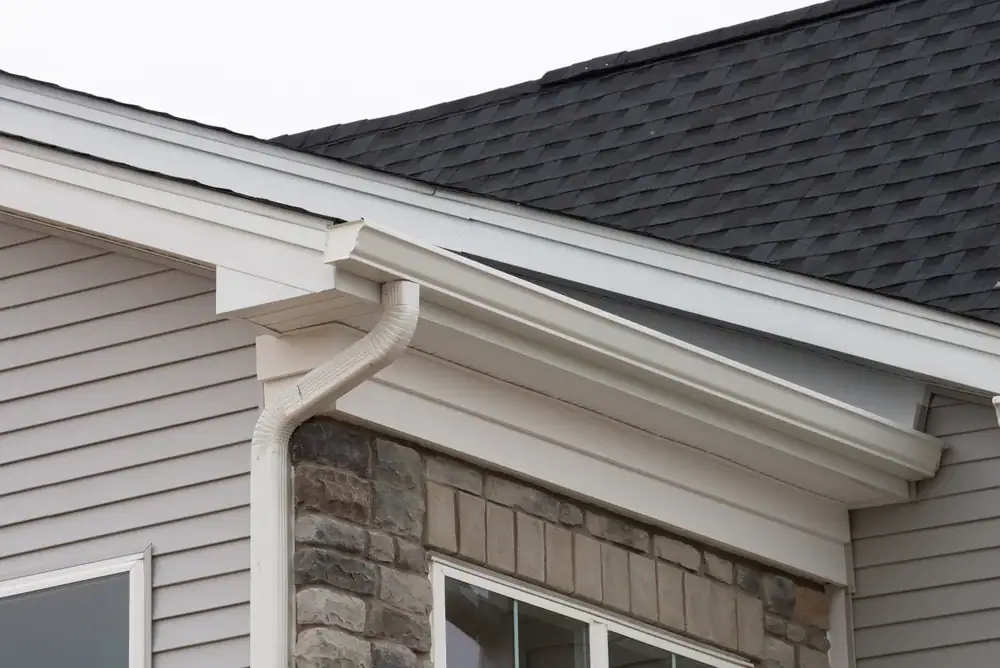
You’ve already spent enough on heating bills. The last thing you need is cold air pouring down a damaged chimney or water stains spreading across your ceiling because the flashing failed.
Chimney problems don’t announce themselves until they’re expensive. A small crack in the crown lets moisture in. That moisture freezes. The freeze-thaw cycle breaks down mortar joints. Before you know it, bricks are loose and your chimney is leaning.
Most Baywood homeowners spend between $900 and $2,500 fixing common chimney issues. That’s the cost of waiting. Catching it early means you’re looking at a few hundred dollars for repointing or flashing repair instead of a full rebuild. We inspect the entire structure, identify what’s failing, and fix it before it gets worse.
We’ve been repairing chimneys across Long Island for years, and we’re not going anywhere. When you hire us, you’re hiring a local team whose reputation depends on the quality of work we leave behind.
Baywood homes face the same challenges as the rest of Suffolk County: salt air that eats through mortar, coastal storms that drive rain sideways into flashing, and temperature swings that crack masonry faster than most people expect. We’ve seen it all, and we know how to fix it right the first time.
You’ll work directly with our team from start to finish. No subcontractors. No surprises. Just honest assessments and solid work that holds up through Long Island winters.
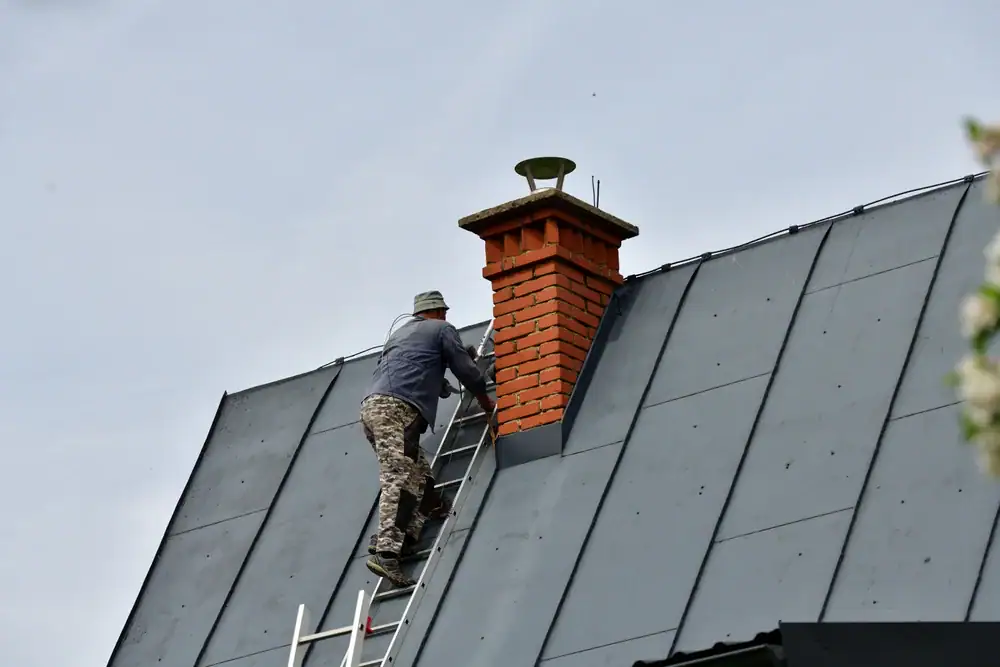
First, we inspect the entire chimney from top to bottom. That means the crown, the flue liner, the mortar joints, the bricks, and the flashing. Most chimney problems start with water, so we’re looking for any entry point where moisture can get in and cause damage.
Once we know what’s wrong, we explain it in plain terms. No jargon. No upselling. If your chimney needs a full rebuild, we’ll tell you. If it just needs repointing and new flashing, we’ll tell you that too. You’ll get a clear estimate with no hidden fees.
Then we do the work. We use high-quality materials that can handle Long Island weather, and we don’t cut corners. Depending on the scope, most chimney repairs take one to three days. We clean up when we’re done, and we make sure the work is solid before we leave. You’ll get photo updates along the way so you know exactly what we’re doing and why.

Ready to get started?
Chimney flashing repair is one of the most common fixes we do in Baywood. Flashing is the metal seal between your chimney and your roof, and when it fails, water pours straight into your attic. We remove the old flashing, install new corrosion-resistant material, and seal it properly so it stays watertight.
Masonry repair covers cracked bricks, crumbling mortar joints, and damaged chimney crowns. Long Island’s freeze-thaw cycles are brutal on masonry. Water seeps into tiny cracks, freezes overnight, expands, and breaks the material apart. We repoint the mortar, replace damaged bricks, and rebuild crowns using materials designed to resist moisture and temperature changes.
We also handle chimney caps, waterproofing treatments, and flue liner repairs. A chimney cap keeps rain, animals, and debris out of your flue. Waterproofing slows down the deterioration caused by coastal humidity and salt air. And if your flue liner is cracked, you’re at risk for carbon monoxide leaks and chimney fires. We’ll assess the liner during the inspection and recommend repair or replacement if needed.
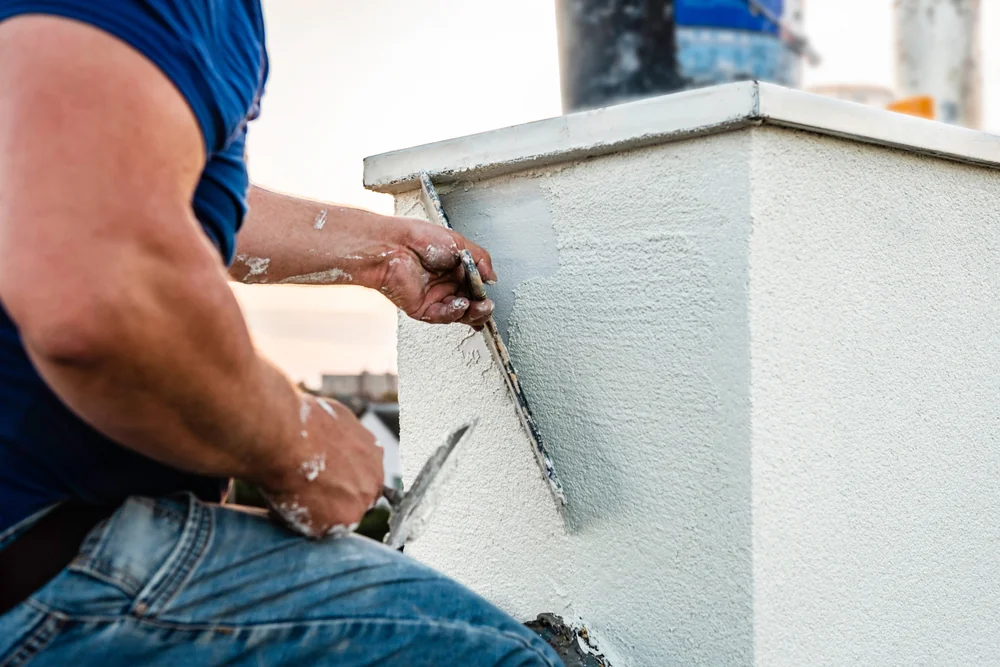
Most homeowners in Baywood spend between $900 and $2,500 on chimney repairs, depending on what needs fixing. Minor repairs like repointing a few mortar joints or replacing a chimney cap usually run $250 to $600. Chimney flashing repair typically costs $400 to $1,200 depending on the size of the chimney and the extent of the damage.
Larger jobs like rebuilding a chimney crown, replacing a flue liner, or repairing significant masonry damage can run $2,000 to $5,000 or more. If the chimney is structurally compromised and needs a full rebuild, costs can exceed $10,000. The best way to avoid the high end of that range is to catch problems early, which is why regular inspections matter.
We give you a clear, written estimate before any work starts. No surprises, no pressure. You’ll know exactly what you’re paying for and why.
Water is the main culprit. Long Island gets hit with snow, rain, coastal storms, and high humidity. When water gets into your chimney through cracks in the crown, failed flashing, or porous masonry, it causes serious damage over time.
Freeze-thaw cycles make it worse. Water seeps into small cracks, freezes overnight, expands, and breaks the masonry apart. This happens repeatedly throughout the winter, which is why chimneys deteriorate faster here than in drier climates. Salt air accelerates the process by corroding metal flashing and breaking down mortar joints faster than normal weathering.
Neglect is another factor. Most homeowners don’t think about their chimney until something goes wrong. Creosote buildup, missing chimney caps, and clogged flues all contribute to long-term damage. A yearly inspection catches these issues before they turn into expensive repairs.
Most chimney repairs take one to three days depending on the scope of work. Simple fixes like replacing a chimney cap or sealing minor cracks can be done in a few hours. Chimney flashing repair usually takes a full day because we need to remove the old flashing, prepare the surface, install new material, and seal everything properly.
Larger masonry repairs that involve repointing mortar joints, replacing bricks, or rebuilding a chimney crown take two to three days. If the weather doesn’t cooperate, we may need to pause work to let materials cure properly. Mortar and sealants need dry conditions to set correctly, and rushing the process leads to problems down the road.
We’ll give you a timeline upfront and keep you updated throughout the job. If something takes longer than expected, we’ll explain why and adjust the schedule accordingly.
It depends on the extent of the damage. If the chimney has a few cracked bricks, deteriorating mortar joints, or failed flashing, repair is the right move. These are common issues that can be fixed without tearing down the entire structure.
If the chimney is leaning, has major structural cracks, or the masonry is crumbling throughout, replacement might be necessary. A leaning chimney means the foundation has failed or the structure has shifted, and patching it won’t solve the underlying problem. Extensive masonry damage that affects more than 25% of the chimney often costs more to repair than it does to rebuild.
We’ll assess the condition during the inspection and give you an honest recommendation. If repair makes sense, we’ll tell you. If replacement is the smarter long-term investment, we’ll explain why. You’ll have all the information you need to make the right decision.
Spring and early summer are ideal. Winter often leaves behind hidden damage that shows up once the weather warms up. Addressing those problems before next winter means you’re not scrambling for emergency repairs when you actually need your fireplace.
Fall is the busiest season for chimney repair companies, which means longer wait times and higher prices. If you wait until October or November, you’re competing with everyone else who just realized their chimney isn’t ready for winter. Scheduling repairs in spring or summer gives you more flexibility and often better pricing.
That said, if you notice a problem now, don’t wait. Water damage gets worse over time, and a small crack today can turn into a major structural issue by next season. The sooner you fix it, the less you’ll pay in the long run.
Yes, especially on Long Island. The combination of coastal weather, freeze-thaw cycles, and salt air means chimneys deteriorate faster here than in most other parts of the country. An annual inspection catches small problems before they become expensive emergencies.
Most chimney issues start small. A hairline crack in the crown, a loose piece of flashing, or a small gap in the mortar joint. These aren’t obvious from the ground, and they don’t cause immediate problems. But over the course of a year, water gets in, freezes, expands, and turns that small issue into a major repair.
A professional inspection costs around $150 to $300 and takes about an hour. That’s a lot cheaper than dealing with water damage, structural repairs, or a chimney fire caused by creosote buildup. It also gives you documentation for insurance purposes if something does go wrong. Most homeowners policies require regular maintenance, and an inspection report proves you’ve been taking care of your home.
Other Services we provide in Baywood