

Hear From Our Clients

You’re not dealing with a minor drip. You’re watching water pool around your foundation every time it rains. Your basement smells damp, your landscaping’s eroding, and you’re wondering how long before this turns into a five-figure foundation repair.
That’s what happens when gutters fail in Baywood. Between Long Island’s nor’easters, heavy spring rains, and winter freeze-thaw cycles, your gutter system takes a beating. When it can’t handle the load, water goes exactly where it shouldn’t—into your foundation, under your siding, and through your soffit.
Professional gutter repair stops that cycle. We’re talking about fixing sagging sections that can’t drain properly, sealing leaks at the seams, clearing clogs that cause overflow, and replacing damaged downspouts that dump water right next to your foundation. The work isn’t glamorous, but it’s what keeps your home dry and your foundation intact.
We’ve spent ten-plus years repairing gutters, roofs, and exteriors across Suffolk County. We’re licensed, insured, and we live here—which means we understand exactly what Long Island weather does to your home.
No subcontractors. Every crew member works directly for us, trained to our standards. When we show up to assess your gutter damage in Baywood, you’re getting someone who’s seen hundreds of these repairs and knows the difference between a quick fix and a lasting solution.
We’re not the cheapest option, and that’s intentional. You’re paying for materials that hold up to coastal weather, repairs that last through multiple storm seasons, and a crew that shows up when they say they will.
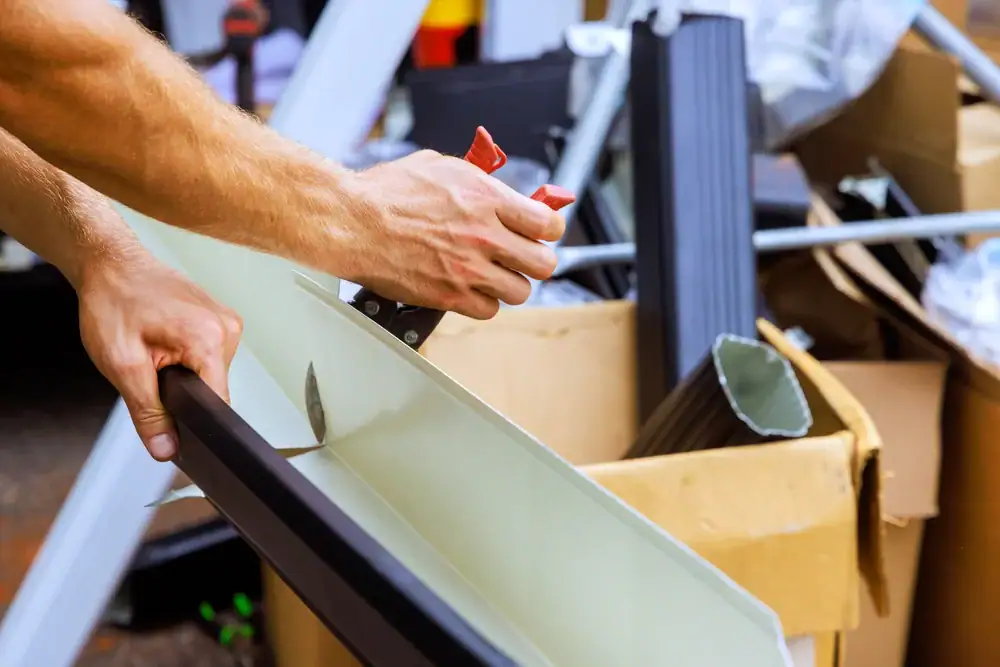
First, we assess the damage. That means getting on a ladder, checking every section of your gutter system, looking for sags, leaks, clogs, and fascia damage. We’re checking pitch, testing drainage, and figuring out whether you need repairs or if sections need full replacement.
You get a clear estimate before we start. No surprises, no upselling. If your gutters just need new hangers and a reseal, that’s what we recommend. If a section’s too damaged and needs replacement, we’ll explain why.
Once you approve, we schedule the work. Most gutter repairs in Baywood take a day or less. We remove damaged sections, install new hangers or brackets, reseal joints, replace downspouts if needed, and test the entire system to make sure water flows where it should. You’re not left guessing whether it worked—we run water through before we leave.

Ready to get started?
Gutter repair covers everything from minor leak sealing to full section replacement. We fix sagging gutters by installing new hangers or brackets spaced correctly for Long Island’s snow load. We reseal joints and end caps where leaks develop. We replace damaged downspouts and make sure they’re directing water at least six feet from your foundation.
In Baywood and across Suffolk County, we also deal with ice dam damage. When gutters fill with ice during winter, the weight pulls them away from the fascia. That requires reattaching the gutter system, sometimes replacing fascia boards, and ensuring proper insulation to prevent future ice buildup.
Coastal weather means we use materials that resist salt air corrosion. Aluminum gutters with proper gauge thickness, stainless steel fasteners, and high-quality sealants that don’t crack in temperature swings. These aren’t upgrades—they’re standard for Long Island installations because anything less fails within a few seasons.

Most gutter repairs in Baywood run between $200 and $600, depending on what’s damaged. Simple fixes like resealing a leaking joint or replacing a few hangers sit on the lower end. Extensive repairs—replacing entire sections, fixing fascia damage, or addressing ice dam destruction—can push toward $1,000 or more.
Here’s what affects cost: how many linear feet need work, whether the fascia boards are rotted and need replacement, if downspouts need rerouting, and how accessible your roofline is. Two-story homes cost more than single-story because of the equipment and time required.
We give you an upfront estimate after inspecting your system. No hidden fees, no surprise charges. You’ll know exactly what you’re paying before we start, and you can decide if the repair makes sense or if replacement is the better long-term investment.
If you’ve got one or two problem spots—a sagging section, a leaky seam, a damaged downspout—repair makes sense. If you’re seeing issues along multiple sections, rust holes, cracks, or gutters pulling away from the house in several places, replacement is probably smarter.
Age matters too. Gutters older than 20 years, especially in Long Island’s coastal climate, are often past the point where repairs are cost-effective. You might fix one section this year and another next year, spending more in the long run than a full replacement would cost.
During our inspection, we’ll walk you through what we’re seeing. If repairs will buy you another 5-10 years, we’ll recommend that. If you’re looking at ongoing problems, we’ll explain why replacement makes more sense. The goal is helping you make the decision that saves money over time, not just today.
Sagging happens when gutters get too heavy for the hangers to support. That weight comes from clogs—leaves, shingle granules, and debris that trap water. Instead of a few pounds of aluminum, you’re looking at gutters holding 50+ pounds of wet debris per section.
Hangers spaced too far apart also cause sagging. Gutters need support every 24 inches in areas with snow load like Long Island. Many older installations used 36-inch spacing, which works fine until you get heavy rain or snow. Then the unsupported sections start to bow.
Ice dams create another problem. When water freezes in your gutters during winter, the expanding ice pushes outward and downward. That force pulls gutters away from the fascia, bends hangers, and sometimes damages the fascia board itself. Fixing sagging gutters means addressing the cause—better hangers, proper spacing, and clearing clogs before they create weight issues.
Most Baywood homes need gutter cleaning twice a year—late spring and mid-fall. That timing catches the debris from spring pollen and seed drop, then handles fall leaves before winter weather hits.
If you’ve got oak or maple trees close to your house, you might need three or four cleanings. Those trees drop debris year-round, and their leaves are particularly good at forming clogs that trap water. Pine trees create similar problems with needles that mat together and block downspouts.
Regular cleaning prevents most gutter damage. When debris sits in your gutters, it holds moisture against the metal, causing rust and corrosion. It adds weight that stresses hangers. It creates clogs that cause overflow, which leads to fascia rot and foundation problems. Spending $150-$200 on cleaning twice a year is cheaper than spending $500+ on repairs later.
Yes, but it depends on the temperature and what needs fixing. Simple repairs—replacing hangers, reattaching sections, clearing ice dams—we can handle in most winter conditions. Sealant work gets tricky below freezing because adhesives need certain temperatures to cure properly.
Ice dam removal is actually a winter-specific repair. When ice builds up in your gutters and creates dams that push water under your shingles, that needs immediate attention. We remove the ice, check for damage, and make temporary repairs if needed, then schedule permanent fixes once temperatures rise.
Emergency repairs happen year-round. If a winter storm tears a section of gutter off your house, we’re not waiting until spring. We’ll secure it, prevent further damage, and do whatever work the weather allows. Full replacements and extensive repairs usually wait for better conditions, but we’ll stabilize the situation so you’re not dealing with water damage while you wait.
Yes. When storms damage your gutters and water’s pouring into your foundation or basement, that’s an emergency. We offer same-day service for situations like that—gutters torn off by wind, downspouts ripped away, sections collapsed under ice or debris weight.
Emergency repairs focus on stopping active damage. We’ll secure loose sections, redirect water away from your foundation, and make temporary fixes that protect your home until we can schedule permanent repairs. Sometimes that means tarping, sometimes it’s quick brackets and fasteners, sometimes it’s rerouting a downspout with temporary extensions.
You’re not paying emergency rates just because you call after hours. You’re paying for immediate response when your home’s at risk. If it’s a situation that can wait until our next available appointment without causing damage, we’ll tell you that too. The goal is protecting your house, not inflating bills.
Other Services we provide in Baywood