
Hear From Our Clients
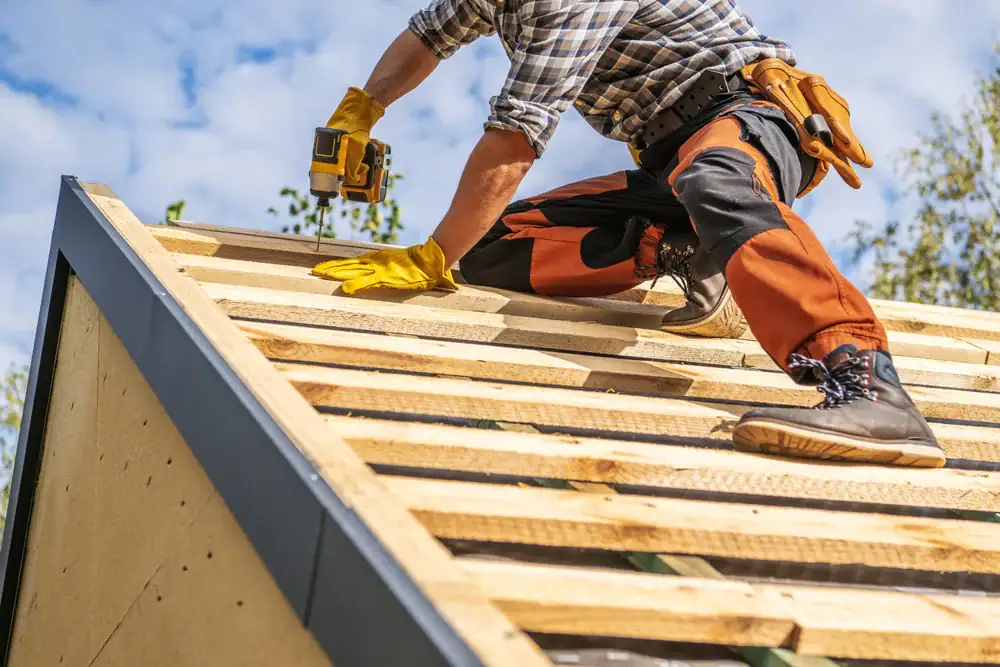
You’re not just getting new shingles. You’re getting a roof system built to handle the salt air, ice dams, and 60 mph winds that hit Central Islip every year.
Most roof problems start small. A lifted shingle after a storm. Corroded flashing from coastal humidity. By the time you see water stains on your ceiling, you’re looking at thousands in repairs. A proper roof installation catches those vulnerabilities before they become emergencies.
The difference shows up when the next nor’easter rolls through and your neighbors are scrambling for tarps while your roof holds. It shows up in lower energy bills because your attic isn’t leaking conditioned air. It shows up when you’re not calling for emergency repairs every few years because we did it right the first time.
Home Team Construction has worked in Central Islip and across Suffolk County since before most roofing companies had websites. We’re the roofer contractors your neighbors call when they need honest work without the runaround.
We’re fully licensed, bonded, and insured because that’s not optional. We give you upfront pricing because surprises belong at birthday parties, not on invoices. And we live here, so we know exactly what Long Island weather does to roofs over time.
When you work with local shingle roofers who’ve seen decades of coastal storms, you get a roof built for this climate. Not a generic installation that works fine in Arizona but fails here in three years.
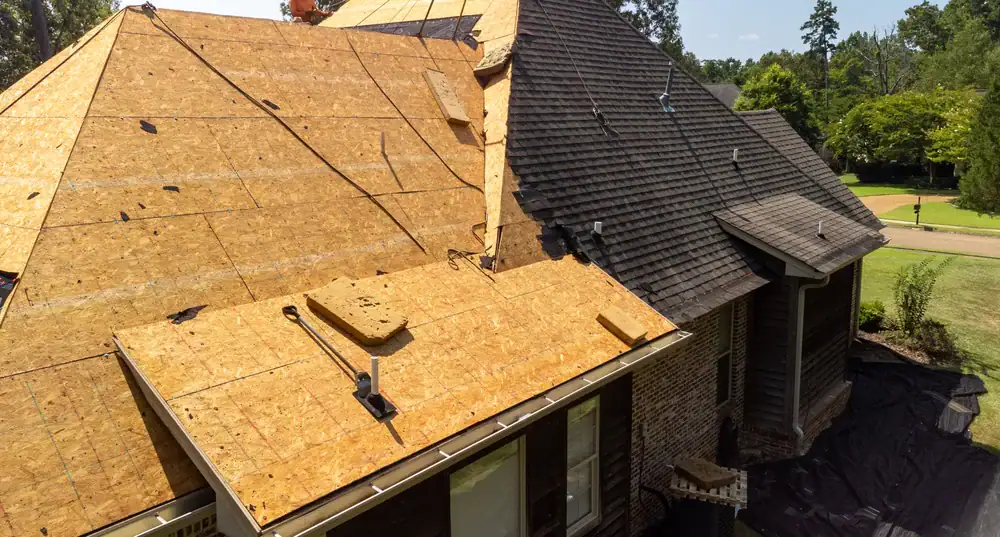
First, we inspect your current roof and attic. We’re looking for hidden damage, ventilation issues, and whether your decking can support new materials. You get a written assessment with photos, not a sales pitch.
If you move forward, we handle the permits and schedule around your life. On installation day, we do a complete tear-off down to the decking because layering over old shingles is asking for problems. We replace any damaged decking, install ice and water shield in vulnerable areas, and use proper flashing techniques that account for Long Island’s weather patterns.
The new shingles go on with the right nailing pattern and spacing. We install ridge vents for proper attic airflow. We clean up completely, including a magnet sweep for stray nails. Then we walk you through the finished work and explain your warranty coverage.
Most roof installations in Central Islip take two to four days depending on size and complexity. We don’t rush. We don’t cut corners. And we don’t leave until the job meets our standards and yours.
Ready to get started?
Central Islip sits right in the path of every coastal storm system that hits Long Island. Your roof takes the full force of nor’easters, summer thunderstorms, and that relentless salt air that corrodes metal faster than most homeowners realize.
That’s why our roof installation includes upgraded underlayment in critical areas, metal drip edge to protect fascia boards, and properly sealed flashing around chimneys and vents. We use shingle roofing techniques designed specifically for high-wind coastal zones, not the standard approach that works fine inland but fails here.
You also get proper attic ventilation, which most homeowners don’t think about until ice dams form or their cooling bills spike. Good ventilation extends shingle life by years and prevents moisture damage that rots decking from the inside out.
We work with your insurance company if storm damage is involved. We make sure all the paperwork is right so your claim goes through. And if you need gutter repair or house gutter installation to protect your foundation, we handle that too. Your roof is part of a complete water management system, and treating it as separate pieces is how problems start.
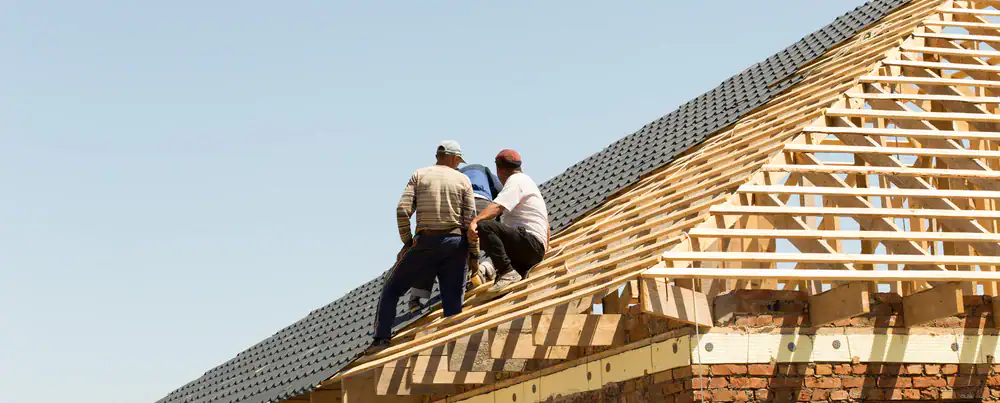
Asphalt shingles typically last 20 to 30 years in Central Islip, but that range depends entirely on installation quality and weather exposure. A roof installed correctly with proper ventilation and high-wind rated shingles will hit the upper end of that range. A rushed job with poor ventilation might need replacement in 15 years.
Long Island’s climate is tough on roofs. You’ve got intense summer sun that bakes shingles, winter freeze-thaw cycles that crack sealant, and salt air that corrodes metal components faster than you’d see inland. Add in the occasional hurricane or nor’easter with 60+ mph winds, and your roof takes a beating.
The key is choosing materials rated for coastal environments and working with roofer contractors who understand local conditions. Proper attic ventilation alone can add five years to your roof’s life by preventing heat and moisture buildup that degrades shingles from underneath.
Roof repair makes sense when damage is localized—a few missing shingles after a storm, a small leak around a chimney, or isolated wind damage. If your roof is under 15 years old and the problem is contained, repair is usually the right call.
Full roof replacement becomes necessary when you’ve got widespread issues. Multiple leaks, shingles that are curling or losing granules across large sections, or visible sagging all point to systemic failure. At that point, patching problems is just delaying the inevitable and usually costs more in the long run.
Here’s the honest truth: if your roof is over 20 years old and you’re calling for repairs, replacement is probably the smarter move. You’ll spend thousands on repairs over the next few years anyway, and you won’t get the warranty protection or energy efficiency that comes with a new roof. We’ll tell you which option makes sense for your situation, not which one makes us more money.
Most Central Islip homeowners pay between $8,000 and $15,000 for asphalt shingle roof replacement, with the average around $11,500. That covers a standard-sized home with architectural shingles, proper underlayment, and quality installation.
The range exists because every roof is different. A simple ranch with easy access costs less than a two-story colonial with multiple valleys and dormers. Premium shingles with better wind ratings and longer warranties cost more upfront but last longer. And if we find rotted decking during tear-off, that adds to the total.
We give you upfront pricing after inspecting your roof, not vague estimates that balloon later. You’ll know exactly what you’re paying and what’s included before we start. If your roof has storm damage, we’ll work with your insurance company to make sure you’re only paying your deductible. No surprises, no hidden fees, no games.
Yes, but it’s not ideal. Asphalt shingles need warmth to seal properly, and when temperatures drop below 40°F, the adhesive strips don’t bond the way they should. That doesn’t mean winter installation is impossible, just that it requires extra care and the right conditions.
If you need emergency roof replacement because of storm damage or a leak that can’t wait until spring, we can do it. We watch weather forecasts closely and only work on days when temperatures will stay above freezing. We store shingles in a warm space before installation so they’re pliable, and we hand-seal tabs that might not self-seal in cold weather.
The best time for roof installation in Central Islip is May through October. You get consistent temperatures, lower humidity, and longer daylight hours. Shingles seal properly, crews work more efficiently, and there’s less weather risk. If your roof can wait, spring through early fall gives you the best result.
Not always, but it’s worth evaluating them at the same time. If your gutters are sagging, pulling away from the fascia, or showing rust and corrosion, replacing them during roof installation makes sense. You’re already paying for scaffolding and labor, so the incremental cost is lower than doing it separately later.
Long Island’s climate is hard on gutters. Salt air corrodes metal, heavy storms dump debris that clogs downspouts, and ice dams can tear gutters right off your house. If your gutters are over 15 years old or showing damage, replacing them alongside your roof protects your investment.
Good gutters direct water away from your foundation, preventing the kind of basement flooding and structural damage that costs $10,000+ to fix. We include gutter repair and house gutter installation as part of our complete exterior services because your roof and gutters work as a system. When one fails, the other takes damage.
Check three things: licensing, insurance, and local references. Any roofer working in Central Islip should have a New York State Home Improvement Contractor license, general liability insurance, and workers’ comp coverage. If they can’t show you proof immediately, walk away.
Long Island has a problem with roofing scams, especially after major storms. Someone knocks on your door, claims they spotted damage, and offers a great deal if you sign today. They do shoddy work or disappear with your deposit. Legitimate roofer contractors don’t operate that way.
Ask for references from jobs in your area within the last year. Drive by and look at the work if possible. Check online reviews, but look for patterns in complaints, not one-off bad reviews. And get everything in writing—scope of work, materials, timeline, payment schedule, and warranty terms. If a contractor pressures you to decide quickly or wants full payment upfront, that’s a red flag.
Other Services we provide in Central Islip