

Hear From Our Clients
You’re not dealing with chimney problems because you ignored your home. Suffolk County’s freeze-thaw cycles are brutal on masonry. Water seeps into tiny cracks, freezes overnight, expands, and turns small issues into structural damage faster than most homeowners realize.
When your chimney works the way it should, your fireplace heats efficiently without sending carbon monoxide into your living room. Your flashing keeps water out of your walls. Your mortar holds strong through coastal storms and temperature swings.
The difference between a $400 repair and a $15,000 rebuild often comes down to timing. Catch the problem early—before winter weather makes it worse—and you’re looking at repointing some mortar joints or sealing a crown. Wait until you see water stains on your ceiling or smell smoke in the wrong rooms, and you’re talking about tearing down and rebuilding sections of your chimney.
Most Central Islip homes were built in the late 60s and early 70s. If your chimney hasn’t been inspected in the last few years, there’s a good chance it needs attention.
We’ve been handling chimney repairs across Suffolk County long enough to know exactly how Long Island weather affects your masonry. We’re not a franchise or a national chain. We’re local contractors who understand that Central Islip’s salt air and freeze-thaw cycles accelerate mortar breakdown faster than it would happen inland.
Our crews are licensed and insured. We show up when we say we will, we explain what’s wrong in plain language, and we don’t upsell you on work you don’t need.
Central Islip has a strong homeowner community—78% of residents own their homes, and most of those homes are single-family houses with chimneys that need regular maintenance. We’ve worked in this area long enough to earn trust by doing the work right the first time.
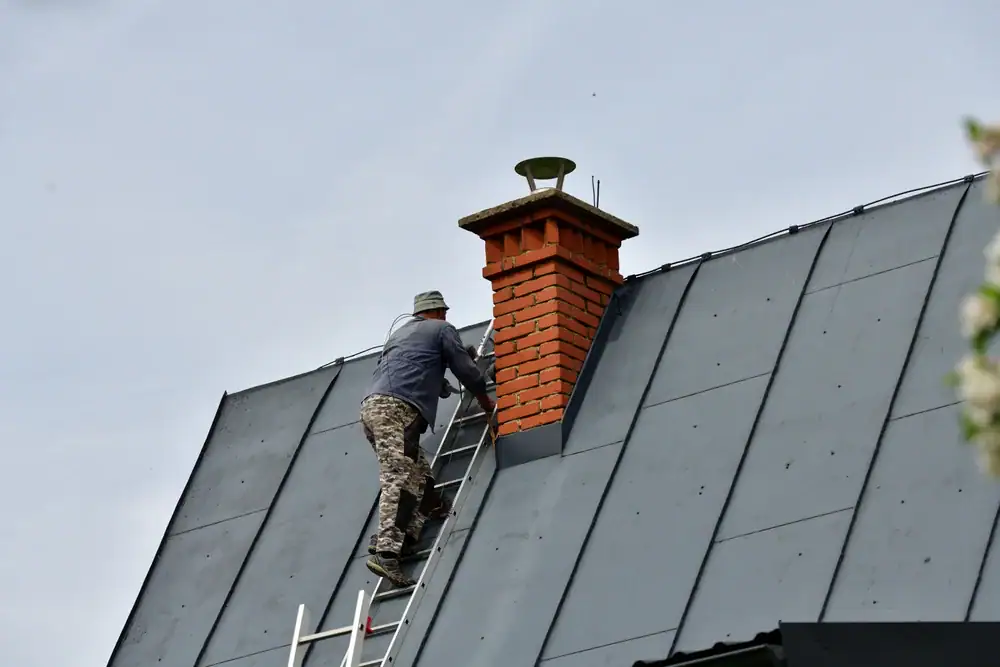
First, we inspect your chimney from top to bottom. We’re looking at the crown, the flue, the flashing, the mortar joints, and the firebox. We check for cracks, water damage, loose bricks, and anything that could become a safety hazard or let water into your home.
Then we explain what we found. If your mortar joints are deteriorating, we’ll show you where and why. If your flashing is pulling away from the roofline, we’ll explain how that’s letting water into your walls. If your chimney crown has cracks, we’ll tell you how freeze-thaw cycles will make those cracks bigger every winter.
We give you a clear estimate with no surprises. You’ll know exactly what needs to be fixed, why it matters, and what it costs before we start any work.
Once you approve the work, we handle everything—from repointing mortar and replacing damaged bricks to rebuilding crowns and installing new flashing. We use materials designed to handle coastal weather, and we clean up completely when we’re done. Your chimney gets fixed right, and your property stays protected.

Ready to get started?
Chimney masonry repair covers everything from repointing deteriorated mortar joints to replacing damaged bricks. Mortar is the weak point in most chimneys—it breaks down faster than brick, especially when water gets in and freezes. Repointing means removing old mortar and replacing it with fresh material that seals joints and keeps water out.
Chimney flashing repair fixes the metal seal between your chimney and your roof. When flashing fails, water runs straight into your walls and attic. In Central Islip, where storms off the Atlantic can dump heavy rain, failed flashing leads to expensive interior damage fast.
Chimney leak repair addresses water infiltration from any source—cracked crowns, damaged flashing, deteriorated mortar, or missing chimney caps. Most leaks start small but get worse quickly. If you’re seeing water stains near your chimney, don’t wait.
Crown repair and rebuilding protects the top of your chimney from water damage. The crown is the concrete or mortar cap that covers the top of your chimney stack. Cracks in the crown let water seep into the masonry, where freeze-thaw cycles cause serious damage.
We also handle complete chimney rebuilds when damage is too extensive for spot repairs. If your chimney is leaning, has major structural cracks, or shows signs of serious deterioration, rebuilding may be the safest and most cost-effective long-term solution.
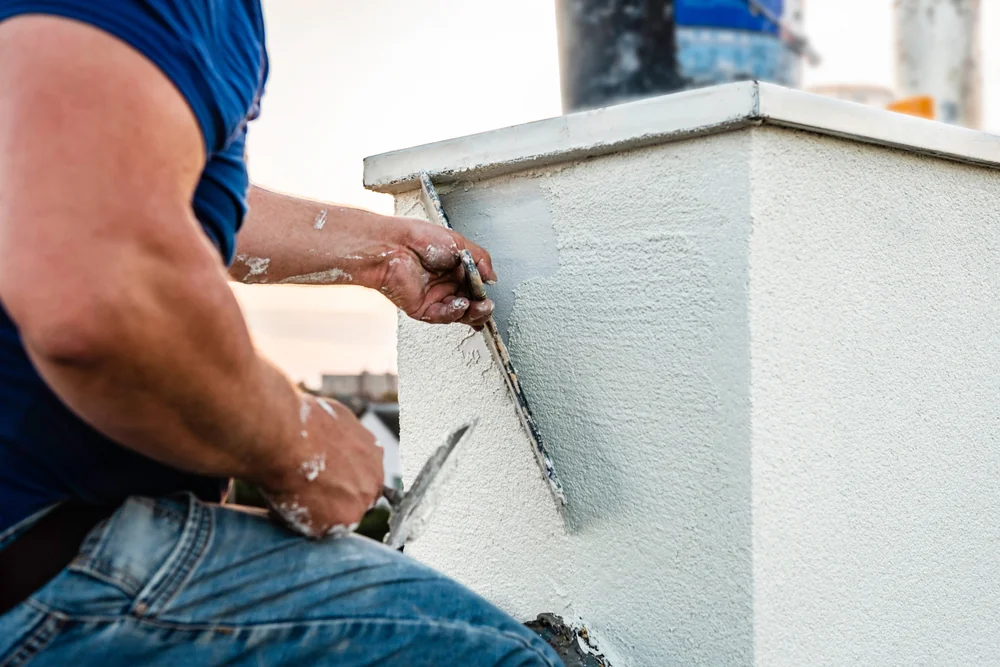
Most chimney repairs in Central Islip run between $160 and $750 for standard work like repointing mortar joints, sealing crowns, or fixing minor flashing issues. The average homeowner spends around $455 on typical repairs.
Costs go up if the damage is more extensive. Replacing a full section of damaged masonry, rebuilding a chimney crown, or installing new flashing on a steep roof can push costs higher. Complete chimney rebuilds—needed when structural damage is severe—can run upwards of $15,000.
The key is catching problems early. A $400 repointing job today prevents a $10,000 rebuild next year. If you’re seeing cracks, water stains, or loose mortar, get it inspected before winter makes it worse.
Look for visible cracks in the chimney crown or mortar joints. Check for white staining on the bricks—that’s efflorescence, which means water is getting into the masonry. If you see loose or missing bricks, that’s a clear sign of deterioration.
Inside your home, watch for water stains on the ceiling or walls near the chimney. If you smell smoke in rooms where it shouldn’t be, or if your fireplace isn’t drafting properly, there’s likely a problem with the flue or chimney structure.
Flashing issues show up as water leaks in your attic or along the roofline near the chimney. If your flashing is pulling away from the chimney or roof, water is getting in. In Central Islip, where freeze-thaw cycles are harsh, small problems turn into big ones fast. If you haven’t had your chimney inspected in the last few years, now’s the time.
It depends on what’s wrong. If you have minor mortar deterioration or small cracks in the crown, you might be okay for a short time—but you’re taking a risk. If there are cracks in the flue liner, structural damage, or serious water infiltration, using your fireplace could be dangerous.
Cracks in the flue can let carbon monoxide and smoke leak into your home instead of venting outside. Structural damage increases the risk of chimney fires spreading to your house. Water damage weakens masonry and makes the chimney less stable.
The safest move is to get an inspection before you light a fire. If we say it’s not safe to use, don’t risk it. The cost of a repair is a lot less than the cost of a house fire or a carbon monoxide emergency.
Freeze-thaw cycles are the biggest culprit. Water gets into small cracks in the mortar or crown, freezes overnight when temperatures drop, expands, and makes the cracks bigger. This happens over and over all winter long, and the damage adds up fast.
Salt air from the Atlantic accelerates mortar breakdown. Coastal areas like Central Islip see faster deterioration than inland locations because salt speeds up the chemical breakdown of masonry materials.
Age is another factor. Most homes in Central Islip were built in the late 60s and early 70s, which means chimneys are 50+ years old. Mortar doesn’t last forever—it needs maintenance and eventual replacement. If your chimney hasn’t been repointed in decades, it’s overdue.
Most standard repairs—like repointing mortar joints, sealing a crown, or fixing flashing—take one to three days depending on the scope of work and weather conditions. Mortar needs time to cure properly, so we can’t rush the process.
Larger jobs like partial rebuilds or extensive masonry work can take a week or more. If we’re tearing down and rebuilding a section of chimney, we need to work in stages to ensure structural integrity and proper curing.
Weather affects timelines. We can’t apply mortar or sealant in freezing temperatures or heavy rain because it won’t cure correctly. If you’re scheduling chimney repair in Central Islip, fall is the best time—before winter weather hits but while temperatures are still mild enough for masonry work.
Yes. We stand behind our work with a warranty that covers both materials and labor. The specific terms depend on the type of repair—mortar work, flashing replacement, crown rebuilds, and full reconstructions each have different warranty periods based on industry standards and material specifications.
We use quality materials designed to handle Long Island’s coastal climate. That means weather-resistant mortar, properly installed flashing, and techniques proven to last through freeze-thaw cycles and salt air exposure.
If something goes wrong with our work, we come back and fix it. That’s part of doing business the right way. Before we start any job, we’ll explain exactly what’s covered and for how long so there’s no confusion later.
Other Services we provide in Central Islip