

Hear From Our Clients
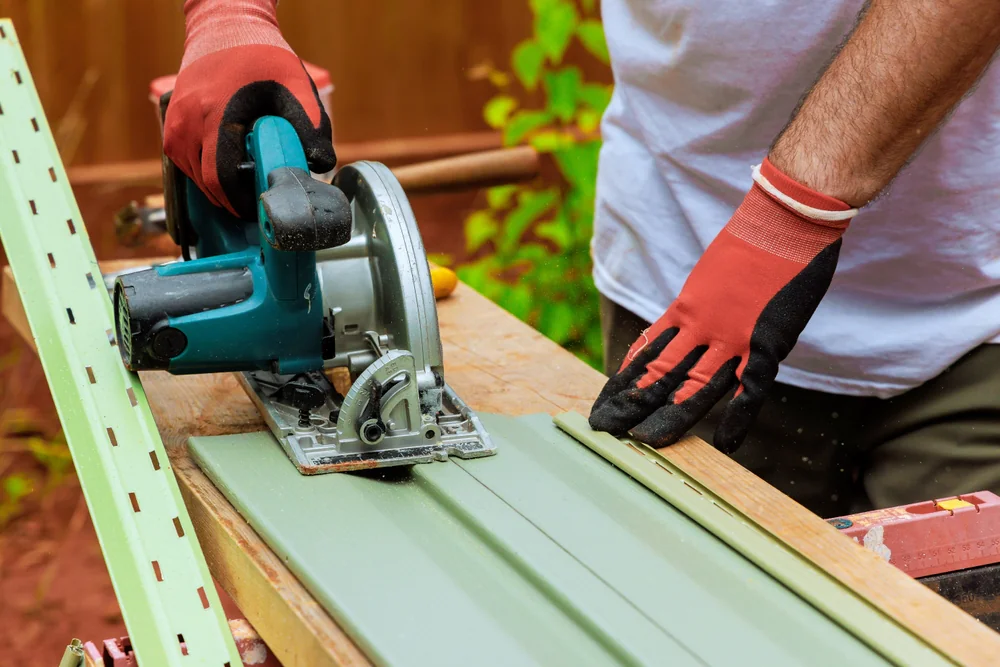
A $500 siding repair today can prevent a $15,000 structural repair six months from now. That’s not scare tactics—it’s what happens when water gets behind your exterior and sits there through a Long Island winter.
You’ll know the repair worked when your energy bills stop climbing. When you stop seeing water stains on interior walls. When the next nor’easter rolls through and you’re not wondering if tonight’s the night that crack finally gives out.
The goal isn’t just patching what’s broken. It’s making sure the problem doesn’t come back after the next storm, the next freeze-thaw cycle, or the next five years of salt air eating away at your exterior.
We’ve spent more than 10 years repairing siding damage across Central Islip and Suffolk County. We’re licensed, insured, and we understand exactly what Long Island’s coastal weather does to vinyl, wood, and aluminum siding.
Central Islip sits close enough to the water that salt air accelerates everything—fading, cracking, corrosion. We stock materials that match older siding, even discontinued colors. We know which repairs hold up and which ones fail after the first winter.
You’re not getting a crew that learned about siding last month. You’re getting contractors who’ve seen what happens when repairs are done wrong, and who know how to do them right the first time.
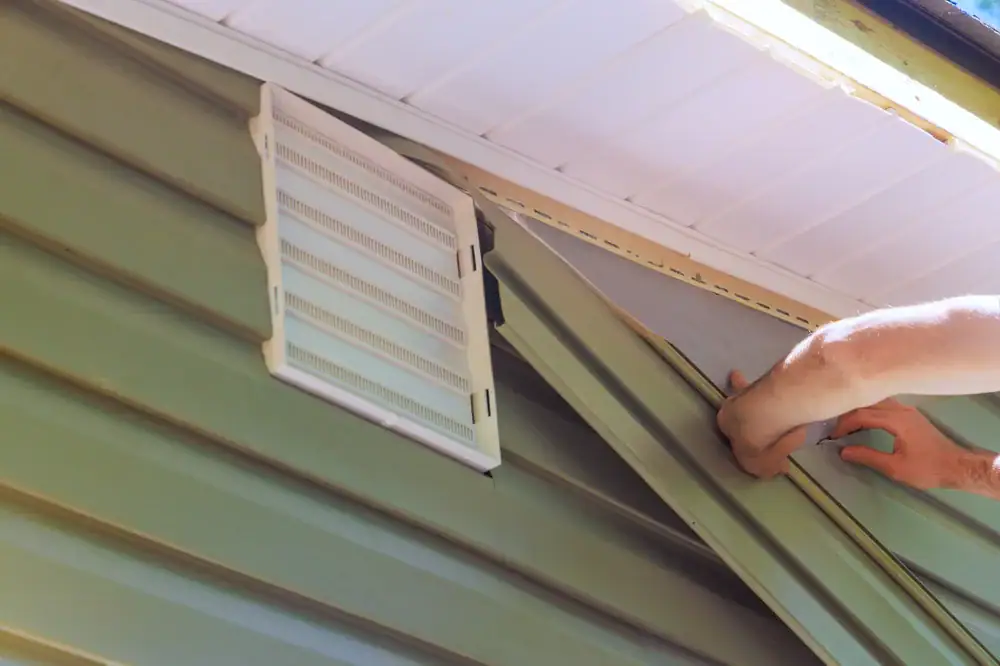
First, we inspect the damaged area and everything around it. Siding problems rarely travel alone—if one section failed, there’s usually a reason, and we need to find it before we start repairs.
We’ll show you what we found, explain what caused it, and walk you through what needs to happen to fix it properly. No jargon. No upselling. Just a clear explanation of the problem and the solution.
Then we match your siding. We bring color samples to your house because lighting matters, and what looks like a match in our truck might look off on your wall. For older or discontinued siding, we have sources for hard-to-find materials.
The actual repair addresses both the visible damage and the underlying cause—whether that’s improper installation, missing flashing, or water intrusion from somewhere else. We don’t just cover up the problem. When we’re done, we clean up completely. You shouldn’t have to deal with debris in your yard after we leave.

Ready to get started?
Vinyl siding repair involves replacing cracked or warped panels, fixing loose sections before wind gets underneath, and addressing the color fade that happens faster here than inland. We use materials rated for coastal environments—not the cheapest option, but the one that lasts.
Wood siding repair in Central Islip means dealing with rot before it spreads. Salt air and humidity create perfect conditions for wood deterioration. We remove damaged sections, treat surrounding areas, and use proper primers and paints that hold up to moisture.
Aluminum siding repair focuses on dents, corrosion, and paint failure. Aluminum doesn’t rot, but it does corrode in salt air, and once the finish fails, it goes downhill fast. We can often repair sections without replacing entire walls.
Every repair includes an inspection for water damage behind the siding. If we find it, you’ll know before it becomes a bigger problem. Central Islip has seen 45 hurricanes since 1930, and your siding takes the brunt of every storm. The repairs need to be stronger than what was there before.

If you can see daylight through cracks, if water is getting inside, or if pieces are missing or hanging loose, that’s urgent. Wind and rain will find those openings, and every day you wait gives water more time to get behind your exterior and into your walls.
Less urgent—but still important—are things like fading, small cracks that haven’t opened up yet, or minor warping. These won’t cause immediate damage, but they’re warnings that your siding is failing. Fixing them now costs less than waiting until they become emergency repairs.
If you’re not sure, take a photo and text it to us. We can usually tell you over the phone whether you need someone out today or whether it’s safe to schedule for next week. Don’t lose sleep over it—just ask.
Usually, yes. We bring physical samples to your house and hold them up against your existing siding in natural light. What looks like a perfect match in a warehouse can look completely wrong on your wall, so we don’t guess.
For discontinued colors or older siding, we have suppliers who specialize in obsolete materials. Sometimes we can find exact matches. Other times, we’ll replace an entire wall section so the new material blends naturally with a corner or trim line instead of standing out in the middle of a wall.
The worst-case scenario is replacing more siding than just the damaged area to make everything look intentional. We’ll talk through options and costs before doing anything. You won’t end up with a patch job that screams “repair” from the street.
Usually it’s one of three things: poor installation, cheaper materials, or a moisture problem behind the siding. If your siding was installed too tight, it can’t expand and contract with temperature changes, so it buckles and cracks. If it’s a budget-grade product, it breaks down faster in salt air and UV exposure.
But the most common culprit in Central Islip is water getting behind the siding from a roof leak, missing flashing, or failed caulking around windows. Once moisture gets trapped back there, it creates heat in summer and freeze-thaw cycles in winter that destroy siding from behind.
We’ll figure out which one you’re dealing with during the inspection. If it’s a moisture issue, we fix that first—otherwise you’re just putting new siding over a problem that will destroy the replacement too. If it’s installation or materials, we make sure the repair doesn’t repeat the same mistakes.
Basic repairs—replacing a few damaged panels, fixing a small section—usually run $500 to $1,500. Larger jobs that involve multiple walls, water damage repair, or hard-to-match materials can run $2,000 to $7,000. Emergency storm repairs with same-day service cost more because you’re paying for immediate response.
The price depends on material type, how much needs replacing, whether there’s hidden damage, and how difficult the color match is. Aluminum and wood repairs typically cost more than vinyl because the labor is more involved.
We’ll give you an exact quote after inspecting the damage. No surprise charges, no “we found more problems” upsells unless we genuinely find something that needs addressing for safety. You’ll know what it costs before we start, and you’ll know why it costs that amount.
Most policies cover sudden storm damage—wind, hail, falling trees. They typically don’t cover damage from age, wear, or lack of maintenance. If a hurricane rips off your siding, you’re probably covered. If it’s been slowly deteriorating for five years and finally failed, probably not.
We document everything with photos and detailed notes that insurance companies accept. We’ve worked with adjusters enough to know what they need to see. If they want to inspect before repairs, we’ll work with their timeline. If they approve emergency temporary repairs, we can do those while you wait for full claim approval.
The key is calling your insurance company right after storm damage happens—before you start repairs. Some policies require notification within a certain timeframe. We can walk you through that process and provide the documentation they’ll ask for. We don’t handle claims directly, but we make the process easier by giving you everything you need.
Done right, with proper materials, siding repairs should last as long as the original installation—15 to 30 years for vinyl, 20 to 40 for aluminum, and 20 to 30 for wood with proper maintenance. The qualifier is “done right with proper materials.”
Central Islip’s salt air, humidity, and storm exposure mean you can’t use the same approach that works inland. We use fasteners that won’t corrode, sealants rated for coastal environments, and materials designed to handle temperature swings and UV exposure. Cutting corners on materials might save $100 today, but it’ll cost you another repair in three years.
The repairs we do are often stronger than the original installation because we’re fixing known weak points and using better techniques. You shouldn’t need to call us back for the same problem. If something fails prematurely, we want to know about it—that means we missed something, and we’ll make it right.
Other Services we provide in Central Islip