
Hear From Our Clients
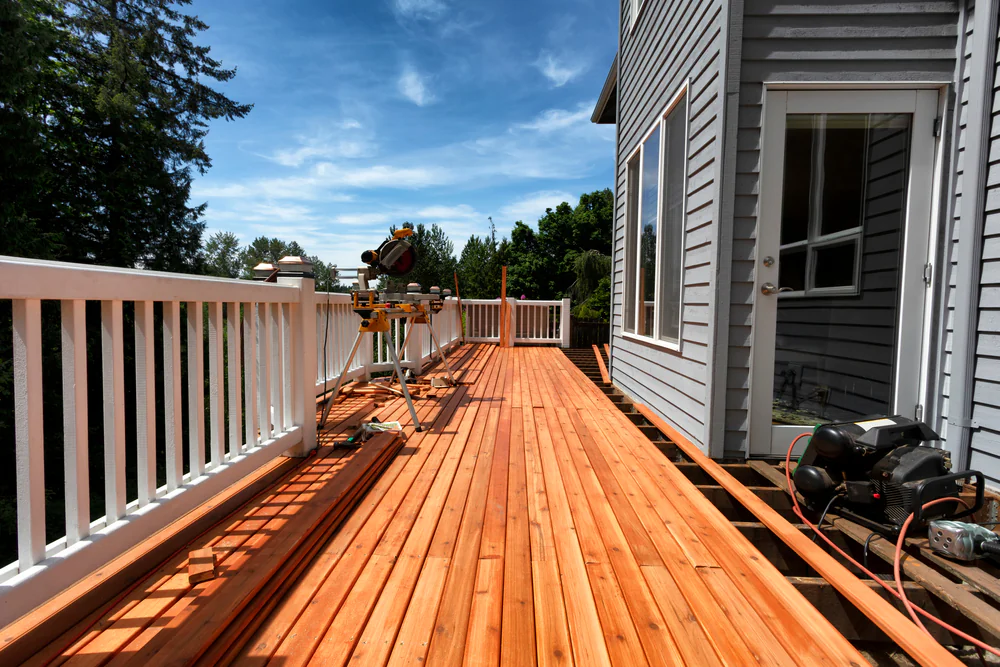
Your deck takes a beating in Springs. Humid summers, freeze-thaw cycles all winter, salt air from the coast—it adds up fast. Wood expands, contracts, and starts to rot from the inside out. Fasteners loosen. Boards warp and splinter.
You notice it when a railing feels wobbly or a board flexes too much underfoot. Maybe you’ve been putting off dealing with it because you’re not sure how bad it really is.
Here’s what matters: catching it early saves you money. A few rotting joists now can turn into a full structural replacement later. We inspect the whole thing—posts, beams, flashing, fasteners—and replace what’s actually damaged. No upsells. No temporary patches. Just the repairs you need, done with materials that hold up to Suffolk County weather.
Home Team Construction has been working in Suffolk County for over a decade. We’re licensed contractors who know how Long Island homes are built and what breaks first when the weather turns.
Springs sits right on the coast, which means your deck deals with moisture, salt, and temperature swings that most other areas don’t see. We’ve repaired hundreds of decks in this area. We know where rot hides, which fasteners fail, and what materials actually last here.
You’re not hiring someone who’s guessing. You’re hiring someone who’s done this exact work, in this exact climate, for years.
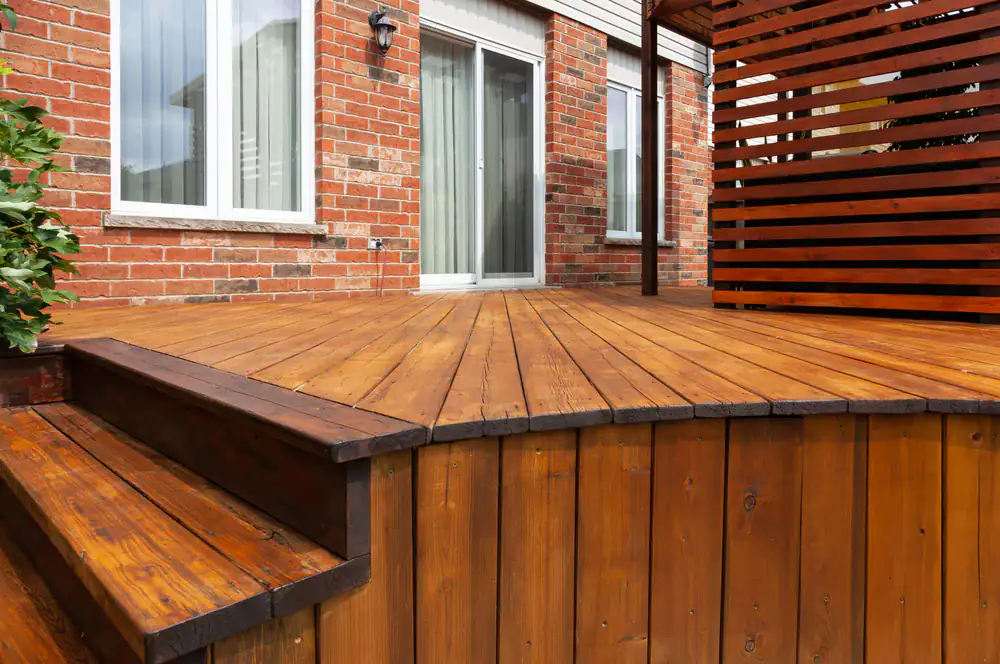
First, we inspect the entire structure. That means checking support posts, joists, beams, ledger boards, flashing, and every connection point. We’re looking for rot, loose hardware, water damage, and anything that compromises safety.
Then we give you a detailed assessment. You’ll know exactly what’s wrong, what needs replacing, and what the cost is before we start. No surprises halfway through the job.
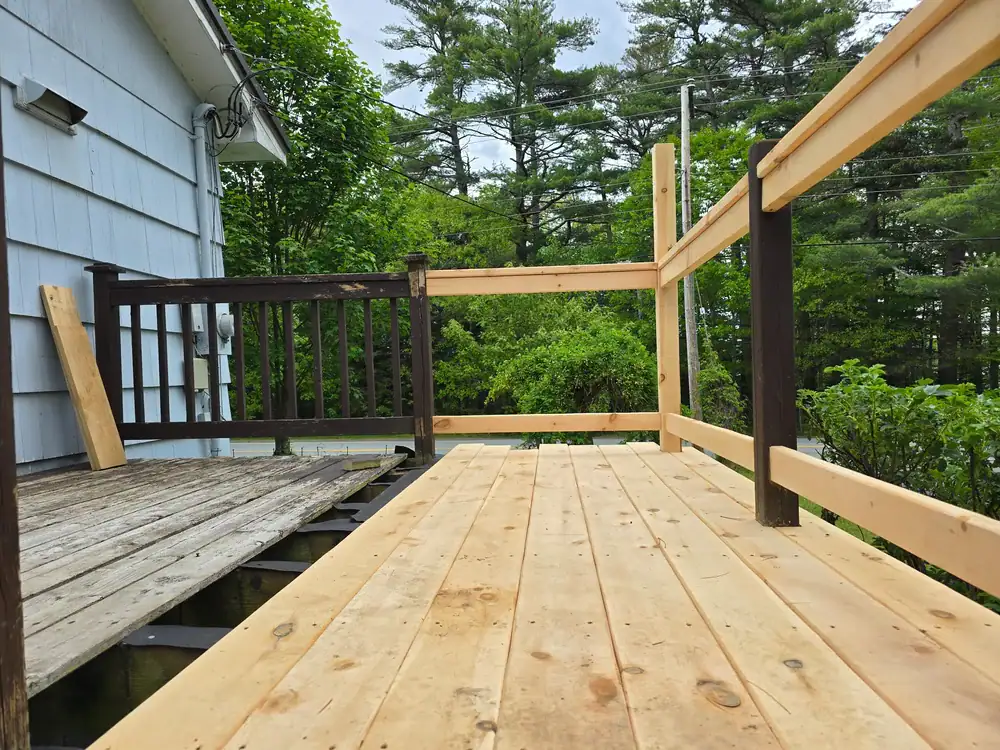
Once you approve, we get to work. We remove damaged wood, replace rotted sections with pressure-treated lumber or composite materials, install corrosion-resistant fasteners, and make sure every connection is solid. Most deck repairs take one to three days depending on scope. Simple board replacements and railing fixes can be done in a day.
When we’re finished, your deck is structurally sound and safe. You’ll know it the first time you step on it.
Ready to get started?
Deck repair isn’t one-size-fits-all. What your deck needs depends on how it was built, how old it is, and what kind of damage Long Island weather has caused.
We replace rotting or splintered deck boards. We rebuild wobbly railings that don’t meet code or aren’t safe anymore. We repair or replace support posts and joists that have weakened from moisture exposure. We fix failing flashing that’s letting water into your home’s structure.
In Springs, the combination of coastal humidity and freeze-thaw cycles does specific damage. Moisture gets into wood, freezes, expands, and cracks the fibers. Salt air corrodes standard fasteners. Decks built ten or fifteen years ago often used materials that don’t hold up here.
We use pressure-treated lumber, composite boards where it makes sense, and stainless steel or coated fasteners that won’t rust out in three years. The goal is a deck that handles Suffolk County weather without warping, cracking, or rotting again anytime soon.

If more than half your deck’s structure is compromised, replacement usually makes more sense. But most decks don’t need that.
Start by checking the support posts and main beams. If they’re solid, you can likely repair the rest. Surface issues like damaged boards, loose railings, or rotted fascia are straightforward fixes. Even if a few joists have rot, we can sister new ones alongside them without tearing everything out.
The key is catching problems before they spread. A couple rotting boards this year can turn into failed joists next year if water keeps getting in. We’ll inspect the whole structure and tell you honestly whether repair or replacement makes sense for your situation and budget.
Springs sits on the coast, so your deck deals with higher humidity and salt air year-round. That alone accelerates rot and corrosion.
Then you add Long Island’s freeze-thaw cycles. Temperatures swing above and below freezing constantly through winter. Moisture in the wood freezes, expands, and cracks the fibers. When it thaws, more water gets in. This happens over and over, loosening fasteners and warping boards.
Most wood decks here also deal with inadequate drainage or failed flashing. Water pools on the surface or gets trapped between boards. If the ledger board isn’t properly flashed where it attaches to your house, water seeps behind it and rots both the deck and your home’s structure. These aren’t rare problems—they’re common in this climate.
It depends entirely on what’s damaged. Replacing a few boards and tightening railings might cost a few hundred dollars. Rebuilding rotted joists, replacing support posts, and fixing structural issues can run several thousand.
Most deck repairs we do in Suffolk County fall somewhere in between. The average is around $1,500 to $3,500 for typical repairs—board replacement, railing work, joist reinforcement, and new fasteners.
Here’s what affects cost: the size of your deck, how much structural damage exists, what materials we’re using, and how accessible everything is. We give you a detailed estimate before starting so you know exactly what you’re paying for. No hidden fees. No surprise costs halfway through. You’ll know the number upfront and can decide if it makes sense.
Most deck repairs take one to three days depending on scope. If we’re replacing boards and fixing railings, that’s usually a one-day job.
Structural repairs take longer. Replacing support posts, sistering joists, or rebuilding sections of framing can take two to three days. We’re not rushing through it—we’re making sure every connection is solid and every piece of wood is properly secured.
Weather can affect timing, especially in spring when rain is unpredictable. We won’t leave your deck torn apart if a storm’s coming. We’ll either finish the section we’re working on or secure everything so it’s safe until we return. You’ll know the timeline before we start, and we’ll keep you updated if anything changes.
Pressure-treated wood is the standard for structural repairs—posts, joists, beams. It’s strong, affordable, and holds up well in Suffolk County’s climate when properly maintained.
For deck boards and railings, you have options. Pressure-treated lumber costs less upfront and can last 15-20 years with regular sealing and maintenance. Composite boards cost more initially but require almost no maintenance and won’t rot, warp, or splinter. They’re especially good in coastal areas like Springs where moisture and salt are constant.
If your existing deck is wood and you’re only replacing a few boards, matching it with pressure-treated makes sense. If you’re replacing most of the surface or want to eliminate future maintenance, composite is worth considering. We’ll walk through both options and help you decide based on your budget and how long you plan to stay in the house.
Yes, and this is actually where a lot of serious problems hide. The ledger board—the piece that attaches your deck to your house—is critical. If it’s not properly flashed or if the fasteners have failed, water gets behind it and rots both the deck structure and your home’s framing.
We inspect the ledger board connection carefully during every deck repair. If the flashing is damaged or missing, we replace it. If fasteners are corroded or loose, we install new lag bolts or through-bolts that meet current building codes. If the ledger board itself is rotted, we remove it and install a new one with proper waterproofing.
This isn’t optional work—it’s a safety issue. A failed ledger board can cause the entire deck to pull away from the house. We make sure that connection is solid before we touch anything else.
Other Services we provide in Springs