

Hear From Our Clients
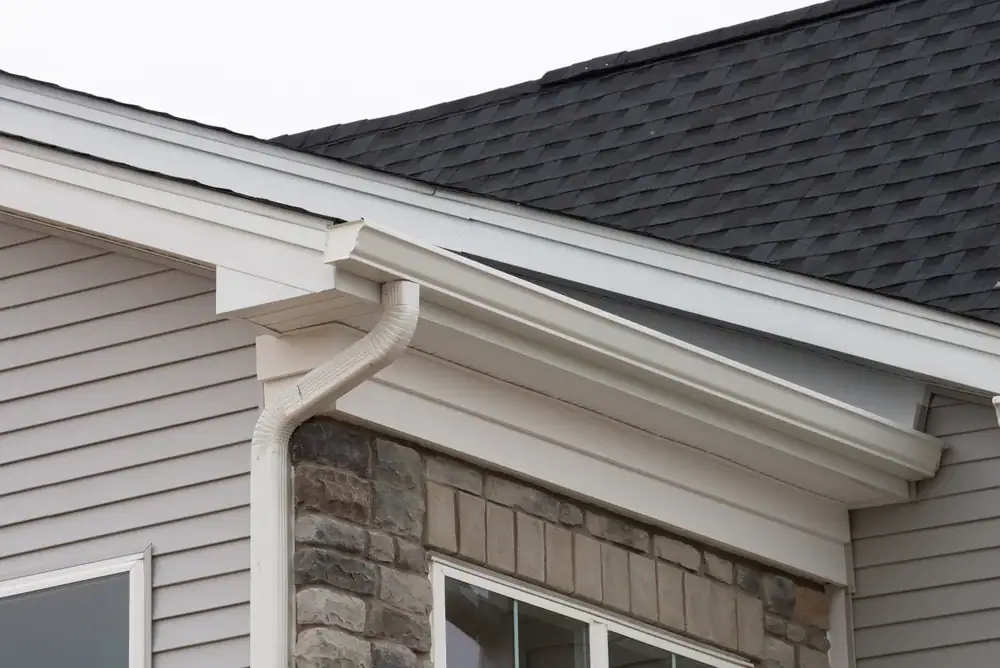
Most homeowners don’t know there’s a problem until water drips into the house. By then, what could’ve been a few hundred dollars in chimney flashing repair turns into thousands for a full rebuild.
Living in Springs means your chimney faces conditions that inland homes never deal with. That salty air from Gardiners Bay penetrates brick and mortar. When moisture gets trapped and temperatures drop overnight, it freezes and expands—cracking everything from the crown to the base.
You’re not looking for the cheapest fix. You want someone who understands why Long Island chimneys fail faster than chimneys anywhere else. Someone who knows that a proper repair today saves you from emergency calls during the next winter storm. That’s what we do—licensed chimney contractors who’ve spent over a decade solving these exact problems across Suffolk County.
We’ve been handling chimney masonry repair and full exterior work across Springs and the rest of Suffolk County for over 10 years. We’re licensed, insured, and we’ve seen what happens when coastal weather meets poor workmanship.
Springs isn’t just another job site for us. We know the homes here—the older Cape Cods near Accabonac Harbor, the ranch-style properties tucked back from the water. We understand what year-round residents face and what seasonal homeowners worry about when they’re not around to catch problems early.
You’ll work directly with people who show up when they say they will, explain what’s actually wrong, and fix it right the first time. No runaround. No inflated quotes. Just straightforward work from contractors who’ve earned their reputation one chimney at a time.
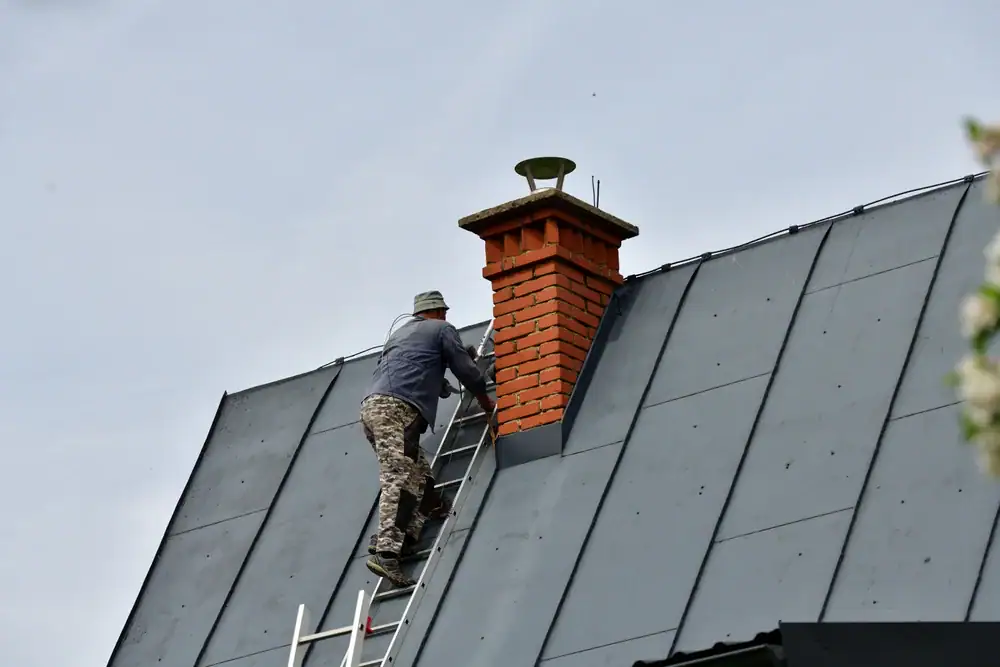
First, we come out and inspect your chimney from top to bottom. We’re looking at the crown, the flashing, the mortar joints, the bricks—everything that could be letting water in or showing signs of coastal damage. We take photos so you can see what we’re seeing.
Then we explain what needs fixing and why. If it’s minor—resealing a crack or replacing a few damaged bricks—we’ll tell you that. If it’s more serious, like compromised flashing or a crown that’s beyond repair, we’ll walk you through your options and give you a clear price before any work starts.
Once you approve, we schedule the repair around your timeline and the weather. We use marine-grade materials designed for coastal climates because standard products don’t hold up out here. When we’re done, we clean up completely and show you the finished work. You get a repair that’s built to handle whatever Springs weather throws at it next.

Ready to get started?
Chimney repair in Springs isn’t the same as chimney repair inland. You’re dealing with salt-air corrosion that breaks down mortar faster than normal. You’re dealing with temperature swings that crack masonry. You’re dealing with storms that test every weak point in your chimney’s structure.
That’s why our chimney leak repair focuses on the root cause, not just the visible symptom. We replace damaged flashing with materials that won’t corrode. We repoint mortar joints with compounds that can handle freeze-thaw cycles. We rebuild crowns so water runs off instead of pooling. And we waterproof everything using products specifically rated for coastal exposure.
The average chimney repair runs around $455 nationally, but that number means nothing if the work doesn’t last. Minor fixes like sealing small cracks might start around $100. Extensive work—replacing large sections or doing a full rebuild with a stainless liner—can run upwards of $15,000. What you pay depends on what’s actually wrong and how long the damage has been happening. The longer you wait, the more expensive it gets. That’s not a sales tactic. That’s just how water damage works.
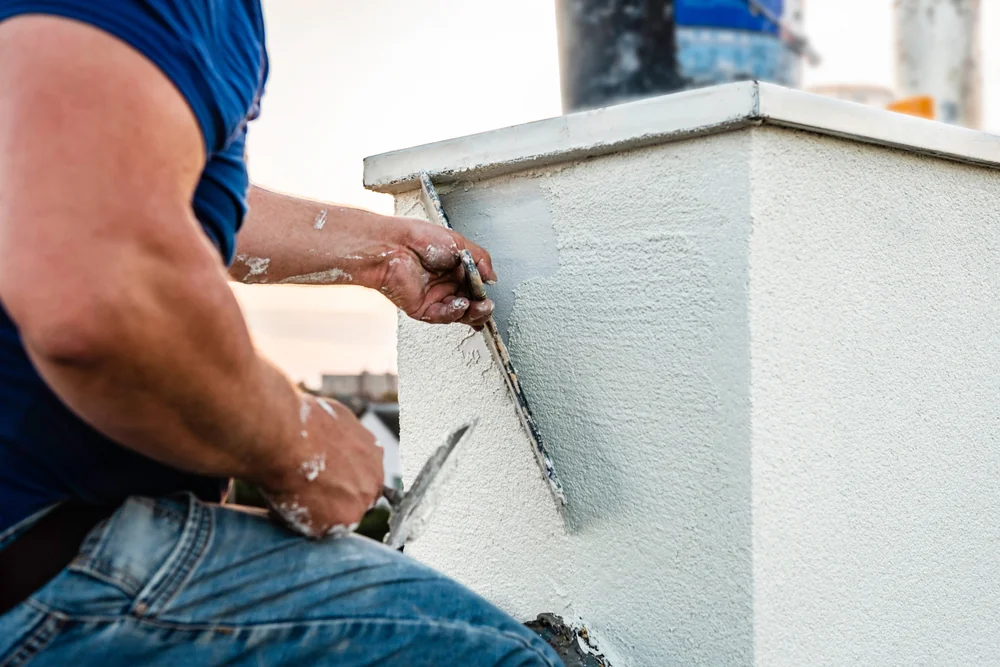
Your chimney is constantly exposed to salt air blowing in from the water. That salt doesn’t just sit on the surface—it penetrates the brick and mortar. When salt absorbs moisture, it expands through a process called chloride-salt crystallization, and that expansion slowly breaks apart your masonry from the inside.
Add in the freeze-thaw cycles we get every winter, and you’ve got a one-two punch that inland chimneys never face. Water seeps into tiny cracks, freezes overnight when temperatures drop, expands, and makes those cracks bigger. Do that a few dozen times each winter, and even solid masonry starts to fail.
Most of the serious damage happens during those brutal Long Island winters. Freezing rain, nor’easters, constant temperature fluctuations—it all takes a toll. If your chimney wasn’t built with coastal conditions in mind, or if it’s been a while since the last inspection, you’re probably dealing with damage you can’t see yet.
If you’re seeing water stains on your ceiling near the chimney, that’s a clear sign something’s already wrong. If you notice pieces of brick or mortar in your yard after a storm, that’s another red flag. Visible cracks in the crown, gaps in the flashing, or mortar that’s crumbling when you touch it—all of those mean you need someone to take a closer look.
But here’s the thing: most homeowners don’t realize there’s a problem until water is literally dripping into their living room. By that point, significant damage has already occurred behind the scenes. An inspection catches issues early, when they’re still fixable without major expense.
Whether you need a repair or a full replacement depends on how much of the structure is compromised. If it’s isolated damage—a section of bad mortar, damaged flashing, a cracked crown—repair makes sense. If the entire chimney is unstable or if water damage has affected the interior liner, replacement might be the smarter move. A real inspection will tell you which situation you’re in.
Flashing is the metal barrier between your chimney and your roof. It’s what keeps water from running down the chimney and straight into your house. When flashing fails—either because it was installed wrong, it’s corroded, or it’s come loose—water finds its way in. That’s when you start seeing leaks, stains, and eventually rot in your roof decking.
Chimney flashing repair means removing the old flashing, inspecting the area for hidden water damage, and installing new flashing that’s properly sealed and secured. Out here in Springs, we use materials that resist salt-air corrosion because standard aluminum flashing doesn’t last.
Other chimney work might involve repointing the mortar joints, rebuilding the crown, replacing damaged bricks, or installing a new liner. Flashing is just one piece of the system, but it’s often the piece that fails first. If your flashing isn’t doing its job, nothing else matters—you’re going to have water problems no matter how solid the rest of the chimney is.
It depends entirely on what’s wrong and how long the problem’s been going on. A small repair—like sealing a minor crack or replacing a few bricks—might cost a couple hundred dollars. Flashing replacement typically runs higher because it involves working on both the chimney and the roof. A full crown rebuild or extensive repointing can get into the thousands.
If you’re looking at a complete chimney rebuild with a stainless steel liner, you could be talking about $10,000 to $15,000 or more. That sounds like a lot, but compare that to the cost of water damage inside your home, mold remediation, or a compromised structure that affects your property value.
Springs homeowners generally pay more than the national average because of higher labor costs and the need for specialized materials that can handle coastal conditions. The real cost isn’t just the repair itself—it’s what happens if you don’t fix it. A few hundred dollars now can save you from a multi-thousand dollar disaster later. That’s not a scare tactic. That’s just how structural damage works when water’s involved.
Spring is ideal because it gives you a safe window to get the work done before next winter. You’re not dealing with freezing temperatures that affect mortar curing, and you’re not racing against the clock before the first nor’easter hits. Plus, if the inspection reveals more damage than expected, you’ve got time to handle it without emergency pricing.
Fall is your second-best option, but you’re cutting it closer to winter weather. If we find extensive damage that requires a longer repair timeline, you might end up pushing into colder months when conditions aren’t ideal for masonry work.
Summer works too, but that’s peak season for most construction projects, so scheduling can be tighter. Winter is possible for emergency repairs, but it’s not ideal for planned work. Cold temperatures slow down the curing process for mortar and sealants, which means the repair might not reach full strength as quickly. If you’ve got an active leak or structural damage, we’ll make it work. But if you have the luxury of planning ahead, spring gives you the best results.
Yes. If a storm damages your chimney and you’ve got water coming in or a safety hazard, we’ll get someone out as soon as conditions allow. We can’t send crews up on a roof during active high winds, but once it’s safe, we’ll tarp or temporarily seal the damage to stop further water intrusion.
Emergency repairs are about stabilization—stopping the immediate problem so it doesn’t get worse while we wait for proper weather to do the permanent fix. That might mean temporary flashing, a tarp secured over exposed areas, or a quick patch on a damaged crown. It’s not the final solution, but it buys you time without letting water destroy your interior.
Once conditions improve, we’ll come back and do the full repair correctly. Springs gets hit hard during winter storms, and we’ve seen what happens when homeowners wait too long or try to ride it out. The damage compounds fast. If you’re in an emergency situation, call us. We’ll figure out the fastest way to protect your home until we can make it right.
Other Services we provide in Springs