

Hear From Our Clients
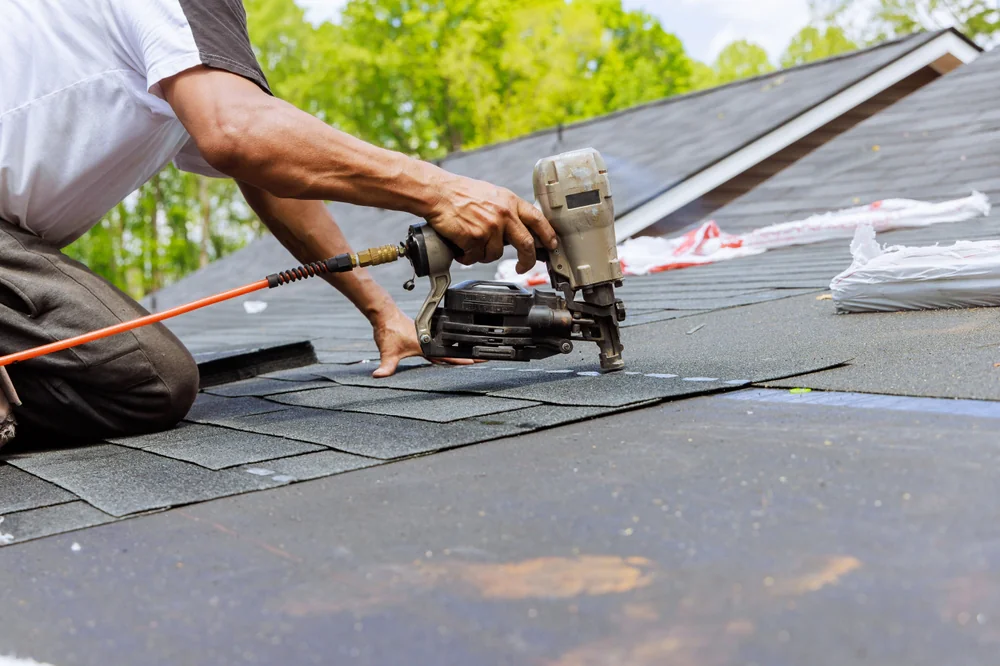
A roof repair done right means you stop watching the ceiling every time it rains. No more towels on the floor, no more wondering if that stain is getting bigger, no more putting it off until after the next storm. The problem is gone and you can move on.
For Springs homeowners, that peace of mind carries extra weight. A lot of properties here sit empty from October through May. If a nor’easter strips shingles off your cottage on Gerard Drive in February and nobody’s there to catch it, you could be looking at months of water intrusion by the time you open the place for summer. A repair done before winter or fast emergency response after a storm is the difference between a $500 fix and a gut job.
The salt air in Springs also works on your roof year-round in ways most homeowners don’t see coming. Surrounded on three sides by tidal and bay water, Springs properties deal with accelerated corrosion on metal flashing and fasteners that inland homes simply don’t face. Catching that early, and using materials built for coastal exposure, means your repair holds not just through the next rain, but through the next five seasons.
We’ve been serving Suffolk County homeowners for over 10 years, and that includes the East End and Springs specifically. We know the difference between a roof in Coram and a roof in Springs the exposure, the housing stock, the permit process, and the conditions that make this part of Long Island its own thing entirely.
One detail that matters here specifically: the Town of East Hampton requires its own Home Improvement Contractor license, separate from the Suffolk County credential. A lot of contractors working the Hamptons market after storm season don’t have it. We do. That means your repair is done legally, your permit gets pulled correctly, and you’re protected if you ever need to file an insurance claim or sell the property.
Every person who shows up to your job is a trained Home Team Construction employee not a subcontractor, not a crew sourced after a storm. Alban Hoxha runs this company personally, and that accountability runs through every job we take on.

It starts with a call or a message. We’ll ask the right questions to understand what you’re dealing with active leak, storm damage, missing shingles, something you noticed on an inspection and get eyes on the roof as quickly as possible. For Springs properties that are vacant or seasonally occupied, we can respond, assess, and provide immediate weatherproofing without you needing to be on-site.
Once we’re up on the roof, we document everything with photos and video before we touch a thing. You’ll see exactly what we found the damaged area, the underlying condition of the deck, the state of the flashing and underlayment. This matters especially if you’re managing your Springs property from the city and can’t be there in person. You’re not taking our word for it you’re seeing it.
From there, we give you a clear, complete price before any work starts. No surprises for plywood, no add-ons for disposal, no fees that appear after the job is underway. We handle the East Hampton Town permit process where it’s required, do the repair, and document the completed work the same way we documented the damage. When we leave, you’ll have a full record of everything that was done useful for insurance, useful for resale, and useful for your own peace of mind.

Ready to get started?
Roof repairs in Springs aren’t one-size-fits-all. The hamlet’s housing stock cedar-shingled cottages, older wood-frame homes, mid-century farmhouses requires a different level of care than the standard asphalt-shingle colonials common in western Suffolk. We repair and replace shingles, address failing or corroded flashing, fix leaks at valleys and penetrations, repair flat roof sections on garages and additions, and handle the kind of multi-layer problems that older homes in this area tend to develop over time.
Because Springs is surrounded by water on three sides, we use coastal-grade materials and fasteners wherever the job calls for it. Standard flashing and fastener specs that work fine in Medford or Holbrook will corrode significantly faster here especially on properties with direct bay exposure on Three Mile Harbor Road or Accabonac Road. We account for that in every repair, not as an upsell, but because it’s the only way the work actually lasts.
For seasonal and rental properties in Springs, we also offer pre-season inspection and repair services a full roof assessment before summer rental season begins, or a post-winter check after a nor’easter season that may have caused damage while the property was unoccupied. If you’re managing a Springs property remotely, we can handle the assessment, send you the documentation, and complete the repair without requiring you to make the trip out.

It depends on the scope of the work. In Springs, you’re under the jurisdiction of the Town of East Hampton Building Department, and their permit requirements are specific to the type and extent of the repair. Minor repairs patching a small area, replacing a few shingles typically don’t require a permit. A full roof replacement or significant structural work generally does.
What most homeowners don’t realize is that the Town of East Hampton also requires contractors to hold their own Home Improvement Contractor license, separate from the Suffolk County HIC credential. A contractor who only has the county license isn’t legally authorized to pull permits in East Hampton Town. Before you hire anyone for roofing work in Springs, it’s worth asking specifically whether they hold the Town of East Hampton license not just the Suffolk County one. We do, and we handle the permit process as part of the job when it’s required.
The most obvious signs are missing or lifted shingles, visible debris on the roof, and water stains appearing on interior ceilings or walls. But a lot of nor’easter damage in Springs is less obvious granule loss that shows up in your gutters, flashing that’s been pulled loose at a valley or chimney, or underlayment that’s been compromised without any shingles visibly missing.
For properties that were unoccupied during the storm, the risk is higher. Damage that goes undetected through a winter season can allow water to work its way into the deck, the insulation, and eventually the interior turning what would have been a straightforward repair into something much more involved. If your Springs property sat empty through a nor’easter, a post-storm inspection is worth doing before you assume everything is fine. We document what we find with photos and video, so you have a clear picture of the actual condition regardless of whether you were on-site when the storm hit.
Salt air. Springs is surrounded by Accabonac Harbor, Three Mile Harbor, and Gardiner’s Bay, and the salt-laden air that comes off those bodies of water accelerates corrosion on metal components at a rate that’s significantly faster than what you’d see on an inland Suffolk County property. Flashing that might last 20 years in a town like Nesconset or Smithtown can show serious corrosion in Springs within 8 to 10 years, sometimes less on properties with direct bay exposure.
The fix isn’t just replacing the flashing with the same standard materials it’s using coastal-grade products and installation methods that account for the environment your roof actually lives in. If you’ve had flashing repaired more than once on the same property and it keeps failing, the material spec is likely the issue, not just the installation. When we repair flashing on Springs properties, we use materials rated for coastal exposure and install them in a way that accounts for the multi-directional wind and moisture this area sees from both the Atlantic and the bay.
A repair addresses a specific area of damage a failed section of flashing, a patch of missing or damaged shingles, a leak at a valley or penetration. A replacement involves removing the existing roofing system down to the deck and starting fresh. The right answer depends on the age of your roof, the extent of the damage, and the condition of the underlying deck and structure.
For older cedar-shingled and wood-frame homes common in Springs, this question comes up a lot. A roof that’s been in service for 20 or 25 years and has taken repeated nor’easter seasons may have cumulative damage that makes a repair a short-term fix at best. When we assess a roof, we’ll tell you honestly whether a repair makes sense or whether you’re better off with a replacement and we’ll show you the documentation to back that recommendation. There’s no incentive for us to push a replacement when a repair will genuinely solve the problem, and no incentive to undersell the damage if a replacement is actually what the roof needs.
Repair costs in Springs and the East Hampton area vary based on the type and extent of the damage, the pitch and accessibility of the roof, and the materials involved. A minor repair patching a small section of shingles or resealing a flashing joint might run a few hundred dollars. More involved repairs involving deck damage, valley replacement, or significant flashing work can run $1,500 to $4,000 or more depending on scope.
It’s worth knowing that roofing costs across the board have increased significantly in recent years material prices are up, and the East End’s limited contractor pool and logistical distance from supply centers affects pricing here more than in western Suffolk. What we can tell you is that our estimates are complete and upfront. There are no additional charges for plywood, underlayment, or debris disposal that appear after the job starts. What we quote is what you pay. For Springs homeowners managing high-value properties median home values here have crossed $1,000,000 the goal is a repair that actually protects that investment, not the lowest number on a piece of paper.
The Hamptons roofing market after a major storm is one of the harder contractor landscapes to navigate on Long Island. Out-of-area operators show up, knock on doors, and move on once the work is done or before it is. The best way to protect yourself is to verify a few specific things before anyone gets on your roof.
First, confirm they hold both a Suffolk County Home Improvement Contractor license and the Town of East Hampton’s separate HIC license. The East Hampton credential is required for legal roofing work in Springs, and a lot of contractors working the area after storms don’t have it. Second, ask whether they use subcontractors if the answer is yes or unclear, the accountability chain gets complicated fast. Third, look for a verifiable local track record: not just a Google listing that appeared last month, but a contractor with documented history serving Suffolk County and the East End specifically. We’ve been operating on Long Island for over 10 years, hold the proper licensing for East Hampton Town, and send only direct employees never subcontractors to every job.
Other Services we provide in Springs