
Hear From Our Clients
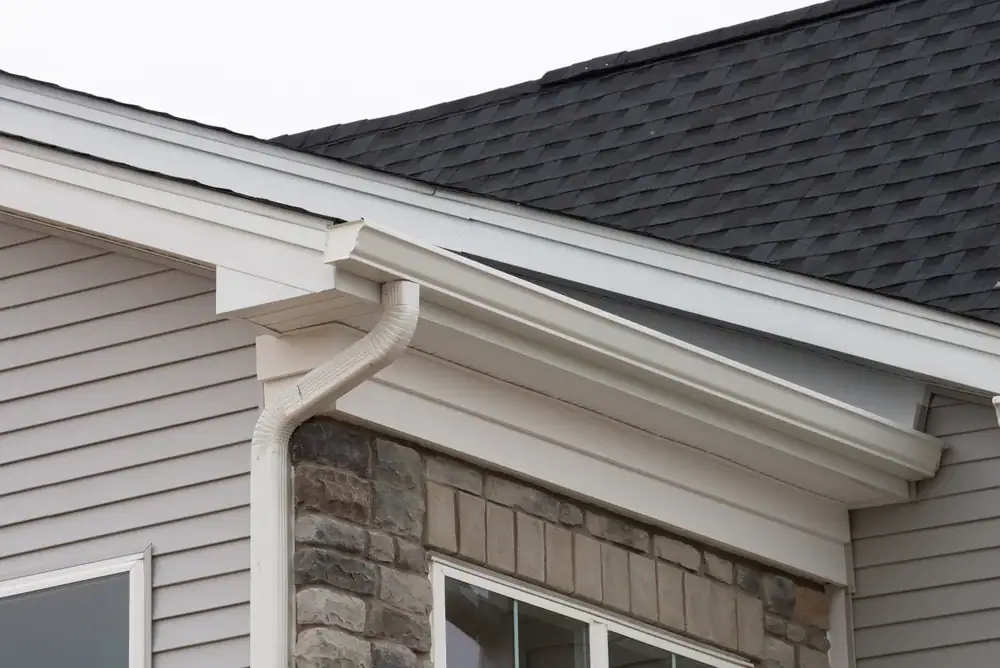
Water doesn’t just damage your chimney. It gets into your walls, ruins insulation, grows mold, and turns a $400 repair into a $4,000 nightmare.
You’re dealing with Long Island weather that doesn’t quit. Salt air eats through mortar. Freeze-thaw cycles crack masonry. Storm surges push water exactly where it shouldn’t go.
When you catch chimney leaks early, you’re looking at straightforward flashing repair or repointing. Wait six months, and you’re replacing entire sections of brick. The difference isn’t small—it’s the gap between a minor fix and structural work that requires scaffolding and weeks of your time.
A solid repair means your fireplace works when you need it. No water stains spreading across your ceiling. No panic calls to contractors during the first cold snap. Just a chimney that does its job without threatening everything around it.
We handle chimney repair across Suffolk County because we understand what Amityville homes deal with. Coastal humidity isn’t theoretical for us—it’s what we see on every job.
We’re not a franchise or a call center routing your request to whoever’s available. We’re local contractors who know that cutting corners means running into you at the grocery store. That keeps us honest in ways a corporate policy never could.
Amityville has plenty of older homes with character and charm. Those homes also have chimneys that weren’t built for today’s weather patterns. We’ve worked on enough of them to know where problems show up first and what actually holds up over time.
You call or message us with what’s going on. We schedule a time that actually works for you—not a four-hour window where you sit around waiting.
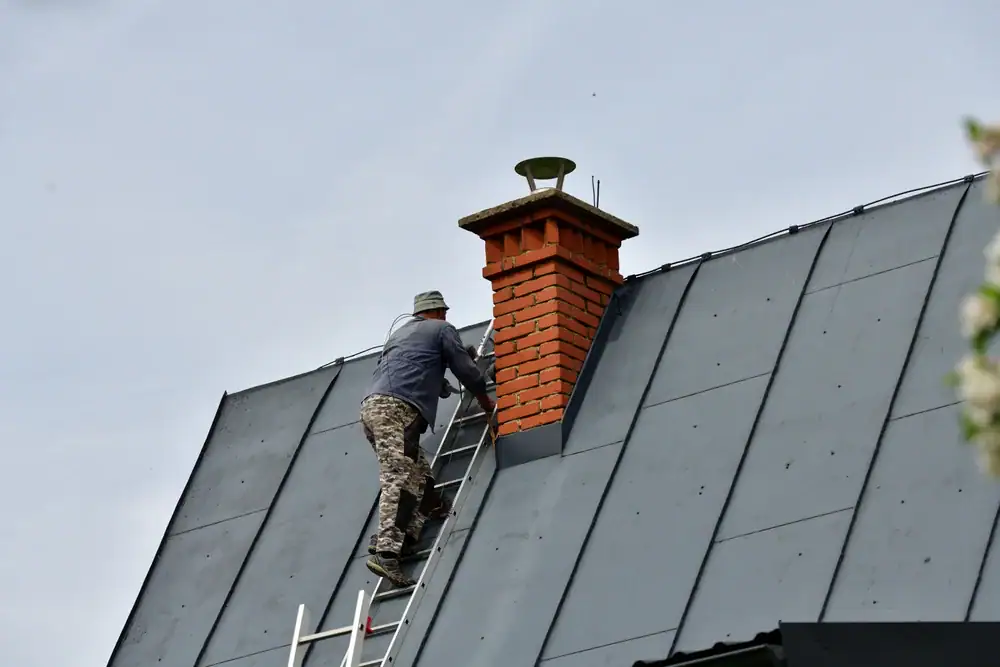
We show up and inspect the entire chimney system. Not just the obvious problem spot, but the flashing, the crown, the mortar joints, and the flue. You get a clear explanation of what’s wrong, what needs fixing now, and what can wait.
Once you approve the work, we handle it without dragging the job out. Most chimney repairs in Amityville wrap up in a day or two, depending on scope. You’re not dealing with weeks of tarps and half-finished work.
When we’re done, the site is clean. You get photos of the work and a straightforward explanation of what we did. No jargon, no upselling, no surprises on the invoice.

Ready to get started?
Chimney flashing repair is one of the most common jobs we handle in Amityville. Flashing fails more often than the chimney itself, and when it does, water pours straight into your home. We remove the old flashing, install new corrosion-resistant material, and seal it properly so it actually keeps water out.
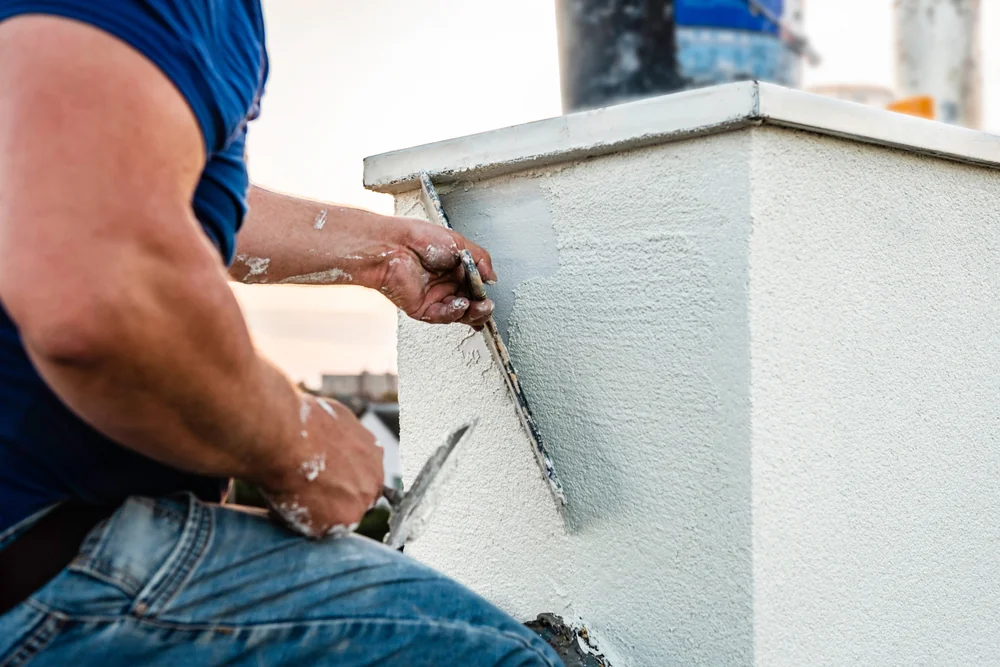
Masonry repair covers cracked bricks, crumbling mortar joints, and damaged chimney crowns. Long Island’s freeze-thaw cycles are brutal on masonry. We repoint mortar, replace damaged bricks, and rebuild crowns using materials that can handle coastal conditions without falling apart in three years.
Chimney leak repair gets to the root cause—not just the symptom. A leak might be flashing, but it could also be a cracked crown, failed mortar, or a damaged flue liner. We find it, fix it, and make sure it doesn’t come back next spring.
If your chimney is leaning, cracking in multiple places, or structurally compromised, we’ll tell you. Some chimneys are beyond repair, and we’re not going to sell you a patch job that fails in six months. You’ll get an honest assessment and real options.
Most chimney repairs in Amityville run between $250 and $1,500, depending on what’s broken. Simple flashing repair or repointing a few mortar joints sits on the lower end. Rebuilding a chimney crown or replacing a significant section of masonry pushes toward the higher end.
You’re not paying national average prices here. Long Island labor costs more, and our building codes are stricter than most places. That’s not a bad thing—it means the work actually lasts. A $250 repair done right beats a $150 patch job that fails before winter ends.
The real cost question isn’t what you pay now. It’s what you avoid paying later. Fixing a small leak today costs a few hundred dollars. Ignoring it until water damages your walls and ceiling costs thousands. We’ve seen homeowners spend $200 on a repair that prevented $5,000 in water damage. That’s the math that matters.
Summer and early fall are the smart times to handle chimney repair in Amityville. The weather cooperates, materials cure properly, and you’re not competing with everyone else who waited until their fireplace wouldn’t work.
By late fall, every chimney company on Long Island is slammed. You’re looking at longer waits, higher prices for rush service, and the risk of discovering a problem right when you need your fireplace most. That’s not a position you want to be in during the first cold snap.
If you’re dealing with an active leak or safety issue, don’t wait for ideal weather. Water damage and carbon monoxide risks don’t care about scheduling convenience. But if you’re being proactive—and you should be—summer maintenance saves you money and stress. You get better availability, better pricing, and the peace of mind that comes from handling problems before they’re emergencies.
Flashing failure causes about 30% of chimney leaks across the country, and Long Island sees even higher rates because of salt air corrosion. Flashing is the metal seal between your roof and chimney. When it rusts, separates, or wasn’t installed correctly in the first place, water flows straight into your home.
Cracked chimney crowns are another major culprit. The crown is the concrete top of your chimney, and it takes a beating from freeze-thaw cycles. Water gets into small cracks, freezes, expands, and turns those small cracks into big problems. Once the crown fails, water damages everything below it.
Deteriorated mortar joints let water seep into the chimney structure itself. Coastal humidity and temperature swings break down mortar faster here than in drier climates. You’ll see white staining on brick, crumbling mortar, and eventually loose bricks. Repointing those joints before they fail completely is straightforward. Waiting until bricks are falling out is not.
Yes, because guessing what’s wrong with a chimney is expensive. You might see water stains and assume it’s flashing, but the real problem could be a cracked crown, failed mortar, or a damaged flue liner. An inspection finds the actual issue so you’re not paying to fix the wrong thing.
The National Fire Protection Association recommends annual chimney inspections, and that’s not just liability talk. Chimneys deteriorate in ways you can’t see from the ground. Creosote builds up inside the flue. Mortar fails behind the brick face. Flashing separates where you can’t spot it without getting on the roof.
A proper inspection in Amityville covers the exterior masonry, flashing, crown, flue liner, and interior firebox. You get a clear picture of what needs attention now and what you should watch. That information prevents both emergency repairs and unnecessary work. You’re making decisions based on facts instead of assumptions, and that saves money every time.
Not if the damage involves the flue liner, mortar joints, or anything that affects structural integrity or ventilation. Using a damaged chimney risks carbon monoxide backing up into your home or fire spreading to areas it shouldn’t reach. That’s not worth it.
If the issue is external—like flashing that’s leaking but not affecting the flue itself—you might be okay to use the fireplace temporarily. But “might” isn’t a word you want attached to fire and carbon monoxide. The safe answer is to get it inspected and repaired before you light anything.
Chimney fires and carbon monoxide leaks don’t announce themselves politely. By the time you realize something’s wrong, you’re dealing with an emergency. The cost of a repair is nothing compared to the cost of a house fire or a trip to the hospital. If you’re asking whether it’s safe to use, the answer is probably no—and definitely get it checked before you risk it.
Quality chimney repair in Amityville should last 15 to 25 years if it’s done right with the right materials. That means using corrosion-resistant flashing, proper mortar mix for coastal conditions, and installation techniques that account for Long Island weather.
Cheap repairs fail fast here. Standard flashing rusts out in a few years when salt air hits it. Wrong mortar mix crumbles during the first few freeze-thaw cycles. Shortcuts might save money upfront, but you’re paying again in three years—and probably paying more because the damage spread.
The longevity question really comes down to materials and workmanship. We use materials rated for coastal environments because we’ve seen what happens when contractors don’t. A proper repair isn’t the cheapest option, but it’s the one that’s still working two decades from now. You’re not calling us back every few years to redo the same work. That’s the difference between a repair and a real fix.
Other Services we provide in Amityville