
Hear From Our Clients
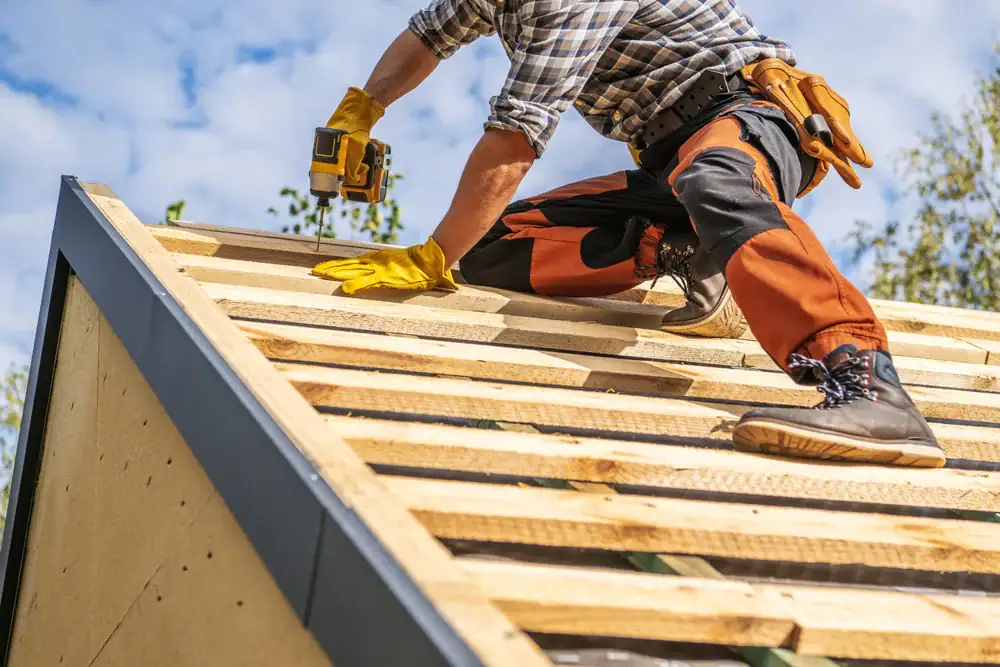
You shouldn’t have to put buckets in your living room when a storm rolls through. A proper roof installation means your home stays dry when Long Island gets hit with heavy rain, nor’easters, and the kind of wind that rips shingles off poorly installed roofs.
Your roof becomes the barrier it’s supposed to be. No more wondering if that dark spot on the ceiling is getting worse. No more calling around trying to find someone who’ll actually call you back when you need emergency repairs.
When your roof is installed right the first time, you’re not dealing with constant patch jobs. You’re not climbing up there every fall to clear debris that’s causing problems because the flashing wasn’t sealed properly. You get a roof that does its job so you can stop thinking about it.
Home Team Construction works in Stony Brook and throughout Suffolk County. We’re the roofer contractors who understand what happens to roofs here—salt air eats through cheap materials, thermal expansion cracks poorly installed shingles, and ice dams form when attic ventilation isn’t done right.
We’ve seen what happens when homes built in the ’40s through ’60s need roof replacement and the contractor doesn’t account for the existing structure. We know the permitting process. We know which materials hold up and which ones you’ll be replacing again in ten years.
You’re not getting a crew that’s here today and gone tomorrow. You’re working with licensed, insured professionals who live in the area and have to stand behind the work we do.
First, we come out and actually look at your roof. Not a quick glance from the driveway—we’re checking the decking, the flashing, the ventilation, and whether your gutters are contributing to problems. You get a written estimate that breaks down materials and labor before we start anything.
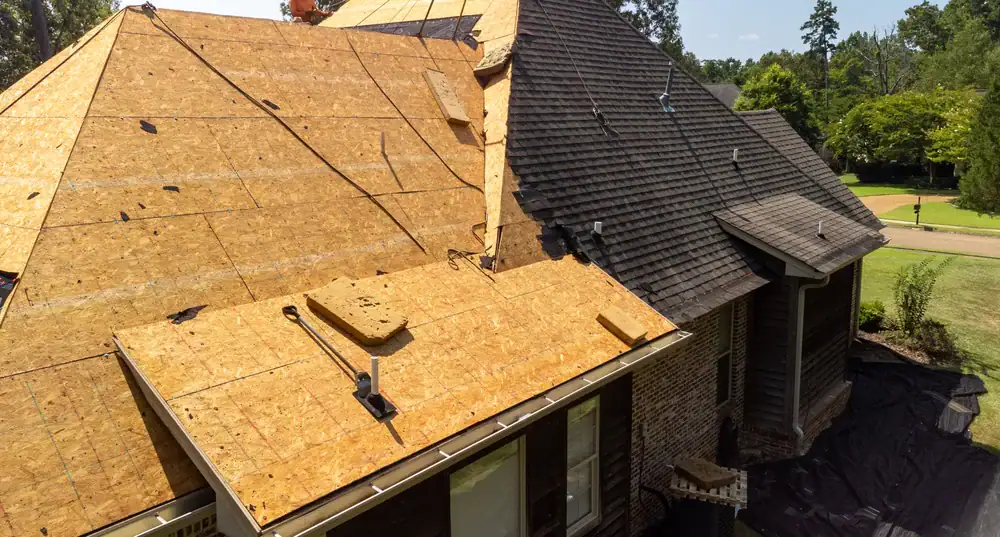
Once you approve the estimate, we pull the necessary permits and schedule the work. On installation day, we protect your property, tear off the old roofing down to the decking, replace any damaged wood, and install new underlayment, drip edge, and shingles. We’re not leaving gaps in the flashing or cutting corners on ventilation because those shortcuts cause the leaks you’ll be calling about in two years.
After installation, we walk the property with you. You see what we did, ask questions, and get documentation for your warranty. Then we handle the permit inspections and make sure everything’s filed properly. The job isn’t done until your roof passes inspection and you’re satisfied with the work.
Ready to get started?
A complete roof installation includes tearing off your old roof, inspecting and replacing damaged decking, installing new underlayment rated for Long Island weather, and proper flashing around chimneys, skylights, and roof valleys. We’re sealing every potential entry point for water.
In Stony Brook, where 62% of homes were built between the 1940s and 1960s, we often find decking that needs reinforcement or replacement. That gets handled during installation—not discovered later when it causes your new shingles to sag. We also make sure your attic ventilation is adequate, because trapped heat and moisture destroy roofs from the inside.
You’re also getting materials that make sense for coastal climate. That means shingles rated for high winds, salt-resistant flashing, and ice-and-water shield in vulnerable areas. We’re not using the cheapest option at the supply house. You’re getting what actually lasts here, backed by manufacturer warranties and our labor warranty.
The installation includes cleanup and disposal. We’re not leaving a dumpster in your driveway for three weeks or nails in your yard for your kids to step on.
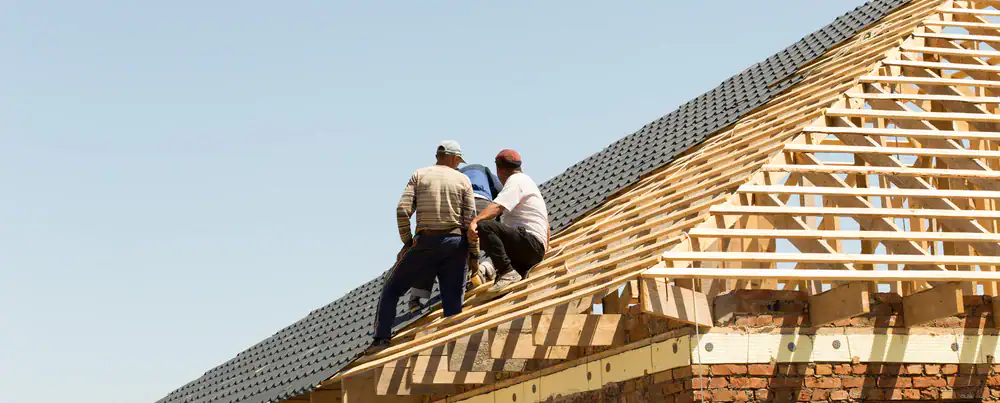
Most residential roof installations take two to four days depending on the size of your home and the complexity of the roof. A straightforward ranch with minimal valleys and penetrations goes faster than a two-story colonial with multiple chimneys and skylights.
Weather affects the timeline. We’re not installing your roof in the rain or when high winds make it unsafe to work. If we have to pause for weather, we make sure your home is protected with tarps until we can resume.
The timeline also depends on what we find when we tear off the old roof. If there’s extensive decking damage or structural issues that weren’t visible during the estimate, that adds time. We’ll let you know immediately if we find problems and what it’ll take to fix them before we continue.
Architectural shingles rated for high wind resistance are the most common choice in Stony Brook. They’re cost-effective, durable, and available in colors that work with the traditional home styles in the area. Look for shingles with at least a Class 4 impact rating and wind resistance up to 130 mph.
Metal roofing is becoming more popular because it handles salt air better than asphalt shingles and can reduce energy costs by 10-25%. It costs more upfront but lasts 40-70 years compared to 20-30 for shingles. If you’re planning to stay in your home long-term, metal makes financial sense.
Slate is another option for historic homes, but it’s expensive and requires structural support most homes don’t have. Whatever material you choose, the installation quality matters more than the product itself. The best shingles in the world won’t perform if the underlayment, flashing, and ventilation aren’t done right.
If your roof was damaged by a storm, wind, or hail, you should file a claim. Insurance companies look for specific types of damage—missing shingles, dented flashing, cracked vents—that indicate storm damage rather than normal wear and tear.
Get your roof inspected by a licensed roofer contractor before you file. We document the damage with photos and measurements that support your claim. Insurance adjusters sometimes lowball the damage or claim it’s pre-existing, so having professional documentation helps.
Keep in mind that filing a claim can affect your premiums, and you’ll pay your deductible out of pocket. If the damage is minor and the repair cost is close to your deductible, paying out of pocket might make more sense. We can give you a repair estimate so you can make an informed decision before involving insurance.
If your roof is under 15 years old and the damage is localized—a few missing shingles after a storm, a small leak around a chimney—repair usually makes sense. If your roof is over 20 years old, has multiple leak points, or shows widespread shingle deterioration, replacement is more cost-effective than ongoing repairs.
Look for curling or cupping shingles, granules collecting in your gutters, dark streaks indicating algae growth, and sagging areas that suggest decking damage. If you’re seeing daylight through your attic boards or finding water stains on your ceiling, those are signs the roof is failing.
Age matters too. Asphalt shingles last 20-30 years in Long Island’s climate. If your roof is approaching that age and you’re starting to have problems, replacement prevents the bigger issues that come when a roof fails completely. We’ll give you an honest assessment of whether repair or replacement makes sense for your situation and budget.
You don’t need to be home for the entire installation, but you should be available at the start and end of each day. We’ll need access to your property, and you’ll want to see the progress and ask questions as the work happens.
Roof installation is loud. If you work from home or have young kids who nap, plan accordingly. We start early to maximize daylight hours and avoid working during the hottest part of the day in summer.
At the end of the project, you should be home for the final walkthrough. That’s when we show you the completed work, go over the warranty information, and answer any questions. You’ll also need to sign off that the job is complete to your satisfaction before we process final payment.
You get two warranties with a new roof—a manufacturer’s warranty on the materials and a labor warranty from the contractor. Manufacturer warranties typically cover shingles for 25-50 years depending on the product, but they’re prorated, meaning coverage decreases over time.
Our labor warranty covers the installation workmanship for 10 years. If something leaks because of improper installation—bad flashing, missed nails, inadequate sealing—we fix it at no cost. This doesn’t cover damage from storms, falling trees, or normal wear and tear beyond the coverage period.
Keep your warranty documentation and proof of installation. Some manufacturer warranties require professional installation by a certified contractor to remain valid. If you sell your home, many warranties are transferable to the new owner, which adds value to your property. Just make sure you understand what’s covered, what’s prorated, and what actions (like improper repairs by another contractor) can void the warranty.
Other Services we provide in Stony Brook