

Hear From Our Clients

You know the drill. Dark clouds roll in, rain starts hammering down, and you’re watching your gutters instead of relaxing inside. You’re looking for overflow, listening for that telltale drip in the basement, wondering if this is the storm that finally causes real damage.
Professional gutter repair stops that cycle. When gutters are working right, water goes where it’s supposed to—away from your foundation, away from your basement, away from the wood trim that’s already seen enough moisture. You’re not out there with a ladder every few months trying to patch things yourself.
Long Island gets 46 inches of rain every year, plus nor’easters that dump snow and ice on already-stressed systems. Your gutters handle all of it, or they don’t. When they don’t, water finds every weak point in your home’s envelope. Foundation cracks. Basement seepage. Fascia rot. The kind of damage that costs $10,000 or more to fix properly.
Fixing gutters before they fail completely costs a fraction of foundation repair. Most residential gutter repair runs around $475 in Suffolk County. That’s leak sealing, joint repair, hanger replacement, downspout correction—the work that keeps water moving instead of pooling where it shouldn’t.
We’ve spent over 20 years working on Long Island homes at Home Team Construction. We’re not a national franchise that showed up last year. We live here, work here, and understand what coastal weather does to gutter systems over time.
Salt air corrodes metal faster than most homeowners realize. Freeze-thaw cycles loosen joints and hangers every winter. Oak trees drop pollen that turns into sludge when wet. These aren’t problems you read about in a manual—they’re conditions we deal with on every job in Stony Brook University and throughout Suffolk County.
When you call us for rain gutter repair, you’re getting licensed contractors who’ve seen what happens when gutters fail during storm season. We’ve secured homes after nor’easters, replaced sections torn off by wind, and fixed chronic overflow issues that three other companies couldn’t solve. That experience matters when your home is on the line.
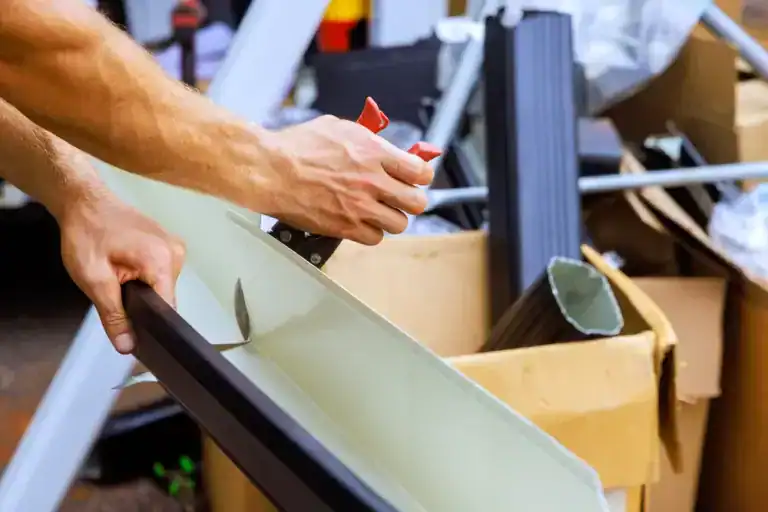
First, we look at your entire gutter system—not just the spot that’s leaking. Most gutter problems have upstream causes. A clog three sections over. A hanger that failed and changed the pitch. A downspout that’s routing water back toward the foundation instead of away from it.
We identify why the problem developed, then fix it properly. That might mean resealing joints with marine-grade sealant that handles coastal conditions. Replacing corroded hangers with hardware designed for salt air exposure. Adjusting pitch so water flows instead of pooling. Clearing downspouts and making sure water exits at least six feet from your foundation.
If sections are too damaged to repair, we’ll tell you straight. Sometimes a 10-foot section needs replacement because corrosion has eaten through the metal. Sometimes the fascia behind the gutter rotted out and needs addressing first. We explain what you’re looking at, what it costs, and why it matters.
Most repairs get done the same day we start. Emergency storm damage gets same-day response because tarps and temporary fixes only go so far. When gutters are working right, you’ll see water flowing through downspouts during rain instead of overflowing at the seams or dripping behind the gutter line.
Ready to get started?
Gutter repair means different things depending on what failed. Leak sealing addresses joints and seams where sections connect. We clean out old, failed sealant and apply marine-grade products that flex with temperature changes instead of cracking after one winter.
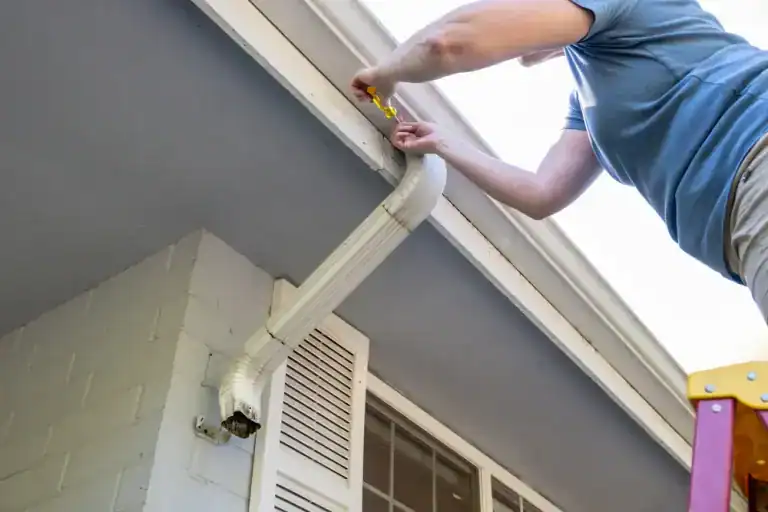
Hanger replacement fixes sagging sections. When gutters pull away from fascia, water pools instead of flowing. We install corrosion-resistant hangers spaced correctly for Long Island snow loads—closer spacing than you’d use in milder climates because wet snow is heavy and your gutters need to handle it.
Downspout work includes clearing blockages, reattaching loose sections, and making sure water exits far enough from your foundation. In Stony Brook University, clay soil doesn’t absorb water quickly. If downspouts dump water right next to your foundation, you’re creating the exact problem gutters are supposed to prevent.
Pitch correction matters more than most people realize. Gutters need to slope toward downspouts—not much, but enough that water moves instead of sitting. Standing water accelerates corrosion, grows algae, and attracts mosquitoes. We check pitch on every job and adjust it when needed.
Storm damage repair happens year-round but spikes after nor’easters. Wind tears off sections, ice dams bend gutters out of shape, and falling branches punch holes straight through. We respond fast because temporary fixes don’t hold up to the next storm, and Long Island’s next storm is never far away.
Most gutter repair jobs in Suffolk County run around $475, but that number moves based on what actually needs fixing. Sealing a few leaking joints costs less than replacing 20 feet of corroded gutter and reattaching fascia that rotted out behind it.
Simple repairs like resealing seams, replacing a handful of loose hangers, or clearing and reattaching downspouts usually fall on the lower end. More involved work—replacing damaged sections, correcting pitch across your whole roofline, or addressing fascia damage before rehanging gutters—costs more because it takes more time and materials.
We give you a clear number before starting work. No surprises, no “well, now that we’re up here” upsells. You know what it costs and why, then you decide if it makes sense. Most homeowners find that fixing gutters properly costs a fraction of the foundation or basement repairs they’re trying to avoid.
Professional gutter repairs typically last 10 to 15 years when done right with materials designed for coastal exposure. That’s assuming normal wear from Long Island weather—salt air, freeze-thaw cycles, seasonal debris, and the occasional nor’easter.
The longevity depends heavily on what materials go into the repair. Marine-grade sealants handle temperature swings and salt exposure better than standard products. Corrosion-resistant hangers and hardware last longer than basic steel components that rust out in a few years. We use materials rated for coastal conditions because that’s where we work.
Simple leak sealing and joint repairs often last the remaining lifetime of your gutter system if the underlying structure is sound. If the gutters themselves are near the end of their lifespan—say, 20-year-old aluminum that’s thinning from corrosion—repairs buy you time but won’t last as long as repairs on newer, healthier gutters. We’ll tell you honestly where your system stands so you can plan accordingly.
Salt air is the biggest culprit. Coastal properties deal with airborne salt that accelerates corrosion on every metal component—gutters, hangers, fasteners, downspouts. What might last 25 years inland lasts 15 to 20 years here, sometimes less if the gutters face prevailing winds off the Sound.
Freeze-thaw cycles cause expansion and contraction that gradually loosen joints and pull hangers away from fascia. Water freezes in gutters overnight, expands, then melts during the day. Repeat that a hundred times each winter and connections that were tight in October are loose by March.
Debris loads in Suffolk County are heavier than most places because of our tree mix. Oaks drop pollen in spring that creates thick sludge when wet. Fall brings leaves that mat together and trap water instead of washing through. When gutters stay wet longer, corrosion happens faster. Add in the occasional nor’easter or summer thunderstorm that dumps two inches in an hour, and you’ve got a system under constant stress.
We repair gutters year-round, including winter, though some repairs work better in warmer weather. Sealants need temperatures above freezing to cure properly, so if we’re sealing leaks in January, we might need to wait for a day that hits 40 degrees or use cold-weather products that cure in lower temperatures.
Mechanical repairs—replacing hangers, reattaching loose sections, clearing downspouts, adjusting pitch—happen regardless of temperature. If a section tore off during a winter storm and water’s pouring onto your foundation every time it rains, we’re not telling you to wait until April. We secure it, stop the water intrusion, and make permanent repairs as soon as conditions allow.
Ice dams complicate things. If your gutters are buried under ice, we need to address the ice dam first before we can assess gutter damage. Sometimes the gutters are fine once the ice melts. Sometimes the weight bent them out of shape and they need straightening or replacement. We deal with both scenarios regularly during Long Island winters.
We handle both gutter repair and full replacement. Sometimes repair makes sense—the system is fundamentally sound, just needs new sealant or a few replaced sections. Sometimes replacement is the smarter move because you’re looking at a 20-year-old system that’s corroded in multiple spots and will need constant repairs going forward.
We’re straight with you about which situation you’re in. If repairing now means you’ll be calling us back in six months for another leak, and again six months after that, replacement saves you money and headaches in the long run. If your gutters have good years left and just need targeted fixes, we’ll repair them and you’ll get a decade or more of solid performance.
The advantage of working with one contractor for roofing, gutters, siding, and chimney work is that we see how everything connects. Sometimes gutter problems stem from roof issues. Sometimes fascia damage needs addressing before gutters can be properly secured. We handle all of it, which means fewer phone calls, less coordination, and one team that knows your home’s full situation.
We typically respond to emergency gutter repair requests the same day you call, often within a few hours after major storms. When a nor’easter rips through Stony Brook University and tears off gutter sections or downspouts, you need someone who can secure things fast before the next rain event causes interior damage.
Same-day emergency service means we get your home protected immediately. That might be temporary securing followed by permanent repairs once we can get materials, or it might be complete repairs done in one visit if we have what’s needed on the truck. Either way, you’re not sitting there with water pouring off your roof onto your foundation while you wait for an appointment next week.
Storm season keeps us busy, but we prioritize emergency calls—active leaks, missing sections, anything causing immediate water intrusion. Regular maintenance and non-urgent repairs might have a short wait during peak times, but if your gutter failure is actively damaging your home, we move fast. That’s been our approach for over 20 years in Suffolk County, and it’s why families keep calling us when Long Island weather does what Long Island weather does.
Other Services we provide in Stony Brook University