
Hear From Our Clients
You’re not calling because you love chimney maintenance. You’re calling because something’s wrong, or you’re smart enough to catch it before it gets expensive.
Here’s what changes after we finish. No more water stains on your ceiling after a nor’easter. No more wondering if that crack is “just cosmetic” or actually dangerous. Your fireplace works when you need it, and your insurance stays valid because you’ve got the inspection records to prove regular maintenance.
The real benefit isn’t the repair itself. It’s what you avoid: emergency calls during the first cold snap when every chimney contractor on Long Island is booked solid. Quotes that double because now it’s structural. That sick feeling when you realize a $400 fix became a $4,000 problem because you waited.
Most Stony Brook University homes were built in the 1960s. Your chimney’s been taking hits from coastal moisture, freeze-thaw cycles, and salt air for decades. Small cracks don’t stay small here. They grow every winter until water’s running down your walls or your flue liner fails inspection.
Home Team Construction handles chimney repair across Long Island, and we’ve seen what coastal weather does to masonry. We’re not a national franchise following a script. We’re local contractors who know that Stony Brook University chimneys face different problems than inland homes.
Your neighbors’ homes average $623,000 in value. Most are single-family detached houses with original chimneys that need attention. We’ve worked in this area long enough to know which issues are urgent and which ones can wait. That matters when someone’s trying to sell you a full rebuild for what really needs repointing and a new crown.
You’ll talk to people who actually do the work. No sales team, no runaround. Just straight assessment of what your chimney needs and what it’ll cost.
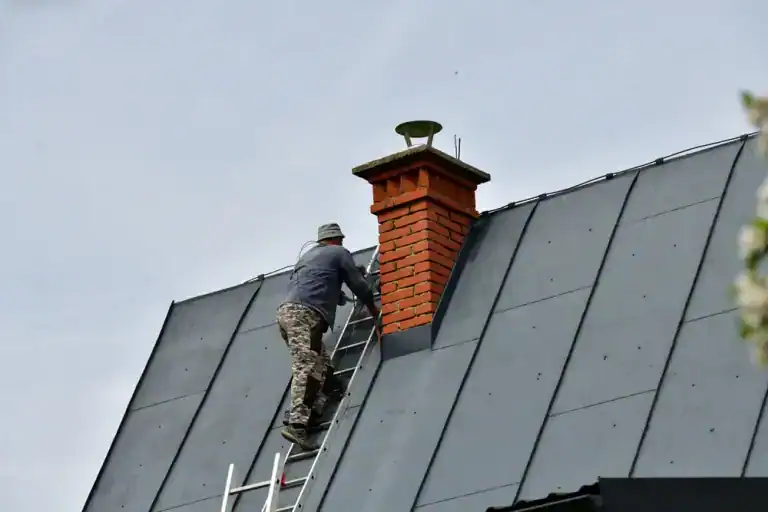
First, we inspect the entire chimney system. Not just the part you can see from the ground. We’re checking the crown, the flashing where it meets your roof, the masonry joints, and the flue liner. If there’s a camera inspection needed, we’ll do it. You get photos and a written report of what we find.
Then we tell you what needs fixing now versus what you can monitor. If your flashing is failing, that’s immediate. Water damage gets worse fast. If you’ve got minor mortar erosion but everything’s still sealed, maybe that’s a next-year project. We’re not here to manufacture urgency.
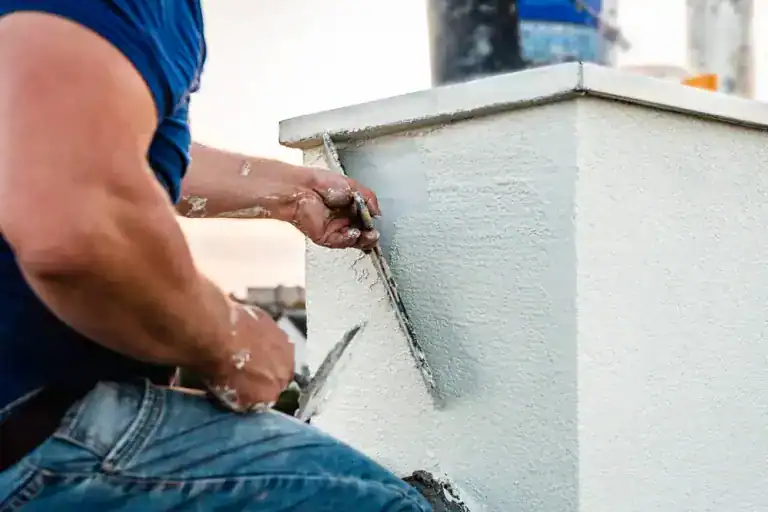
The actual repair depends on what’s wrong. Chimney flashing repair means removing the old flashing, sealing the roof-chimney connection properly, and making sure water can’t get in. Chimney masonry repair involves repointing deteriorated mortar joints, rebuilding damaged sections, and waterproofing the exterior. If your chimney crown is cracked, we’ll rebuild it with proper slope and overhang so water runs off instead of soaking in.
Most jobs take one to three days. You’ll know the timeline before we start. We clean up completely when we’re done, and you get documentation for your insurance and home records.
Ready to get started?
Chimney leak repair is our most common call in Stony Brook University. Long Island’s coastal humidity and freeze-thaw cycles crack masonry faster than inland areas. Water gets in through failed flashing, deteriorated mortar joints, or damaged crowns. We find the entry point and seal it properly.
Masonry repair means repointing the joints where mortar has eroded, replacing damaged bricks, and rebuilding sections that have deteriorated beyond simple repointing. Coastal salt air accelerates this process. If you’re near the water or get direct weather exposure, your chimney’s taking more punishment than you realize.
Flashing is where most leaks start. That metal seal between your chimney and roof fails from thermal expansion, storm damage, or poor installation. We remove old flashing, install new step flashing and counter flashing, and seal everything with high-grade materials that handle Long Island weather.
Crown repair matters because that concrete cap on top of your chimney is your first defense against water. Cracks let moisture into the masonry, where it freezes, expands, and creates bigger problems. We rebuild crowns with proper overhang and slope, then seal them to last.
You’re also getting honest assessment of what your chimney doesn’t need. If your liner’s fine, we’re not selling you a new one. If your structure’s sound and you just need maintenance, that’s what we’ll recommend.
Minor repairs like repointing or flashing work typically run $500 to $1,500. More extensive masonry repair or crown rebuilds range from $1,500 to $4,000. Full chimney rebuilds can exceed $10,000 depending on height and access.
Long Island costs run higher than national averages because of regional labor rates and stricter building codes. But those numbers matter less than this: emergency repairs during heating season cost two to three times more than scheduled maintenance. The homeowner who waits until October when everyone’s calling pays premium rates.
Get the inspection in spring or summer. Address problems before weather makes them worse. That’s how you control costs instead of letting them control you.
Coastal moisture and salt air. Your chimney faces conditions that inland homes don’t deal with. Salt-laden air penetrates masonry surfaces year-round. Humidity levels stay higher. Storm surges and nor’easters hit harder.
Freeze-thaw cycles are brutal here. Water gets into small cracks, freezes overnight, expands, and makes those cracks bigger. By spring, minor damage has become structural problems. This happens faster on Long Island because of how often temperatures cross the freezing point during winter.
Most Stony Brook University homes were built in the 1960s. Your chimney’s been absorbing this punishment for decades. Regular inspection catches deterioration before it becomes expensive. That’s not upselling, that’s just reality of coastal construction.
Water stains on your ceiling or walls near the chimney mean it’s already serious. By the time you see interior damage, water’s been getting in for a while. That’s not a “wait and see” situation.
Other signs: white staining on exterior bricks (efflorescence), pieces of mortar in your fireplace, visible cracks in the crown, or rust on your damper. If you smell moisture or see mold near your fireplace, water’s getting in somewhere.
The tricky part is that most chimney damage isn’t visible from the ground. You can’t see the crown from your yard. You can’t inspect flashing without getting on the roof. That’s why annual inspections matter, especially for homes over 30 years old. Small leaks become big problems fast when coastal weather’s involved.
If you use your fireplace, yes. If you don’t use it, you still need inspection every two to three years. Here’s why: many homeowners insurance policies require regular inspections to cover fire-related damage. Skip the inspection, and you might not be covered when something goes wrong.
Beyond insurance, annual inspection catches problems early. A $300 inspection that finds a $600 repair beats a $4,000 emergency rebuild. Coastal chimneys deteriorate faster than inland ones. What looks fine from the ground might have crown damage, flashing failure, or flue liner problems you can’t see.
Spring scheduling makes sense. Weather’s better for roof work, contractors aren’t slammed with emergency calls, and you have time to budget for repairs before heating season. Most homeowners wait until fall, then they’re competing with everyone else for contractor availability.
Repointing means removing deteriorated mortar from the joints between bricks and replacing it with new mortar. The bricks stay in place. This works when the masonry structure is sound but the mortar has eroded from weather exposure. Cost typically runs $1,000 to $2,500 depending on chimney height and how much area needs work.
Rebuilding means tearing down damaged sections and reconstructing them. You need this when bricks are cracked, the structure is leaning, or water damage has compromised the integrity. Partial rebuilds might address just the top few feet. Full rebuilds take the chimney down to the roofline or further. Costs range from $3,000 to $15,000 depending on scope.
The decision comes down to structural integrity. If your chimney’s bones are good and it’s just mortar erosion, repointing works. If the structure itself is compromised, rebuilding is the only safe option. A proper inspection tells you which one you’re dealing with.
Depends on what’s wrong. If you’ve got minor mortar erosion or small crown cracks, you can probably use it carefully while you schedule repairs. If you’ve got flue liner damage, major structural cracks, or heavy creosote buildup, don’t use it. The risk isn’t worth it.
Damaged flue liners can let carbon monoxide into your home. Structural cracks can allow sparks to reach combustible materials in your walls. Creosote buildup causes chimney fires. These aren’t theoretical risks. They’re why chimney-related house fires happen.
When in doubt, don’t use it until it’s inspected. If you’re seeing smoke backing up into your room, smelling unusual odors, or noticing any performance changes, stop using it immediately. Get it checked by qualified chimney contractors who can assess whether it’s safe to operate. Your family’s safety matters more than one season of fireplace use.
Other Services we provide in Stony Brook University