
Hear From Our Clients
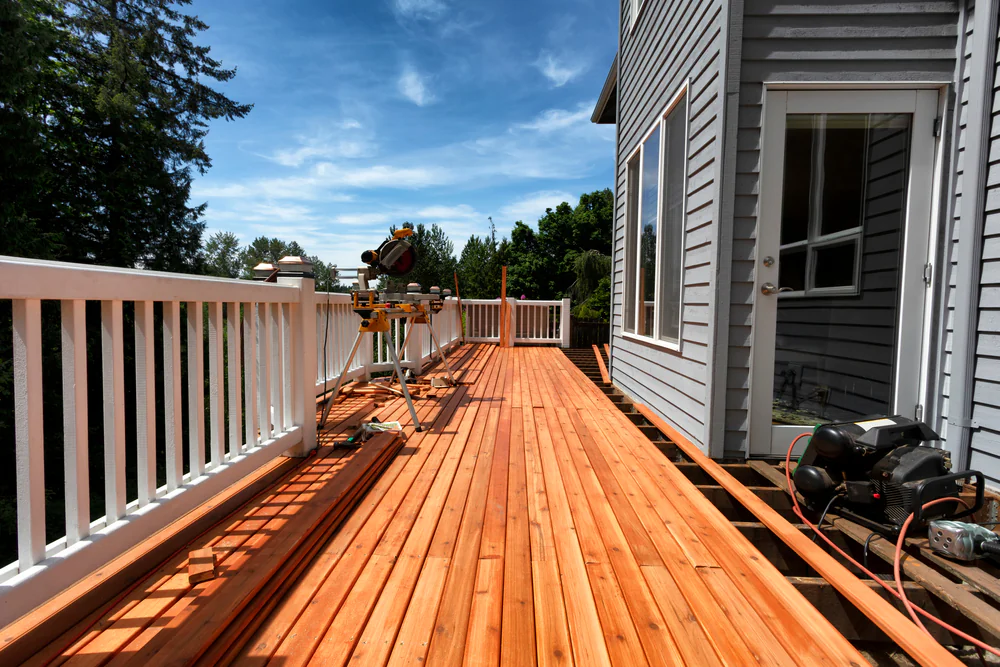
You stop worrying every time someone steps near that soft spot. The railing becomes solid again. Your deck passes the “bounce test” without that sickening flex that makes guests nervous.
Most deck repairs in West Islip fail because contractors treat coastal damage like inland damage. Salt air doesn’t just stain wood—it corrodes fasteners from the inside out. Standard screws rust through in 3-5 years here, creating loose connections that compromise everything above them.
We use marine-grade fasteners and pressure-treated materials designed for Suffolk County’s humidity, freeze-thaw cycles, and salt exposure. Your repair lasts because we’re fixing the root cause, not covering symptoms. You get 10-15 more years from a deck you thought needed replacing, and you can actually use it this summer without testing every board first.
Home Team Construction has been repairing decks in West Islip and throughout Suffolk County for years. We’re licensed, insured, and we don’t use subcontractors—every person working on your deck answers directly to us.
We’ve seen what happens when deck repair companies from inland areas try to work on Long Island. They use standard materials that fail fast in coastal conditions. They miss the early signs of fastener corrosion. They quote low and upsell later.
Our reputation depends on the quality of every job we complete in this neighborhood. You’re not getting a crew that’s here today and gone tomorrow—you’re getting local contractors who understand exactly what West Islip’s climate does to outdoor structures.
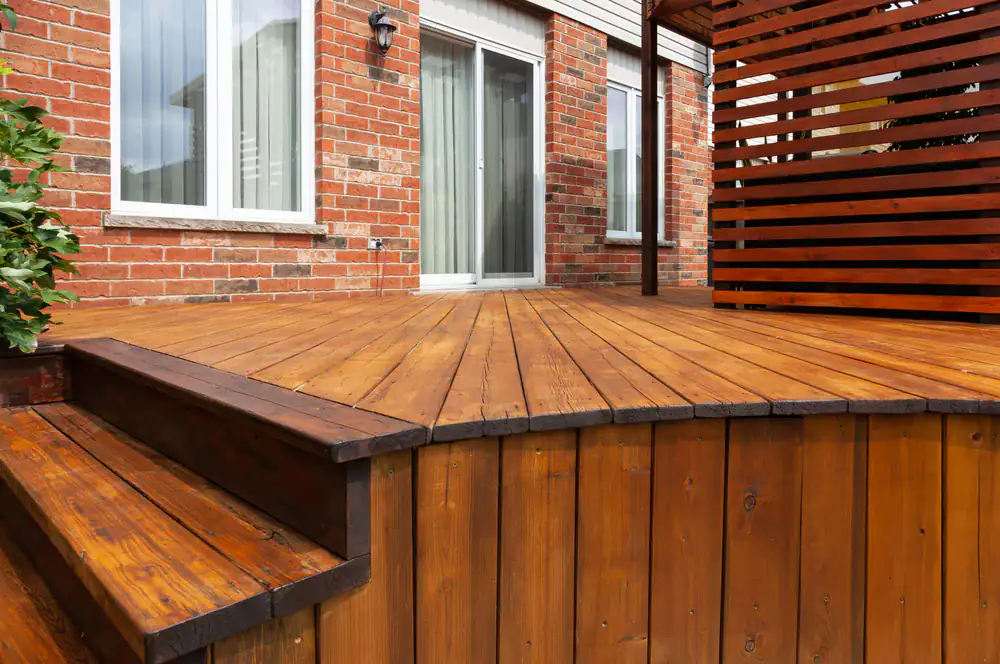
We start with a structural assessment, not a sales pitch. We’re looking for fastener corrosion, joist damage, post rot, and code violations—the problems that cause deck failures. You get a clear breakdown of what needs immediate attention and what can wait.
Most repairs take 1-3 days depending on scope. Simple board replacement and railing repair typically wrap up in a day. Structural work—replacing joists, reinforcing connections, addressing support posts—usually takes 2-3 days.
We remove damaged materials, treat exposed wood, install marine-grade fasteners, and replace boards with materials rated for coastal environments. Every connection gets checked. Every railing gets tested. You’re not guessing whether it’s safe—you know it is because we’ve addressed the underlying structural issues, not just the surface damage.
You get detailed photos of the work, a warranty on materials and labor, and a deck that’s actually ready for your family to use.
Ready to get started?
We handle everything from isolated board replacement to comprehensive structural restoration. That includes rotting or damaged decking boards, loose or corroded railings, compromised joists and support beams, failed ledger board connections, and post deterioration from ground contact.
West Islip’s coastal location means your deck faces specific challenges. Salt air accelerates fastener corrosion faster than almost anywhere else in New York. Winter freeze-thaw cycles split boards and loosen connections. Summer humidity promotes rot in areas where water collects.
We address these local conditions with materials chosen specifically for Suffolk County’s climate. Pressure-treated lumber rated for ground contact. Composite boards that won’t warp or split. Stainless steel and coated fasteners that resist salt air corrosion. Every material decision accounts for what your deck will face over the next 15-20 years.
You also get a code compliance check. Building codes have changed significantly in the past decade, especially around railing height, baluster spacing, and ledger board attachment. If your deck doesn’t meet current standards, we identify those issues and explain your options.

Minor repairs—replacing a few boards, tightening railings, fixing isolated rot—typically start around $1,000 to $2,000. More extensive structural work, like replacing multiple joists, reinforcing connections, or rebuilding sections, usually runs $3,000 to $6,000.
Full deck replacement in West Islip generally costs $8,000 to $20,000+ depending on size and materials. If your deck’s structure is still sound, repair costs 40-60% less than rebuilding while adding 10-15 years of life.
The key is catching problems early. A $500 board replacement becomes a $5,000 structural repair if water damage spreads to the joists. We give you an honest assessment of whether repair makes financial sense or if you’re better off replacing.
Soft spots when you walk across the deck mean water has compromised the wood structure underneath. Wobbly or loose railings indicate fastener failure or post deterioration. Rust stains around screw heads signal corrosion that’s weakening connections.
Gaps between boards and joists, especially if they weren’t there before, mean fasteners have failed. Squeaking or creaking sounds when you step in certain areas indicate loose connections. Visible rot, especially around posts or where the deck attaches to your house, needs immediate attention.
If you’re testing boards before stepping on them or warning guests to avoid certain sections, you’re past the point where you should have called. These aren’t cosmetic issues—they’re safety hazards that get worse fast in West Islip’s coastal climate.
Salt air is the main culprit. West Islip’s proximity to the coast means your deck is constantly exposed to salt particles that accelerate metal corrosion and break down wood fibers. Standard galvanized fasteners that last 20+ years inland fail in 5-7 years here.
Coastal humidity creates perfect conditions for rot, especially in areas where water collects—around posts, under planters, where boards meet joists. Winter freeze-thaw cycles are more severe near the water, causing boards to split and connections to loosen.
The combination of salt, humidity, sun exposure, and temperature swings creates one of the most demanding environments for outdoor structures. Decks built with inland materials and methods simply don’t hold up. That’s why marine-grade fasteners and proper moisture management aren’t optional in Suffolk County—they’re essential.
We repair both wood and composite decking, though the approach differs significantly. Composite boards don’t rot, but they can crack, fade, or separate from fasteners. The bigger issue is usually the wood structure underneath—joists, beams, and posts that support composite decking are still wood and still vulnerable to moisture damage.
Many composite deck problems actually stem from structural issues below the surface. Loose boards often mean failed fasteners or compromised joists, not defective decking material. We assess the entire system, not just what’s visible.
Wood deck repair typically involves replacing damaged boards, treating exposed wood, and upgrading fasteners. Composite repair focuses more on structural reinforcement and proper fastener selection, since composite materials expand and contract differently than wood. Both require understanding how coastal conditions affect different materials over time.
A properly executed deck repair using marine-grade materials should add 10-15 years of life in West Islip’s coastal environment. That assumes regular maintenance—annual cleaning, periodic sealing for wood decks, and prompt attention to small issues before they become big problems.
The difference between a repair that lasts 5 years and one that lasts 15+ comes down to materials and execution. Standard fasteners fail fast in salt air. Improper flashing allows water behind ledger boards. Skipping wood treatment lets rot spread from old damage to new materials.
We use stainless steel or coated fasteners rated for marine environments. We install proper flashing and ensure water drains away from critical connections. We treat all exposed wood and verify that new materials are compatible with existing structure. These details determine whether you’re calling us back in three years or enjoying your deck for the next decade and a half.
Yes, we handle emergency repairs when structural damage creates immediate safety hazards. Storm damage, sudden railing failure, or discovery of severe rot that makes the deck unsafe—these situations need fast response.
Emergency repairs focus on stabilizing the structure and eliminating immediate dangers. We secure loose railings, shore up compromised sections, and prevent further damage until comprehensive repairs can be completed. Most emergency calls get same-day or next-day response depending on weather and current workload.
That said, most “emergencies” are actually problems that developed over months or years and finally became obvious. The best approach is addressing warning signs early—during your annual inspection or when you first notice soft spots, loose connections, or visible damage. Catching problems before they become emergencies saves money and prevents the stress of dealing with a dangerous deck during peak outdoor season.
Other Services we provide in West Islip