
Hear From Our Clients
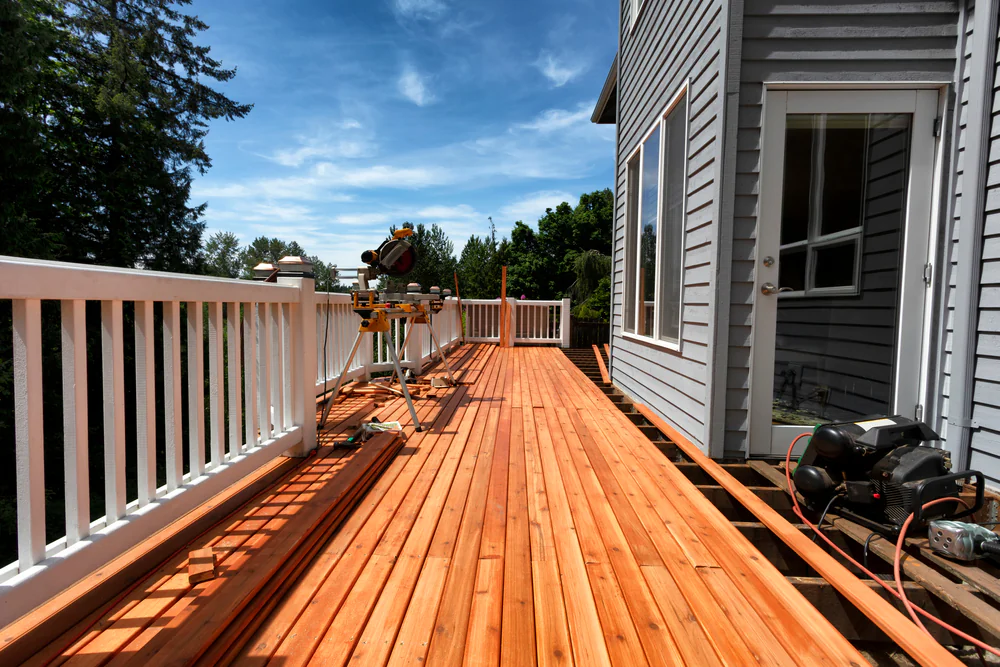
You get a deck that’s safe for your family and guests without the constant worry about whether that board is going to give out. The loose railing that’s been bothering you for months gets secured properly. Those soft spots near the stairs get addressed before someone gets hurt.
Most importantly, you stop the bleeding. Small problems don’t become expensive ones when you catch them early, and around here, “early” matters more than you think. Salt air from Long Island Sound corrodes fasteners faster than inland properties, and our humid summers create the perfect environment for rot to spread.
A professional deck repair costs between $1,000 and $5,000 depending on what’s actually wrong, but that’s a fraction of what you’d spend on a full replacement. More importantly, it buys you years of safe use and protects the investment you’ve already made in your outdoor space.
Home Team Construction has spent over a decade working on decks throughout Stony Brook and the surrounding areas. We’re not a national franchise that doesn’t understand local conditions—we live here, and we know exactly what Long Island’s climate does to outdoor structures.
You’re working with licensed and insured professionals who understand Suffolk County building codes and won’t cut corners on safety. Our work quality reflects directly on our reputation with your neighbors, which is why we’re still here after 15 years.
When you call us, you’re getting someone who’s seen every type of deck problem this area can throw at a homeowner. That experience matters when the difference between a $300 fix and a $3,000 repair comes down to knowing where to look.
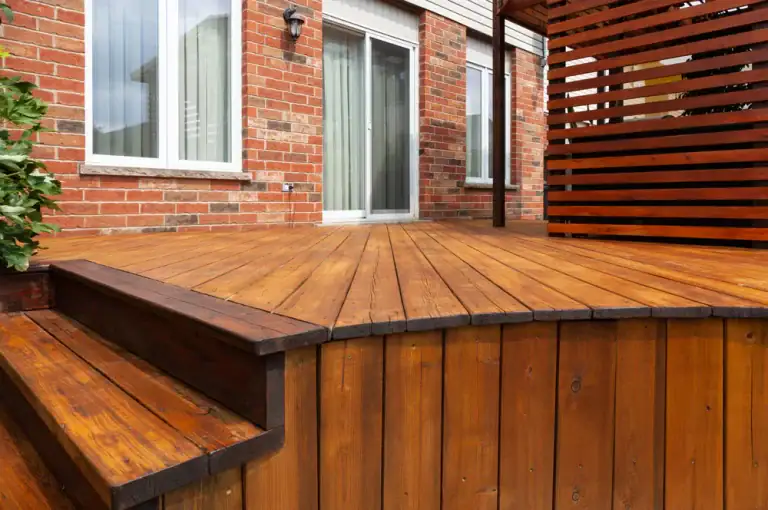
First, we come out and do a comprehensive inspection of your entire deck structure—not just the obvious problem areas. We’re looking at support posts, joists, ledger boards, decking surfaces, railings, stairs, and all the hardware holding everything together. Most serious problems hide where you can’t see them, so we check those spots first.
Then we explain what we found in plain language. No upselling, no scare tactics—just a clear explanation of what needs attention now, what can wait, and what the actual safety concerns are. You get transparent pricing before any work starts, so there are no surprise costs later.
Once you approve the work, most deck repairs take between one and three days depending on the scope. Simple fixes like replacing a few rotting boards can be done in a single day. Structural repairs involving joists or support posts take longer, but we work efficiently and clean up completely when we’re done.
We use materials specifically chosen for Long Island’s coastal environment—pressure-treated lumber for structural components, composite or cedar for decking boards, and corrosion-resistant fasteners that won’t fail in a few years. Everything we install is designed to handle the salt air, humidity, and temperature swings that make this area tough on outdoor structures.
Ready to get started?
You’re getting a thorough structural assessment that looks beyond surface-level cosmetic issues. We examine how your deck is attached to your house, check for rot in support posts and beams, test the integrity of joists and ledger boards, and inspect all railings and stairs for stability. Around Stony Brook, where properties average over $600,000, your deck is a significant part of your home’s value and safety profile.
The repair work itself addresses root causes, not just symptoms. If boards are rotting, we figure out why moisture is getting trapped there and fix the drainage issue. If fasteners are corroding, we replace them with marine-grade hardware that can handle the salt air. If structural members are compromised, we sister in new supports or replace sections completely—whatever the situation actually requires.
You also get code compliance handled properly. We pull necessary permits and make sure all work meets current Suffolk County building standards. That matters for your safety, your insurance coverage, and your liability protection if you ever sell the property. A well-maintained deck delivers a 70-80% return on investment at resale and reduces buyer inspection concerns significantly.
Most importantly, you get years added to your deck’s usable life. Professional repairs done right mean you’re not dealing with the same problems again next season, and you’re not facing a premature full replacement because small issues were ignored too long.
If more than 25% of your deck’s structural components are compromised, replacement usually makes more financial sense than extensive repairs. But most decks don’t reach that threshold—they just need targeted fixes in problem areas.
The key indicators are how many support posts show rot, whether the ledger board (where your deck attaches to your house) is solid, and if the main joists are structurally sound. Surface issues like rotting deck boards or failing railings are almost always repairable, even if they look bad. It’s the hidden structural damage underneath that determines whether repair or replacement is the right call.
During our inspection, we’ll tell you honestly where your deck stands. If you’re borderline and could go either way, we’ll explain the cost difference and let you make an informed decision. Some homeowners choose to repair now and plan for replacement in a few years when their budget allows. Others decide to replace immediately if they’re planning to stay in the home long-term. There’s no universal right answer—it depends on your specific situation, timeline, and budget.
Salt air from Long Island Sound is the biggest accelerator. It corrodes metal fasteners, brackets, and flashing much faster than you’d see inland, which means the connections holding your deck together can fail even when the wood itself still looks fine. That’s why we see deck hardware problems here that wouldn’t show up for years in other climates.
The humidity is the second factor. Long Island’s summers create perfect conditions for moisture to get trapped in wood, promoting rot and decay. When you combine high humidity with our temperature swings and freeze-thaw cycles in winter, you’re creating an environment where small cracks become rotted boards in a single season.
Coastal properties closer to the water see these problems even more aggressively, but even homes a few miles inland deal with salt air effects. That’s why using the right materials matters so much around here—standard fasteners and hardware that work fine elsewhere fail prematurely in this environment. We use corrosion-resistant components specifically because we know what this climate does to outdoor structures over time.
Most deck repairs in Stony Brook and Suffolk County run between $1,000 and $5,000, depending on what’s actually wrong and how extensive the damage is. Replacing a few rotting deck boards might cost $500-$1,200. Fixing loose railings or stairs typically runs $800-$2,000. Structural repairs involving joists, support posts, or ledger boards can range from $2,000-$5,000 depending on how many components need attention.
The wide range exists because every deck situation is different. A 10×12 deck with a few problem boards is obviously less expensive to fix than a 20×30 multi-level deck with structural issues. The materials you choose matter too—replacing boards with pressure-treated lumber costs less than composite, but composite lasts longer in our climate.
Here’s what matters most: early intervention saves money. A $300 board replacement in spring prevents a $3,000 structural repair by fall, because rot spreads fast in Long Island’s humid environment. The longer you wait, the more expensive repairs become. That’s not a sales tactic—it’s just how wood deterioration works when moisture gets involved. We’ve seen too many situations where homeowners delayed addressing obvious problems and ended up spending five times more later because the damage spread to structural components.
Professional deck repairs using proper materials should last 10-15 years in this climate, assuming you maintain basic upkeep like annual cleaning and sealing. The longevity depends heavily on what materials we use and whether we address the root cause of the problem, not just the visible symptom.
If we’re replacing rotting boards, we also fix whatever drainage or ventilation issue caused moisture to get trapped there in the first place. If we’re repairing structural components, we use pressure-treated lumber rated for ground contact and marine-grade fasteners that resist corrosion from salt air. Those material choices directly impact how long the repair holds up.
The repairs that fail prematurely are usually ones where someone took shortcuts—used standard fasteners instead of corrosion-resistant ones, didn’t address underlying moisture problems, or patched surface issues without checking structural integrity underneath. We’ve been called out to fix other contractors’ work enough times to know exactly what doesn’t last around here. When we do the repair right the first time with appropriate materials, you shouldn’t need the same area addressed again for over a decade.
Small deck problems become expensive structural issues fast in Long Island’s climate. A single rotting board that gets ignored allows moisture to spread to the joists underneath. Once joists are compromised, you’re looking at structural repairs that cost thousands instead of hundreds. We’ve seen it happen in a single season when conditions are right.
The safety risk escalates too. Loose railings get looser. Soft spots in deck boards become holes. Support posts that are rotting from the inside out can fail suddenly under load. Most deck collapses happen because structural problems were visible for months or years but never addressed. You don’t want to be the homeowner who finds out their deck can’t support a family gathering the hard way.
From a financial perspective, ignoring deck problems is the most expensive choice you can make. A $300 repair avoided today becomes a $3,000 repair next year, or a $15,000-$25,000 full replacement if the damage spreads far enough. Insurance typically doesn’t cover gradual deterioration from deferred maintenance, so you’re paying out of pocket either way. The question is whether you’re paying for a targeted repair now or a much larger problem later. Every contractor in this business can tell you stories about homeowners who waited too long and ended up spending ten times more than they would have if they’d addressed the issue when it first appeared.
Yes, we handle all necessary permits and make sure repair work meets current Suffolk County building codes. That’s part of being a licensed contractor—we know what’s required and we take care of the paperwork so you don’t have to navigate the permitting process yourself.
Not every deck repair requires a permit, but structural work usually does. If we’re replacing joists, modifying support posts, or doing significant work on stairs or railings, we pull the appropriate permits and schedule required inspections. That protects you legally and ensures the work is done to current safety standards, which have changed since many older decks were originally built.
Code compliance matters more than most homeowners realize. If you sell your property and the buyer’s inspector finds unpermitted work or code violations, it can delay closing or kill the deal entirely. Proper permits also protect your homeowner’s insurance coverage—some policies won’t cover damage related to unpermitted construction or repairs. We’ve been doing this long enough to know that cutting corners on permits creates problems down the road that aren’t worth the short-term savings. We do it right from the start so you don’t have issues later.
Other Services we provide in Stony Brook University