
Hear From Our Clients
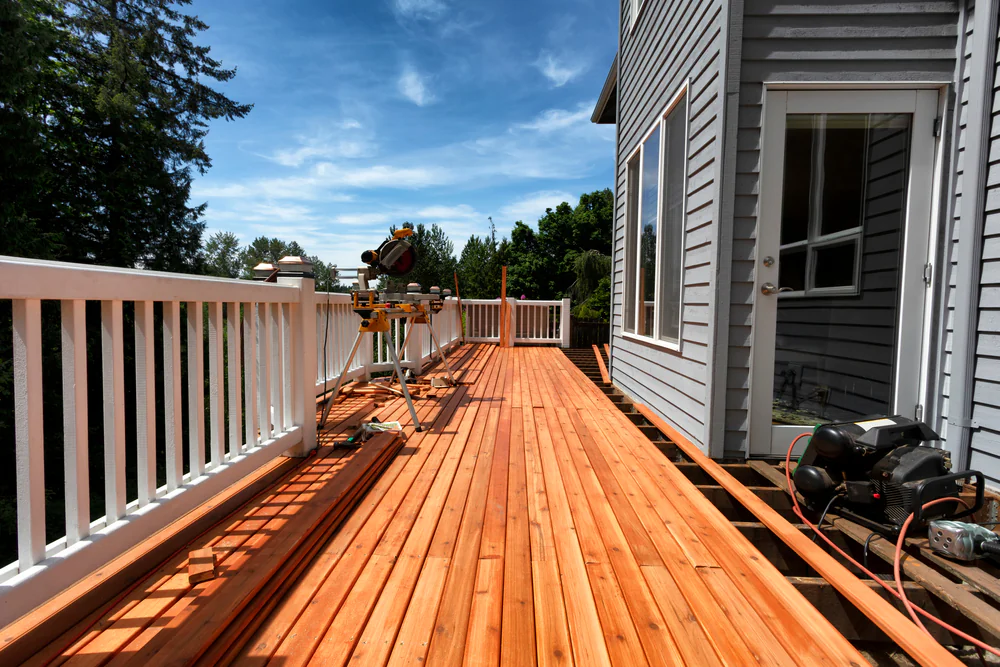
You’re not looking at a full rebuild. You need the rotting boards replaced, the loose railings secured, and the structural issues fixed before they get worse. That’s what deck repair does—it gives you years of safe use without the massive expense of tearing everything down and starting over.
Most deck problems in Islip Terrace come from the same source: coastal climate. Salt air corrodes fasteners faster than you’d expect. Humidity gets into the wood and doesn’t leave. Winter freeze-thaw cycles split boards and loosen connections. What starts as one wobbly post can become a safety hazard in a single season if the underlying cause isn’t addressed.
Professional deck repair costs less than replacement while adding years to your outdoor space. You get a deck that’s safe for family gatherings, structurally sound, and built to handle Long Island’s weather. No more avoiding certain spots or worrying every time someone leans on the railing.
Home Team Construction has spent more than 10 years repairing decks in Islip Terrace and throughout Suffolk County. We’re licensed contractors who understand what coastal weather does to outdoor structures—and how to fix it properly the first time.
We’re not the cheapest option, and we don’t pretend to be. You’re paying for repairs that address the root cause, not just the visible damage. That means checking what’s happening underneath, using corrosion-resistant hardware that handles salt air, and making sure everything meets current building codes.
Most of our work comes from homeowners who tried a quick fix that didn’t last, or who caught a problem early and wanted it handled right. Either way, you’re getting transparent pricing, no surprise costs, and repairs that actually hold up in this climate.
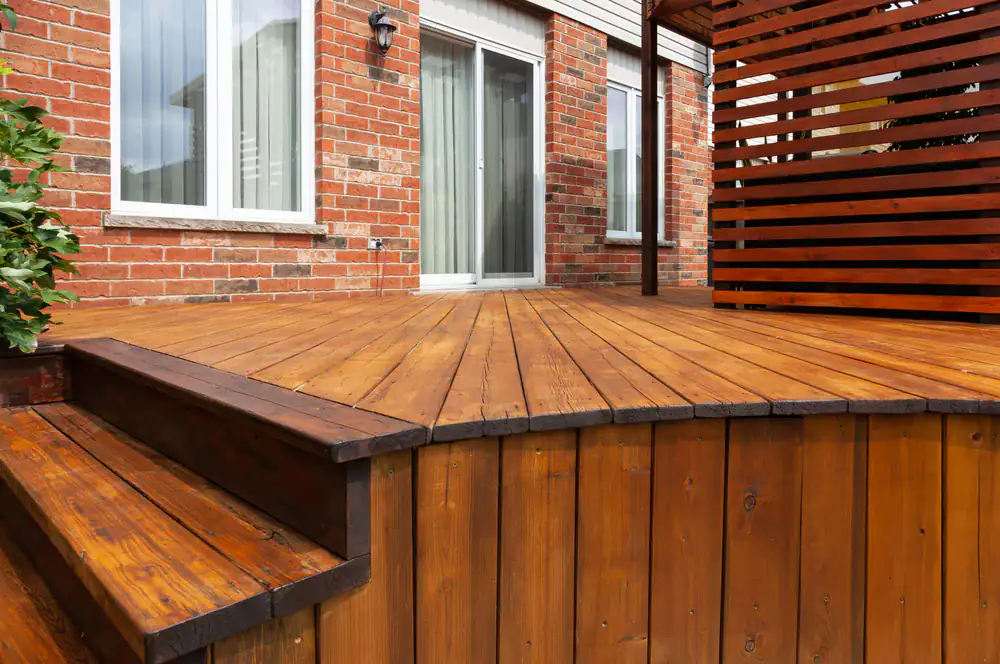
First, we inspect the entire deck—not just the problem area you called about. Deck damage rarely happens in isolation. If one support post is rotting, there’s usually a drainage issue or flashing failure causing it. We need to see the full picture before we start pulling boards.
Once we know what’s wrong, we explain what needs fixing and why. You’ll get a detailed estimate that breaks down materials and labor. No vague line items, no upselling repairs you don’t need. Just the work that actually matters for safety and longevity.
Most deck repairs take one to three days depending on scope. Simple jobs like replacing boards or tightening railings get done in a day. Structural work involving support posts, joists, or ledger boards usually takes two to three days. We use pressure-treated lumber for framing, composite or treated boards for decking, and only corrosion-resistant fasteners that can handle coastal conditions.
After the repair, your deck is safe to use immediately. We clean up completely, haul away old materials, and make sure everything is level, secure, and code-compliant.
Ready to get started?
Deck repair isn’t just swapping out bad boards. It’s identifying why those boards failed and fixing that issue so it doesn’t happen again. In Islip Terrace, that usually means dealing with water damage, corroded fasteners, or structural settling that’s common in coastal areas.
We replace rotting or cracked decking boards with materials rated for Long Island’s climate. We rebuild loose or damaged railings with proper spacing and secure connections that meet current safety codes. We reinforce or replace support posts and joists that have weakened from moisture exposure. And we address drainage problems or failed flashing that’s letting water get where it shouldn’t.
Every repair uses materials designed to withstand salt air, humidity, and temperature swings. That means marine-grade fasteners, pressure-treated framing lumber, and composite or properly sealed wood for surfaces. You’re not getting a temporary patch—you’re getting a repair that lasts.
The goal is simple: your deck should be safe, functional, and able to handle Suffolk County weather for years without needing constant maintenance or emergency fixes.

If more than 40% of your deck’s structure is compromised, replacement usually makes more sense financially. But most decks don’t reach that point—they just need targeted repairs to address specific problem areas.
Look underneath your deck. If the support posts are solid, the main beams are intact, and the ledger board is properly attached to your house, you’re probably looking at repairs. Surface issues like rotting deck boards, loose railings, or a few damaged joists don’t require tearing down the whole structure.
The decks that need full replacement typically have widespread rot in the framing, severe structural settling, or damage so extensive that repairing it costs nearly as much as rebuilding. We’ll tell you honestly which situation you’re in after inspection—there’s no benefit to us recommending replacement if repair will actually work.
Most deck repairs take one to three days depending on what needs fixing. Replacing deck boards or securing loose railings usually gets done in a single day. Structural repairs involving support posts, joists, or ledger board work typically take two to three days.
Weather can extend timelines slightly since we can’t install certain materials in rain or extreme cold. But we schedule around forecasts and work efficiently once we start. You’re not looking at weeks of disruption—just a few days to get your deck safe and functional again.
The inspection happens first and usually takes about an hour. Once you approve the estimate, we schedule the actual repair work. Most homeowners in Suffolk County can get on our schedule within one to two weeks, though spring and early summer book up faster since that’s when people notice deck problems after winter damage.
Salt air is the biggest culprit. It corrodes metal fasteners and hardware faster than in inland areas, which loosens connections and creates movement in the structure. Once things start moving, wood fibers break down and gaps form where water gets in.
Humidity is the second major factor. Long Island’s humid summers mean wood stays damp longer, which accelerates rot—especially in spots where air doesn’t circulate well. Support posts where they meet the ground or attach to the house are particularly vulnerable because moisture gets trapped in those connections.
Winter freeze-thaw cycles do the rest. Water gets into small cracks, freezes and expands, then thaws and contracts. This happens repeatedly throughout winter and spring, splitting boards and loosening fasteners. Combined with salt air and humidity, it’s why decks in Suffolk County typically last 15 to 18 years compared to 25 years in drier climates.
Deck repair costs vary based on the extent of damage and materials needed, but most homeowners in Islip Terrace spend between $1,500 and $4,500 for professional repairs. Simple jobs like replacing a few boards or tightening railings run $500 to $1,500. Structural repairs involving posts, joists, or extensive board replacement typically cost $2,500 to $5,000.
The most expensive repairs are the ones you wait too long to address. A $300 board replacement in spring can become a $3,000 structural repair by fall if water damage spreads to the framing. That’s why catching problems early matters—not just for safety, but for your wallet.
We provide detailed estimates before starting any work. You’ll know exactly what the repair costs and what you’re getting for that price. No surprise charges, no vague “depends on what we find” pricing. Just transparent numbers based on the actual work your deck needs.
You can handle surface-level cosmetic work like replacing a few deck boards or tightening visible fasteners if you’re comfortable with basic carpentry. But structural repairs—anything involving support posts, joists, ledger boards, or railings—should be done by licensed contractors who understand building codes and proper installation methods.
The risk with DIY structural work isn’t just doing it wrong. It’s not knowing what to look for underneath. Deck problems in coastal areas often have hidden causes like failed flashing, inadequate drainage, or rot that’s not visible from above. If you fix the symptom without addressing the cause, you’ll be doing the same repair again in a year or two.
Professional installation also matters for longevity. Properly installed repairs using the right materials and techniques last significantly longer than DIY fixes, especially in Suffolk County’s harsh climate. You’re not just paying for labor—you’re paying for expertise that prevents the same problem from coming back.
Annual inspections catch small problems before they become expensive repairs. Check for loose fasteners, new cracks in boards, and any areas where water pools instead of draining. Look underneath at support posts and joists for early signs of rot or insect damage.
Keep your deck clean. Sweep off leaves and debris regularly—they trap moisture against the wood and accelerate rot. If you have a wood deck, reseal it every two to three years to protect against water penetration. Composite decks need less maintenance but still benefit from occasional cleaning to prevent mold and mildew buildup.
Make sure water drains away from the deck structure. Gutters should direct water away from support posts. Flashing where the deck attaches to your house should be intact and properly sealed. These aren’t complicated maintenance tasks, but they make a significant difference in how long your deck lasts in Islip Terrace’s coastal climate.
Other Services we provide in Islip Terrace