

Hear From Our Clients
Your siding stops leaking. The repair blends in so well you forget where the damage was. And when the next nor’easter rolls through, you’re not scrambling for tarps or calling emergency contractors at midnight.
That’s what matters. Not the sales pitch, not the before-and-after photos—just a house that’s weathertight again, with siding that actually protects what’s underneath.
You’re dealing with coastal weather. Salt air, wind-driven rain, temperature swings that crack cheap repairs by spring. The work needs to hold up, and it needs to look like nothing ever happened. We’ve spent over a decade fixing storm damage across Wading River and the rest of Suffolk County, so we know what fails and what doesn’t. You get repairs built for Long Island weather, not just patched until the next storm.
Home Team Construction has been repairing siding in Wading River for over 10 years. We were here after Hurricane Sandy tore through in 2012, and we’ve seen what coastal storms do to homes when the siding fails. Cracked vinyl, torn aluminum, rotted wood—it all leads to the same problem: water gets in, and the damage spreads fast.
We’re licensed, insured, and local. We’re not the crew that quotes low and disappears. We’re the ones who show up when we say we will, match your siding down to the texture and fade, and make sure the repair actually lasts. Wading River homeowners call us because they want it done once, not redone every few years.
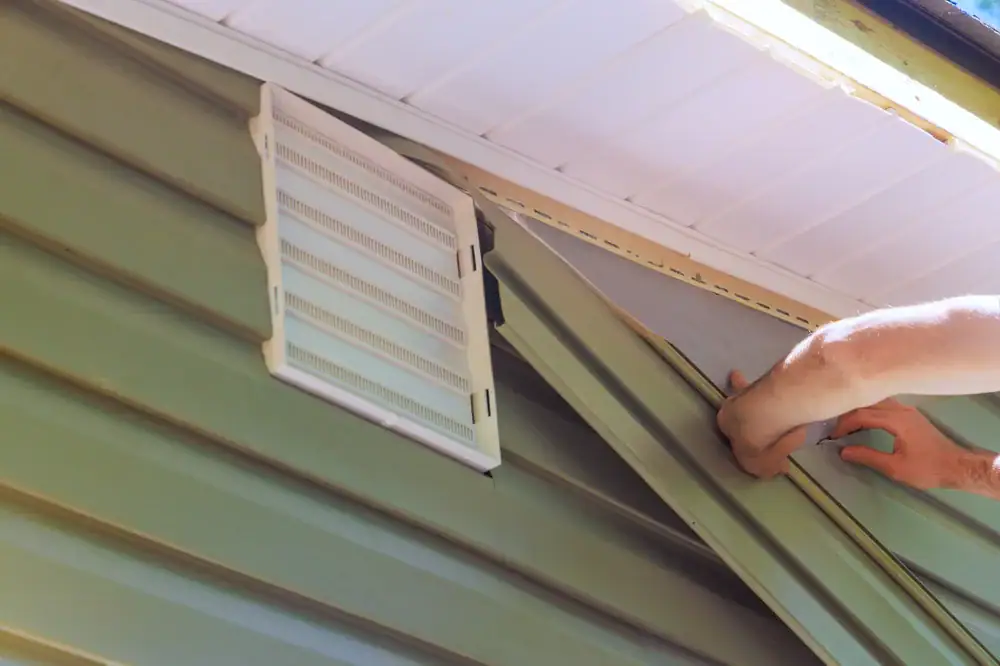
First, we come out and assess the damage. Not just the obvious cracks or missing panels—we check for hidden water intrusion, loose fasteners, and any underlying issues that caused the failure. You get a full breakdown of what needs fixing and what it’ll cost, with no surprise charges later.
Next, we source the materials. If you’ve got discontinued siding or a specific color that’s hard to match, we track it down. We work with original manufacturers when possible and use coastal-grade fasteners that won’t corrode in salt air. The goal is a repair that blends in completely.
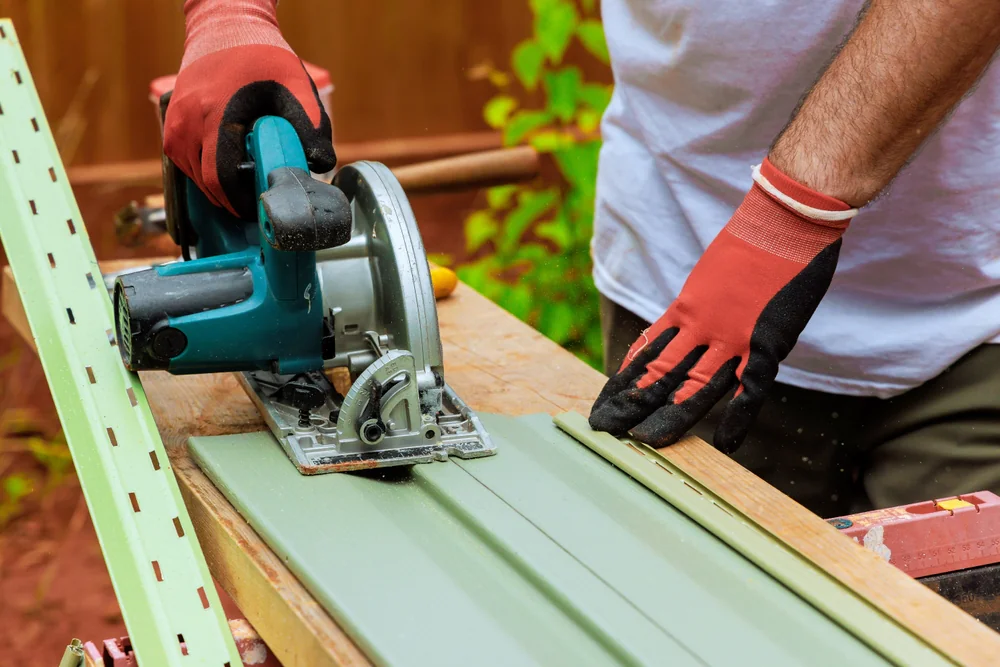
Then we do the work. We remove damaged sections, address any water damage or rot underneath, and install the new siding with proper weatherproofing. We’re not just slapping panels on—we’re making sure wind-driven rain doesn’t find its way behind the siding during the next storm. When we’re done, you shouldn’t be able to tell where the repair was. And if you file an insurance claim, we’ll document everything and work directly with your adjuster to make the process easier.

Ready to get started?
We handle vinyl siding repair, aluminum siding repair, wood siding repair, and fiber cement. Each material has different failure points, especially in coastal areas. Vinyl cracks in cold weather and warps in heat. Aluminum dents and corrodes. Wood rots when water gets behind it. We’ve repaired all of it, and we know how to make each type last.
You also get full insurance claim assistance if you need it. We document the damage with photos and detailed notes, provide estimates that match what adjusters expect to see, and communicate directly with your insurance company. A lot of claims get denied or underpaid because the documentation isn’t thorough enough—we make sure that doesn’t happen.
Storm damage gets priority. If a nor’easter just ripped through and you’ve got siding hanging off or water getting into your walls, we respond within 24 to 48 hours. We’ll do temporary weatherproofing if needed, then schedule the full repair once materials are sourced. Wading River sits right in the path of coastal storms, and we’ve seen what happens when repairs get delayed. Water damage spreads fast, and a $1,200 siding repair can turn into a $15,000 wall rebuild if you wait too long.

Most siding repairs in Wading River run between $600 and $1,200, depending on the extent of the damage and the material. If you’re dealing with storm damage—a few cracked vinyl panels or a dented section of aluminum—you’re usually on the lower end. Larger repairs, like replacing an entire wall section or fixing hidden water damage underneath, cost more.
Wood siding repair tends to be more expensive because it often involves replacing rotted sections and repainting to match. Fiber cement is in the middle. Aluminum is usually straightforward unless corrosion has spread. The biggest variable is whether we need to source discontinued materials or if your siding is still manufactured.
If you’re filing an insurance claim, your out-of-pocket cost might be just your deductible. We’ll walk you through that process and make sure the estimate matches what your insurance company expects to see. The key is getting it fixed before water damage turns a manageable repair into a full wall replacement.
Yes, and that’s one of the most important parts of the job. A repair that doesn’t match stands out, and it hurts your home’s curb appeal and resale value. We’ve been doing this long enough to know how to track down discontinued products, match faded colors, and replicate textures so the repair blends in.
If your siding is still manufactured, we source it directly from the original supplier. If it’s been discontinued, we work with specialty distributors who stock older materials or find the closest match available. Sometimes that means replacing an entire wall section instead of just the damaged area, but we’ll explain your options upfront so you can decide what makes sense.
Color matching is tricky because siding fades over time, especially on south-facing walls that get full sun. We account for that fade and adjust the new material so it blends in with the weathered sections around it. The goal is a repair that looks invisible, not a patchwork of mismatched panels.
Most repairs take one to three days, depending on the size and complexity. A simple fix—replacing a few cracked vinyl panels or patching a small section of aluminum—can be done in a day. Larger jobs, like repairing storm damage across multiple walls or addressing water damage underneath, take longer.
The timeline also depends on material availability. If we need to order discontinued siding or wait for a custom color match, that adds time. We’ll give you a clear timeline upfront so you know what to expect.
Weather plays a role too. We can’t install siding in heavy rain or freezing temperatures because adhesives and fasteners won’t set properly. If a storm is coming, we’ll do temporary weatherproofing to keep water out, then complete the full repair once conditions improve. Wading River gets hit with nor’easters and coastal storms regularly, so we’re used to working around the weather.
It depends on what caused the damage. If your siding was damaged by a storm—wind, hail, falling branches—most homeowners insurance policies cover it. If the damage is from wear and tear, age, or lack of maintenance, they usually won’t.
We help with the claims process. We document the damage with detailed photos and notes, provide an estimate that matches what insurance adjusters expect, and communicate directly with your insurance company if needed. A lot of claims get denied because the documentation isn’t thorough or the estimate doesn’t align with what the adjuster sees. We’ve worked with enough insurance companies to know how to avoid those issues.
Your out-of-pocket cost is typically just your deductible, which is usually between $500 and $2,500 depending on your policy. If the repair costs less than your deductible, it might not make sense to file a claim. We’ll walk you through the math so you can make the right call.
Water intrusion is the bigger problem, and it’s why siding damage needs to be fixed quickly. Once water gets behind your siding, it soaks into the sheathing, insulation, and framing. That leads to mold, rot, and structural damage that costs thousands to repair.
When we assess siding damage, we check for water intrusion. We look for staining, soft spots, and signs of moisture behind the damaged panels. If water got in, we address it before installing new siding. That might mean replacing rotted sheathing, treating mold, or adding additional weatherproofing to prevent future leaks.
Wading River’s coastal location makes this especially important. Wind-driven rain during nor’easters doesn’t just hit your siding—it gets forced into every crack and gap. If your siding is compromised, water finds its way in fast. The longer you wait, the worse it gets. A $1,200 siding repair can turn into a $15,000 wall rebuild if the water damage spreads. We’ve seen it happen, and that’s why we prioritize storm damage repairs and make sure the underlying structure is sound before we close everything back up.
Yes. If a storm just came through and you’ve got siding damage that’s letting water into your walls, we respond within 24 to 48 hours. We’ll assess the damage, do temporary weatherproofing if needed, and schedule the full repair as soon as materials are available.
Temporary weatherproofing means tarping exposed areas, sealing gaps, and making sure water can’t get into your walls while we source materials and wait for weather conditions to improve. It’s not a permanent fix, but it buys you time and prevents further damage.
Wading River sits right in the path of coastal storms, and we’ve been responding to emergency siding repairs here for over a decade. We know what nor’easters and hurricanes do to homes, and we know how to prioritize the work so your house stays protected. If you’re dealing with storm damage right now, don’t wait. Water damage spreads fast, and the longer your siding stays compromised, the more expensive the repair becomes.
Other Services we provide in Wading River