Hear From Our Clients
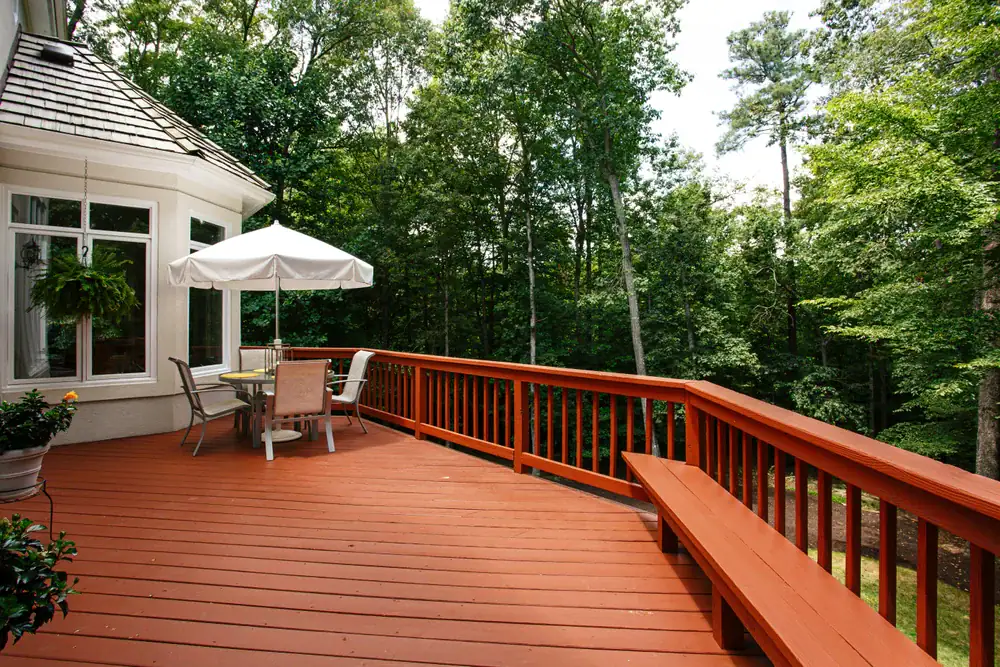
You walk out onto your deck and notice it feels different. Maybe there’s a soft spot near the stairs. Maybe the railing moves when you lean on it. Maybe you’re just not sure it’s safe anymore.
Here’s what happens when you ignore those signs: small problems become structural failures. A $500 repair becomes a $5,000 replacement. And somewhere in between, someone could get hurt.
Professional deck repair means catching issues early. We inspect the framing, check load-bearing posts, identify moisture damage you can’t see, and fix the root cause—not just the symptoms. When we’re done, you’ll know exactly what condition your deck is in and how long it’ll last.
Most deck repairs in Wading River cost between $500 and $2,500, depending on what’s actually wrong. That’s a fraction of what replacement costs, and it buys you years of safe use if the structure is still sound.
Home Team Construction is a family-owned company serving Suffolk County for over two decades. We’re not a franchise or a referral service—we’re the crew that shows up, does the work, and stands behind it.
We know what Long Island weather does to outdoor structures. Humid summers, freeze-thaw cycles, salt air from the coast—it all accelerates deterioration. A deck that might last 25 years in Arizona might only give you 15 here.
That’s why we don’t just patch boards and call it done. We look at why the damage happened, fix the underlying issue, and use materials that hold up in this climate. You’re not getting a temporary fix. You’re getting a deck that’s safe and functional for years.
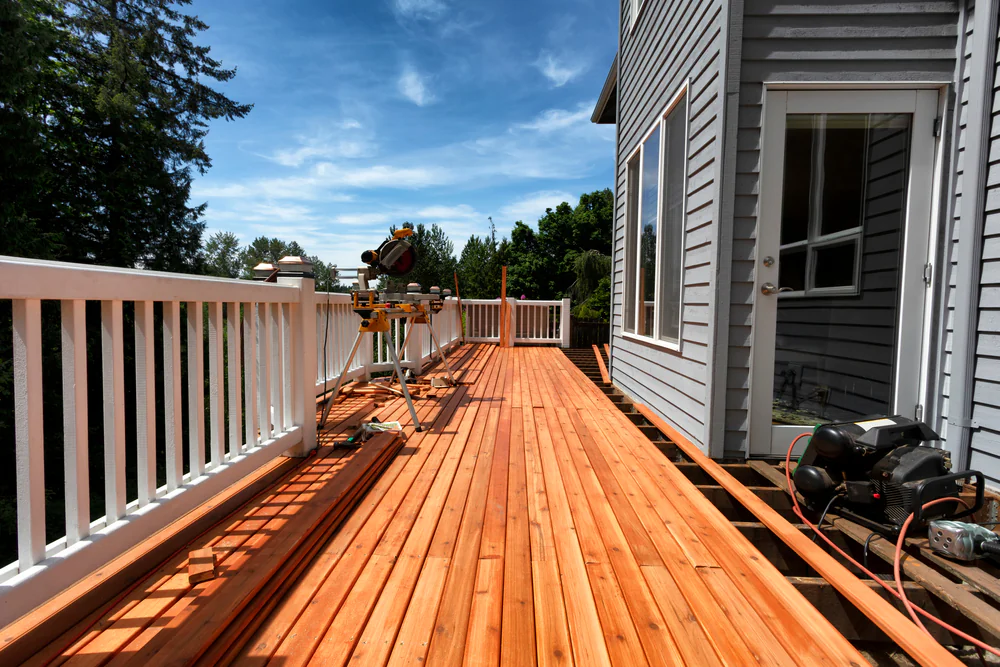
First, we inspect the entire structure—not just the obvious problem areas. We check the ledger board that connects your deck to your house, examine support posts for rot, test railings for stability, and look for code violations that could affect safety or insurance.
Then we give you a straight answer about what needs fixing. If less than 25% of your deck boards are damaged and the framing is solid, repair makes sense. If the structure is compromised or repair costs approach 50% of replacement cost, we’ll tell you that too.
Once you approve the scope, we handle permits if needed (structural repairs in Suffolk County often require them), order materials, and schedule the work. We don’t drag jobs out. Most deck repairs take one to three days depending on complexity.
After the repair, you get documentation of what was done, what materials were used, and what to watch for going forward. No surprises, no upselling, no runaround.
Ready to get started?
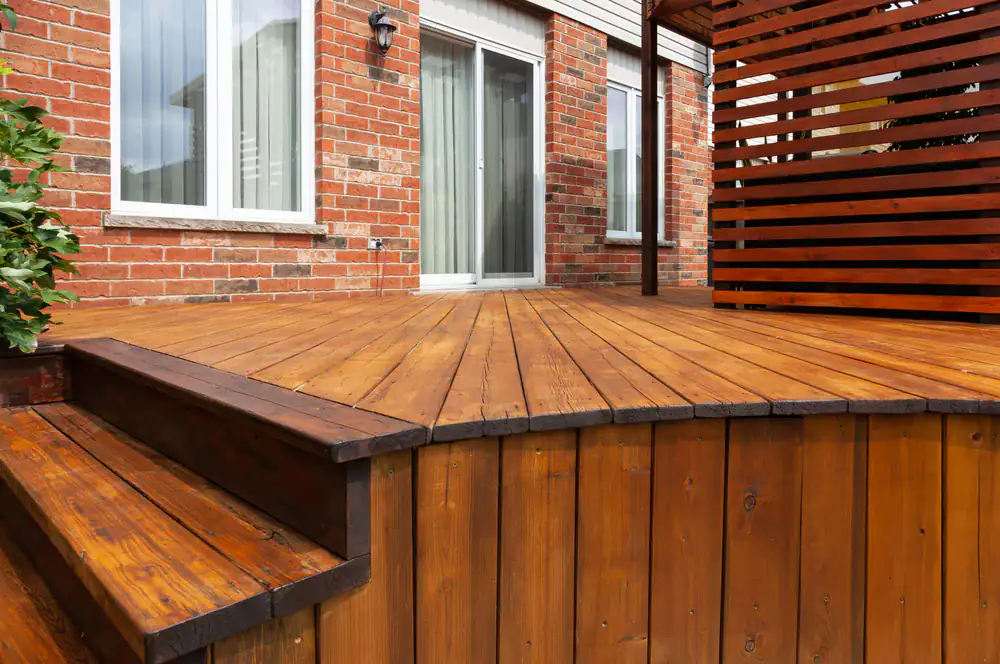
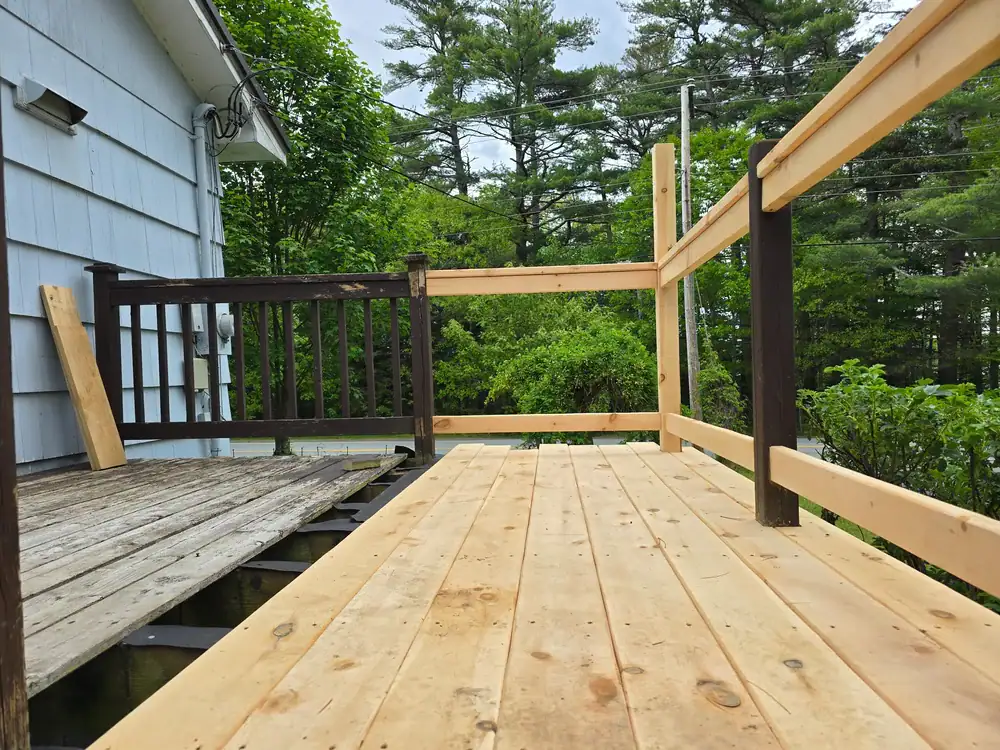
We replace rotted or damaged boards with materials that match your existing deck or upgrade to longer-lasting options if that makes sense. We repair or replace railings that don’t meet current code or pose safety risks. We reinforce or replace support posts and beams showing signs of structural failure.
The ledger board—the piece that attaches your deck to your house—gets special attention. If this fails, the entire deck can separate from the structure. It’s not common, but when it happens, it’s catastrophic. We check fasteners, flashing, and the connection point to make sure everything is secure.
In Wading River and throughout Suffolk County, coastal humidity and salt air create conditions for hidden decay. Fasteners corrode faster. Moisture gets trapped in framing. What looks fine on the surface might be rotting underneath. That’s why our inspections go beyond what most homeowners can see on their own.
We also address drainage issues that cause recurring problems. If water pools on your deck or doesn’t drain away from the house properly, we fix that. Otherwise, you’re just delaying the next round of repairs.

If less than a quarter of your deck boards are damaged and the support structure is solid, repair usually makes sense. You’re looking at $500 to $2,500 versus $5,000 to $15,000 for a full replacement.
But if the framing is compromised—rotted posts, failing ledger board, unstable joists—replacement might be the smarter move. Safety concerns override cost calculations. If your deck poses genuine hazards, the priority is making it safe, not saving money.
We’ll inspect the entire structure and give you an honest assessment. If repair is viable, we’ll explain what needs fixing and how long it’ll last. If replacement makes more sense, we’ll tell you why and what that involves. You’ll have the information you need to make the right call for your situation and budget.
Long Island’s climate is tough on outdoor structures. You get humid summers that promote mold and rot, harsh winters with freeze-thaw cycles that crack boards and loosen fasteners, and coastal salt air that accelerates corrosion.
Most damage surfaces in late winter or early spring. Water gets into cracks, freezes, expands, and makes small problems worse. By February or March, you’re noticing soft boards, loose railings, or sections that feel unstable.
Homes closer to the North Shore face accelerated deterioration from salt air. Moisture gets retained in fasteners and framing, leading to hidden decay that’s not obvious until it’s advanced. That’s why regular inspections matter—catching problems early prevents them from becoming structural failures that cost exponentially more to fix.
Most deck repairs take one to three days depending on what’s involved. Replacing a few boards and tightening railings might be done in a day. Structural repairs—replacing support posts, reinforcing framing, fixing ledger board issues—take longer.
Weather can affect the timeline, especially if we’re working with materials that need dry conditions to install properly. We’ll give you a realistic schedule upfront and keep you updated if anything changes.
If permits are required for structural work, that adds time to the front end but doesn’t extend the actual repair. We handle the permitting process so you don’t have to deal with Suffolk County building departments. Once permits are approved, we move quickly to get the work done and get you back to using your deck safely.
We can usually match your existing materials closely enough that repairs blend in. Pressure-treated lumber, cedar, and composite decking are all readily available, and we’ll find the closest match to what you have.
Keep in mind that new boards will look different initially—wood weathers and fades over time. Within a season or two, repaired sections typically blend with the rest of the deck. If matching is critical for aesthetic reasons, we can discuss options like refinishing the entire surface to create a uniform appearance.
Sometimes it makes sense to upgrade materials during a repair. If you’re replacing a significant portion of boards, switching to composite or PVC decking eliminates future maintenance and lasts longer in Long Island’s climate. We’ll walk through the cost difference and longevity trade-offs so you can decide what makes sense for your situation.
Structural repairs often require permits—anything involving support posts, beams, ledger boards, or framing. Cosmetic repairs like replacing a few deck boards or refinishing typically don’t.
We handle the permit process for you. We know local requirements, submit the paperwork, and ensure work meets current building codes. This matters for safety, but it also matters for insurance and resale. Unpermitted structural work can create problems down the line.
Permit requirements exist because deck failures cause serious injuries. Code compliance ensures your deck is built to handle the loads it’s designed for and connected to your house properly. It’s not red tape—it’s making sure the structure is safe for your family and anyone else who uses it.
Late spring through early fall is ideal for deck repairs. Materials install better in moderate temperatures, and you avoid weather delays from winter storms or extreme summer heat.
That said, if you’re dealing with safety issues—loose railings, unstable stairs, rotting support posts—don’t wait for perfect weather. We work year-round and can handle most repairs in less-than-ideal conditions when necessary.
The key is catching problems early. If you notice damage in late winter, get it inspected in early spring before minor issues become major failures. Waiting until peak summer means you’re competing with everyone else who put off repairs, and you might wait longer for scheduling. Call when you first notice something wrong, and we’ll get you on the calendar as soon as conditions allow.
Other Services we provide in Wading River