Hear From Our Clients

Your fireplace works safely again. No more worrying about carbon monoxide leaking through cracked liners or water pouring into your walls every time it rains.
A proper chimney replacement in Wading River means addressing what Long Island weather does to masonry. The freeze-thaw cycle here runs hundreds of times per season. Salt air corrodes metal components faster than anywhere inland. What lasts 30 years in Arizona fails in 15 here.
When we replace your chimney, you’re getting materials built for coastal conditions. Stainless steel liners that resist moisture. Proper flashing that keeps water out. A crown and cap system designed to handle what’s coming next winter. You’re not just fixing what broke—you’re preventing the next round of damage before it starts.
We’ve been handling chimney replacements across Suffolk County long enough to see the same problems show up in the same homes. Wading River’s proximity to the Sound creates a specific set of conditions that age chimneys faster than most homeowners expect.
Your neighbors’ chimneys are dealing with the same salt air and moisture exposure yours is. We’ve replaced enough of them to know which materials hold up and which ones you’ll be calling about again in five years. That matters when you’re spending thousands on a replacement.
We’re licensed, insured, and we pull permits when they’re required. The work gets inspected. You get documentation. No shortcuts that come back to bite you when you go to sell.
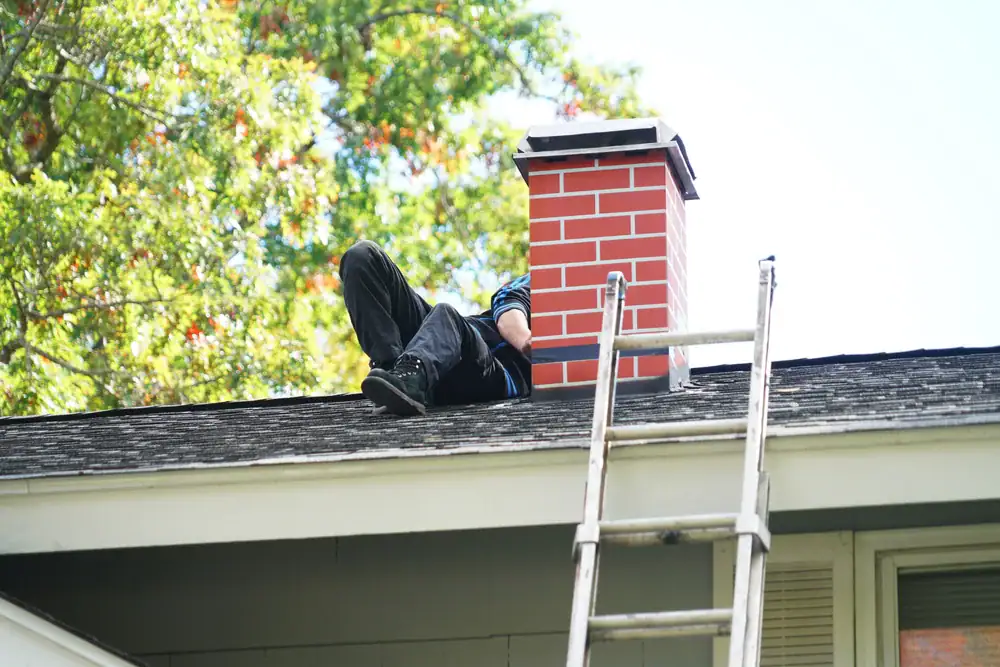
First, we inspect what you have. Not every chimney needs a complete replacement—but if yours does, you’ll know exactly why. We’re looking at the liner condition, the masonry integrity, the flashing, the crown, and whether water’s already gotten inside the walls.
If you’re moving forward, we start by protecting your roof and setting up safe access. The old chimney comes down in sections. We’re careful here—your roof structure matters, and we’re not tearing into it carelessly. Everything gets hauled away. You’re not dealing with bricks in your driveway for three weeks.
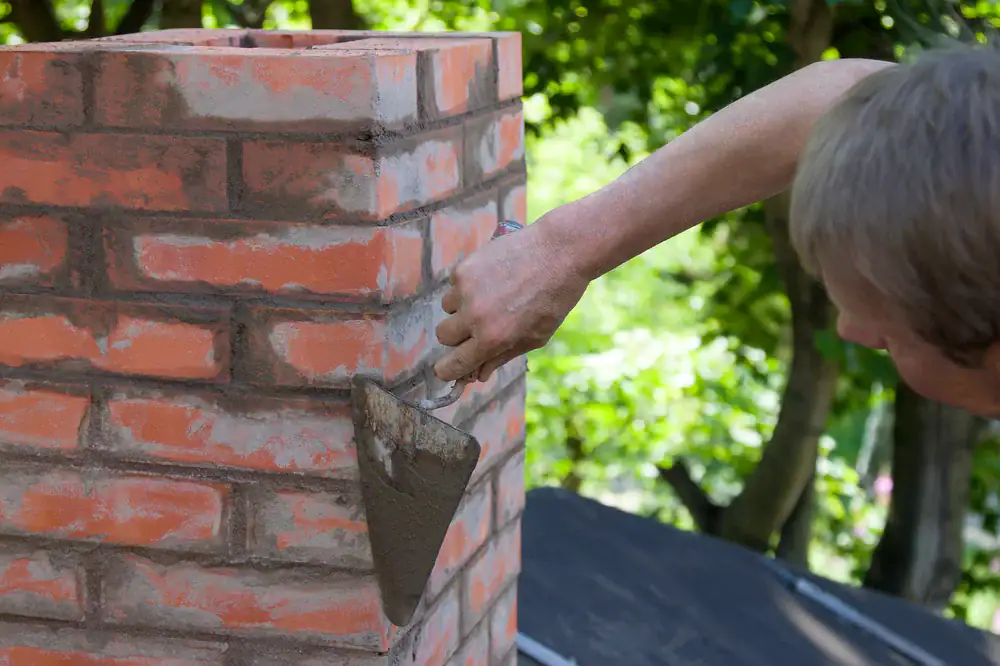
The rebuild happens from the roofline up, unless there’s structural damage below. New liner installation comes first—usually stainless steel for Long Island weather. Then we rebuild the stack with proper mortar and materials rated for freeze-thaw cycles. New flashing gets integrated with your roofing system. The crown gets poured and sealed. Cap goes on last.
You’ll see us back for a final walkthrough once everything’s cured. We check the draft, make sure the cap is secure, and confirm the flashing is watertight. Then you’re done.

Ready to get started?
Chimney replacement isn’t just the visible bricks. You’re getting a new liner—the part that actually vents combustion gases safely. In Wading River, that usually means stainless steel. Clay tile liners crack under our freeze-thaw conditions. Stainless steel doesn’t.
The chimney cap and crown are always part of a complete replacement. The crown is the concrete top that sheds water away from the flue. The cap is the metal cover that keeps rain, animals, and debris out. Both fail frequently on Long Island, and both are critical to keeping your new chimney dry.
Flashing replacement happens during every job. That’s the metal interface between your chimney and roof. If it’s not installed correctly, water gets in. If it’s not replaced when the chimney is rebuilt, you’re going to have leaks. We integrate new flashing with your existing roofing system so everything stays watertight.
You’re also getting masonry that’s built for coastal weather. The mortar mix matters. The brick quality matters. We’re not using the cheapest materials available and hoping they last. Suffolk County building codes exist for a reason, and we follow them.

You’re looking at $4,000 to $15,000 depending on height, access, and how much of the structure needs rebuilding. If we’re only replacing the stack above the roofline, that’s typically $4,000 to $8,000. A full replacement from the foundation up costs more.
Long Island pricing runs higher than national averages. Labor costs more here, and Suffolk County has stricter building codes than most places. You’re also dealing with coastal conditions that require better materials. Stainless steel liners cost more than clay tile, but they last decades longer in salt air.
The biggest cost variable is how much damage already exists. If water’s been getting into your walls, we might find structural issues once the old chimney comes down. That’s not common, but it happens. We’ll know more after the inspection, and you’ll have a fixed price before we start.
Most replacements take three to five days depending on weather and complexity. We’re not rushing this. Mortar needs time to cure. Flashing needs to be integrated carefully. The crown needs to set properly before we cap it.
Weather delays happen on Long Island. We’re not pouring a crown in freezing temperatures or installing flashing in high winds. Spring and fall are the best windows for this work. Summer’s fine too, but everyone’s busy then. Winter jobs are possible but slower.
You’ll have tarps and protection in place if we can’t finish in one stretch. Your home stays watertight. We don’t leave open chimneys exposed overnight or over weekends. If something comes up, you’ll know about it immediately.
Sometimes, yes. If the damage is localized to the crown, cap, or flashing, a repair makes sense. If the liner has a few cracks but the masonry is solid, we can reline it without rebuilding everything.
But if the masonry is deteriorating, the mortar’s crumbling, or the liner is failing in multiple places, you’re throwing money at a losing battle. Repairs buy you time—maybe a few years. Replacement fixes it for decades.
Here’s the test: if water’s already getting inside the chimney structure, repairs won’t stop the deterioration. Moisture in masonry accelerates damage through freeze-thaw cycles. Once that process starts, it doesn’t stop. Every winter makes it worse. At that point, replacement is the only real solution. We’ll tell you honestly which situation you’re in after we inspect it.
Stainless steel. It resists moisture, handles temperature swings, and doesn’t crack under freeze-thaw stress. Clay tile liners were standard in older homes, but they absorb water and crack when temperatures drop. That’s a problem here.
Stainless steel costs more upfront, but you’re looking at 30-plus years of service life. Clay tile might last 15 to 20 years in Long Island’s coastal climate before it starts failing. The math works out in favor of stainless steel, especially when you factor in the cost of replacing a failed liner.
Aluminum liners exist, but they’re only rated for certain fuel types. If you’re burning wood, you need stainless steel. Gas appliances can sometimes use aluminum, but stainless steel is still the better long-term choice. We’ll recommend what actually fits your heating system and chimney configuration.
Yes. Suffolk County requires permits for structural chimney work. That includes full replacements and most major repairs. The permit process ensures the work meets building codes and gets inspected.
We handle the permit application. You don’t need to go to the building department or figure out what paperwork is required. It’s part of the job. The inspector comes out after the work is done to verify everything was built correctly.
Some homeowners try to skip permits to save money. That’s a mistake. When you sell your house, unpermitted work shows up during inspections. You’ll either need to get it permitted retroactively—which is expensive and complicated—or you’ll lose negotiating power with buyers. Do it right the first time.
Spring or early fall. You want moderate temperatures for mortar curing and dry weather for flashing installation. Summer works too, but that’s peak season for contractors. You’ll wait longer for scheduling.
Winter replacements are possible but slower. Mortar doesn’t cure properly below certain temperatures, so we need additives and sometimes heating equipment. That adds time and cost. If your chimney fails in January, we can handle it—but you’ll pay more and wait longer for completion.
Most homeowners wait until October to think about their chimney, right when everyone else is calling. If you know you need replacement, schedule it in spring. Weather’s cooperative, availability is better, and you’re not scrambling to get it done before heating season starts. You’ll also have time to address any unexpected issues without the pressure of an approaching winter.
Other Services we provide in Wading River