

Hear From Our Clients
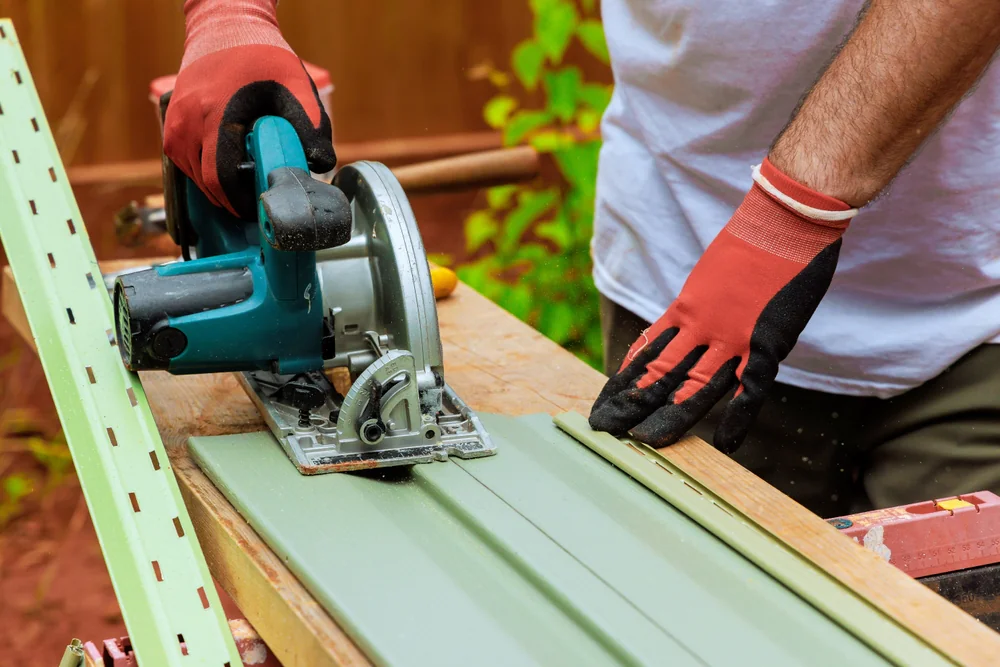
Cracked vinyl. Loose panels after a storm. Wood siding that’s starting to rot. You’re not imagining it getting worse every time it rains.
Here’s what happens when siding fails in Islip Terrace: water gets behind it within hours. That moisture sits against your sheathing and framing, creating rot and mold you can’t see until the damage is structural. What starts as a $500 repair becomes a $15,000 problem because the issue wasn’t just the panel you could see.
We fix the root cause. That means replacing damaged sections, sealing gaps where wind-driven rain sneaks through, fixing flashing that’s supposed to keep water out, and reinforcing areas that take the worst beating from coastal storms. You get siding that stops leaking, looks right, and holds up to the next nor’easter without falling apart again.
Home Team Construction has spent over a decade repairing siding on Long Island homes. We’re licensed, insured, and we stock the materials that actually match what’s on houses in this area.
Islip Terrace sits close enough to the water that salt air accelerates wear on every exterior surface. We’ve seen what happens to vinyl in the temperature swings, how cedar splits from the humidity, and which aluminum panels fail first after sustained wind. That’s not something you learn from a manual.
When you call, you’re talking to contractors who’ve handled hundreds of siding repairs in Suffolk County. We know what to look for, what fails next, and how to fix it so it doesn’t come back.
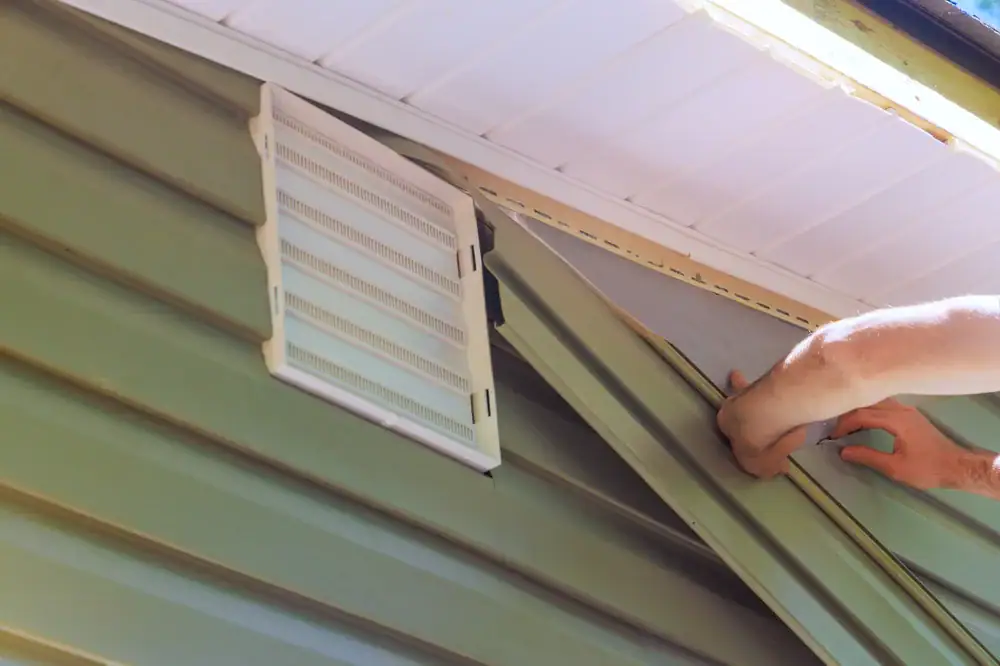
First, we come out and inspect the damage. Not just the obvious stuff, but the areas around it where problems usually hide. We check for water infiltration, look at the underlayment, and make sure the flashing is doing its job. You get a clear explanation of what’s wrong and what needs to happen.
Next, we source the right materials. If you’ve got vinyl siding from 15 years ago, we match the profile and color so the repair blends in. Same goes for wood, aluminum, or fiber cement. We don’t patch with whatever’s cheap at the hardware store.
Then we make the repair. Damaged sections come off, any wet or rotted sheathing gets replaced, and new siding goes on with proper fastening and sealing. If it’s storm damage, we can often get temporary protection up the same day and complete the full repair once materials arrive. The job’s done when your siding is watertight and built to handle Long Island weather.

Ready to get started?
Every repair starts with a full damage assessment. We don’t just fix the panel that’s cracked. We find out why it cracked, whether there’s hidden damage, and what else is vulnerable. You get a complete picture before any work starts.
The repair itself covers removal of damaged siding, replacement of any compromised underlayment or sheathing, proper flashing installation, new siding that matches your existing material, and marine-grade sealers for coastal protection. If you’re in Islip Terrace, you’re dealing with salt air that eats through standard caulk and sealant in a season. We use products designed for marine environments because they actually last.
For storm damage, we offer emergency response. That means we can get a crew out within hours, not days, and provide temporary weatherproofing while we line up the full repair. Long Island’s storm season doesn’t wait, and neither should your repairs. One day of rain behind failed siding can double your repair costs.

Most siding repairs in Islip Terrace run between $500 and $2,500, depending on the material, how much needs replacing, and whether there’s underlying damage. Small repairs where we’re replacing a few cracked vinyl panels might cost $500 to $800. Larger sections with wood siding that’s rotted, or aluminum that’s been dented and needs blending, can run $1,500 to $3,000.
The real cost driver is what’s behind the siding. If water got in and damaged your sheathing or framing, you’re looking at structural work on top of the siding replacement. That’s why catching it early matters. A $700 repair now beats a $15,000 rebuild later.
We give you a clear estimate after inspecting the damage. No surprises, no upselling. Just an honest assessment of what needs to happen and what it costs.
Yes. We stock replacement materials for the most common siding types used on Long Island homes, and we can source matches for older or discontinued profiles. Vinyl siding is usually the easiest to match because manufacturers keep consistent profiles, though color can fade over time. We blend repairs to minimize any visible difference.
Wood siding takes more care. If you’ve got cedar shakes or clapboard, we match the grain, thickness, and finish as closely as possible. Sometimes that means custom milling. Aluminum siding can be trickier if it’s an older style, but we’ve been doing this long enough to know where to find it or how to adapt what’s available.
The goal is a repair that doesn’t announce itself. You shouldn’t be able to spot where the old siding ends and the new begins unless you’re looking for it.
Small repairs usually take a day or less. If we’re replacing a few panels of vinyl siding or patching a section of aluminum, we’re often done in a few hours once materials are on site. Larger repairs, or jobs where we’re addressing water damage behind the siding, can take two to three days.
Weather plays a role. We can’t install siding in heavy rain or freezing temperatures, so timing depends on the forecast. For emergency storm damage, we prioritize getting your home weatherproofed immediately, then schedule the full repair as soon as conditions allow.
Wood siding repairs sometimes take longer because the material needs time to acclimate, and finishing work like staining or painting adds a day. We’ll give you a realistic timeline upfront so you know what to expect.
Storm damage is the biggest one. Nor’easters and coastal wind tear panels loose, crack vinyl, and dent aluminum. We also see a lot of damage from salt air corrosion, especially on fasteners and trim that weren’t designed for marine environments. Once the fasteners fail, the siding starts to pull away.
Water infiltration is the other major issue. It starts with a small crack or gap, then expands as moisture gets behind the siding and causes rot. Wood siding is especially vulnerable in Islip Terrace’s humidity. Cedar splits, paint fails, and rot spreads faster than most homeowners realize.
We also handle impact damage from falling branches, hail, and accidents. And we fix a lot of failed DIY repairs where someone used the wrong materials or installation methods and made the problem worse.
Yes. If a storm just ripped your siding off or you’ve got panels hanging loose, we can get a crew out fast. Emergency response usually means we’re on site within a few hours, and we carry materials to provide temporary weatherproofing the same day.
That temporary protection might be tarps, plywood, or quick panel replacements to stop water from getting into your walls. It’s not the final repair, but it prevents the damage from getting worse while we line up the right materials and schedule the complete job.
Islip Terrace’s location makes it a target for coastal storms, and we know how fast things escalate. One day of exposure can turn a siding repair into a wall reconstruction. We treat storm damage as urgent because it is.
It depends on your policy and the cause of damage. Most homeowners insurance covers sudden storm damage like wind tearing off panels or hail cracking siding. It usually doesn’t cover damage from deferred maintenance or gradual wear.
We can help document the damage for your claim. That means taking photos, noting what failed and why, and providing a repair estimate your insurance adjuster can review. We’ve worked with enough claims in Suffolk County to know what insurers look for.
If your claim gets approved, we work directly with you to complete the repair according to the scope your insurance agrees to cover. If it’s denied or you’re paying out of pocket, we still give you the same quality work and transparent pricing.
Other Services we provide in Islip Terrace