
Hear From Our Clients
You stop worrying about what the next storm might do. That’s the real benefit of proper siding repair.
When your siding is doing its job, water stays outside where it belongs. Your energy bills don’t spike because conditioned air isn’t leaking through gaps. And you’re not dealing with that nagging feeling every time dark clouds roll in from the Sound.
East Farmingdale homes take a beating from coastal weather. Salt air accelerates wear on vinyl and aluminum siding. Freeze-thaw cycles crack panels that were already compromised. One damaged section lets moisture reach places it shouldn’t, and suddenly you’re looking at rot, mold, or structural issues that cost thousands to remediate.
Proper house siding repair stops small problems before they become expensive ones. We’re talking about protecting your investment and your peace of mind. When the work is done right, your home looks the way it should and performs the way you need it to.
Home Team Construction serves East Farmingdale homeowners who need their siding problems solved correctly. We’re licensed contractors who understand what coastal climate does to exterior materials.
We’ve seen what happens when repairs are done by someone who doesn’t understand drainage planes or proper flashing techniques. We’ve fixed those mistakes enough times to know the difference between a quick patch and a repair that actually protects your home.
East Farmingdale’s housing stock includes plenty of homes built in the post-war boom. That means siding that’s been exposed to decades of salt air, nor’easters, and temperature swings. We know how to work with older materials and how to make repairs that hold up to what Long Island throws at them.
First, we actually show up. That shouldn’t be remarkable, but in this industry, it is.
We assess the visible damage and then check for what you can’t see. That means looking for moisture intrusion, checking behind panels where water might be trapped, and identifying whether the problem is isolated or part of a larger issue. You get a straight answer about what needs to be fixed and why.
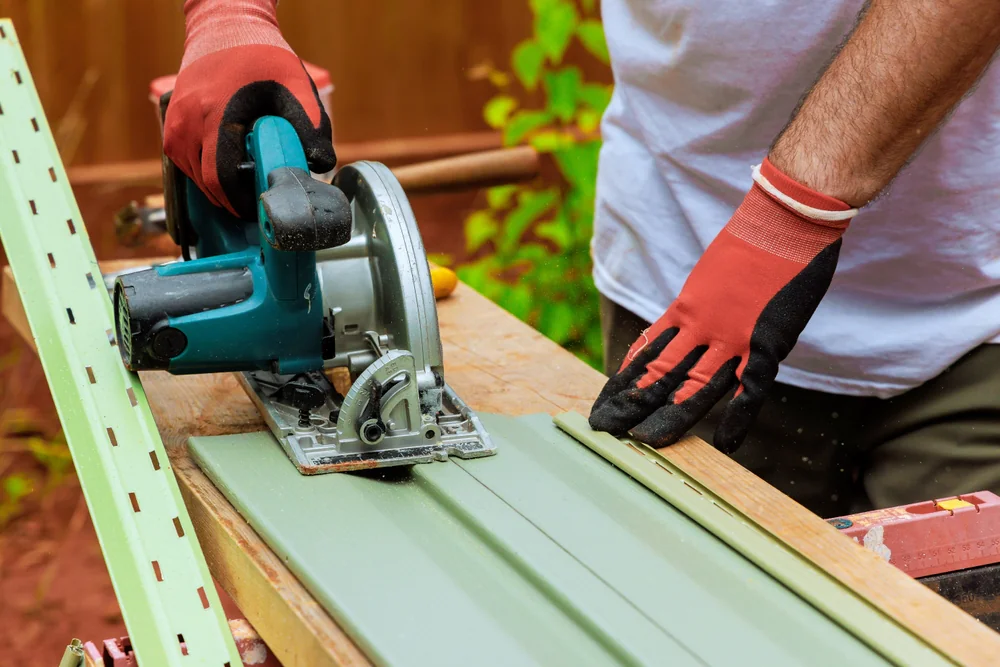
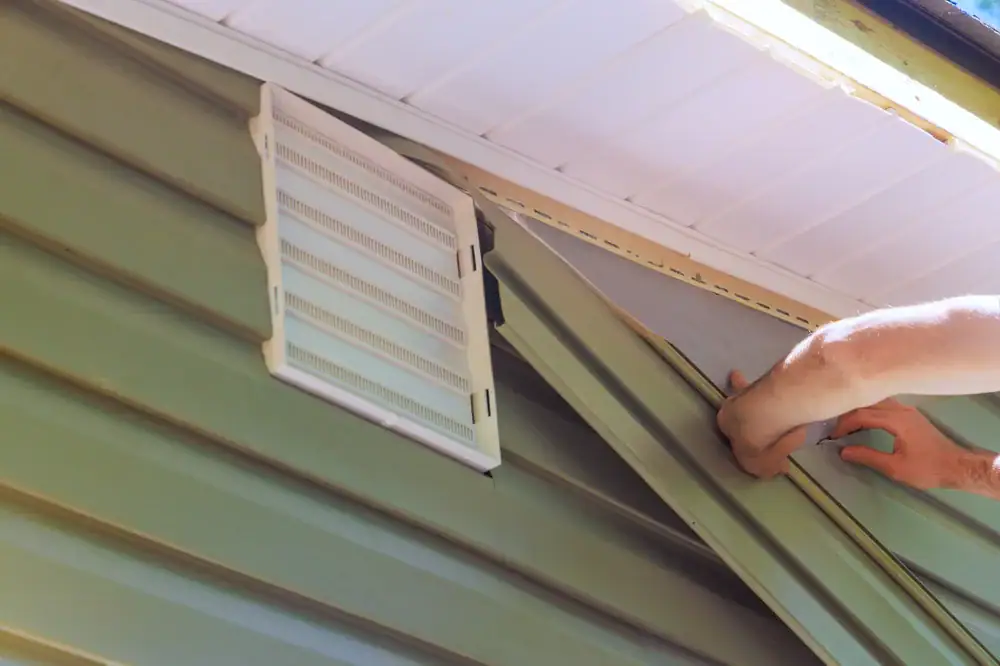
If it’s a simple vinyl siding repair where a panel cracked or came loose, we source matching material and make the fix. If we’re dealing with wood siding repair where rot has set in, we remove the damaged section, address any underlying moisture issues, and install new material that’s properly sealed and painted to match.
For aluminum siding repair, we’re looking at dents, corrosion, or panels that have pulled away from the house. The approach depends on the extent of damage and whether a repair makes more sense than replacement.
The work gets done with attention to the details that matter. Proper overlap, correct fastener placement, adequate sealing. When we’re finished, we clean up completely. Your home looks like the damage never happened, except now it’s actually protected.

Ready to get started?
You get a thorough assessment of the damage and the underlying cause. That’s important because fixing the symptom without addressing why it happened means you’ll be calling someone again in six months.
We handle vinyl siding repair, which is common in East Farmingdale homes. Cracked panels, warped sections from heat exposure, and storm damage all fall under this category. We match your existing siding profile and color as closely as possible so the repair blends in.
Wood siding repair requires a different approach. We’re checking for rot, insect damage, and moisture intrusion. Damaged sections get replaced with properly primed and sealed wood. If your cedar shakes are splitting or your clapboards are showing soft spots, we address both the cosmetic and structural aspects.
Aluminum siding repair often involves dealing with dents, corrosion from salt air, or panels that have loosened over time. We assess whether the damage can be repaired or if replacement makes more sense for long-term performance.
Every repair includes proper sealing and weatherproofing. East Farmingdale’s location means your siding needs to stand up to coastal conditions. We use materials and techniques that account for that reality.

Most siding repairs in East Farmingdale run between $400 and $3,000, depending on the material, extent of damage, and how much labor is involved. A simple fix where we’re replacing a few cracked vinyl panels might cost $400 to $800. More extensive damage that requires removing multiple sections, addressing moisture issues underneath, and installing new material can push toward $3,000 or higher.
The material matters. Vinyl siding repair is generally less expensive than wood siding repair because the material costs less and installation is more straightforward. Aluminum siding repair falls somewhere in between, depending on whether we’re dealing with dents that can be worked out or corrosion that requires panel replacement.
Location affects cost too. If the damage is on a second story or requires scaffolding to access safely, that adds to the labor component. East Farmingdale homes with complex rooflines or hard-to-reach areas will see higher estimates than simple, ground-level repairs.
The real cost consideration is what happens if you don’t fix it. Damaged siding lets moisture reach your home’s structure. That can lead to rot, mold, and insulation damage that runs $5,000 to $10,000 to remediate. Spending $1,500 now to fix the siding properly is a lot smarter than spending five times that later to fix water damage.
If the damage is localized to one area—a few cracked panels from a fallen branch, a section that got dented, or boards that rotted near a gutter leak—repair makes sense. If you’re seeing problems across multiple walls or the damage is widespread, replacement is probably the better investment.
Look at the age and overall condition of your siding. Vinyl siding typically lasts 20 to 40 years depending on quality and exposure. Wood siding might go 20 to 30 years with proper maintenance. If your siding is approaching the end of its expected lifespan and showing damage in several areas, replacing it gives you better long-term value than patching multiple spots.
Check for signs of moisture intrusion. If you’re seeing bubbling paint, soft spots when you press on the siding, or visible mold growth, water is getting behind the panels. That often means the problem is bigger than what you can see from the outside. We can assess during an inspection whether the underlying structure is compromised.
East Farmingdale’s coastal climate accelerates siding wear. Salt air causes premature fading and material breakdown. If your siding looks significantly aged, has faded unevenly, or feels brittle when you touch it, those are indicators that the material is at the end of its useful life. At that point, repair might buy you a year or two, but replacement gives you decades of protection.
We do our best to match your existing siding, but you should know that exact matches aren’t always possible, especially with older vinyl or aluminum siding. Years of UV exposure and salt air fade original siding in ways that make new material look noticeably different even when it’s the same product line.
For vinyl siding repair, we identify your siding profile and try to source matching material from the original manufacturer if they’re still producing that style. If the product has been discontinued, we find the closest match available. The repair will be noticeable up close, but from normal viewing distance, a close match blends reasonably well.
Wood siding repair gives us more flexibility. We can match the wood species, cut it to the same dimensions, and finish it with paint or stain that matches your existing color. Wood is more forgiving than vinyl when it comes to blending repairs because we control the final finish.
Aluminum siding repair presents similar challenges to vinyl. If your aluminum siding is original to a home built in the 1960s or 70s, finding exact matches is difficult. We source the closest profile and color available, and in some cases, we’ll repair a full wall section rather than a small patch to make the color difference less obvious.
The bottom line is that we’re upfront about what’s possible. If an exact match isn’t available, we tell you that before we start work so you can make an informed decision about how to proceed.
Most siding repairs take one to three days depending on the scope of work and what we find when we open things up. A straightforward vinyl siding repair where we’re replacing a few damaged panels might be done in a single day. More complex wood siding repair that involves addressing rot and replacing multiple boards typically takes two to three days.
The timeline extends if we discover underlying issues. When we remove damaged siding and find moisture damage to the sheathing or insulation underneath, we need to address those problems before installing new siding. That’s not us dragging out the job—it’s making sure the repair actually solves the problem instead of covering it up.
Weather affects the schedule too. We can’t install certain materials in rain or extreme cold because adhesives won’t cure properly and wood won’t seal correctly. East Farmingdale’s coastal location means we’re sometimes waiting for conditions to cooperate, especially during winter months or stormy periods.
We give you a realistic timeline upfront and keep you informed if anything changes. If we’re scheduled to start on Tuesday, we show up on Tuesday. If we say the job will take two days, we’re not still there the following week. The work gets done efficiently without cutting corners that would compromise the repair quality.
Salt air is the biggest culprit. East Farmingdale’s proximity to the coast means your siding is constantly exposed to salt-laden moisture that accelerates corrosion on aluminum, causes premature fading on vinyl, and breaks down protective finishes on wood. That’s why coastal homes need more frequent siding maintenance than homes further inland.
Storm damage is common. Nor’easters bring high winds that can rip loose panels, drive rain behind siding through gaps, and send debris flying into your home’s exterior. Even a small tree branch hitting your siding during a storm can crack vinyl panels or dent aluminum sections. The damage might look minor from the outside, but it compromises your home’s weather barrier.
Freeze-thaw cycles crack already compromised siding. Water gets into small gaps or behind panels, freezes when temperatures drop, expands, and makes the damage worse. This is especially problematic with vinyl siding that’s become brittle from age and UV exposure. What starts as a hairline crack becomes a full break after a few freeze-thaw cycles.
Poor installation causes problems years later. If the original siding wasn’t installed with proper drainage planes, adequate fastener spacing, or correct overlap, those mistakes show up as premature failure. We see this frequently in East Farmingdale homes where the work was done by contractors who didn’t understand coastal building requirements. The siding might have looked fine initially, but it doesn’t hold up to Long Island weather the way properly installed siding should.
We document storm damage thoroughly and provide the detailed estimates that insurance companies require, but you’re the one who files and manages the claim with your insurance company. We can’t file it for you or negotiate directly with your adjuster—that’s between you and your insurer.
What we do is assess the damage, take photos that clearly show the extent of the problem, and write up a detailed scope of work with material and labor costs broken out. That documentation gives you what you need to submit a complete claim. If your adjuster wants to inspect the damage before repairs start, we coordinate timing so they can see everything.
Sometimes adjusters lowball the estimate or miss damage that’s not immediately visible. If that happens and you want us to meet with the adjuster to walk through what actually needs to be done, we can do that. We explain why certain repairs are necessary and what the real costs are for proper restoration.
East Farmingdale sees enough storm damage that most local insurance adjusters understand coastal repair costs. But if you’re dealing with an out-of-area adjuster who doesn’t know Long Island pricing or coastal building requirements, having us involved in that conversation helps get your claim approved for the amount you actually need.
Keep in mind that insurance typically covers sudden damage from storms, not gradual deterioration from age or lack of maintenance. If your siding was already in rough shape before the storm, the insurance company might only cover the new damage, not pre-existing issues. We’re honest about what’s storm-related and what’s not so you know what to expect from your claim.
Other Services we provide in East Farmingdale