Hear From Our Clients

You stop worrying about water stains on your ceiling. You stop scheduling annual repairs that only buy you another season. You get a chimney system built with marine-grade materials that can actually handle what the coast does to masonry.
Most chimneys in Suffolk County need major work every 5 to 10 years because standard materials can’t keep up with the salt air and temperature swings. That’s not a maintenance issue—that’s a design problem. When you’re spending $900 to $2,500 on recurring repairs, replacement starts making more sense than another patch job.
A proper chimney replacement means you’re not dealing with carbon monoxide risks from a failing flue. It means your home value stays protected. And it means you can actually use your fireplace without wondering if smoke’s going to back up into your living room next winter.
We’ve been rebuilding chimneys across Nassau and Suffolk County long enough to know that what works in other parts of the country doesn’t hold up here. The freeze-thaw cycles crack standard mortar. Salt air corrodes metal components faster than most manufacturers account for. And those nor’easters find every weak point in your chimney stack.
We’re the contractors who show up when we say we will, assess what actually needs replacing (not just what’s easy to see), and give you straight answers about costs before we start. If a partial rebuild from the roofline up will solve your problem, we’ll tell you. If the whole stack needs to come down, we’ll explain why.
East Farmingdale homeowners deal with the same coastal exposure as the rest of Long Island. Your chimney’s taking the same beating from weather, and it needs the same level of attention to materials and installation that prevents you from calling someone else in three years.
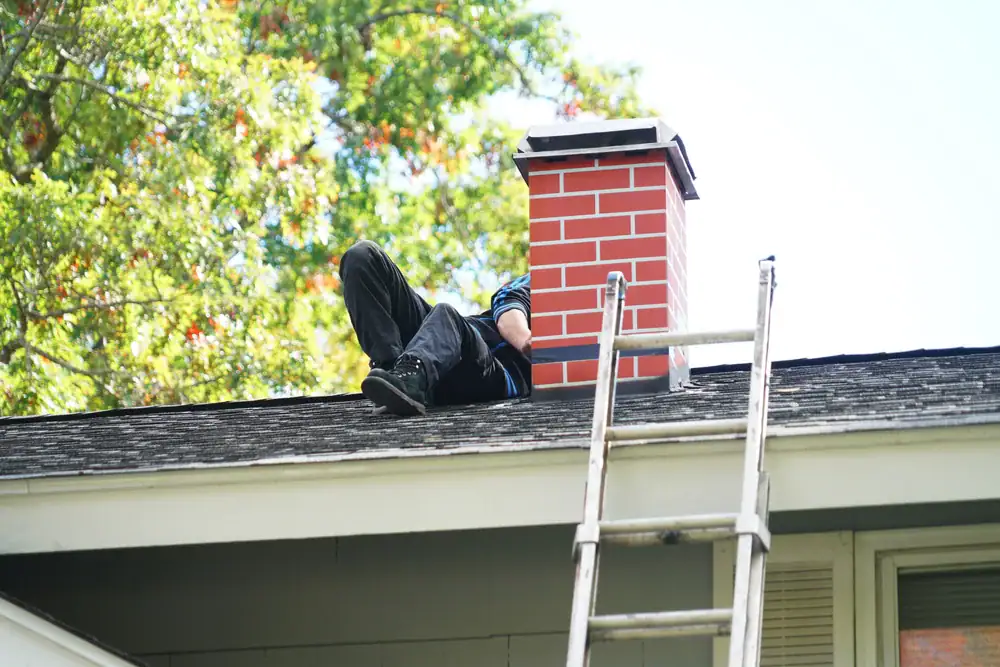
We start with an inspection that looks at your entire chimney system—not just the bricks you can see from the ground. That means checking your chimney liner, your flashing, your cap, and the mortar joints from the roofline to the crown. We’re looking for the actual source of your problems, whether that’s a cracked flue tile or failed flashing that’s letting water run down inside your walls.
Once we know what needs replacing, we walk you through the scope. If your chimney liner is shot but the stack is solid, we’ll replace the liner. If the whole structure is compromised—which happens more often than it should in coastal areas—we’ll remove the old chimney and rebuild it with materials rated for marine environments.
During the rebuild, we protect your roof, your interior, and your property. We pull permits where required. We install new flashing that’s sealed correctly the first time. And we make sure your new chimney cap, liner, and stack work together as a system designed to vent safely and last longer than the standard 15-year lifespan you’d get with basic materials.
You’ll know the timeline before we start, and you’ll know what to expect at each stage. Most full chimney replacements take several days depending on the extent of the work, but we don’t leave your home exposed or your roof open overnight.
Ready to get started?
Chimney replacement isn’t just stacking new bricks. You’re replacing a venting system that has to handle high heat, moisture, and structural loads. That means addressing every component that’s failing or at risk of failing soon.
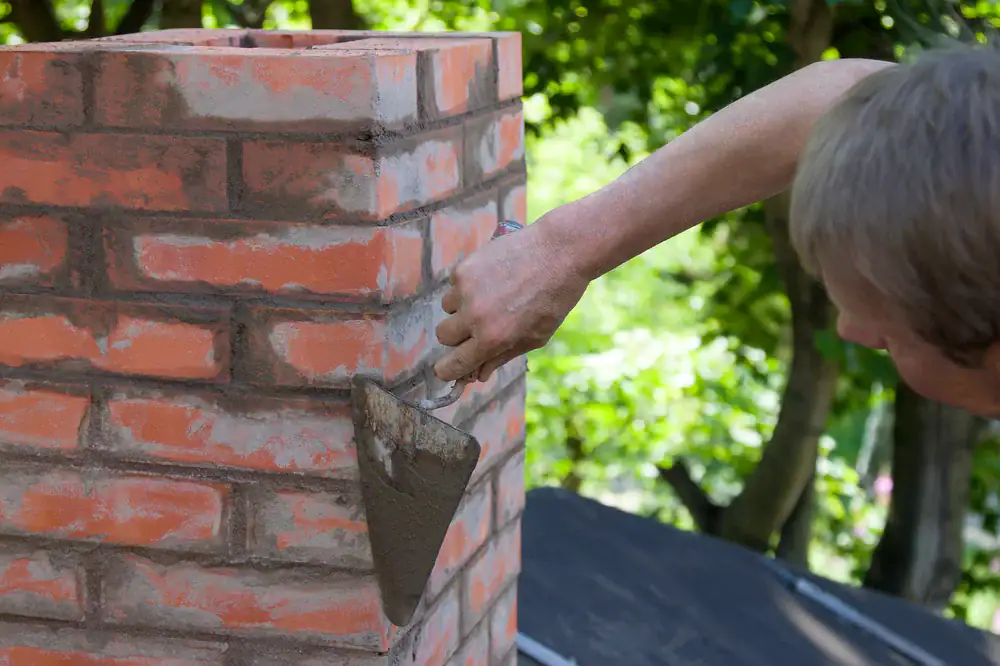
Chimney stack replacement involves removing damaged masonry and rebuilding from the roofline up—or from the foundation if the damage goes that deep. We use mortar formulated to resist salt air and freeze-thaw damage, which extends the lifespan well beyond what you’d get from standard mixes. Chimney liner replacement is part of most jobs because old clay liners crack under thermal stress, and once they crack, they can’t safely contain combustion gases. We install stainless steel liners rated for the fuel type you’re burning, whether that’s wood, gas, or oil.
Chimney flashing replacement happens during every rebuild because old flashing is usually where the leaks start. We remove the old material, install new step flashing and counter flashing, and seal it in a way that handles Long Island’s wind-driven rain. Chimney cap replacement keeps water, animals, and debris out of your flue. A quality cap with a mesh screen and a storm collar makes a measurable difference in how long your system lasts.
In East Farmingdale, your chimney is exposed to the same salt air and coastal storms that age exterior materials faster than they would inland. The materials we use account for that. The installation methods we follow account for that. And the warranties we offer reflect the fact that we’re not using the cheapest option available.

Full chimney replacement in Suffolk County typically runs between $4,000 and $15,000 depending on the height of your chimney, the extent of the damage, and what components need replacing. A partial rebuild from the roofline up costs less than a full tear-down and rebuild from the foundation. If you only need a chimney liner replacement or a chimney cap replacement, you’re looking at a smaller investment.
The cost also depends on materials. Standard masonry and basic liners are cheaper upfront but don’t hold up as well in coastal conditions. Marine-grade mortar, stainless steel liners, and properly sealed flashing cost more initially but save you from doing this again in 10 years.
Labor costs on Long Island run higher than national averages, and that’s reflected in the pricing. But you’re also paying for contractors who understand local building codes, pull the right permits, and know how to install systems that pass inspection the first time. If someone’s quoting you significantly below market rate, ask what they’re leaving out—because it’s usually the details that matter most.
If you’re scheduling repairs every few years and the costs keep adding up, replacement makes more financial sense. When the mortar joints are deteriorating faster than they should, when you’re seeing water stains inside your home near the chimney, or when your chimney liner has cracks that can’t be patched safely—those are signs that repairs are just buying time.
Chimneys in East Farmingdale face salt air, freeze-thaw cycles, and coastal storms that accelerate wear. A chimney that might last 30 years in a drier climate often needs major work in 15 to 20 years here. If your chimney is already past that point and you’re dealing with structural issues, replacing it gives you a system designed to handle local conditions instead of limping along with a structure that’s fighting the environment.
Carbon monoxide risks also factor in. If your flue is compromised and can’t safely vent gases, that’s not something you repair with a patch. You replace the liner or the entire chimney depending on what’s failed. Safety issues don’t wait for a convenient time, and they don’t get better on their own.
Most full chimney replacements take three to seven days depending on the scope of the work, the height of your chimney, and weather conditions. A partial rebuild from the roofline up takes less time than a complete tear-down and rebuild from the foundation. Chimney liner replacement on its own can often be completed in a day or two if the rest of the structure is sound.
We don’t leave your roof open overnight, and we protect your home’s interior throughout the process. If weather delays the job, we make sure everything is sealed and secure until we can continue. Permitting can add time on the front end depending on local requirements, but we handle that process so you don’t have to track it down yourself.
The best time to schedule chimney replacement in Suffolk County is late summer or early fall—after summer storms have revealed any damage and before you need your heating system running full-time. Waiting until winter means you’re either dealing with frozen conditions that slow the work or going without heat while the job gets done.
Stainless steel chimney liners are the most durable option for Long Island homes, especially if you’re burning wood or dealing with older masonry chimneys. They resist corrosion from salt air better than aluminum, and they handle the high temperatures and acidic condensation that come from wood-burning fireplaces or older oil furnaces.
If you’re venting a gas appliance, you have more options, but stainless steel still outperforms aluminum in coastal environments. The liner needs to be sized correctly for the appliance you’re venting—oversized liners don’t draft properly, and undersized liners create safety risks. A proper chimney flue replacement includes insulation around the liner if you’re installing it in an exterior chimney, which prevents condensation and improves draft.
Clay tile liners were standard for decades, but they crack under thermal stress and can’t be repaired once they fail. If your existing clay liner is intact and you’re not changing fuel types, it might be fine. But if you’re already replacing the chimney stack, installing a stainless steel liner at the same time gives you a system that lasts longer and performs better in the conditions your chimney actually faces.
Yes, most chimney replacement work in Suffolk County requires a building permit, especially if you’re doing structural work or replacing the chimney liner. Local building codes are strict, and inspections are part of the process to make sure the work meets safety standards for venting and structural integrity.
We handle the permitting process as part of the job. That includes pulling the permits, scheduling inspections, and making sure the work passes on the first review. Skipping permits might save money upfront, but it creates problems when you sell your home or file an insurance claim after storm damage. Unpermitted work can also affect your homeowner’s insurance coverage if something goes wrong.
Building codes exist for good reasons—they account for fire safety, carbon monoxide risks, and structural loads that your chimney has to support. Working with a licensed contractor who follows those codes means you’re getting a chimney system that’s built right, documented properly, and covered if issues come up later.
A properly functioning chimney system adds value because it removes a major concern for potential buyers. Homes with documented chimney problems or visible deterioration sit on the market longer, and buyers either walk away or negotiate the price down to cover the cost of replacement plus a buffer for unknowns.
When you replace your chimney before listing your home, you’re showing that the structure is sound, the venting is safe, and the system has been brought up to current code. That’s worth something in a market where buyers are already cautious about older homes and deferred maintenance. A new chimney also appeals to buyers who want to use a fireplace without worrying about carbon monoxide or smoke backing up into the house.
Insurance companies view new chimney systems more favorably, which can affect premiums and coverage terms. And if you’re planning to stay in your home, a new chimney means you’re not dealing with emergency repairs during the coldest part of winter or water damage that spreads into your walls and ceilings. The return on investment isn’t just financial—it’s also about not having to think about your chimney for the next 20 years.
Other Services we provide in East Farmingdale