
Hear From Our Clients
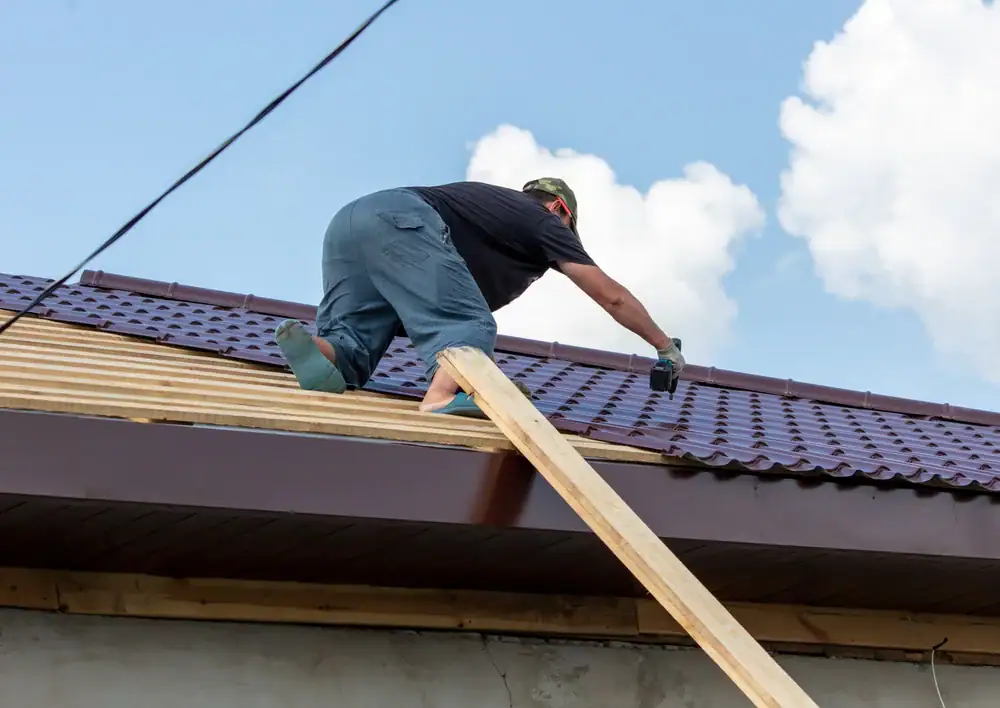
Most roofs in West Sayville were installed on homes built in the 1940s Cape Cods and ranch homes that have been through multiple roof cycles already. In a coastal climate like this, sitting directly on the Great South Bay, asphalt shingles typically last 15 to 20 years not the 25 to 30 you’d see quoted for inland homes. Salt air eats through metal flashings and degrades granules faster than any manufacturer’s spec sheet accounts for. When your roof finally gives out here, it doesn’t just leak. It can rot the decking underneath before you ever see a water stain on your ceiling.
A proper roof replacement in West Sayville means more than new shingles. It means architectural shingles rated for 110-plus mph winds because nor’easters crossing the open bay don’t slow down for three-tab shingles. It means ice and water shield at every eave and valley, because the freeze-thaw cycles Long Island sees every winter are exactly how water gets forced under a roof and into your home. It means ridge-and-soffit ventilation that handles the year-round bay-side humidity, so moisture doesn’t silently rot your decking from the inside out.
When the job is done right, you’re not just patching a problem. You’re protecting a home worth $650,000 or more one that you’ve likely lived in for years and plan to keep. That’s the outcome worth paying for.
Home Team Construction is a family-owned exterior contractor based in Mastic, Suffolk County. We’ve been working on South Shore homes for over a decade the same coastal stretch that runs from Mastic west through Oakdale and right through West Sayville. We know what the Great South Bay does to a roof because we’ve torn off hundreds of them and seen the damage firsthand.
Alban, the owner, is the person you’ll deal with from the first call to the final walkthrough. That’s not a pitch it’s just how the business runs. Neighbors in West Sayville mention him by name because he’s actually there. In a community as tight-knit as this, where word travels fast, that kind of accountability matters.
We carry full general liability insurance and workers’ compensation, pull required permits through the Town of Islip Building Division, and put every project detail in writing before work begins. No lump sums, no verbal agreements, no surprises when the invoice shows up.
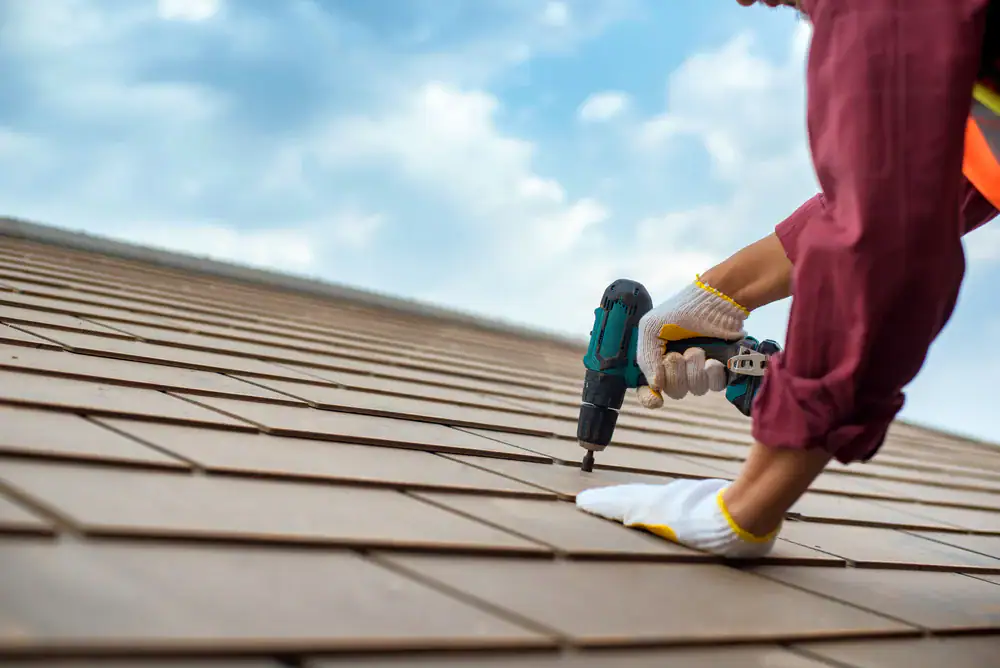
It starts with a free inspection. We get on the roof, document what we find with photos, check the decking condition, assess the flashings, and look at the ventilation setup. Then we give you a written, itemized estimate every line broken out, from tear-off and disposal to underlayment, ice and water shield, shingles, flashing, and cleanup. No lump sum. No guessing.
Once you approve the estimate, we handle the permit process through the Town of Islip Building Division. Roofline changes require a permit in Islip Town, and we take care of that before a single shingle comes off. On job day, the full tear-off happens first no overlays, no shortcuts. We pull every layer down to the decking so we can inspect it directly. If there’s rotted or soft plywood underneath which is common in West Sayville’s older 1940s-era homes after years of coastal humidity we document it, show you, and address it before anything new goes down.
Installation follows the right sequence: ice and water shield at eaves and valleys, synthetic underlayment across the full deck, new flashings at every penetration and transition, then architectural shingles rated for coastal wind loads. We finish with a full nail sweep of your yard and haul everything off the property. You’ll also receive photos of the completed work so you can see exactly what was done, even if you weren’t watching from the driveway.

Ready to get started?
Every roof replacement we do in West Sayville is a full tear-off. That means the old material comes completely off no layering new shingles over old ones, which traps moisture and masks problems in the decking. For homes in ZIP code 11796, where the housing stock dates primarily to the 1940s, that deck inspection step isn’t optional. It’s often where the real story of the roof’s condition shows up.
Standard on every job: complete tear-off and old material disposal, full deck inspection with documented findings, ice and water shield installation at all eaves and valleys, synthetic underlayment across the entire roof surface, new drip edge and step flashing, ridge and soffit ventilation assessment and correction where needed, and architectural shingles with a minimum 110 mph wind rating appropriate for West Sayville’s direct coastal exposure. Corrosion-resistant metal components are specified throughout, because salt air off the Great South Bay will degrade standard galvanized materials faster than you’d expect.
We also offer seamless gutters, siding, chimney work, skylights, and decks so if the rest of your exterior is the same age as the roof, you don’t have to manage four different contractors to get it handled. Financing is available for qualifying projects at 18 months, interest-free, for homeowners who want to move forward now rather than wait until a leak forces the issue.

In most of the country, a quality asphalt shingle roof is quoted at 25 to 30 years. In West Sayville, that number is closer to 15 to 20 and the difference comes down to where you live. Salt air drifting off the Great South Bay accelerates granule loss and corrodes metal roofing components faster than inland climates. Add in the freeze-thaw cycling Long Island sees every winter, the wind loads from nor’easters crossing open water, and the summer storm activity that hits the South Shore regularly, and you have a combination of stressors that no manufacturer’s warranty is designed around.
The practical takeaway is this: if your roof is 15 years or older and your home was built before 1970, it’s worth having it inspected. You may not have as much time left as you think. The homes on most West Sayville streets were built in the 1940s, which means many are on their third or fourth roof cycle and the signs of the end of that cycle aren’t always visible from the ground until the damage is already done inside.
For a typical West Sayville Cape Cod or ranch home a 1,200 to 1,800 square foot roof area a full tear-off replacement with quality architectural shingles, proper underlayment, ice and water shield, and new flashings runs roughly $12,000 to $20,000 in the current market. Roofing material costs have risen significantly since 2022, and that range reflects real 2025 pricing for a job done correctly with coastal-grade components.
What affects the final number most is deck condition. Older homes in the 11796 ZIP code frequently have some degree of rotted or soft plywood once the old shingles come off especially near eaves and valleys where ice dams have been working on them for years. That’s why itemized estimates matter. A lump-sum quote doesn’t tell you what happens if the deck needs partial replacement. An itemized estimate breaks out every component in advance so you understand what you’re paying for and what conditions might affect the final cost. We document deck findings with photos before any additional work is done, so there are no surprises.
West Sayville falls within the Town of Islip, and the Town of Islip Building Division requires permits for roofline changes. Standard re-roofing work replacing shingles on an existing structure without altering the roofline may not always trigger a full permit requirement, but any work involving structural changes, new penetrations, or roofline modifications does. The safest and most professional approach is to verify the current requirement with the Building Division before the job starts.
We handle the permit process as part of the project. We know the Town of Islip requirements, and we file what’s needed before work begins. This protects you not just from code violations, but from potential issues when you sell the home. A buyer’s attorney or home inspector will ask about permits. Having the paperwork in order is part of doing the job right, and it’s something every legitimate contractor serving West Sayville should be handling as a matter of course.
The honest answer depends on the age of the roof, the extent of the damage, and what the decking looks like underneath. A repair makes sense when the damage is genuinely isolated a few failed shingles after a wind event, a single flashing failure around a chimney or skylight and the rest of the roof has meaningful life left. If the roof is under 10 years old and the damage is contained, a repair is often the right call.
But for a West Sayville home where the roof is 15 years or older, repairs start to work against you. Patching sections of an aging roof that’s already losing granules, showing curling at the edges, or has questionable decking integrity just delays the inevitable and often costs more in cumulative repairs than a replacement would have. The other issue is that repairs on an old roof rarely match aesthetically, which matters when your home’s value is in the $650,000 to $750,000 range and you’re thinking about resale. We’ll tell you honestly which situation you’re in after the inspection, and we’ll show you the photos to back it up.
Three-tab shingles still found on many West Sayville homes built before 1980 are not the right choice for this location. They offer wind resistance ratings of only 60 to 70 mph, which is inadequate for a community that sits on open water and takes the full force of nor’easters and summer storms without much geographic protection. If you’re replacing a roof in West Sayville, architectural (dimensional) shingles are the appropriate minimum. Quality architectural shingles are rated for 110 to 130 mph wind resistance and provide significantly better granule adhesion, which matters in a salt air environment.
Beyond the shingle itself, the system around it matters just as much. Ice and water shield at eaves and valleys, corrosion-resistant metal flashings, and a proper ridge-and-soffit ventilation setup all affect how long the shingles actually perform. A high-rated shingle installed over inadequate underlayment and poorly ventilated decking will still fail prematurely. The material choice and the installation system have to work together that’s what a coastal-grade roof replacement actually means.
After a major storm like the August 2024 flooding that caused widespread damage across Suffolk County West Sayville sees an influx of out-of-area contractors canvassing neighborhoods and offering fast quotes. Some are legitimate. Many are not. The things worth verifying before you sign anything: confirm the contractor carries general liability insurance and workers’ compensation coverage, and ask to see the certificates directly. Confirm they are licensed or registered as a home improvement contractor in New York. Under state law, any home improvement contract over $500 must be in writing and must include the contractor’s license or registration number.
Beyond the paperwork, pay attention to how the estimate is presented. A lump-sum number with no line-item breakdown is a red flag it gives you no way to compare what’s included or understand what happens if additional work is needed. Ask how long the company has been operating in Suffolk County specifically, not just “on Long Island.” A contractor with a verifiable decade of history serving South Shore communities is a fundamentally different risk profile than one that appeared after a storm. In West Sayville, reputation is built over years of showing up and doing the work right and the contractors who have earned that reputation are the ones worth calling.
Other Services we provide in West Sayville