Hear From Our Clients

Your chimney isn’t just old. It’s dealing with conditions most inland homes never face—salt air that corrodes metal components three times faster, nor’easters that drive rain sideways into masonry, and freeze-thaw cycles that crack mortar joints every winter.
Constant repairs don’t fix the underlying problem. You’re patching a system that’s already compromised by decades of coastal exposure. Every patch is a temporary fix on a structure that’s breaking down from the inside out.
A proper chimney replacement eliminates the repair cycle completely. You get marine-grade materials built specifically for Long Island’s climate, professional installation that accounts for wind-driven rain and salt air corrosion, and warranties that actually mean something. No more emergency calls during storms. No more water stains spreading across your ceiling. Just a chimney system that does its job without constant attention.
Most West Islip homes were built in the 1960s. If your chimney is original, you’re not being paranoid about replacement—you’re being realistic about what 60 years of coastal weather does to masonry.
Home Team Construction has spent years working on Long Island homes, which means we’ve seen what happens when chimneys aren’t built for this climate. We’ve rebuilt systems that failed after five years because someone used standard materials in a coastal environment. We’ve replaced chimneys that were “repaired” so many times the homeowner lost count.
West Islip sits right on the Great South Bay. That proximity means your home takes a beating from weather that would barely register inland. We account for that in every replacement—from the flashing we use to how we seal penetrations against wind-driven rain.
You’re not hiring a general contractor who does chimneys on the side. You’re hiring licensed professionals who understand Suffolk County building codes, work directly with insurance companies on storm damage claims, and back our work with real warranties. We’ve been doing this long enough to know what works and what fails when the next big storm rolls through.
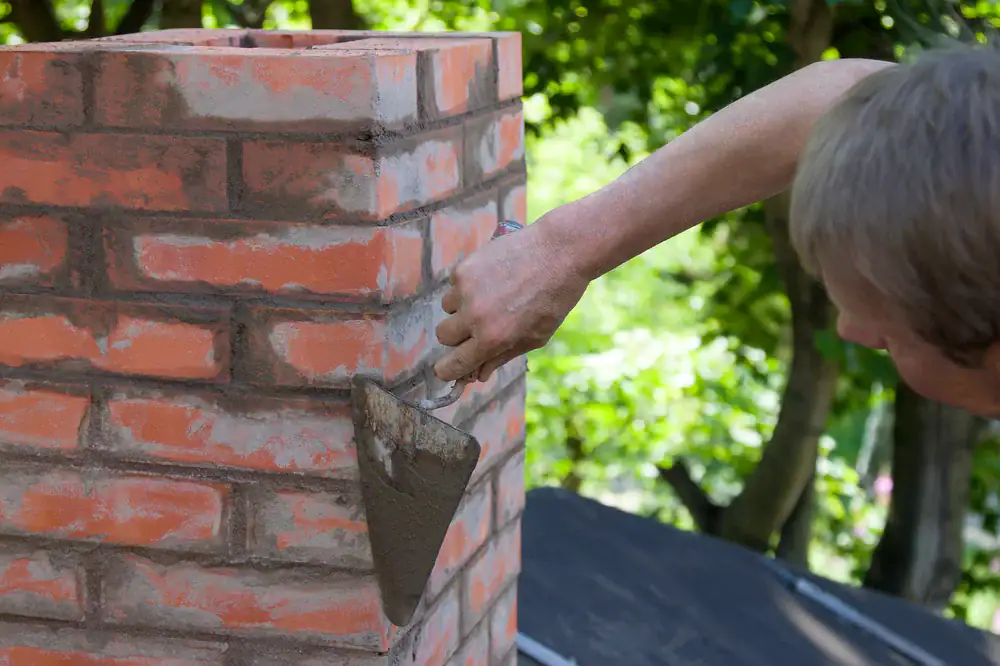
First, we inspect the entire chimney system—not just what’s visible from the roof. That means checking the flue liner for cracks, examining the chimney crown for deterioration, and looking at how the flashing integrates with your roof. Most problems start where you can’t see them.
Once we know what we’re dealing with, you get a detailed estimate that breaks down exactly what needs replacing and why. We’re not upselling you on a full replacement if a chimney cap replacement or chimney liner replacement would actually solve the problem. But if the masonry is compromised, the flue is cracked, or the structure is leaning, we’re going to tell you straight.
During the replacement, we remove the old chimney down to the roofline or foundation, depending on what the inspection revealed. Then we rebuild using materials rated for coastal exposure—marine-grade flashing, weather-resistant mortar, and properly sized flue liners that meet current code. We’re not just rebuilding what was there. We’re building something better.
The whole process typically takes several days, depending on chimney height and weather. We protect your roof with tarps, contain debris, and clean up completely when we’re done. You shouldn’t have to deal with our mess after we leave.

Ready to get started?
A complete chimney replacement includes the chimney stack replacement from roofline up, a new chimney crown that’s properly sloped and sealed, chimney flashing replacement with marine-grade materials, and a new chimney flue replacement sized correctly for your heating system. You also get a chimney cap replacement with mesh screening to keep out animals and rain.
West Islip homes face specific challenges that require specific solutions. The salt air from Great South Bay accelerates metal corrosion, so we use stainless steel components rather than galvanized steel that rusts out in a few years. The freeze-thaw cycles crack standard mortar, so we use formulations designed for coastal exposure. The wind-driven rain during nor’easters finds every gap in poorly installed flashing, so we seal penetrations properly the first time.
Most replacements also include repointing the chimney base if it’s staying, repairing any roof decking damaged by previous leaks, and coordinating with your insurance company if storm damage triggered the replacement. We handle the paperwork, take the photos adjusters need, and make sure you get the coverage you’re entitled to.
You’re not just getting a new chimney. You’re getting a system designed to handle everything Long Island throws at it for the next 30 years.

Complete chimney replacement typically runs between $8,000 and $15,000 in West Islip, depending on chimney height, accessibility, and what materials your home needs. A single-story ranch with a short chimney costs less than a two-story colonial with a chimney running up the center of the house.
That price includes demolition of the old chimney, disposal of debris, rebuilding the stack with new masonry, installing a new flue liner, replacing all flashing with marine-grade materials, adding a new chimney crown and cap, and cleaning up completely when we’re done. It doesn’t include repairs to interior walls if we’re removing a chimney that runs through the house, or structural work if the chimney base needs rebuilding.
Most insurance policies cover chimney replacement if storm damage caused the failure. We work directly with insurance companies, document everything adjusters need to see, and help you navigate the claims process. If your chimney is leaning after a storm or the crown cracked during a freeze, you might not be paying out of pocket.
The cost of doing nothing is higher. A failing chimney leaks water into your walls, risks carbon monoxide entering your home, and creates a fire hazard if the flue is cracked. Emergency repairs during a storm cost more than planned replacement, and you still end up replacing it eventually.
A properly built chimney using marine-grade materials should last 30 to 50 years in West Islip, even with coastal exposure. That assumes regular maintenance—annual inspections, cleaning when needed, and addressing small issues before they become big problems.
The chimneys that fail early are usually built with materials that can’t handle salt air and freeze-thaw cycles. Standard galvanized flashing rusts out in 10 years near the coast. Regular mortar cracks when water freezes inside it every winter. Undersized or damaged flue liners let heat and gases deteriorate the masonry from the inside.
We build for Long Island’s climate specifically. That means stainless steel flashing that resists salt air corrosion, mortar formulations designed for freeze-thaw exposure, properly sized flue liners that keep heat away from combustible materials, and chimney crowns with enough slope to shed water instead of pooling it.
Your chimney’s lifespan also depends on how you use it. A decorative chimney that vents a gas insert lasts longer than one connected to a wood-burning fireplace you use every weekend. Creosote buildup, thermal stress from frequent fires, and lack of cleaning all shorten chimney life. But the structure itself—if built correctly—outlasts most other exterior components on your home.
Sometimes, yes. If the damage is limited to the chimney cap, crown, or flashing, repair makes sense. If the masonry is structurally sound and only the flue liner needs replacing, we can reline the chimney without tearing down the stack.
But repair isn’t always the right call. If the chimney is leaning, the mortar joints are deteriorating throughout the structure, or the masonry has cracks that run through multiple courses of brick, you’re putting money into something that’s going to fail anyway. Coastal exposure accelerates deterioration, so a chimney that looks okay from the ground might be compromised where you can’t see it.
Here’s the reality: if you’re repairing the same chimney every few years, replacement costs less in the long run. A $1,500 repair that buys you two years of use becomes $7,500 over a decade—and you still need replacement eventually. A $12,000 replacement done right lasts 30 years with minimal maintenance.
We’ll tell you honestly whether repair makes sense for your situation. If your chimney just needs a new cap and some repointing, we’re not going to sell you a full replacement. But if the structure is failing, patching it is throwing money away. You deserve to know the difference before you decide.
Call us immediately. We provide emergency tarping to prevent further water damage while we assess the situation and work with your insurance company. A failing chimney during a nor’easter or hurricane can dump water into your home, damage your roof structure, and create unsafe conditions.
Emergency response focuses on containment first. We tarp the opening, document the damage with photos, and make sure your home is protected from additional water intrusion. Then we inspect the chimney to determine whether it needs immediate removal or if temporary stabilization is possible until weather allows for proper replacement.
Most homeowners insurance policies cover sudden storm damage to chimneys. We’ve worked with every major insurance carrier in Suffolk County, know what documentation they require, and can walk you through the claims process. You’ll need photos of the damage, an estimate for replacement, and sometimes an engineer’s report if the chimney is structurally compromised.
The worst thing you can do is wait. Water damage spreads quickly once your chimney is open to the elements. Mold grows in damp walls. Roof decking rots. What starts as chimney damage becomes a much bigger problem if you don’t address it immediately. We respond fast because we know how much damage a few days of exposure can cause during Long Island storms.
Yes. Any chimney replacement in West Islip requires a building permit from the Town of Islip, and the work needs to be done by licensed contractors who understand local building codes. The permit process ensures your new chimney meets current safety standards, is properly sized for your heating system, and won’t create hazards.
We handle all permitting as part of the replacement process. That includes submitting plans to the building department, scheduling required inspections, and making sure everything passes before we consider the job complete. You shouldn’t have to navigate town bureaucracy—that’s our job.
Suffolk County has specific requirements for chimney construction that go beyond general building codes. Flashing must be installed correctly to handle wind-driven rain. Flue liners must be sized according to the appliances they’re venting. Chimney height must meet minimum clearances above the roofline. Inspectors check all of this, and work that doesn’t pass costs you time and money to fix.
Unlicensed contractors often skip permits to save time or because their work won’t pass inspection. That creates liability for you if something goes wrong, voids your homeowners insurance if there’s a fire or carbon monoxide incident, and makes your home harder to sell when buyers discover unpermitted work. It’s not worth the risk to save a few hundred dollars on permit fees.
Schedule a professional inspection. Visual signs like leaning, large cracks in the masonry, crumbling mortar joints, or water stains inside your home suggest serious problems, but the real damage is often hidden inside the flue or behind the brick facade.
During an inspection, we check the flue liner for cracks using a camera, examine the chimney crown for deterioration, test the flashing for proper installation, and look at the overall structural integrity of the stack. We’re checking for things you can’t see from the ground—internal damage that compromises safety even if the chimney looks fine externally.
Maintenance handles minor issues before they become major problems. Repointing deteriorating mortar joints, replacing a damaged chimney cap, or sealing a cracked crown extends chimney life and prevents water intrusion. Annual cleaning removes creosote buildup that causes chimney fires. These are normal upkeep items for any chimney.
Replacement becomes necessary when the structure itself is failing—when the masonry is compromised throughout, the flue liner is cracked and can’t be relined, or the chimney is leaning due to foundation issues. At that point, repair is just delaying the inevitable. A thorough inspection tells you exactly where your chimney stands and what it needs. No guessing, no upselling—just honest assessment based on what we actually find.
Other Services we provide in West Islip