
Hear From Our Clients

Your chimney stops leaking when it’s rebuilt correctly the first time. You stop worrying about carbon monoxide seeping through cracked flue liners or bricks crumbling during the next winter storm.
A proper chimney replacement means you’re not patching the same problem every few years. You get a structure designed for Suffolk County’s weather—stainless steel liners that resist moisture, marine-grade caps that don’t rust out in two seasons, and masonry work that handles freeze-thaw cycles without cracking.
When your heating system runs, smoke goes up and out like it should. Your home stays warm without drafts pulling heat up a damaged flue. You’re not calling for emergency repairs when temperatures drop or after the next nor’easter rolls through. The work holds because it’s built for exactly where you live.
Home Team Construction has spent over a decade rebuilding chimneys across Suffolk County. Every crew member is licensed, insured, and lives in the area—so the quality of work reflects directly on us locally.
Mattituck homes face unique challenges. Salt air from the Long Island Sound accelerates deterioration. Winter freeze-thaw cycles crack mortar joints faster than inland properties. Standard materials fail quickly here, which is why we only use coastal-grade components designed for marine environments.
You get clear estimates before work starts. No surprises, no runaround. Just honest communication about what your chimney needs and what it’ll cost to fix it right.
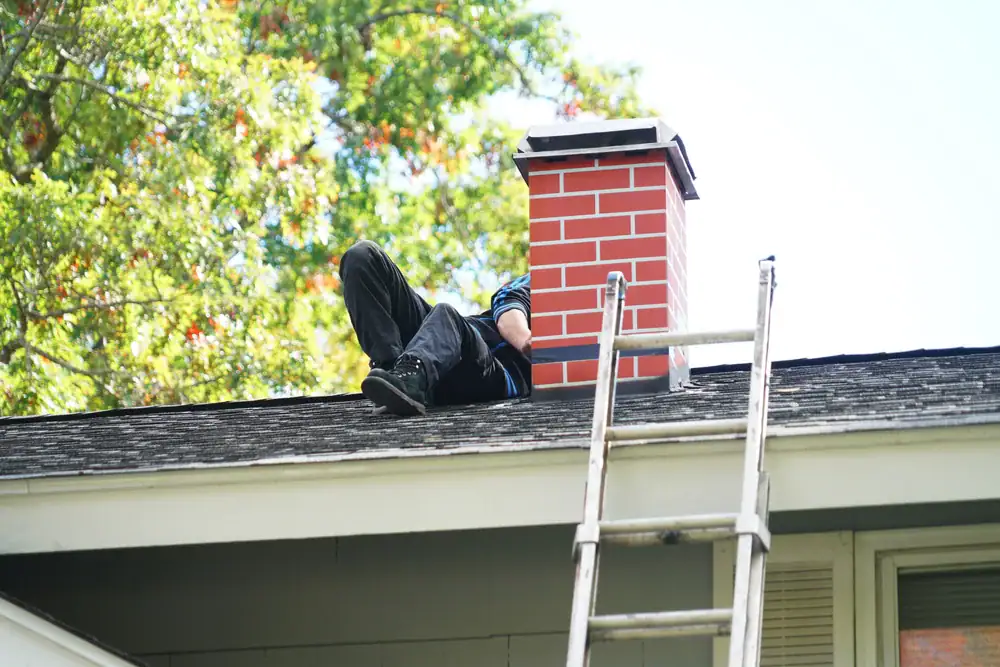
First, we inspect your chimney from foundation to crown. We’re looking at structural damage, liner condition, flashing integrity, and whether the masonry can be repaired or needs full replacement. You get photos and a clear explanation of what’s wrong and why.
If replacement makes sense, we give you an upfront estimate that covers everything—demolition, disposal, new liner installation, masonry rebuild, chimney cap replacement, flashing, and cleanup. No add-ons later unless you approve them first.
During the job, we protect your roof and property. Old materials come down carefully. New construction goes up using stainless steel liners rated for coastal conditions, properly mixed mortar that handles moisture, and caps that won’t corrode. We handle permits, inspections, and all the technical details.
When we’re done, you get a chimney that drafts correctly, doesn’t leak, and stands up to Long Island weather. We clean up completely and walk you through the finished work so you know exactly what was done.

Ready to get started?
A complete chimney replacement covers everything from below the roofline to the crown. That includes removing damaged masonry, installing new stainless steel flue liners designed for coastal environments, rebuilding the chimney stack with properly sealed mortar joints, and adding marine-grade caps and flashing.
In Mattituck, standard galvanized materials fail fast. Salt particles from coastal winds penetrate brick and mortar, causing accelerated deterioration that inland homes don’t face. We use stainless steel or copper components that resist corrosion and hold up to the humidity and salt exposure your property deals with year-round.
Chimney liner replacement is critical for safety. Old clay tile liners crack over time, letting carbon monoxide and combustion gases seep into your home. Modern stainless steel liners provide a sealed pathway for exhaust, better insulation, and improved draft—especially important for older Long Island homes where original liners have deteriorated beyond repair.
Chimney flashing replacement happens during every rebuild. Old flashing is where most leaks start, and improper installation causes water damage to roof decking and interior walls. We install step flashing and counter flashing correctly so water sheds away from the chimney base, preventing the rot and mold issues common in coastal homes.

Complete chimney replacement in Mattituck typically runs between $4,000 and $15,000 depending on height, accessibility, and how much structural work is needed below the roofline. A straightforward chimney stack replacement on a single-story home costs less than rebuilding a two-story chimney with extensive foundation damage.
Coastal properties often need more extensive work than inland homes. Salt air corrosion, moisture exposure, and freeze-thaw cycles cause faster deterioration, which means you’re more likely to need full replacement rather than partial repairs. Chimney liner replacement alone costs $1,500 to $4,000, while chimney cap replacement runs $300 to $600 for marine-grade materials that actually last.
We give you a clear estimate upfront that breaks down labor, materials, disposal, and any permit fees. You’ll know exactly what you’re paying for before work starts, and we don’t add surprise charges later unless you approve additional work we discover during the job.
Most chimney replacements take three to five days depending on weather, chimney height, and the extent of structural damage. We can’t work in heavy rain or high winds, which matters on Long Island where coastal storms roll through regularly during fall and winter.
The process involves tearing down old masonry, disposing of debris, installing new liners and flashing, rebuilding the stack, and finishing with caps and crowns. Each step needs proper curing time, especially mortar work in humid coastal conditions. Rushing the job leads to problems later—weak joints, improper sealing, and premature failure.
We schedule around your life and Long Island’s weather patterns. September through early October is ideal because it’s after summer storms and before heating season starts in November. Spring works too, after winter reveals freeze-thaw damage but before summer humidity makes mortar curing difficult. We’ll give you a realistic timeline based on your specific job and current weather forecasts.
Salt air is the biggest culprit. Coastal winds carry salt particles that settle on masonry surfaces and penetrate brick and mortar joints. Salt attracts moisture, which accelerates deterioration and causes faster breakdown than chimneys face inland. Standard materials that work fine in other parts of New York fail quickly here.
Freeze-thaw cycles hit harder near the coast because of higher humidity. Water gets into small cracks, freezes, and expands by about 9 percent. That expansion creates internal pressure that weakens bricks and mortar from the inside out. After years of repeated freezing and thawing, structural integrity fails and you’re looking at replacement instead of repair.
Nor’easters and hurricanes also take a toll. High winds, driving rain, and rapid temperature changes stress chimney structures in ways that don’t happen in calmer climates. Mattituck properties need chimneys built specifically for these conditions—marine-grade materials, proper flashing, sealed crowns, and liners designed to handle moisture and salt exposure over decades.
Sometimes, yes—but not always. Minor damage like small cracks, loose bricks, or a deteriorated crown can often be repaired if the structure is still sound. Chimney cap replacement, repointing mortar joints, or fixing flashing might be enough if you catch problems early.
Full replacement becomes necessary when structural damage is extensive. If the chimney is leaning, if large sections of masonry are crumbling, if the flue liner is severely cracked, or if there’s significant damage below the roofline, repairs won’t hold. Patching a failing chimney just delays the inevitable and often costs more in the long run than replacing it correctly the first time.
During our inspection, we’ll tell you honestly whether repair makes sense or if replacement is the smarter move. We’re not interested in selling you work you don’t need, but we also won’t recommend a repair that’ll fail in two years. You’ll get a straight answer based on what we see and what’ll actually protect your home long-term.
Yes. Any structural work on a chimney in Suffolk County requires a building permit, and the work needs to meet local building codes and fire safety standards. Permits ensure the job is done correctly and inspected by qualified officials who verify proper construction and safety compliance.
We handle all permit applications and scheduling inspections as part of the job. You don’t need to deal with the town building department or figure out what paperwork is required. We know local codes, what inspectors look for, and how to get approvals without delays.
Working without permits creates problems when you sell your home. Unpermitted work shows up during home inspections and can kill deals or force you to tear out and redo the work at your expense. It also voids insurance coverage if there’s ever a chimney fire or structural failure. Doing it right the first time with proper permits protects your investment and gives you documentation that the work meets code.
Chimney liners create a safe pathway for exhaust gases and protect your home from carbon monoxide poisoning and chimney fires. Old clay tile liners crack over time, especially in coastal environments where moisture and salt exposure accelerate deterioration. Those cracks let dangerous gases seep into living spaces and allow heat to reach combustible materials in your walls.
Modern stainless steel liners resist corrosion and moisture far better than clay tiles. They’re specifically designed for coastal conditions and provide better insulation, which improves draft and makes your heating system more efficient. A properly sized and installed liner also prevents creosote buildup that causes chimney fires—a serious risk in older Long Island homes with deteriorated original liners.
Chimney flue replacement with stainless steel is standard during any full chimney replacement we do in Mattituck. It’s not optional if you want a safe, code-compliant system. The liner is literally what keeps combustion gases out of your home and prevents fires from starting inside your walls. Skipping this step or using substandard materials creates liability and danger that no homeowner should accept.
Other Services we provide in Mattituck