
Hear From Our Clients

You’re not just getting a new chimney. You’re getting a system that actually works through Long Island winters without leaking, without drafting poorly, and without putting your family at risk.
A proper chimney replacement means no more water stains spreading across your ceiling in February. No more cold air pouring down when you’re trying to heat the house. No more wondering if that crack you’ve been watching is about to become a four-figure emergency.
You’ll have a chimney built for coastal conditions—salt air, freeze-thaw cycles, heavy snow loads. One that meets Suffolk County codes, passes inspection, and keeps your insurance company happy. Most importantly, you’ll stop worrying every time the temperature drops or the wind picks up.
Home Team Construction works throughout Stony Brook, NY and the surrounding Suffolk County area. We’re licensed, insured, and we’ve replaced enough chimneys on Long Island to know what holds up and what doesn’t.
We’re not the guys who show up, quote you for a patch job, then disappear when the real problem shows up. We do the work right, we explain what we’re doing, and we don’t leave until it’s done correctly.
If you’re in Stony Brook or anywhere near Brookhaven, we’ve probably worked on a house like yours. We know the building codes, the permit process, and what materials actually last in this climate.
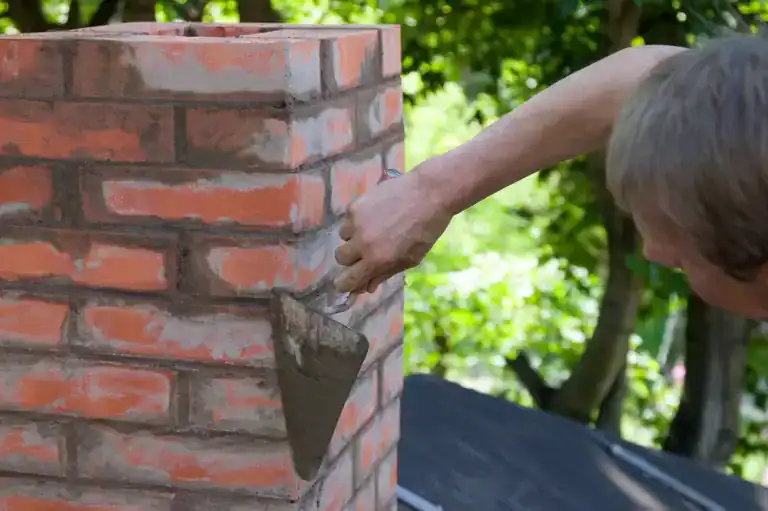
First, we come out and assess what you’re dealing with. Not every chimney needs a full replacement, but if yours does, we’ll tell you exactly why and what it’s going to take to fix it.
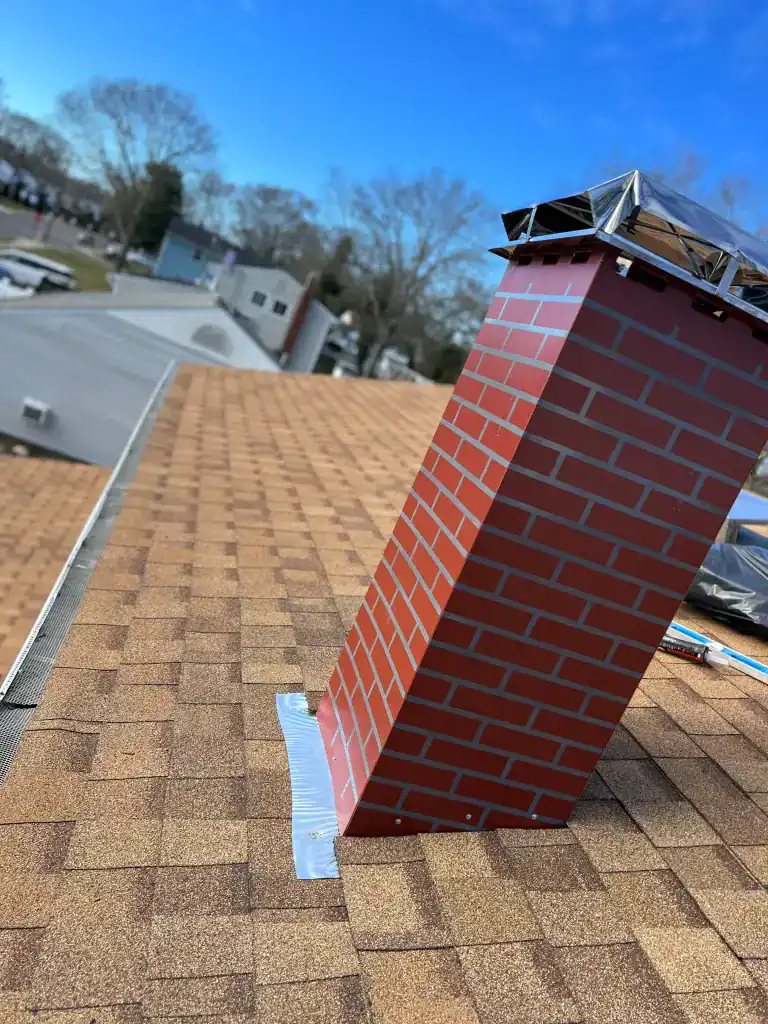
Once we’re on the same page, we pull permits and schedule the work. We protect your roof, remove the old chimney down to the roofline or further if needed, and rebuild from there. That includes new masonry or prefab stack, a stainless steel liner if you’re running a furnace or fireplace, proper flashing, a chimney cap, and a crown that actually sheds water.
We’re talking about chimney liner replacement, chimney flue replacement, chimney flashing replacement—the whole system. If your chimney cap replacement is overdue or your stack is crumbling, we handle that too. Everything gets built to code, inspected, and sealed up so you’re not dealing with leaks or drafts down the road.
Ready to get started?
You’re getting a complete rebuild designed for Long Island’s coastal climate. That means marine-grade materials, stainless steel liners that won’t corrode in salt air, and masonry or metal stacks built to handle freeze-thaw cycles without cracking.
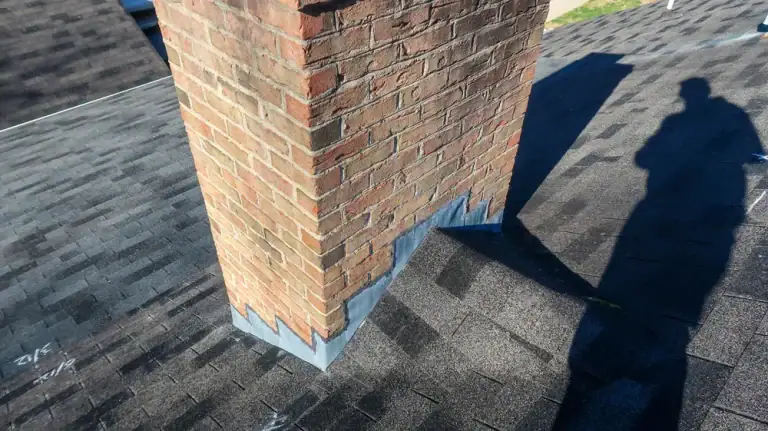
We’re also addressing the stuff that causes problems in Stony Brook homes—improper flashing that lets water into your attic, undersized flues that don’t draft correctly, and chimney caps that either rusted out or were never installed in the first place. A full chimney stack replacement includes tearing out the old structure, rebuilding with proper wall thickness and clearance, and making sure everything is sized correctly for your heating system.
If you’ve got a home built in the 60s or 70s like most of the housing stock around here, there’s a good chance your chimney wasn’t built to current standards. We bring it up to code, get it inspected, and make sure it’s going to last another 50 years. You’ll also get documentation for your insurance company, which matters more than most people realize until they file a claim.
Most full chimney replacements in Suffolk County run between $8,000 and $15,000, depending on height, materials, and whether you need a new liner or flue system. If you’re just replacing a chimney cap or doing a partial stack rebuild, you’re looking at less.
The range is wide because every house is different. A single-story ranch with a short chimney and a gas furnace is going to cost a lot less than a two-story colonial with a full masonry stack and a wood-burning fireplace. Add in things like difficult roof access, chimney flashing replacement, or structural repairs to the roofline, and the price goes up.
We give you a detailed estimate upfront so there’s no confusion. You’ll know exactly what you’re paying for and why.
Most chimney replacements take two to five days, depending on the scope of work. A straightforward rebuild on a ranch might be done in two days. A full masonry stack on a two-story home with a new stainless steel liner and flashing work could take closer to a week.
Weather plays a role, especially in winter. We’re not going to rush a job just to hit a deadline if conditions aren’t right. Masonry needs time to cure, flashing needs to be sealed properly, and we’re not leaving your roof open to the elements overnight.
You’ll have a clear timeline before we start, and we’ll keep you updated if anything changes. Most of our clients are surprised by how fast it goes once we’re on site.
Yes. Any structural work on a chimney in Suffolk County requires a building permit, and the finished work needs to pass inspection. We handle the permit process for you, so you’re not dealing with the town building department.
This isn’t just a formality. The inspection ensures your chimney meets current fire codes, is properly lined, and won’t create a safety hazard. It also protects you if you ever sell the house—buyers and their inspectors will want to see that the work was done legally.
Some contractors skip permits to save time or avoid scrutiny. That’s a red flag. If the work isn’t permitted and something goes wrong, your insurance company can deny a claim. We pull permits on every job.
Repair means fixing specific problems—repointing mortar joints, replacing a damaged chimney cap, sealing cracks in the crown. Replacement means tearing out the old chimney and rebuilding it, usually because the damage is too extensive to patch.
If your chimney has a few cracks or some missing mortar, repair might be enough. But if the structure is leaning, the flue liner is cracked and leaking gases, or water damage has compromised the masonry, you’re looking at a replacement. Trying to repair a chimney that’s fundamentally unsound is throwing money away.
We’ll tell you honestly which one you need. If a repair will actually solve the problem, we’ll do that. But if you need a full chimney liner replacement or chimney flue replacement because the system is failing, we’re not going to sell you a temporary fix.
It depends on what caused the damage. If your chimney was damaged by a sudden event like a storm, lightning strike, or fire, insurance will usually cover it. If it’s failing due to age, neglect, or lack of maintenance, probably not.
Insurance companies in Suffolk County often require annual chimney inspections, especially if you have a wood-burning fireplace. If you haven’t kept up with inspections and sweeping, they can deny a claim even if the damage was caused by a covered event. That’s why documentation matters.
We provide detailed invoices and work records that you can submit to your insurance company. If you’re filing a claim, we can also work with adjusters to make sure the scope of work is accurate. Just don’t expect insurance to cover a replacement if the chimney has been deteriorating for years and you didn’t address it.
Stainless steel liners and marine-grade flashing hold up best in Long Island’s coastal climate. For the chimney stack itself, you’re choosing between masonry and prefab metal systems, and both can last 50+ years if installed correctly.
Salt air is brutal on chimneys. Aluminum and galvanized steel corrode fast, which is why we use stainless steel for liners and caps. For flashing, we use materials that won’t break down when exposed to moisture and temperature swings. Cheap flashing is one of the main reasons chimneys leak, and it’s one of the first things we replace during a rebuild.
Masonry looks traditional and adds value, but it requires proper construction—full-bed mortar joints, the right brick or stone, and a concrete crown that actually sheds water. Prefab systems are faster to install and work well for homes with gas furnaces or modern heating systems. We’ll walk you through the pros and cons based on your house and your budget.
Other Services we provide in Stony Brook University