
Hear From Our Clients
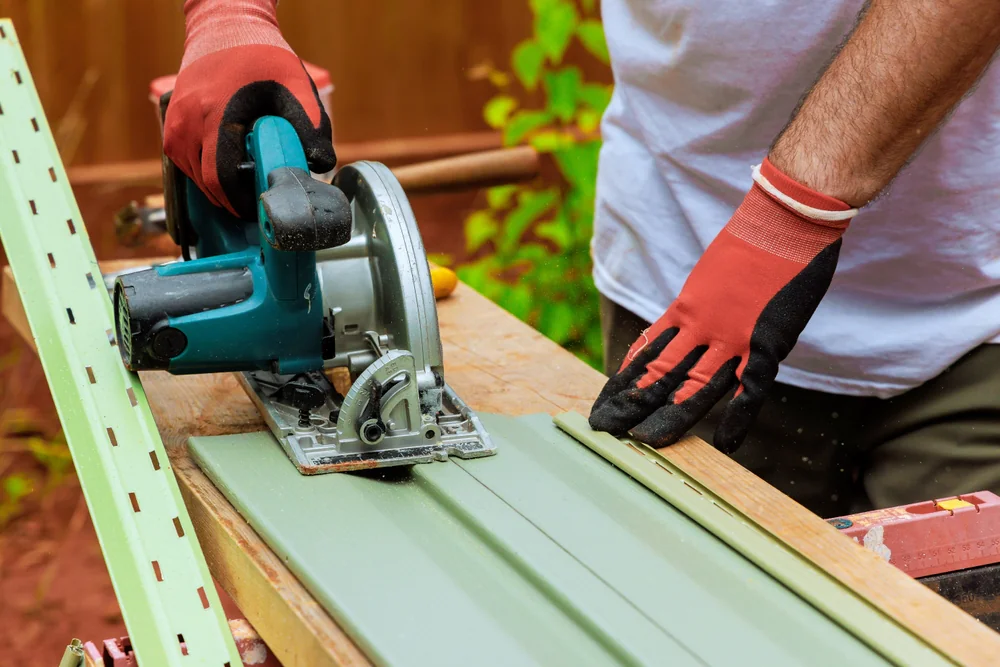
That crack in your vinyl siding isn’t just ugly. Water’s already getting behind it, soaking into your wall sheathing, creating the perfect environment for mold and rot you can’t see yet.
Every day you wait, that small problem grows. What starts as a $300 repair turns into a $3,000 structural nightmare when the framing starts to fail. You’ve seen it happen to neighbors—the ones who thought they had time.
Professional siding repair stops the damage where it is. You get a watertight seal, proper flashing, and materials rated for coastal exposure. No more wondering if the next storm will make things worse. Just a home that’s protected the way it should’ve been from the start.
Home Team Construction has spent over a decade working on North Fork homes. We’re licensed, insured, and we’ve repaired siding on everything from historic Southold village colonials to newer builds along the waterfront.
We know what nor’easters do to house siding here. We know how salt air accelerates aging and why certain materials fail faster in coastal humidity. That’s not something you learn from a manual—it’s what happens when you’ve actually done the work in this specific environment.
You’re not getting a crew that Googles “how to repair aluminum siding” in the truck. You’re getting contractors who’ve seen the same damage patterns on hundreds of Southold homes and know exactly how to fix them so they don’t come back.
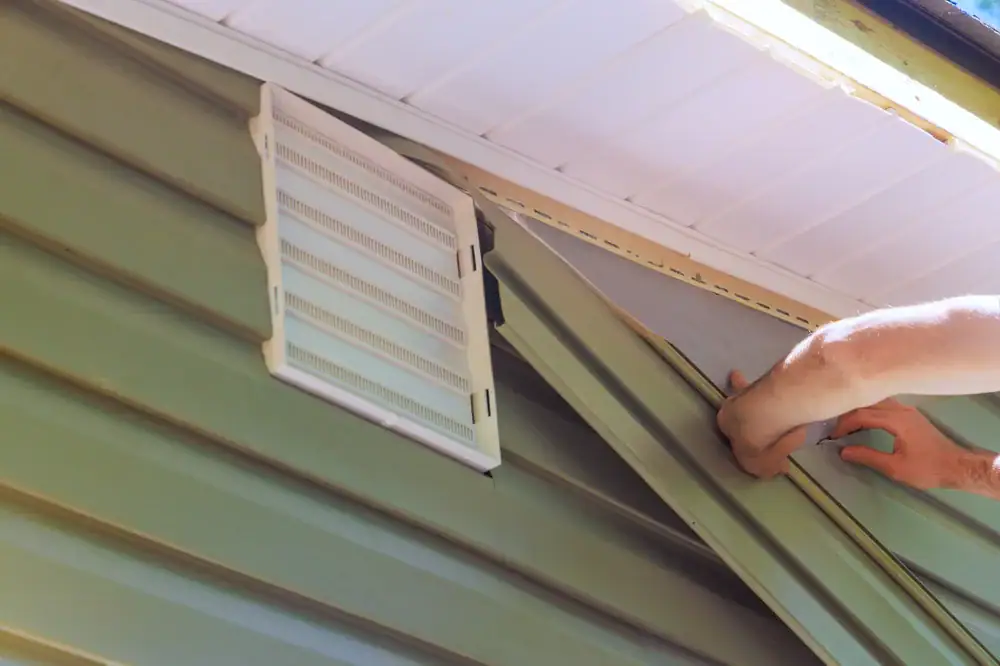
First, we inspect the damaged area and everything around it. Siding problems rarely travel alone. If one panel’s cracked, we’re checking the ones next to it, the flashing above it, and the sheathing behind it.
Then we pull back the damaged section to see what’s happening underneath. If water’s been getting in, we need to know how far it spread. We document everything—especially if you’re filing an insurance claim.
Repairs get done with materials that match your existing siding and meet coastal building standards. We’re not slapping a patch on and calling it done. Proper installation means removing compromised sections, replacing any damaged substrate, installing new siding with correct overlap and fastening, then sealing everything against wind-driven rain.
You get a repair that looks like the damage never happened and protection that’ll hold up to the next storm season.

Ready to get started?
We handle vinyl siding repair, aluminum siding repair, and wood siding repair—whatever’s on your Southold home. Each material has different failure points and different repair requirements.
Vinyl cracks from impact and UV exposure. Aluminum dents and corrodes from salt air. Wood splits, rots, and pulls away from fasteners in humid coastal conditions. The repair approach changes based on what failed and why.
Every job includes a full assessment of the damaged area, removal of compromised materials, inspection and repair of underlying structure if needed, installation of replacement siding that matches your existing profile and color, and proper sealing and flashing to prevent future water intrusion. If your home’s in a flood zone or historic district, we handle the permit requirements.
Southold’s median home was built in 1971. That means most houses here are over 50 years old with original or aging siding that’s been taking a beating from coastal weather for decades. Small repairs now prevent the kind of whole-side replacements that run $15,000 or more.

Most siding repairs in Southold run between $300 and $1,500 depending on the extent of damage and material type. A few cracked vinyl panels might cost $400 to replace. Extensive storm damage affecting multiple walls with underlying water damage can push into the $2,000 to $3,000 range.
Wood siding repair typically costs more than vinyl because the labor’s more intensive and matching historic profiles takes more time. Aluminum siding falls somewhere in the middle. If we’re dealing with structural damage behind the siding—rotted sheathing or framing—that adds to the cost because we’re essentially doing carpentry work before we even get to the siding itself.
The real cost is waiting. A $400 repair this month becomes a $3,000 problem six months from now when water damage spreads. We give you an upfront estimate after inspection so you know exactly what you’re paying before any work starts.
Most siding damage can be repaired if you catch it early enough. Cracked panels, small holes, loose sections, minor rot—all repairable. We replace the damaged sections and leave everything else alone.
Full replacement makes sense when damage is widespread, your siding’s near the end of its lifespan anyway, or repair costs approach 50% of replacement costs. If you’ve got a 40-year-old wood siding with rot showing up in multiple areas, repairing one section doesn’t solve the underlying problem that the whole system’s failing.
Here’s the honest answer: we’ll tell you during inspection whether repair makes sense or if you’re throwing money at something that’ll need replacement in two years anyway. Most Southold homes we see just need targeted repairs. But if your house needs more than that, we’re not going to sell you a band-aid when you need real surgery.
Simple repairs—replacing a few damaged panels—usually take half a day to a full day. We’re done before dinner. More extensive repairs involving multiple walls or underlying structural work might take two to three days.
Weather affects timeline because we can’t leave your wall cavity open during rain. If we pull siding back and find wet sheathing that needs to dry out before we close everything up, that adds time. We’re not sealing moisture into your walls just to finish faster.
Emergency storm damage repairs get priority scheduling. If a nor’easter just ripped panels off and your house is exposed, we’ll get someone out same-day or next-day to secure the opening and prevent more water intrusion. The permanent repair might happen a few days later, but you’re not sitting there with a hole in your wall while rain pours in.
Matching existing siding is part of the job. We identify your siding profile, manufacturer if possible, and current color. Most vinyl and aluminum siding comes in standard profiles that are still manufactured, so getting exact matches is straightforward.
Older or discontinued siding takes more work. Sometimes we pull a piece from a less visible area—like behind shrubs or on a side wall—and use that for the visible repair, then put the new slightly-mismatched piece in the hidden spot. It’s a common workaround that keeps your curb appeal intact.
Wood siding matching depends on the profile and species. Historic homes with custom millwork might need pieces custom-milled to match. That costs more and takes longer, but it’s the only way to make repairs invisible on a 100-year-old Southold colonial with original clapboards.
Color fading is real. Even if we get the exact same product, your 15-year-old sun-faded siding won’t perfectly match brand new material. It’ll blend better after a season of UV exposure, but there’s usually a slight difference initially. We position repairs to minimize how noticeable that is.
Homeowners insurance typically covers siding damage from storms, falling trees, and other sudden events. Gradual wear and tear from aging isn’t covered—that’s considered maintenance. The key word is “sudden.”
If last week’s windstorm ripped panels off, that’s covered. If your siding’s been slowly deteriorating from salt air over ten years, that’s not. Insurance adjusters know the difference, and they’ll look for evidence of when the damage actually occurred.
We document everything during inspection—photos, measurements, notes about what’s storm damage versus pre-existing wear. That documentation helps your claim. We’ve worked with enough Southold homeowners on insurance repairs to know what adjusters want to see and how to present damage in a way that supports your claim without exaggerating.
File your claim quickly after storm damage happens. Most policies have time limits. And don’t start repairs before the adjuster sees the damage unless it’s an emergency temporary fix to prevent further damage—those emergency repairs are usually covered too.
Salt air is corrosive. It breaks down materials from the outside while humidity attacks from the inside. Your siding’s getting hit from both directions in a way that homes ten miles inland don’t experience.
UV exposure is more intense near the water. Vinyl siding fades and becomes brittle faster. Wood siding dries out and cracks. Aluminum oxidizes and pits. Add in wind-driven rain from nor’easters that forces water behind siding through the smallest gaps, and you’ve got an environment that accelerates normal aging by years.
Southold homes also deal with temperature swings—hot humid summers and cold winters with freeze-thaw cycles that expand and contract siding materials. Fasteners work loose. Caulk fails. Small gaps become big problems.
That’s why using coastal-rated materials matters during repairs. Standard builder-grade vinyl won’t hold up here the way it does in Nebraska. You need UV stabilizers, impact resistance, and proper installation techniques that account for wind loads and water intrusion patterns specific to Long Island’s North Fork. We’ve been doing this long enough to know what works and what fails in Southold’s specific conditions.
Other Services we provide in Southold