
Hear From Our Clients
You’re seeing water stains on your ceiling near the fireplace. Or you’ve noticed crumbling mortar between the bricks. Maybe you’re just tired of wondering whether your chimney will make it through another winter of nor’easters and freezing rain.
Living on Long Island’s North Fork means your chimney faces conditions that inland homes never deal with. Salt air accelerates corrosion on metal flashing and chimney caps. Freeze-thaw cycles crack masonry faster here than almost anywhere else in New York. Water that gets into those cracks during a storm can turn into serious structural damage within a single season.
Chimney masonry repair isn’t just about appearances. When mortar deteriorates and bricks start shifting, you’re looking at carbon monoxide risks, fire hazards, and water damage that spreads into your walls and ceilings. The longer you wait, the more expensive it gets. What starts as a $400 repointing job can turn into a $4,000 rebuild if water reaches your chimney’s interior structure.
You need someone who knows how to work with coastal conditions. Someone who shows up when they say they will, uses materials that actually last in salt air, and doesn’t disappear after the deposit clears.
We’ve been handling chimney repair for Southold homeowners for over 10 years. We’re not a national franchise or a referral service. We’re licensed contractors who live and work on the North Fork.
Every crew member is trained, insured, and employed directly by us. No subcontractors means you get the same quality standards on every job, whether it’s emergency storm damage or a full chimney rebuild. We use coastal-grade materials because we’ve seen what happens when contractors cut corners with standard products that can’t handle Suffolk County weather.
You’ll work with people who understand that your chimney isn’t just a structure—it’s part of keeping your family safe and your home protected from the elements. We’ve repaired chimneys damaged by hurricanes, fixed flashing that failed after one winter, and rebuilt crowns that cracked from freeze-thaw cycles. When you call, you’re talking to someone who’s done this work hundreds of times in conditions exactly like yours.
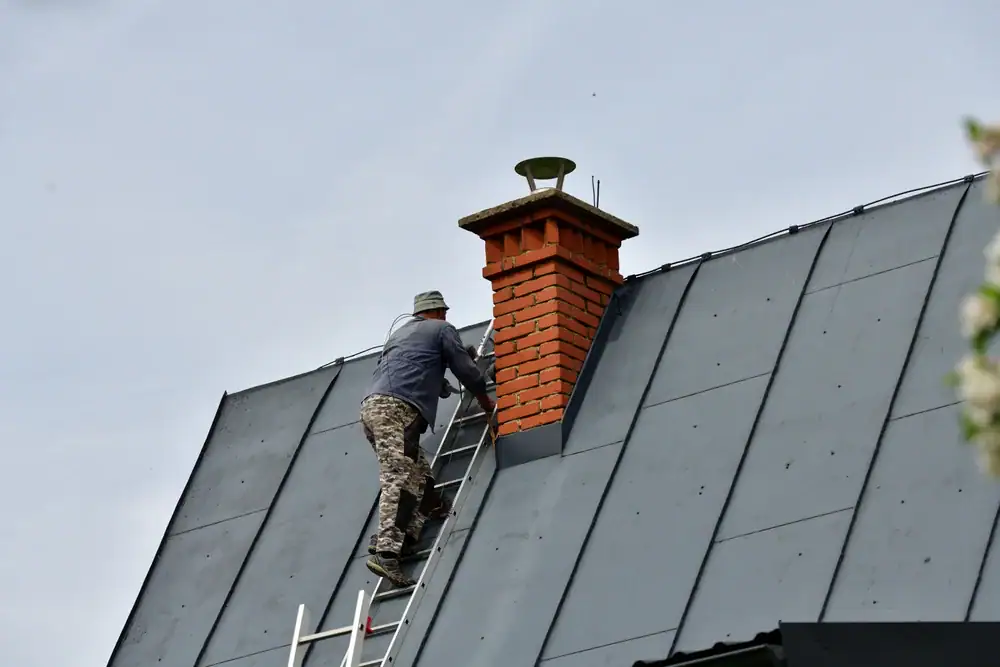
First, we schedule an inspection at a time that works for you. One of our licensed contractors examines your chimney from top to bottom—checking the crown, flashing, masonry, liner, and cap. We’re looking for cracks, water damage, deteriorating mortar, and any structural issues that could get worse.
You get a detailed explanation of what we found, what needs immediate attention, and what can wait. We don’t upsell you on work you don’t need. If your chimney just needs repointing and new flashing, that’s what we’ll tell you. If there’s structural damage that requires a more extensive repair, we’ll explain exactly why and show you the problem.
Once you approve the work, we give you a clear timeline and lock in your price. Our crews show up on schedule with the right materials and equipment. For chimney flashing repair, we remove the old flashing, address any water damage to the surrounding structure, and install new coastal-grade flashing that’s sealed properly. For masonry work, we repoint mortar joints, replace damaged bricks, and repair or rebuild the chimney crown using materials designed for freeze-thaw cycles.
Most repairs take one to three days depending on the extent of damage. We clean up completely when we’re done, and you get a warranty on our work. If there’s an emergency—like storm damage or a sudden leak—we can often get someone to your property the same day to secure the area and prevent further damage.

Ready to get started?
Chimney leak repair is one of the most common calls we get in Southold. Water infiltration usually happens at the flashing—where your chimney meets your roof—or through a cracked crown at the top of your chimney. We identify the source, repair or replace damaged components, and waterproof everything properly so the problem doesn’t come back next season.
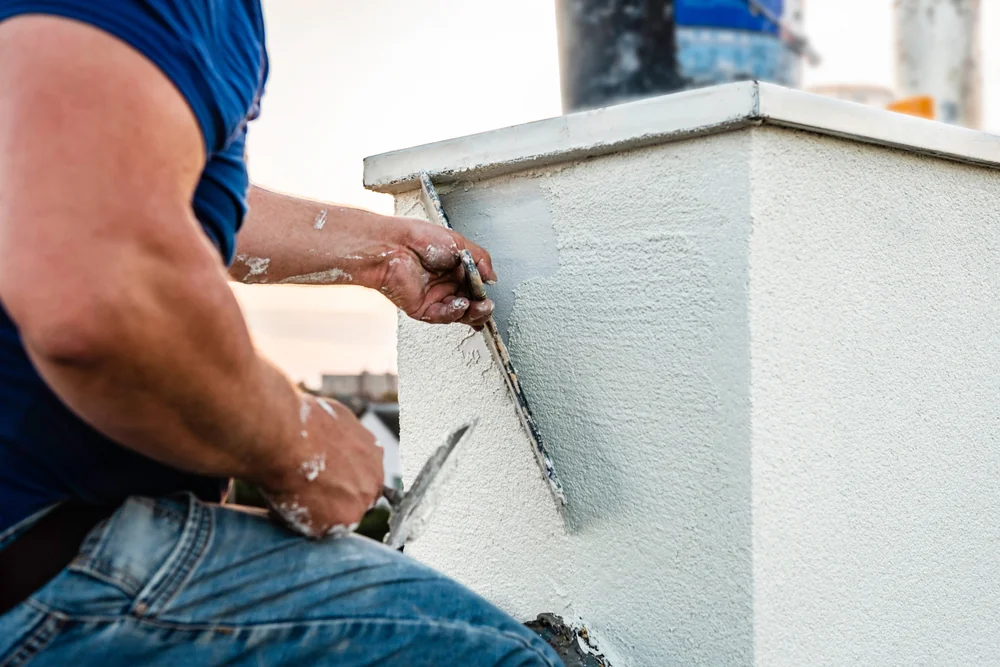
Chimney masonry repair addresses the deterioration you see in bricks and mortar. Salt air and moisture cause faster breakdown here than in most other parts of New York. We repoint mortar joints, replace damaged bricks, and apply water-repellent sealants that let masonry breathe while keeping moisture out. This work prevents small cracks from becoming structural problems.
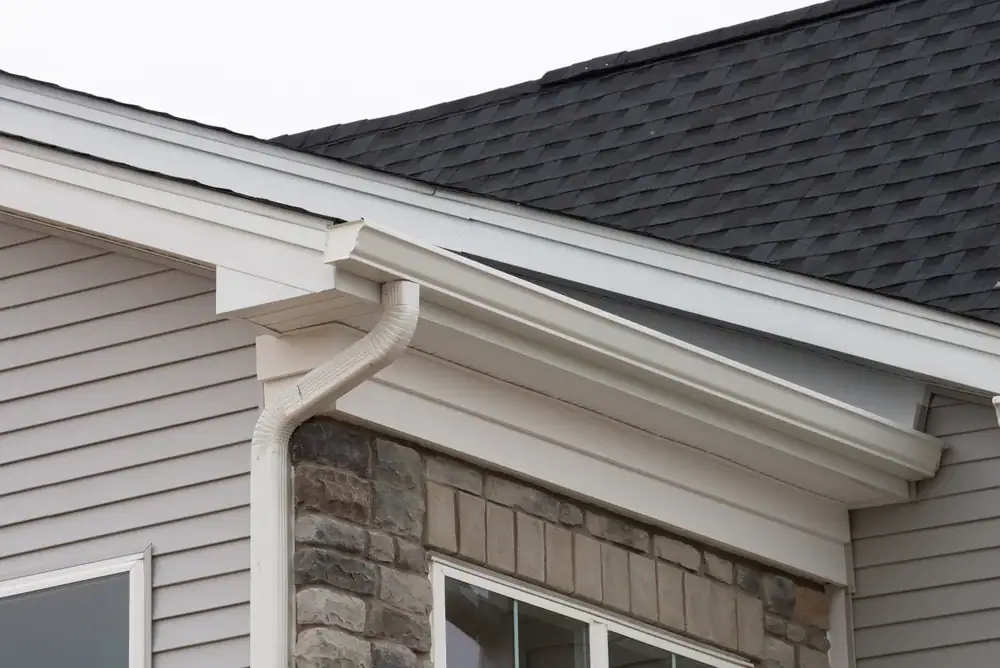
Chimney flashing repair involves removing old, corroded flashing and installing new step flashing and counter flashing that’s properly integrated with your roof. We use materials rated for coastal environments—not the standard aluminum that fails within a few years of salt air exposure. Proper flashing installation is the difference between a repair that lasts two years and one that lasts twenty.
We also handle chimney crown repair, chimney cap installation, and full chimney rebuilds when the damage is too extensive for spot repairs. Suffolk County has specific building codes for chimney construction, and we know exactly what’s required. You’re not just getting a repair—you’re getting work that meets local regulations and will pass inspection if you ever sell your home.
Chimney repair costs in Southold typically range from $500 to $3,000 depending on what needs fixing. Simple repairs like repointing mortar joints or replacing a chimney cap run $500 to $1,200. Chimney flashing repair usually costs $800 to $1,500 because it involves roofing work and proper waterproofing.
More extensive chimney masonry repair—where we’re replacing multiple bricks, rebuilding sections of the structure, or repairing significant water damage—runs $2,000 to $4,000. A full chimney crown replacement costs $1,500 to $2,500. If your chimney needs a complete rebuild from the roofline up, you’re looking at $4,000 to $8,000 depending on height and materials.
Suffolk County labor costs run higher than the national average, and coastal-grade materials cost more than standard products. But those materials last longer in salt air and extreme weather. Cheaper repairs fail faster here, which means you end up paying twice. We give you an exact price after the inspection so there’s no guessing.
Schedule chimney repairs in late spring through early fall if you can. Summer is the ideal time because weather is predictable, materials cure properly, and you’re not competing with everyone else who suddenly needs emergency service in October.
Waiting until fall means longer appointment times and higher costs because that’s when most homeowners realize they have a problem. Chimney contractors get booked solid from September through November. If we find structural damage during a fall inspection, you might be waiting weeks for repairs while using a fireplace that’s not safe.
If you’re seeing active leaks, crumbling masonry, or pieces of your chimney crown falling off, don’t wait for the perfect season. Water damage gets exponentially worse with every rainstorm. We handle emergency chimney repairs year-round and can often secure your chimney the same day to prevent further damage while we schedule the full repair.
Salt air is the biggest factor. Salt particles from ocean winds settle on your chimney’s masonry and metal components. When salt absorbs moisture, it expands through a process called chloride-salt crystallization. That expansion creates pressure inside bricks and mortar joints, causing cracks and deterioration that happens much faster than in inland areas.
Freeze-thaw cycles hit North Fork chimneys harder than most other parts of New York. Water gets into small cracks in your masonry or crown, freezes overnight, and expands by about 9 percent. That expansion widens the cracks. When temperatures rise, the ice melts and more water seeps deeper into the structure. This cycle repeats dozens of times each winter, progressively weakening your chimney’s integrity.
Nor’easters and hurricane-force winds also damage chimney flashing and caps. Wind-driven rain forces water into gaps that would stay dry during normal weather. Once water penetrates your chimney’s exterior, it damages the liner, deteriorates interior masonry, and eventually leaks into your home. Southold chimneys need more frequent maintenance than chimneys just 20 miles inland because of these combined factors.
You need repair if the damage is localized to specific areas—cracked crown, deteriorating mortar joints, damaged flashing, or isolated brick problems. These issues are fixable without rebuilding the entire structure. Most chimneys just need targeted repairs even after years of coastal weather exposure.
You’re looking at replacement if there’s structural instability, severe tilting, or extensive deterioration throughout the chimney. If more than 25 percent of the bricks are damaged, if the chimney is separating from your house, or if the interior liner is completely compromised, rebuilding is usually more cost-effective than trying to patch everything.
During our inspection, we’ll tell you exactly where your chimney stands. We’ll show you the damage, explain whether it’s repairable, and give you options with honest cost comparisons. Sometimes a homeowner expects to need a full rebuild and we can solve the problem with $1,500 in targeted repairs. Other times what looks like a small issue is actually indicating bigger structural problems. You’ll know what you’re dealing with before any work starts.
Yes. Storm damage and sudden leaks don’t wait for business hours. If your chimney is actively leaking, if storm damage has compromised the structure, or if you’re seeing signs of immediate safety risks, call us right away.
We can usually get someone to your property the same day for emergency situations. Our first priority is securing the damage to prevent it from getting worse—tarping the area, stabilizing loose masonry, or temporarily sealing leaks. Then we schedule the full repair work as quickly as possible.
Emergency repairs cost more than scheduled work because we’re rearranging other jobs and potentially working in difficult conditions. But the cost of emergency service is almost always less than the cost of letting water damage spread through your home for days or weeks while you wait for a regular appointment. We’ve seen too many situations where an $800 emergency flashing repair would have prevented $5,000 in interior water damage.
Yes. Every crew member who works on your property is licensed, insured, and directly employed by us. We don’t use subcontractors, which means you get consistent quality and accountability on every job.
Our licensing covers both roofing and chimney work because chimney repairs almost always involve roofing components like flashing. Suffolk County has specific requirements for this type of work, and we maintain all necessary certifications and insurance coverage. You can verify our credentials before we start.
Insurance matters more than most homeowners realize. If an unlicensed contractor gets injured on your property or damages your home during repairs, you could be liable. Our coverage protects you from that risk. You’ll also have recourse if anything goes wrong with the repair work—though in 10 years of serving Southold homeowners, our warranty claims have been minimal because we do the work right the first time.
Other Services we provide in Southold