
Hear From Our Clients

When your chimney fails, it doesn’t just stop working. Water gets into your walls. Cracks let carbon monoxide seep into rooms where your family sleeps. And every storm that rolls through makes it worse.
A proper chimney replacement fixes the root problem. You get a structure built with salt-resistant materials, proper flashing that won’t corrode in coastal humidity, and a crown designed to shed water instead of trapping it. No more stains on your ceiling. No more wondering if that smell means something dangerous.
The difference shows up in winter when everyone else is calling for emergency repairs and you’re not. It shows up when nor’easters hit and your chimney holds. And it shows up in your home’s value when buyers see professional work that doesn’t need to be redone in five years.
We’ve been handling chimney replacement, roof work, and exterior repairs across Southold and the North Fork for over 10 years. We’re licensed, insured, and we live here too.
That matters because coastal construction isn’t the same as inland work. The materials that hold up in other parts of New York fail faster here. Flashing techniques that work elsewhere let water in when you’re this close to the ocean. We’ve learned what actually lasts through trial, training, and hundreds of jobs in neighborhoods just like yours.
You’re not getting a crew that shows up, follows a generic process, and disappears. You’re getting contractors who understand why your chimney cracked in the first place and how to rebuild it so it doesn’t happen again.
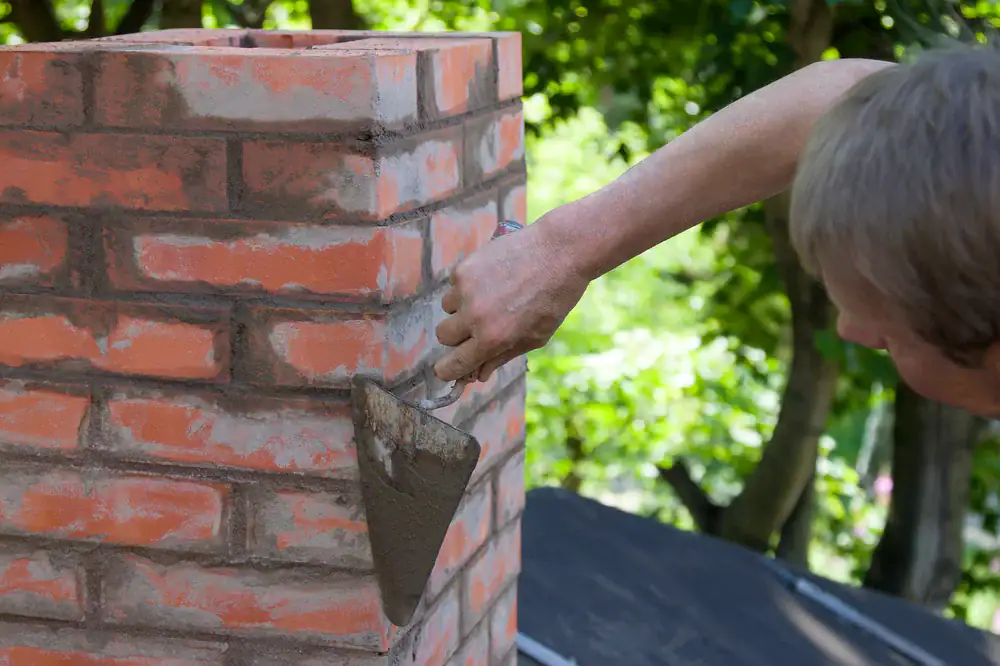
We start with an inspection to see what’s salvageable and what needs to go. Sometimes it’s just the chimney stack above the roofline. Other times the damage goes deeper and you need a full rebuild from the firebox up.
Once we know the scope, you get a clear estimate before any work starts. No surprises, no upselling once we’re on the roof. If we’re replacing the chimney stack, we remove the damaged masonry, install new flashing designed for coastal exposure, and rebuild with materials chosen specifically for salt air and freeze-thaw cycles. If you need chimney liner replacement or a new chimney cap, we handle that too.
The flashing work matters more than most homeowners realize. We use corrosion-resistant materials and seal every joint because that’s where most leaks start. The crown gets sloped properly so water runs off instead of pooling. And if your chimney flue or chimney flashing needs attention, we address it as part of the complete system.
When we’re done, you get a chimney that’s code-compliant, structurally sound, and built to handle another decade of Long Island weather. We clean up the site, haul away debris, and walk you through what we did so you know exactly what you paid for.

Ready to get started?
Your chimney replacement includes everything needed to protect your home from top to bottom. We’re talking about chimney stack replacement with masonry built to resist salt penetration, chimney cap replacement with covers that won’t corrode in ocean air, and properly installed flashing that creates a watertight seal where your chimney meets the roof.
If your chimney liner is cracked or missing sections, we replace it with a liner that keeps combustion gases where they belong and prevents carbon monoxide from seeping into your home. Chimney flue replacement happens when the interior structure is compromised beyond repair. And every job includes a sloped crown that sheds water instead of letting it freeze and expand in the joints.
Southold homes face conditions most contractors don’t deal with. The salt air here accelerates corrosion on metal components. Coastal humidity gets into masonry and freezes when temperatures drop. Storms hit harder and more often than inland areas. We account for all of it by using upgraded materials, enhanced fastening, and installation techniques proven to work in this specific environment.
You’re not getting the cheapest option. You’re getting work that matches the investment you’ve made in your property and protects it the way it needs to be protected this close to the water.

Full chimney replacement in Southold typically runs between $4,000 and $15,000 depending on the extent of the damage and how much of the structure needs to be rebuilt. If we’re only replacing the chimney stack above the roofline, you’re looking at the lower end. If the chimney needs to come down to the firebox and be rebuilt from the foundation up, costs go higher.
Chimney cap replacement alone runs a few hundred dollars. Chimney liner replacement adds to the total but prevents dangerous gas leaks and is often required by code. The price reflects materials designed for coastal conditions, licensed labor, proper permits, and work that’s going to last.
Long Island costs run higher than national averages because of stricter building codes and higher labor rates. But when you’re protecting a home worth over $700,000 in a market where property values keep climbing, cutting corners on chimney work doesn’t make sense. You get a clear estimate upfront so you know exactly what you’re paying for before we start.
Most chimney replacements in Southold take between two and five days depending on the scope of work and weather conditions. A straightforward chimney stack replacement above the roofline usually wraps up in two to three days. Full rebuilds that include chimney liner replacement, new flashing, and structural repairs take longer.
Weather plays a bigger role here than inland. We can’t pour crowns or set masonry in freezing temperatures or during heavy rain. Coastal wind conditions sometimes mean we have to pause work for safety reasons. We schedule around those factors and keep you updated if delays happen.
The timeline also depends on whether we’re coordinating with other work like roof repairs or if we need to wait for inspections. Summer and early fall give us the most predictable schedules because the weather’s stable and materials cure properly. Winter jobs take longer and sometimes cost more because of the conditions we’re working in.
Salt air is the biggest culprit. It penetrates brick and mortar, causing gradual deterioration that you don’t see until the damage is serious. When salt gets into masonry and water follows, the freeze-thaw cycle does the rest. Water expands about 9% when it freezes, creating pressure inside the joints and bricks that leads to cracks and spalling.
Coastal humidity means your chimney stays damp longer than it would inland. That moisture freezes in winter, thaws in spring, and repeats the cycle year after year. Metal components like chimney caps and flashing corrode faster because of the salt exposure. And the storms that hit the North Fork bring wind-driven rain that finds every weak point in your chimney’s weatherproofing.
This is why chimney replacement in Southold requires different materials and methods than you’d use even 20 miles inland. Standard flashing fails. Regular mortar breaks down faster. Chimney caps rust through. You need components specifically chosen to resist salt, handle freeze-thaw cycles, and stand up to the weather patterns that define this area.
It depends on where the damage is and how far it’s spread. If the problem is limited to the chimney stack above the roofline and the structure below is still sound, we can replace just that section. Same goes for chimney cap replacement or chimney flashing replacement when the masonry itself is intact.
But if the damage goes deeper, partial fixes don’t hold. Cracks in the chimney liner let carbon monoxide into your home and create fire hazards. Water damage that’s reached the interior structure means the problem will keep spreading even if we patch the outside. And if the foundation or firebox is compromised, you’re looking at a full rebuild.
We inspect the entire system before recommending a scope of work. Sometimes homeowners are surprised that what looked like a small crack at the top is actually connected to structural issues lower down. Other times the damage really is isolated and a targeted repair is all you need. Either way, you get an honest assessment and a clear explanation of what needs to happen and why.
Yes, chimney replacement in Southold requires a building permit, and the work needs to meet New York State building codes plus any local requirements. Permits exist to make sure the work is done safely and inspected properly. That protects you, your family, and your home’s value.
We handle the permit process as part of the job. That includes submitting plans, scheduling inspections, and making sure everything is documented correctly. Some homeowners try to skip permits to save money, but that creates problems when you sell the house or file an insurance claim. Unpermitted work can kill a sale or force you to tear everything out and redo it.
We pull permits because we know what inspectors are looking for and how to meet code requirements the first time. The permit cost is built into your estimate, and the inspection process actually works in your favor because it confirms the work was done right. You end up with documentation that adds value instead of creating liability.
Late spring through early fall gives you the best conditions for chimney replacement on Long Island. The weather’s stable, materials cure properly, and you’re not racing against the first freeze. Summer is ideal because we can schedule the work without weather delays and you have time to get it done before you need to use your fireplace.
Fall gets busy because that’s when most homeowners start thinking about their chimneys again. Schedules fill up, and if inspections reveal problems, you’re competing with everyone else for contractor availability. Prices sometimes go up during peak season, and if you need emergency work after a storm, you’ll pay even more.
Winter chimney replacement is possible but more complicated. Cold temperatures affect how mortar sets and how long materials need to cure. We sometimes have to use additives or take extra steps to protect the work, which adds time and cost. And if a nor’easter rolls through mid-project, we’re stuck waiting for conditions to improve. If your chimney is damaged and leaking, we’ll do emergency work in winter. But if you have the option to plan ahead, schedule it for warmer months.
Other Services we provide in Southold